Dough
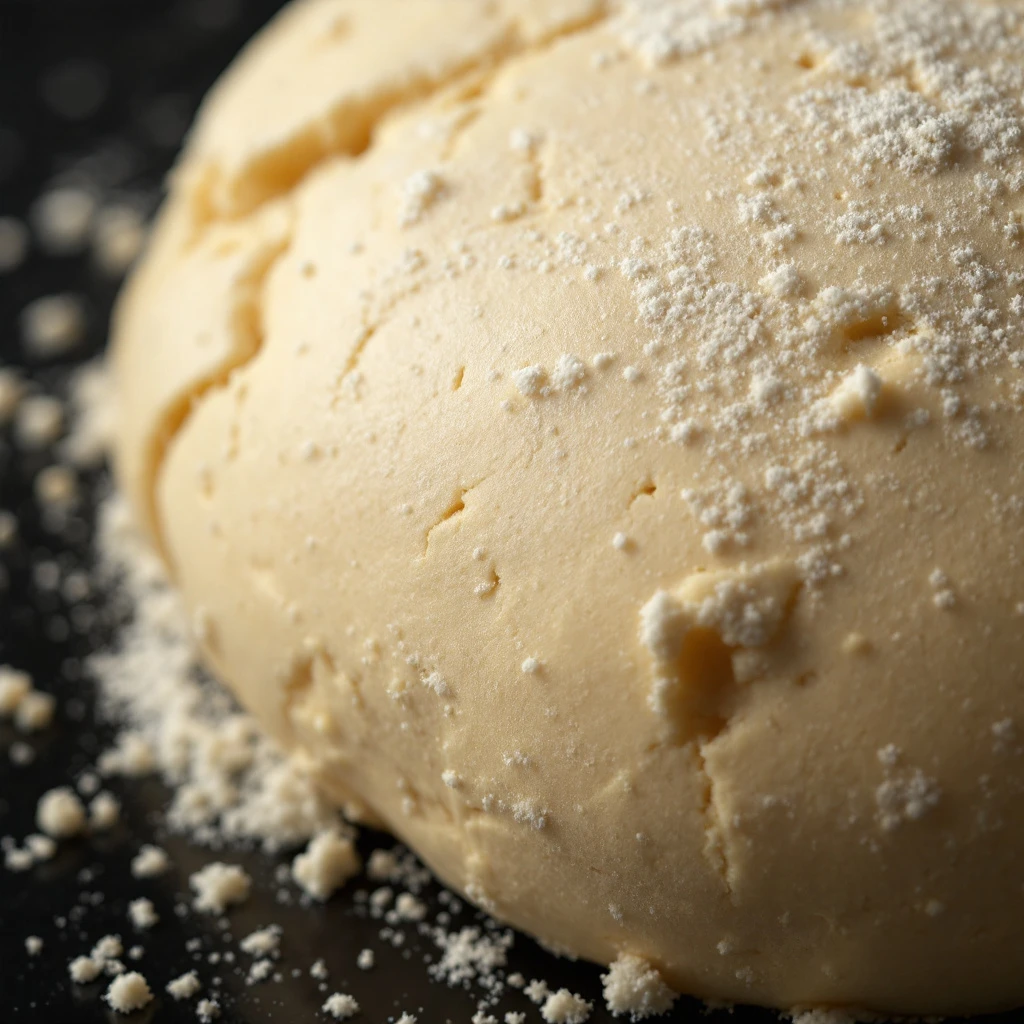
Dough captures the warm, yeasty aroma of freshly kneaded bread straight from the oven. This comfort note bridges edible and aromatic, bringing bakery warmth to modern perfumery.
Character
How it smells
The aroma of freshly baked bread, captured in a bottle.
Dough note emerged in the 1990s when synthetic chemistry finally allowed perfumers to recreate true bread-like warmth in fragrance.




Origin
Switzerland
The dough note emerged in perfumery during the 1990s gourmand movement. As consumers developed appetite for edible-smelling fragrances, chemists started creating compounds that mimicked food aromas.
Before this period, bakery notes were difficult to achieve using only natural ingredients. The rise of synthetic chemistry allowed perfumers to capture bread-like warmth without relying on traditional aromatics.
This development marked a shift in how perfumers approached scent creation, opening doors for comfort-oriented fragrances. Today, dough note appears in various modern compositions, from casual daywear scents to luxury perfumes that aim for universal warmth and appeal.
Wears it best
Fragrances featuring Dough
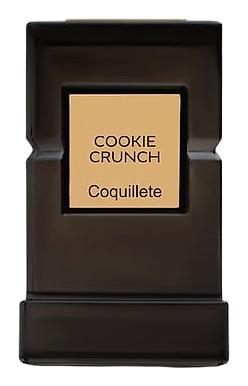

Brands
Brands known for Dough
Good to know
Questions, answered
The essentials on Dough in perfumery: how it smells, where it comes from, and how it behaves on skin.
What does dough note smell like?
Dough note smells like fresh bread or yeast. It brings warm, comforting bakery characteristics to fragrances, evoking the smell of dough rising or bread cooling.
Is dough note natural or synthetic?
Dough note is synthetic. Chemists create it in laboratories using aromatic compounds that together mimic the smell of bread dough.
What fragrances feature dough note?
Many modern fragrances feature dough note, particularly gourmand and comfort-oriented perfumes. It appears in both designer and niche fragrances.
When was dough note first used in perfumery?
Dough note first appeared in perfumery during the 1990s gourmand fragrance boom, when synthetic chemistry enabled perfumers to create realistic food-like scents.
What notes pair well with dough in fragrance?
Vanilla, caramel, tonka bean, and warm spices pair well with dough. These combinations create rich, edible-smelling compositions.
How long does dough note last on skin?
Dough note typically has moderate longevity, lasting several hours depending on concentration and the fragrance composition it appears in.
Is dough note common in perfumery?
Dough note has become increasingly common in modern perfumery, especially in comfort and gourmand fragrances targeting broad appeal.
Can dough note be found in natural ingredients?
Natural bread-like scents exist but are limited and inconsistent. Most dough notes in perfumery come from synthetic sources for reliability.