Cinnamon Biscuit
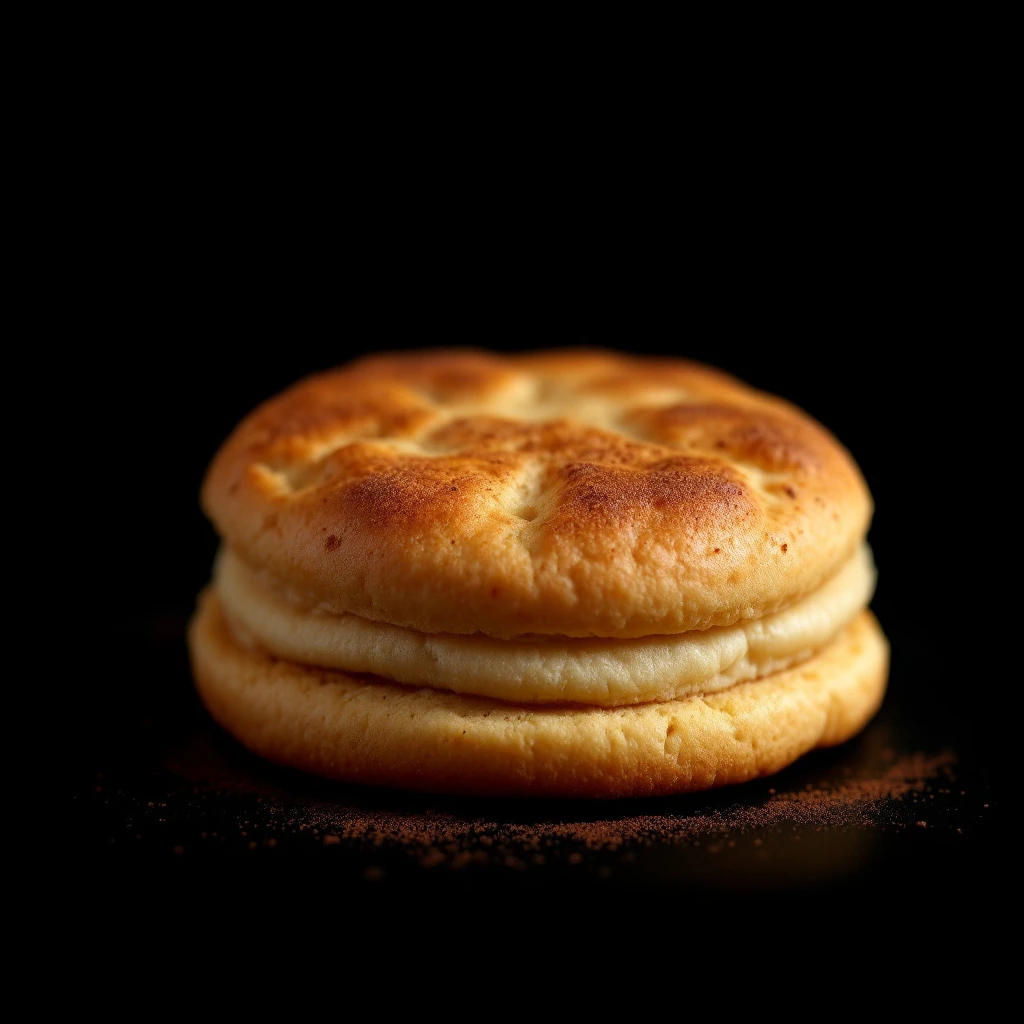
Warm, spiced sweetness that evokes freshly baked goods. Cinnamon brings a sharp, honeyed warmth that cuts through compositions with irresistible coziness.
Character
How it smells
The sharp warmth of a spice rack, softened by sweet bakery air.
Cinnamon bark ranks among the oldest continuously traded commodities on Earth, with documented use in China dating to 2000 BCE.



Origin
Sri Lanka
Cinnamon appears in ancient Chinese texts from 2700 BCE as a medicinal ingredient, making it one of the oldest documented aromatic materials in human history. Ancient Egyptians used cinnamon in their sacred kyphi incense, blending it with other resins for religious ceremonies. Greek and Roman cultures acquired cinnamon through Phoenician traders, valuing it as a luxury good equal to precious metals.
During medieval times, Arab traders spread romantic myths about cinnamon growing in mysterious lands guarded by giant birds, deliberately obscuring the spice routes to maintain high prices. Portuguese explorers discovered Ceylon cinnamon in 1518 and established a trade monopoly that lasted centuries. The Dutch seized control in the mid-1600s, burning wild cinnamon forests to ensure plantation dominance.
By the 18th century, British and French colonial powers competed for access to cinnamon-producing regions, fundamentally reshaping global trade networks. Today, Sri Lanka remains the primary source of true Ceylon cinnamon, though cinnamon bark oil flows into fragrances that carry thousands of years of human history in every bottle.
Wears it best
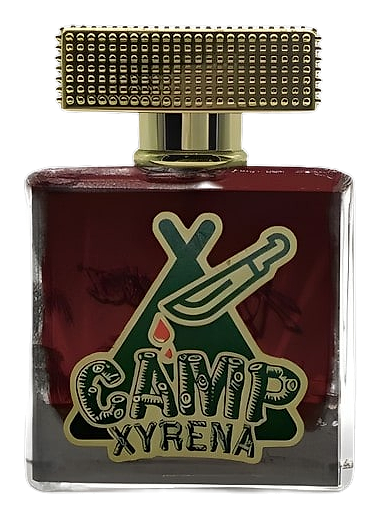
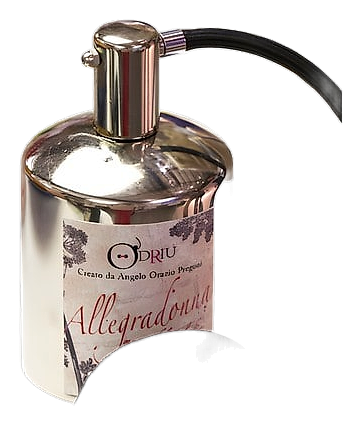
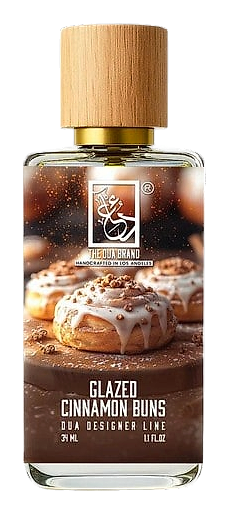
Fragrances featuring Cinnamon Biscuit
Brands
Brands known for Cinnamon Biscuit
Good to know
Questions, answered
The essentials on Cinnamon Biscuit in perfumery: how it smells, where it comes from, and how it behaves on skin.
What does cinnamon bark smell like in perfume?
Cinnamon bark delivers a sharp, warm, and honeyed spice with a distinctly sweet undertone. It reads as comforting and slightly medicinal, with the characteristic red-hot candy edge that makes it instantly recognizable. The warmth feels almost physical, like standing near a crackling fire on a cold day.
Which countries produce the best cinnamon for perfumery?
Sri Lanka produces true Ceylon cinnamon, prized for its delicate, refined aroma with sweet and floral nuances. China, Vietnam, and Indonesia grow cassia varieties, which are bolder and spicier but contain higher cinnamaldehyde levels. Sri Lankan Ceylon bark remains the gold standard for high-end fragrance work.
How long have perfumers used cinnamon?
Cinnamon has appeared in fragrant compositions for over 3000 years. Ancient Egyptians incorporated it into sacred incense, while Greek and Roman perfumers used it in luxury pomades and unguents. Continuous documented use from 2000 BCE establishes cinnamon as one of the oldest aroma materials in the perfumer's palette.
What extraction method produces cinnamon bark oil?
Steam distillation extracts cinnamon bark oil from dried inner bark over six to eight hours. Steam passes through the plant material, carrying volatile compounds into a condensation system. The resulting oil separates from the hydrosol and is collected for use in fragrance formulations.
Is cinnamon bark oil safe for skin application?
Cinnamon bark oil is a known skin sensitizer due to its high cinnamaldehyde content, which can reach 65 to 80 percent. IFRA restricts its use in consumer products, requiring low concentrations typically below 0.1 percent in leave-on applications. Trained perfumers handle it with appropriate dilution and care.
What fragrance families pair well with cinnamon bark?
Cinnamon bark harmonizes naturally with oriental and spicy fragrance families. It combines exceptionally well with vanilla, tonka bean, benzoin, and warm wood notes like sandalwood and cedar. Orange blossom adds a contrasting brightness, while leather and smoke notes amplify its darker, more mysterious qualities.
How strong is cinnamon bark oil in a fragrance blend?
Cinnamon bark oil is exceptionally potent. A small amount goes a long way, and even one percent can dominate a fragrance composition. Most perfumers use it at 0.1 to 0.5 percent to add spicy warmth without overwhelming the blend. It functions as both a heart note and a modifier in most formulations.
What is the difference between cinnamon bark oil and cinnamon leaf oil?
Bark oil contains 50 to 65 percent cinnamaldehyde, producing the characteristic warm, sweet-spicy scent associated with the spice. Leaf oil has lower cinnamaldehyde but higher eugenol content, giving it a sharper, more medicinal, and slightly bitter quality. Bark oil commands a significantly higher price and remains the preferred choice for fine fragrance.




