Dock Moss
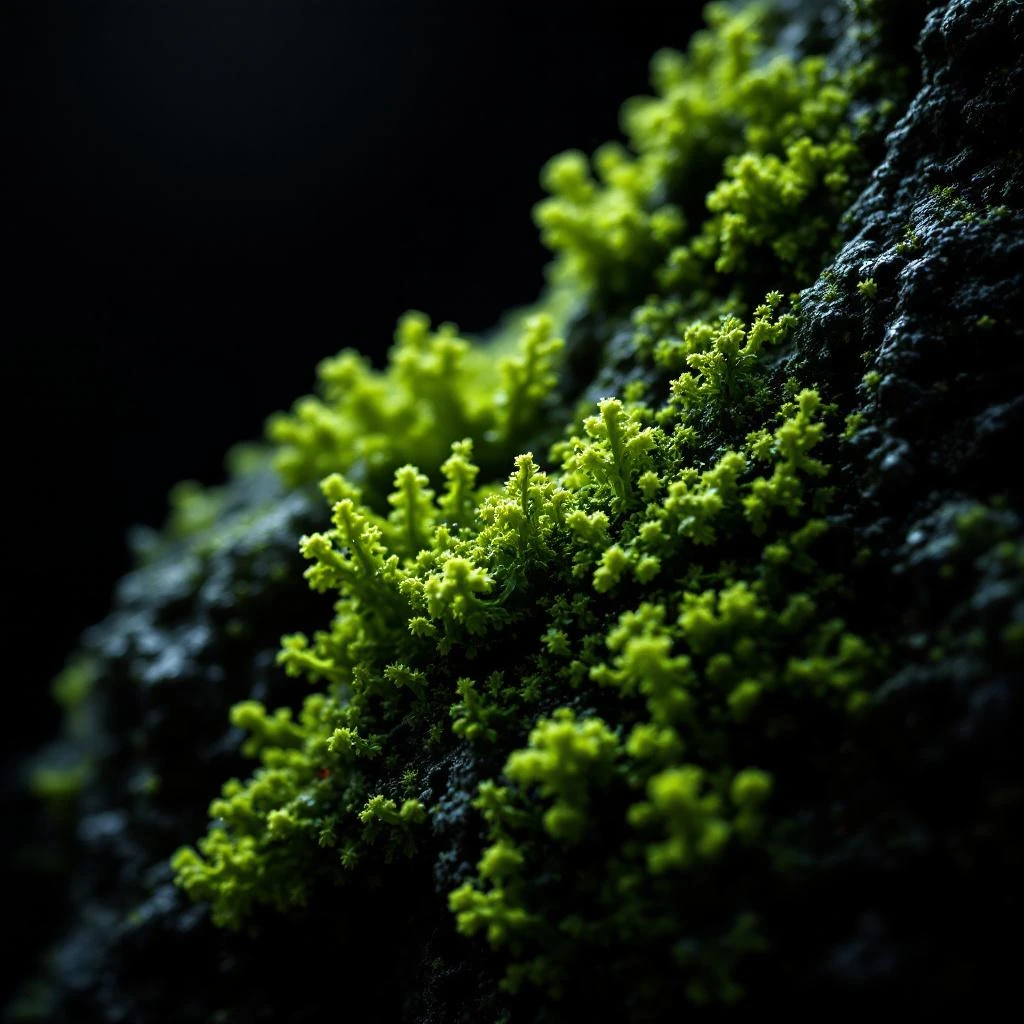
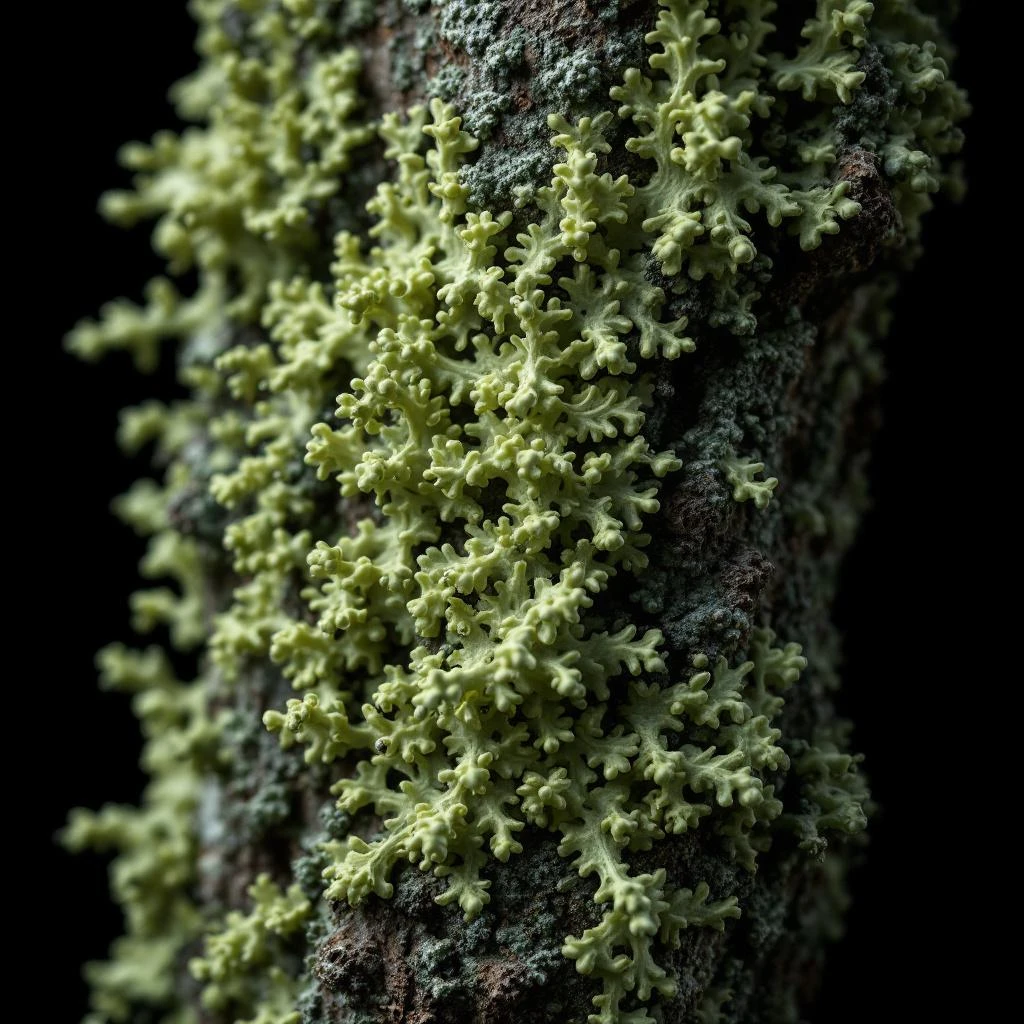
Dock Moss brings a cool, vegetal dampness to compositions, evoking riverbanks shaded by broad leaves. This green accord grounds fragrances in the scent of wild, untended watersides.

Character
How it smells
A riverbank whisper, bottled
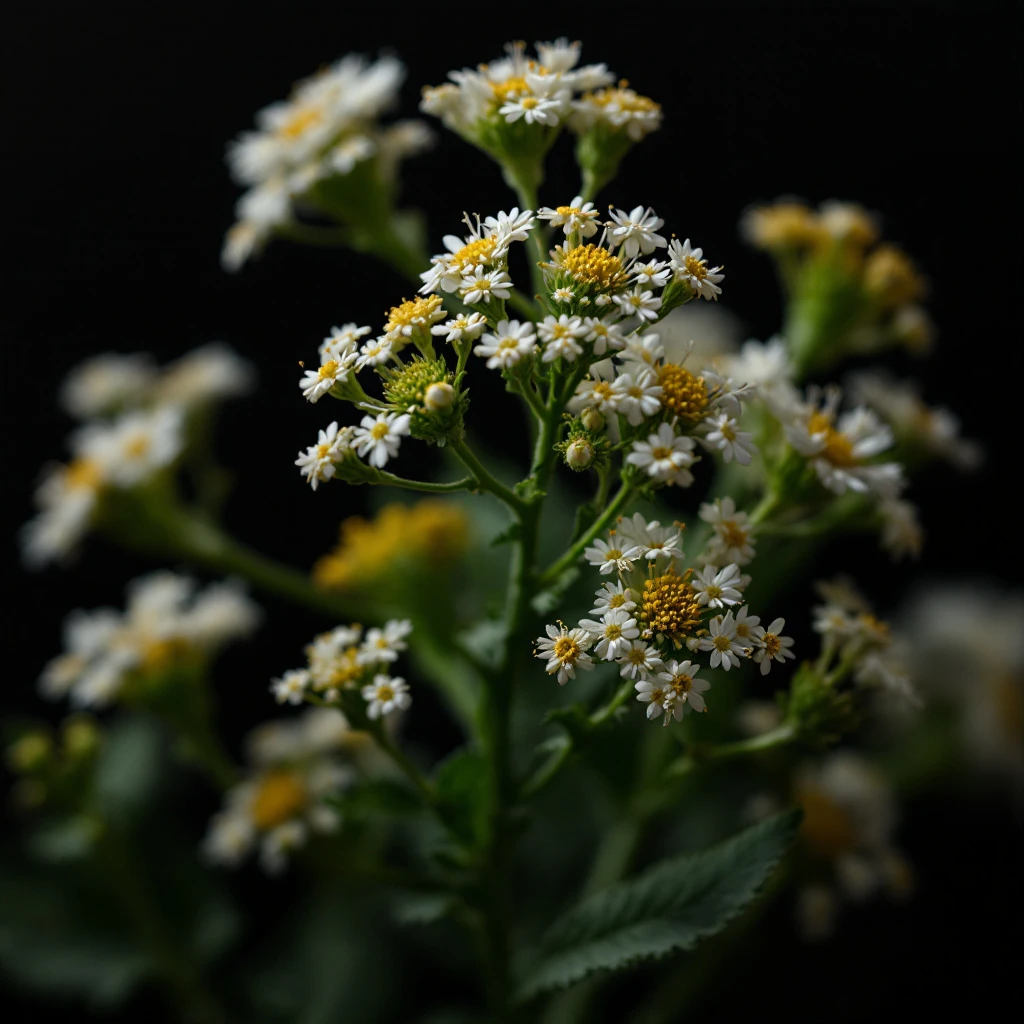
Dock Moss is not a true moss but a flowering plant; perfumers prize its green, slightly bitter aroma that recalls wet foliage after summer rain.




Origin
France
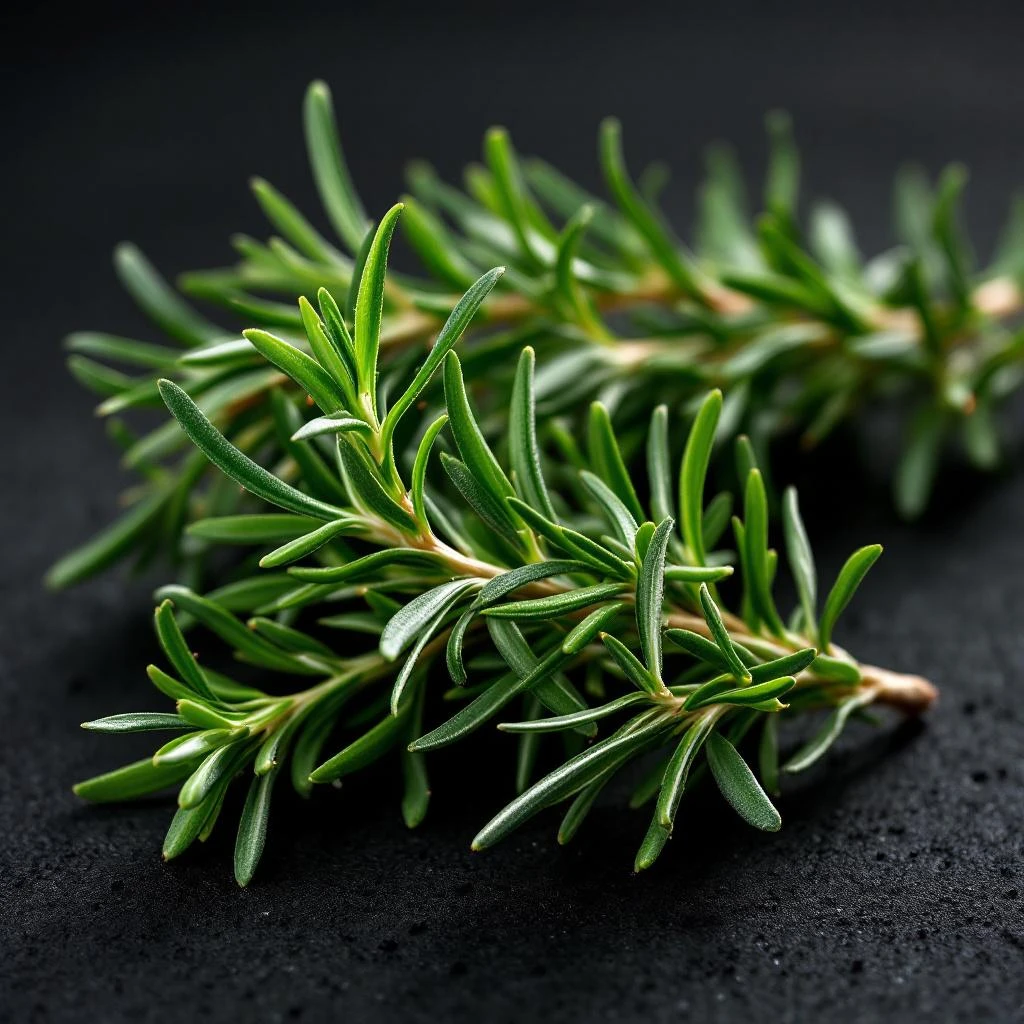
Dock plants have traveled alongside human civilization for centuries, valued first as medicinal herbs and dyes before perfumers recognized their aromatic potential. Ancient Greek and Roman texts reference dock species used in poultices and remedies, with the plants growing wild across Europe and Asia along riverbanks and roadsides. By the medieval period, dock leaves featured in folk traditions across Britain and continental Europe, where they served practical purposes in households.
The transition into perfumery came during the 19th century, when the search for natural green notes intensified alongside advances in extraction technology. Dock Moss entered classical chypre compositions and fougère structures, contributing a distinctive damp-earth character. Its role expanded through the 20th century as perfumers sought alternatives to restricted oakmoss, and Dock Moss offered a complementary green facet.
Today it remains a specialty ingredient, connecting modern fragrance to centuries of botanical tradition.
Wears it best
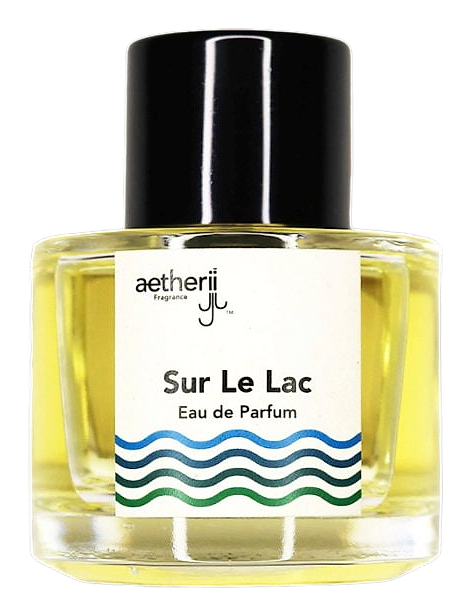
Fragrances featuring Dock Moss
Brands
Brands known for Dock Moss
Good to know
Questions, answered
The essentials on Dock Moss in perfumery: how it smells, where it comes from, and how it behaves on skin.
What does Dock Moss smell like in perfume?
Dock Moss contributes a green, vegetal aroma with cool dampness and subtle bitter undertones. It evokes wet foliage and shaded riverbanks, grounding lighter top notes with an earthy, natural depth.
Is Dock Moss a natural or synthetic ingredient?
Dock Moss is primarily a natural ingredient, produced through solvent extraction of harvested plant material. Some modern compositions may use reconstitution or synthetic alternatives for consistency.
How is Dock Moss extracted for perfumery?
Producers harvest the aerial parts of the dock plant during peak growth, then apply solvent extraction to create a concrete. Further processing with alcohol yields the absolute used in fine fragrance.
Where does Dock Moss originate?
Dock plants grow wild across temperate regions of Europe, Asia, and North America. France remains a primary sourcing region, where wild harvesting and cultivation support perfumery supply chains.
What fragrance families feature Dock Moss?
Dock Moss appears most often in green, chypre, and fougère compositions, where its damp vegetal character complements woody bases and herbal accords. It adds authenticity to naturalistic fragrances.
Can Dock Moss replace oakmoss in a formula?
Dock Moss serves as a partial alternative to oakmoss, offering green and earthy facets. However, the two materials differ in chemical profile, and experienced perfumers often blend them for balance.
Is Dock Moss sustainable to harvest?
Sustainability varies by source. Wild harvesting requires management to prevent over-collection, while cultivated dock reduces pressure on natural populations and supports consistent supply.
When was Dock Moss first used in perfumery?
Dock plants entered perfumery during the 19th century as extraction technology advanced. Their use expanded through the 20th century, particularly as perfumers sought green notes beyond traditional mosses.