Desert Lavender
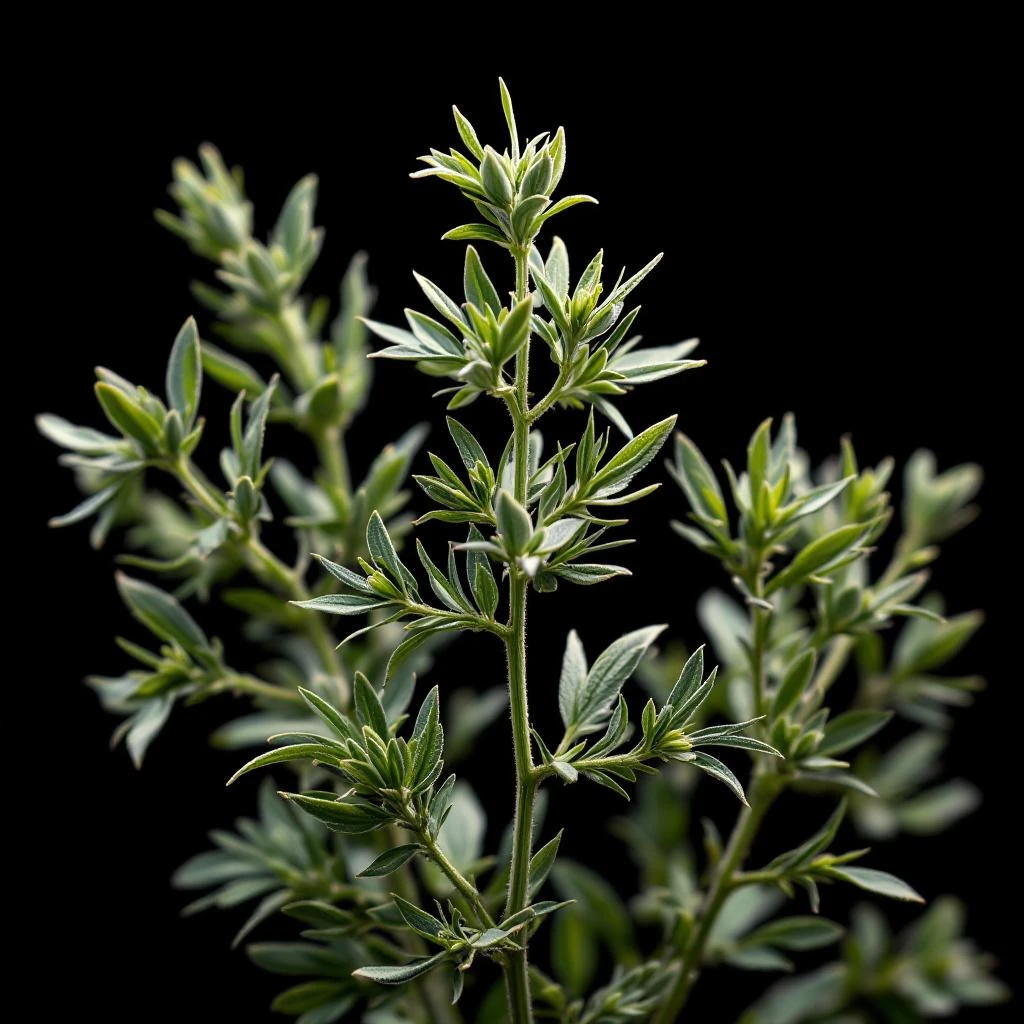
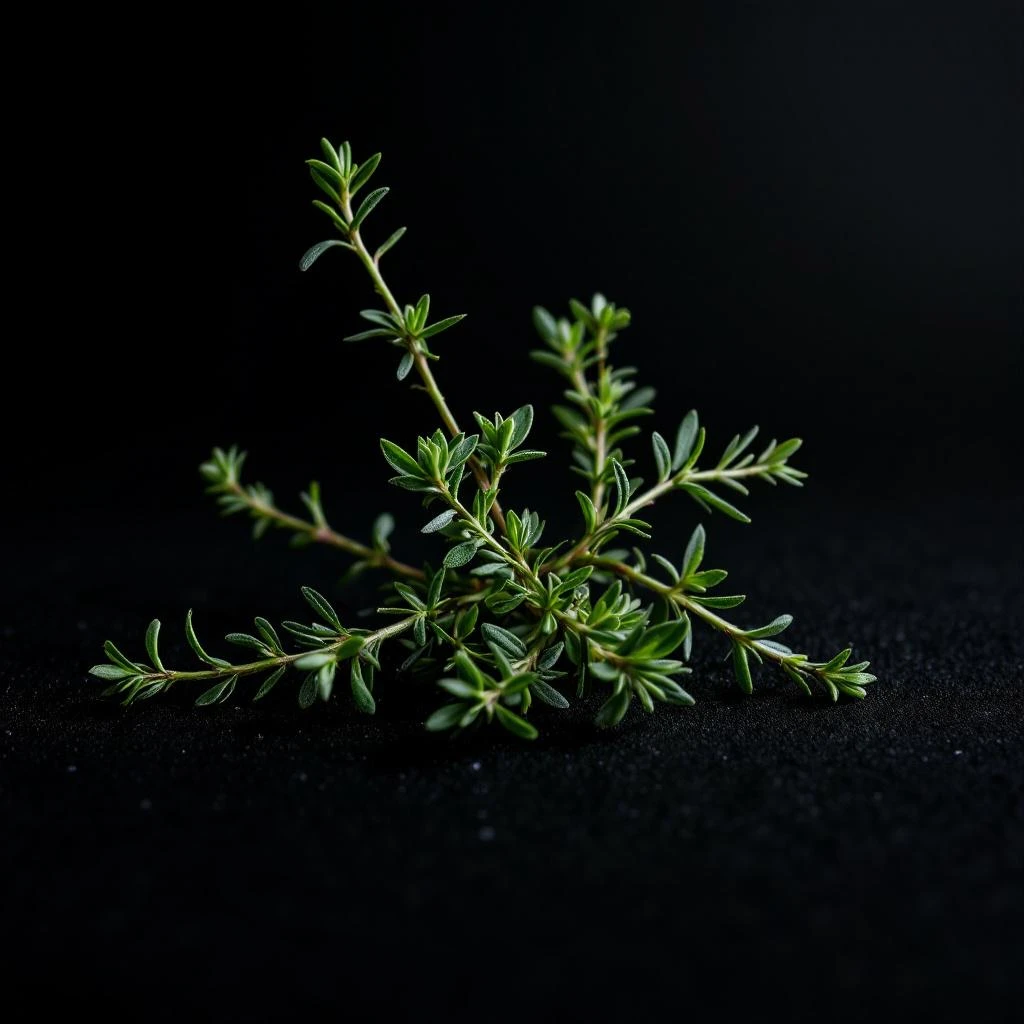
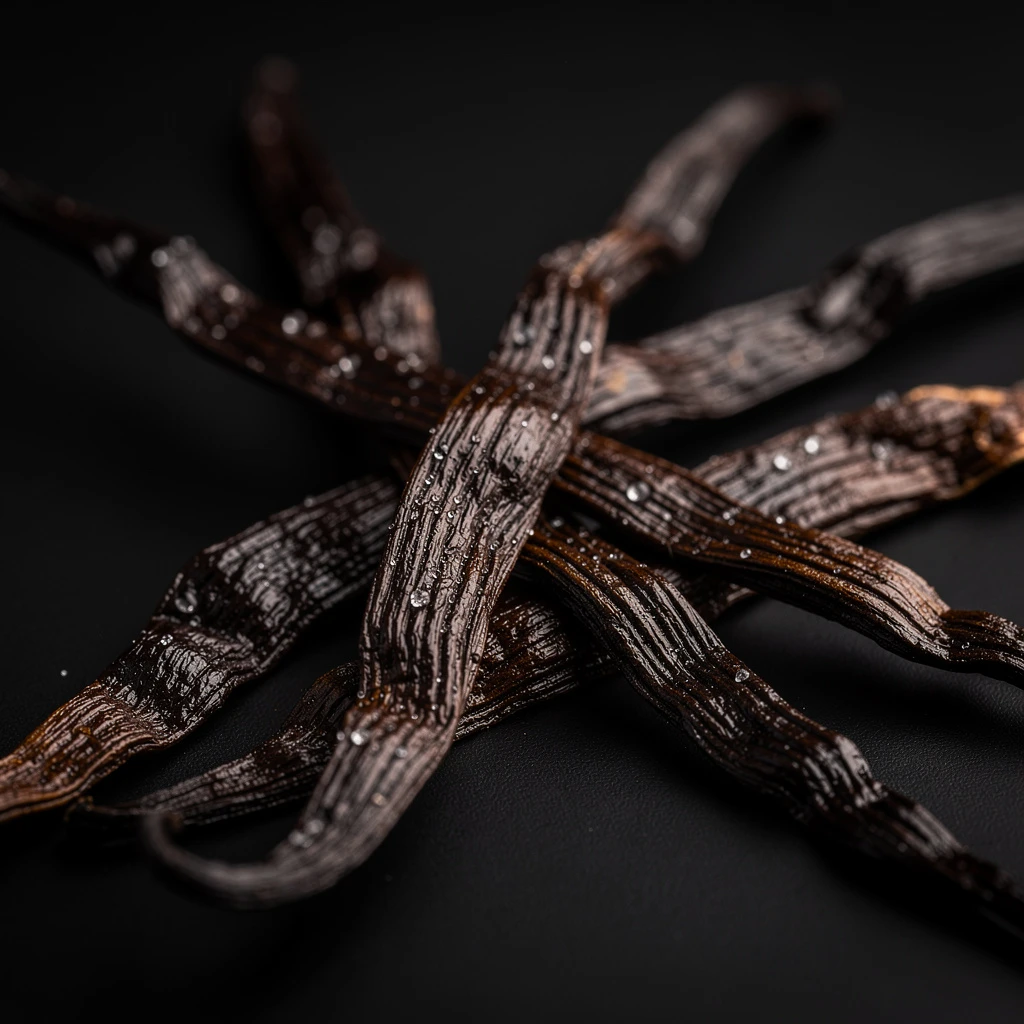
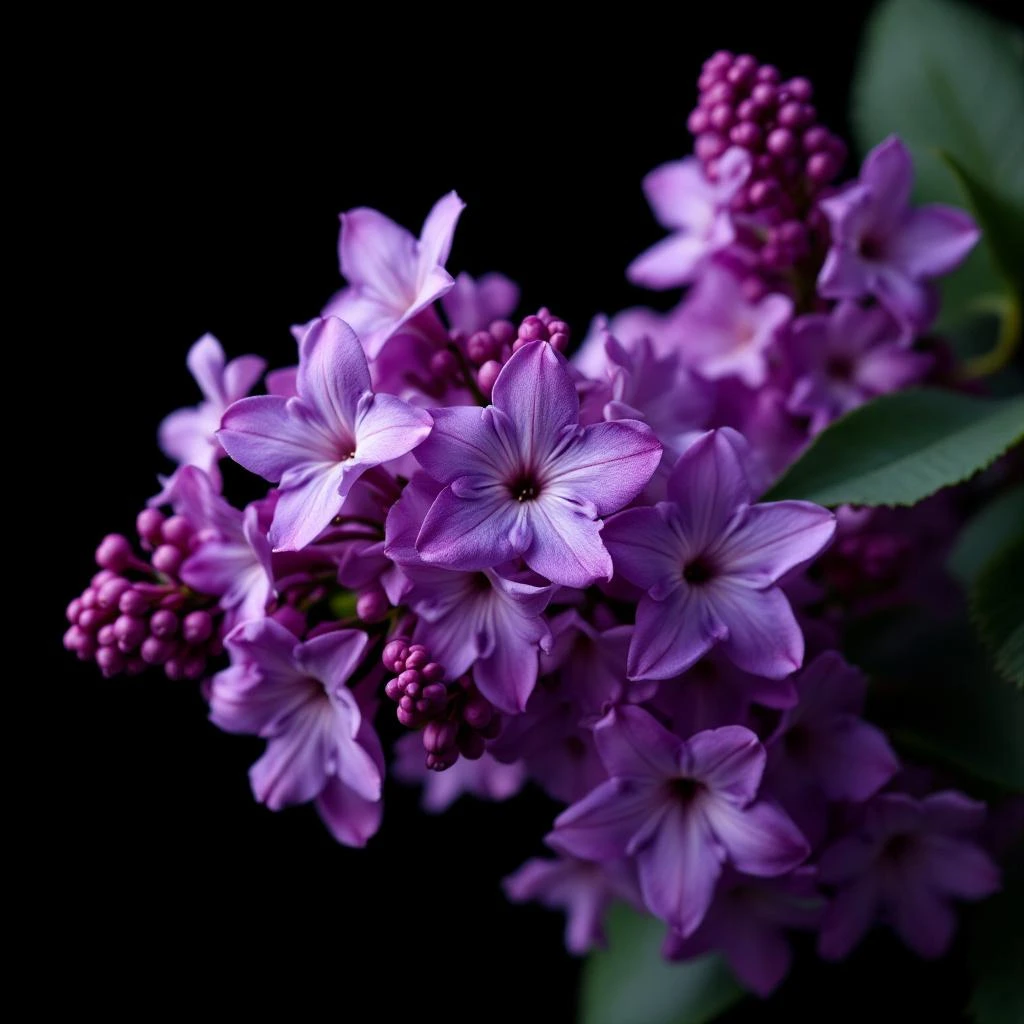
Desert lavender pairs sun-warmed herbs with lavender’s familiar floral clarity, evoking aromatic fields beneath dry, open skies.
Character
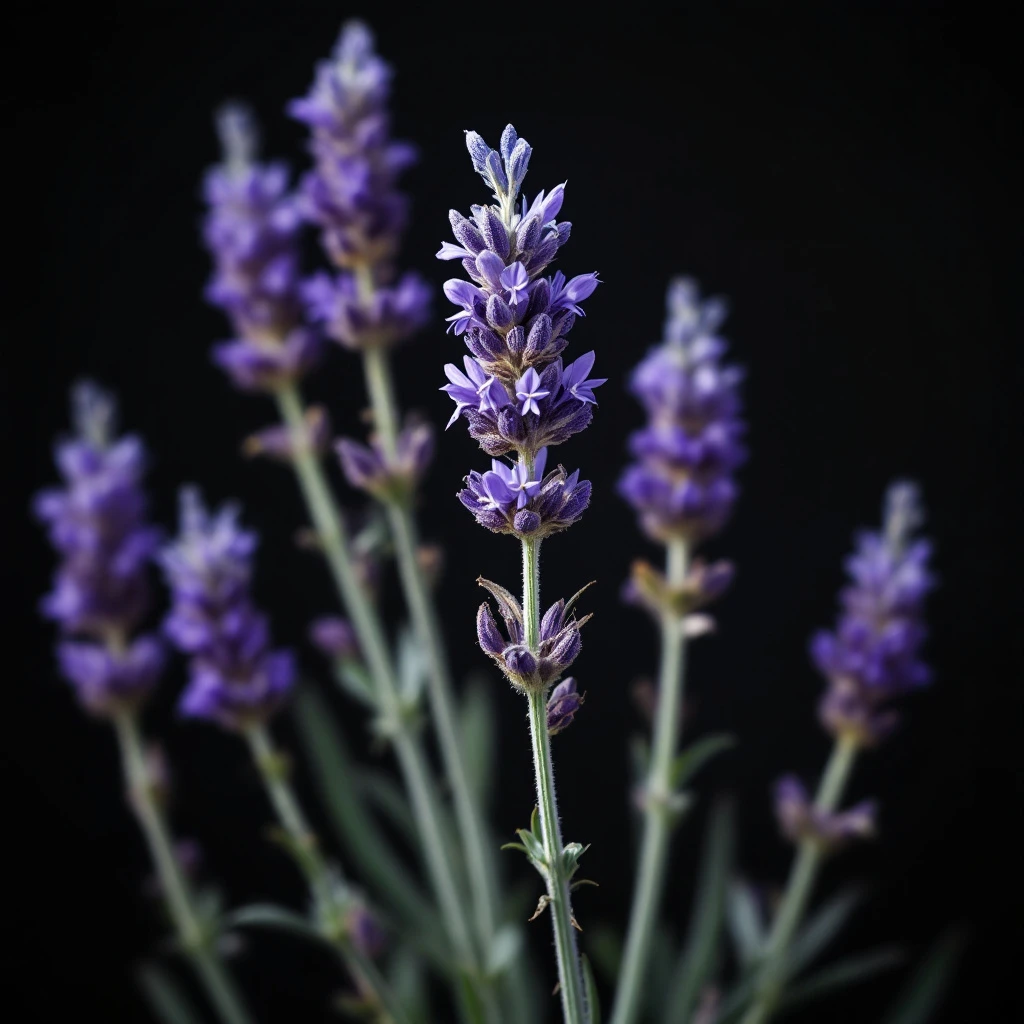
How it smells
Lavender under a dry, sunlit sky.
Lavender became a valued single-note scent in European perfumery by the eighteenth century, well before modern blended fragrances.
Origin
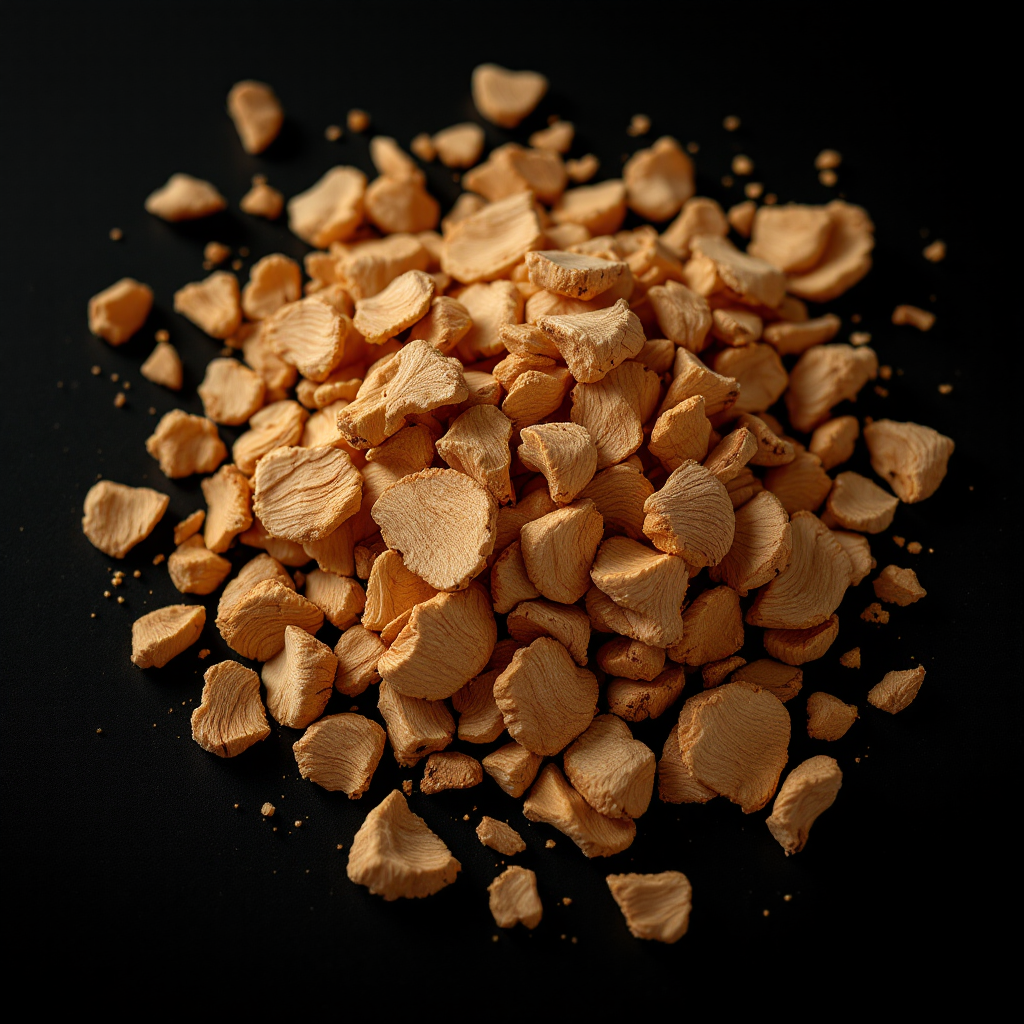
France
Lavender has a long history as both a fragrant plant and an ingredient in scented preparations. Records from ancient Egypt describe fragrant oils and ointments, while later traditions associated lavender with bathing, linens, cosmetics, and medicine. Its cultivation spread around the Mediterranean, and the plant became closely linked with Provence and the French perfume center of Grasse.
By the eighteenth century, lavender was used widely in European perfumery, both as a popular standalone scent and as a component of composed fragrances. Lavender essential oil became especially important to scented products, cosmetics, and domestic preparations. In modern perfumery, its clean floral character anchors many aromatic compositions, from lavender waters to fougère and amber structures.
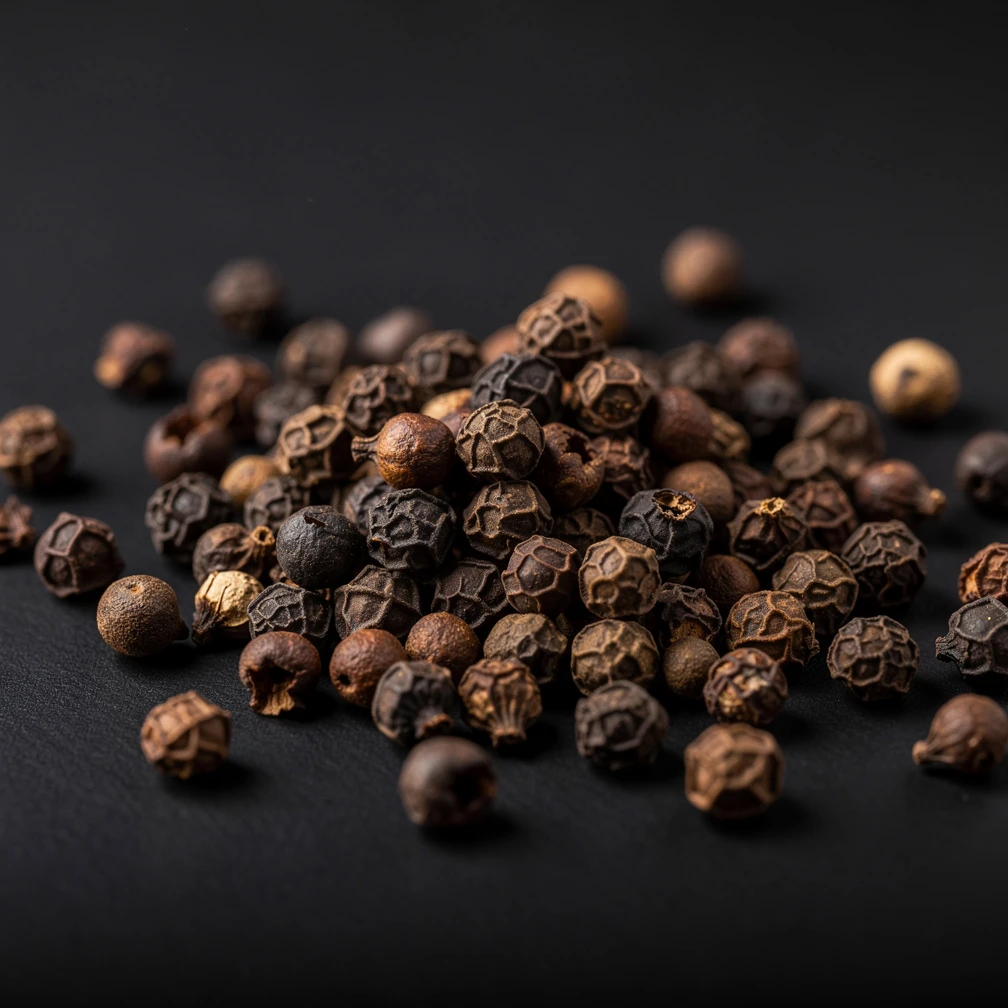
Desert lavender draws on that established heritage while shifting the emphasis toward drier herbs, sunlit woods, and the impression of heat rising from aromatic fields.
Wears it best
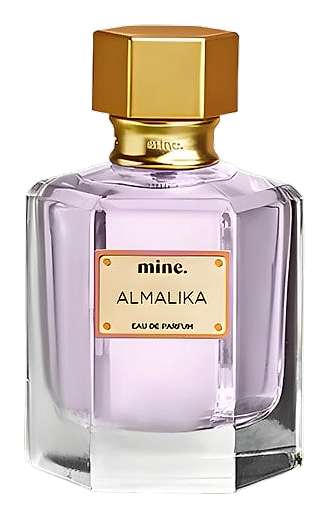
Fragrances featuring Desert Lavender
Brands
Brands known for Desert Lavender
Good to know
Questions, answered
The essentials on Desert Lavender in perfumery: how it smells, where it comes from, and how it behaves on skin.
What does desert lavender smell like?
Desert lavender smells like clean lavender flowers crossed with dry herbs, warm wood, and a faint coolness. It suggests a sunny, arid field rather than a dense floral bouquet.
Is desert lavender a real plant?
Desert lavender is usually a fragrance note inspired by lavender, not a distinct botanical species. It combines conventional lavender character with dry, woody, and aromatic facets.
Where does lavender come from in perfumery?
Modern lavender cultivation is closely associated with Provence in southern France, especially around Grasse. The Mediterranean region remains central to the ingredient’s cultural and commercial history.
How is lavender essential oil produced?
Producers commonly steam-distill fresh flowering stems, forcing vapor through the plant material and collecting the condensed essential oil. The process preserves lavender’s floral core and naturally occurring herbal edges.
Which part of the lavender plant is used for perfume?
Perfume makers use the flower heads and upper flowering stems, where the plant’s aromatic oils are concentrated. Leaves and woody stems may also contribute to the character of steam-distilled oil.
When did lavender become important in European perfumery?
By the eighteenth century, lavender had become a major ingredient in European perfumery. It appeared both as a popular single-note scent and within blended compositions.
Is desert lavender the same as ordinary lavender?
No. Ordinary lavender emphasizes its recognizable floral profile, while desert lavender adds drier woods, herbs, and resinous shadows to suggest heat, aridity, and open terrain.
How does desert lavender fit into a fragrance?
It commonly serves as a middle note, giving a composition a clear floral spine with herbal depth. Woods, resins, mosses, and amber often strengthen its dry desert character.