Daylily
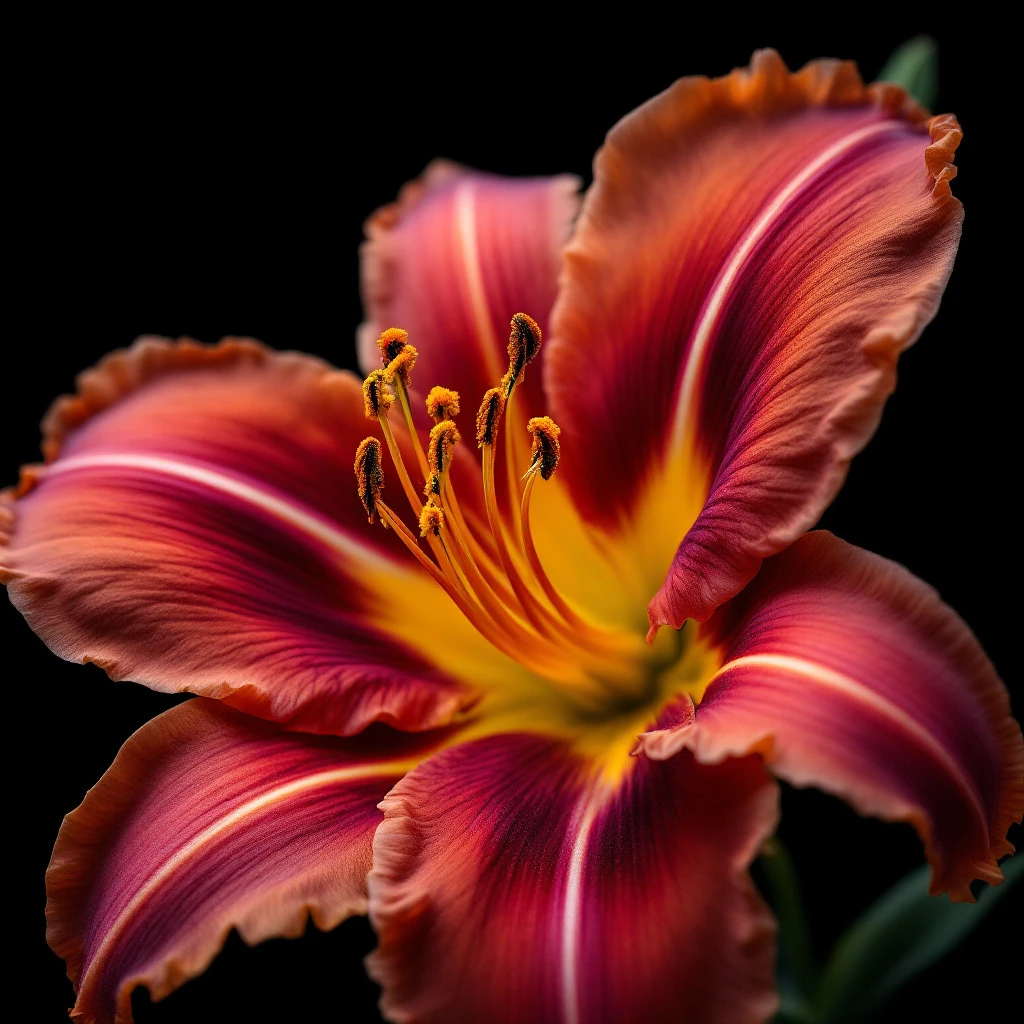
Daylily brings a delicate, ephemeral beauty to perfumery. Each blossom graces the garden for just a single day, yet its fragrance captures a fleeting freshness that perfumers have learned to preserve in absolute form.
Character
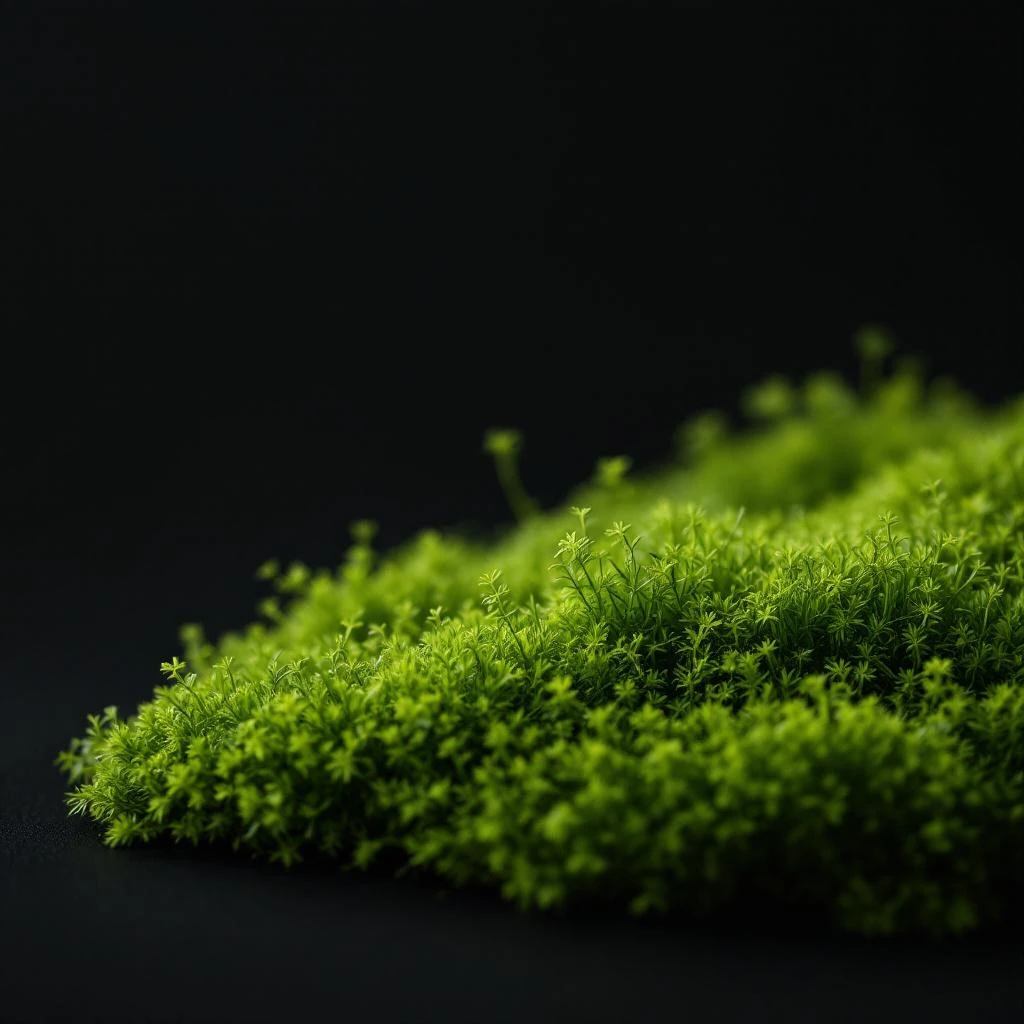
How it smells
A single day's bloom, a lasting impression.
Ancient Chinese healers used daylily flowers in remedies for insomnia and depression, long before perfumers discovered their subtle, green-floral scent.




Origin
China
Daylily flowers have been cultivated across East Asia for over three thousand years, primarily in China, Japan, and Korea. Chinese gardeners developed hundreds of varieties for ornamental and culinary purposes, recording their uses in classical texts. The flowers appeared in religious offerings and festive decorations long before perfumers took notice.
Western botanical explorers brought Hemerocallis species to Europe in the 16th century, where they became popular garden plants but saw limited perfumery use. Asian perfumers, however, had long valued daylily's fresh, clean scent for ceremonial incense and scented waters. The modern fragrance industry began exploring daylily as a sustainable alternative to more expensive floral absolutes during the late 20th century, when cultivation expanded in China and Japan.
Today, daylily remains a niche ingredient, prized by perfumers seeking fresh, green floral effects that evoke morning gardens.
Wears it best
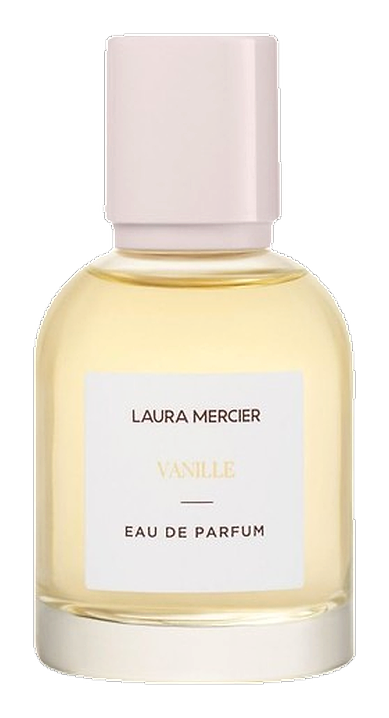
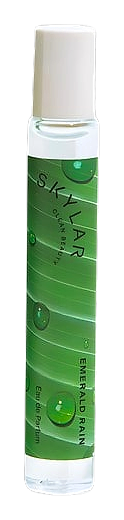
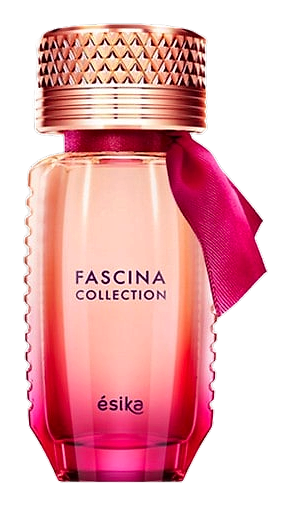
Fragrances featuring Daylily
Brands
Brands known for Daylily
Good to know
Questions, answered
The essentials on Daylily in perfumery: how it smells, where it comes from, and how it behaves on skin.
Is daylily absolute commonly found in commercial perfumes?
Daylily appears infrequently in commercial fragrances, typically as a supporting floral note rather than a focal point. Its subtle scent profile makes it better suited for blend composition than standalone use.
What does daylily smell like?
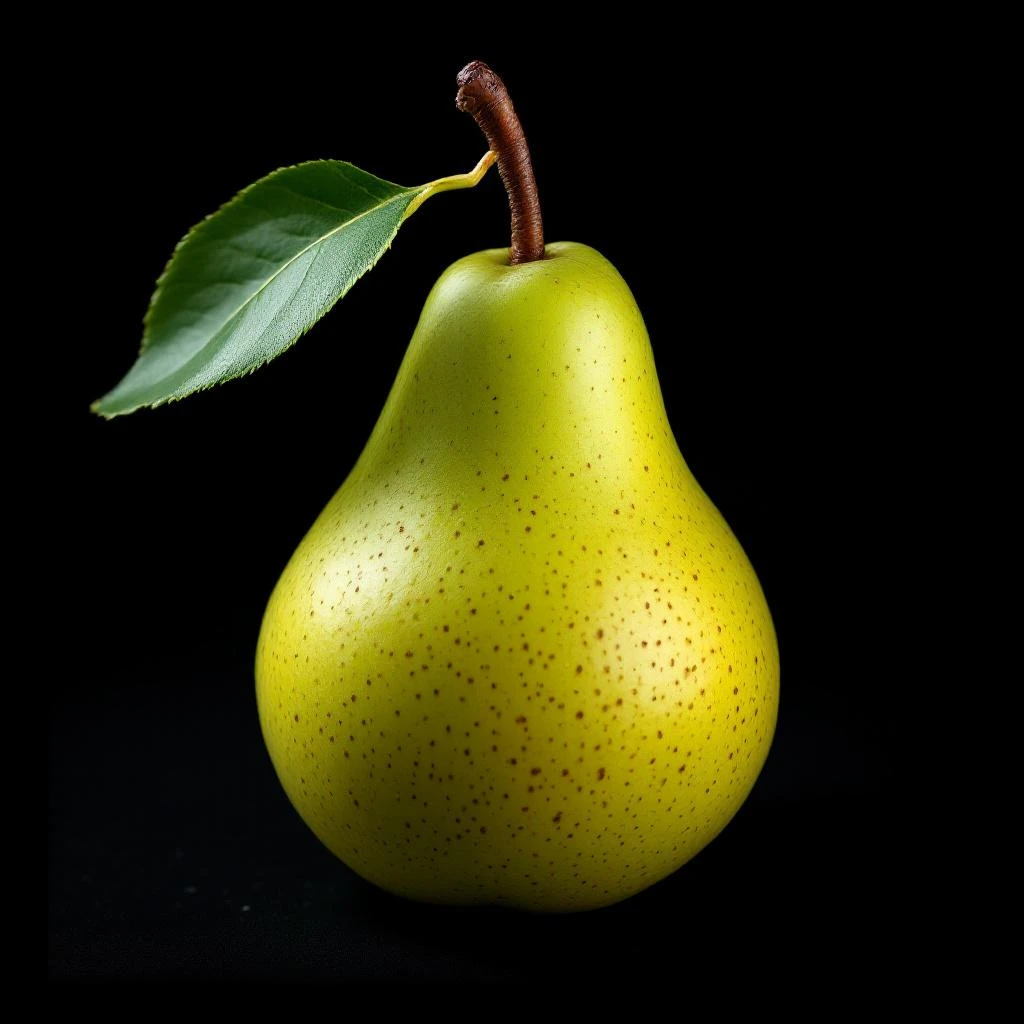
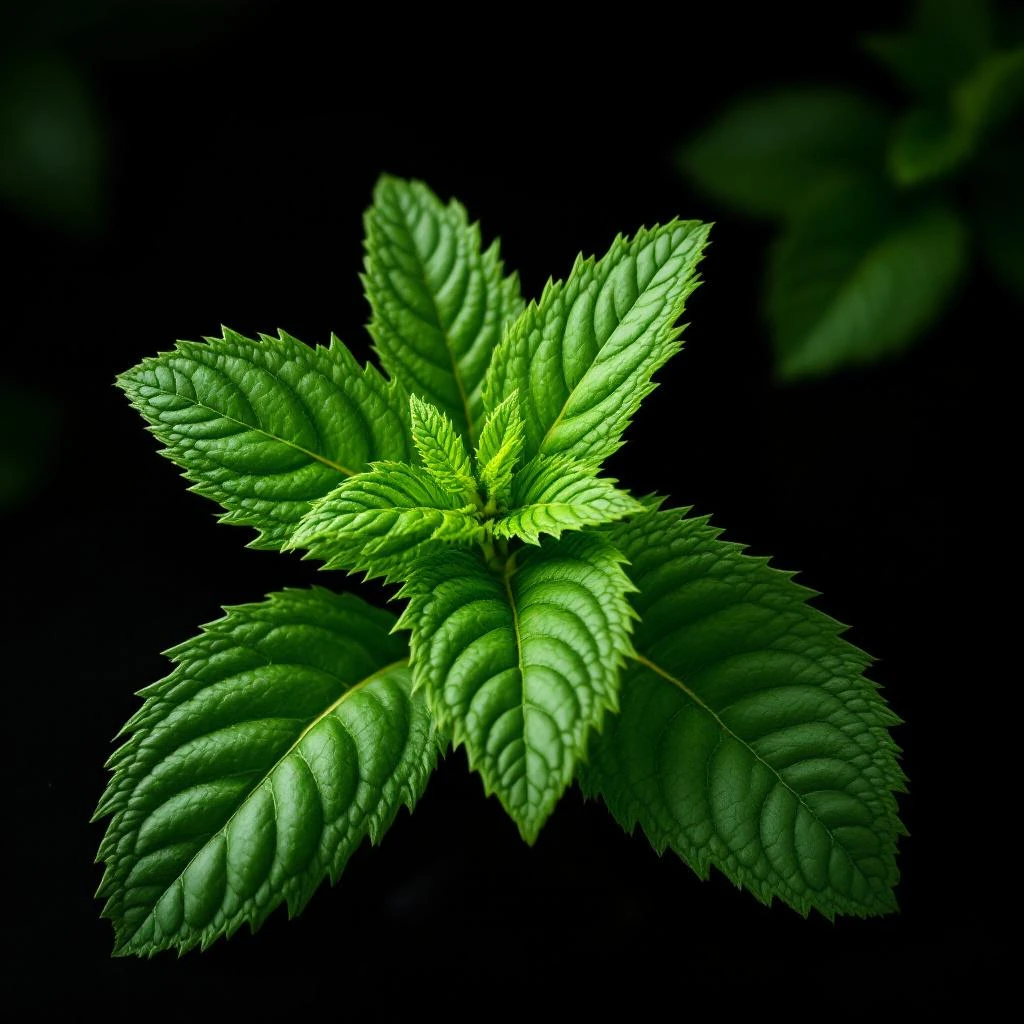
Daylily absolute presents a fresh, green-floral character with subtle honey sweetness. The scent evokes morning gardens, fresh-cut stems, and lightly sweet blossom notes rather than heavy floral intensity.
Can daylily be extracted using steam distillation?
Steam distillation damages daylily's delicate aromatic molecules, yielding minimal odor impact. Solvent extraction preserves the fragrance profile more effectively, though some producers experiment with CO2 extraction.
Are synthetic alternatives available for daylily?
Nature-identical aroma chemicals can approximate daylily's fresh, green-floral qualities, but no single synthetic replicates the full complexity of the natural absolute. Perfumers often combine multiple materials to achieve daylily-like effects.
Is daylily the same as lily or lily of the valley?
No. Daylily belongs to the Hemerocallis genus, while lily of the valley is Convallaria majalis and true lilies belong to Lilium. All share common names but differ botanically and aromatically.
Which countries produce daylily for perfumery?
China leads production, particularly in provinces where ornamental horticulture is established. Japan and Korea also cultivate daylily varieties suited to fragrance extraction, though volumes remain modest.
Does daylily cultivation impact the environment?
Daylily cultivation generally requires moderate water and minimal pesticides compared to intensive floral crops. The plants are perennial, reducing soil disturbance from annual replanting.
How much daylily absolute can be obtained from fresh flowers?
Extraction yields vary by variety and processing conditions, but several hundred kilograms of fresh daylily blooms typically yield only a few kilograms of absolute, reflecting the ingredient's rarity.





