
The Story
Why it exists.
The beginning
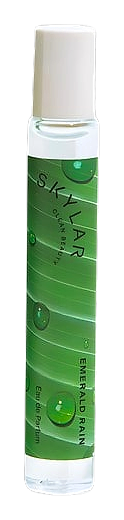
Sarah Horowitz designed Emerald Rain around a specific kind of morning, the one after rain has fallen on green things and the air still carries that cool, electric freshness. The name is literal: emerald for the green depth, rain for the opening accord that sets the tone. Horowitz pulled from fougère structures and aquatic chemistry to create something that smells like stepping outside after a storm, not like perfume trying to smell like rain. Pear blossom keeps the opening from going completely mineral, and mint gives it that sharp, immediate cool that makes the whole thing feel awake. This is a fragrance about the moment between, between seasons, between weather patterns, between the brightness of top notes and the depth of what stays behind.
The rain accord in the opening is the key to everything. On its own, aquatics can smell like hotel lobby or laundry detergent, generic, sanitized. Here, the rain accord is anchored by fougère notes, the herbal, slightly bitter quality of ferns and moss, which gives it structure instead of just freshness. The moss in the heart isn't decorative. It's what keeps the green from being grassy or sharp. Combined with vetiver in the base, it creates an earthy column that runs through the entire wear, so even when the mint fades and the florals soften, there's still something grounded underneath. Daylily adds a whisper of floral without sweetness, and pink pepper keeps the heart from going completely cool.
The evolution
The opening hits fast, rain accord and mint arriving together, a cool brightness that doesn't linger. Pear blossom fades within the first few minutes, leaving the mint and the fern structure to take over. By the heart, the moss arrives and shifts the character from aquatic to verdant. Wet earth. Green stems. The pink pepper sits underneath, barely noticeable as spice, more present as warmth that keeps the heart from going completely cold. The drydown is where Emerald Rain earns its name. Sandalwood softens everything, musk adds skin-like warmth, and vetiver anchors the whole thing into a quiet, earthy close that lingers for hours. What stays on skin the next morning is a dewy green impression, not loud, not synthetic, just the memory of a garden after rain.
Cultural impact
Green fragrances occupy a specific corner of the market, for people who want freshness but find most aquatics too flat, too synthetic, too forgettable. Emerald Rain sits in that space without apology. It's not trying to compete with heavy florals or bold orientals. It's for the person who wants something present but not demanding, something that smells like a place and a moment rather than a concept. The unisex positioning reflects how fragrance has moved, scents don't belong to genders, they belong to moods. Emerald Rain is for the mood that wants green without sharpness, aquatic without emptiness, and a drydown that lingers without projecting.