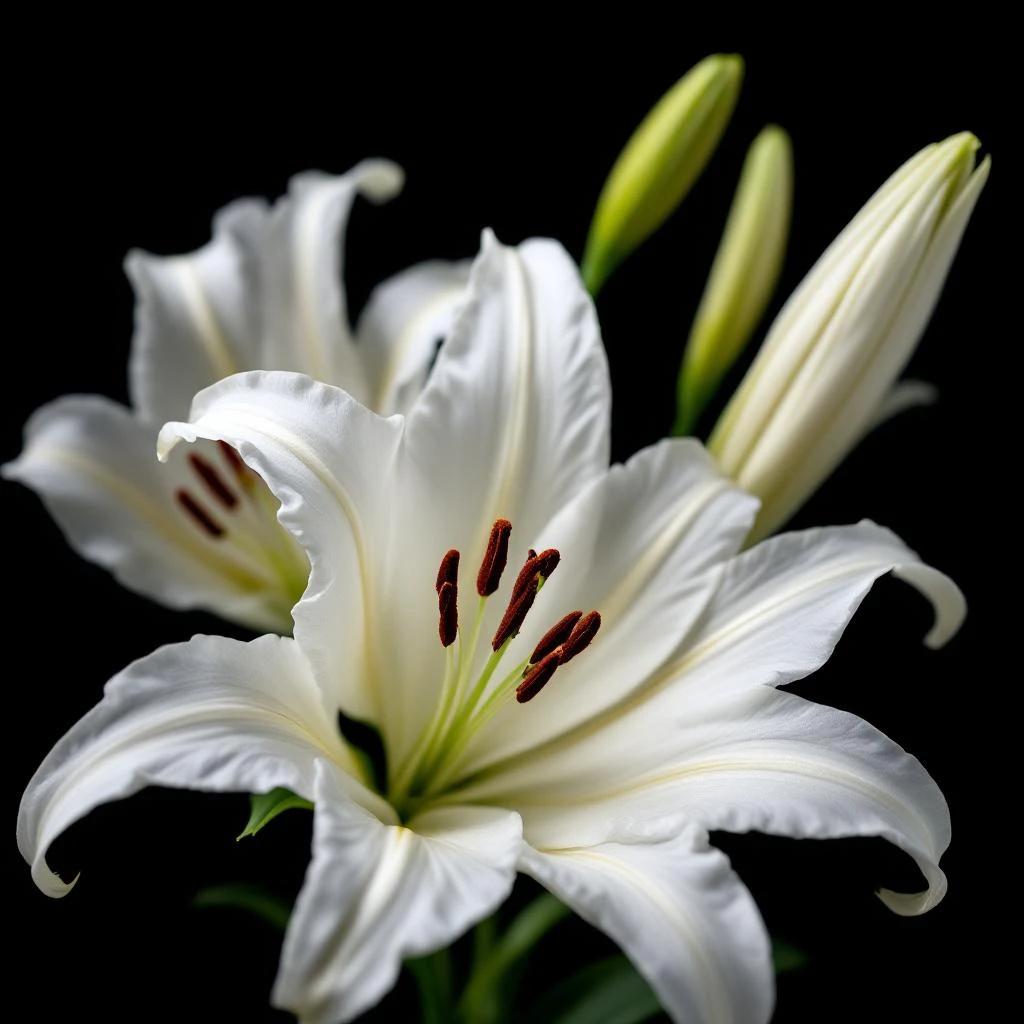
Cucumber Flower
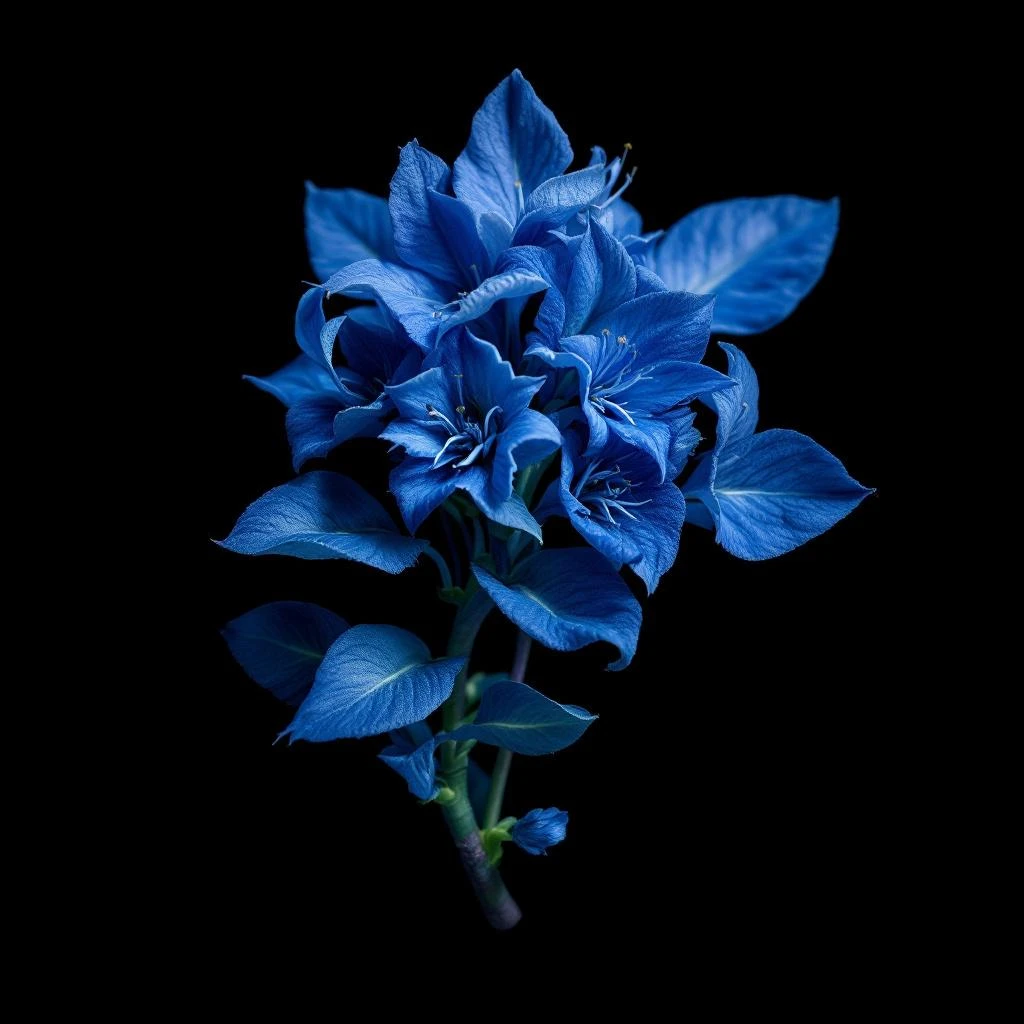
A dewy, green floral that captures the moment a cucumber blossom opens at dawn: cool, clean, and quietly radiant. This modern perfumery material brings a natural freshness that synthetic chemistry made possible.
Character
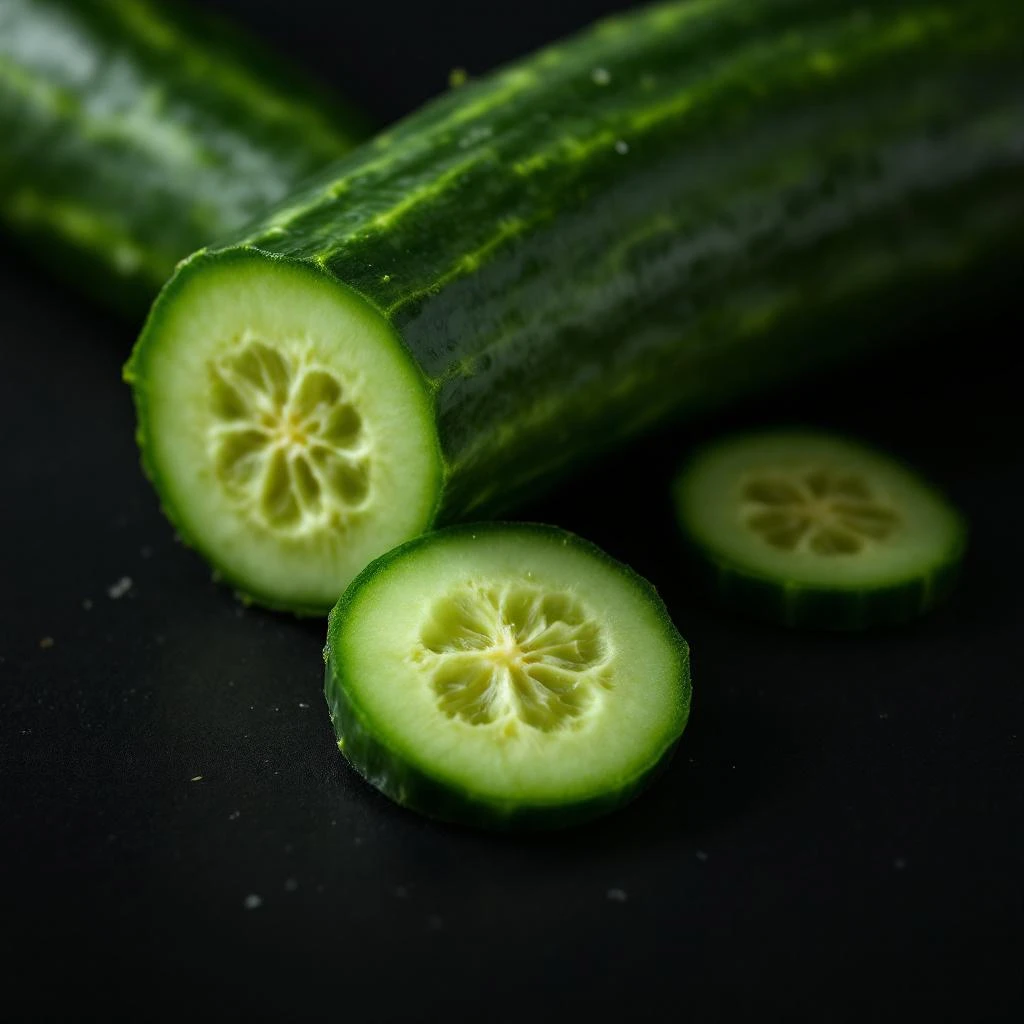
How it smells
Cool, green, and quietly radiant.
The first synthetic cucumber aldehyde appeared in perfumery only in the 1970s, decades after most classic florals entered the lexicon.

Origin
India
Cucumber has fed civilizations for over 3,000 years, originating in India before spreading along trade routes to the Mediterranean. Yet the cucumber flower itself remained outside perfumery's reach until the 20th century. The plant's delicate white-to-yellow blossoms carry a fleeting fragrance that traditional extraction methods could not preserve.
For most of perfumery's documented history, creators sought cucumber's watery freshness through other means, particularly through cooling musks and green aldehydes. The 1970s marked a turning point when Swiss and French aroma chemical houses successfully synthesized cucumber aldehyde. This breakthrough allowed perfumers to capture the flower itself, not just its vegetable fruit.
Suddenly, the transparent, dewy quality of a morning cucumber blossom became available to formulators worldwide, enabling a generation of fresh, aquatic fragrances that followed.
Wears it best
Fragrances featuring Cucumber Flower
Brands
Brands known for Cucumber Flower
Good to know
Questions, answered
The essentials on Cucumber Flower in perfumery: how it smells, where it comes from, and how it behaves on skin.
Is cucumber flower a natural or synthetic ingredient?
Cucumber flower in perfumery is almost always synthetic. Natural cucumber absolute exists but remains prohibitively expensive, so modern perfumers use synthetic cucumber aldehydes developed in the 1970s.
What does cucumber flower smell like?
Cucumber flower delivers a cool, watery, green scent with subtle floral undertones. It reads as fresh, dewy, and slightly sweet, reminiscent of a just-cut cucumber with a hint of blossom.
When was cucumber aldehyde first used in perfume?
The first synthetic cucumber aldehydes entered perfumery in the 1970s, with Givaudan and Firmenich among the original producers of these materials.
What fragrance families use cucumber flower?
Cucumber flower appears primarily in fresh, aquatic, and green fragrances. It works as a bridge between watery and floral notes, adding natural freshness without the soapy quality of traditional green notes.
Can you extract fragrance from actual cucumber flowers?
Yes, but the yield is minimal and the cost is prohibitive for most commercial applications. Solvent extraction of cucumber flowers can produce an absolute, but this remains rare in mainstream perfumery.
What other ingredients pair well with cucumber flower?
Cucumber flower blends naturally with marine notes, white musks, light florals like lily of the valley, and green materials such as galbanum. It also pairs well with透明透明的 woody bases.
Does cucumber flower have good lasting power in formulas?
Cucumber aldehydes typically function as top to heart notes, providing immediate freshness that may fade within the first hour. Fixatives like white musk or ambroxan help extend its presence.
What is the botanical origin of cucumber used in perfumery research?
The cultivated cucumber (Cucumis sativus) traces its origins to India, where it has been grown for over 3,000 years. Wild ancestors still grow in parts of South and Southeast Asia.