Copaifera Resin
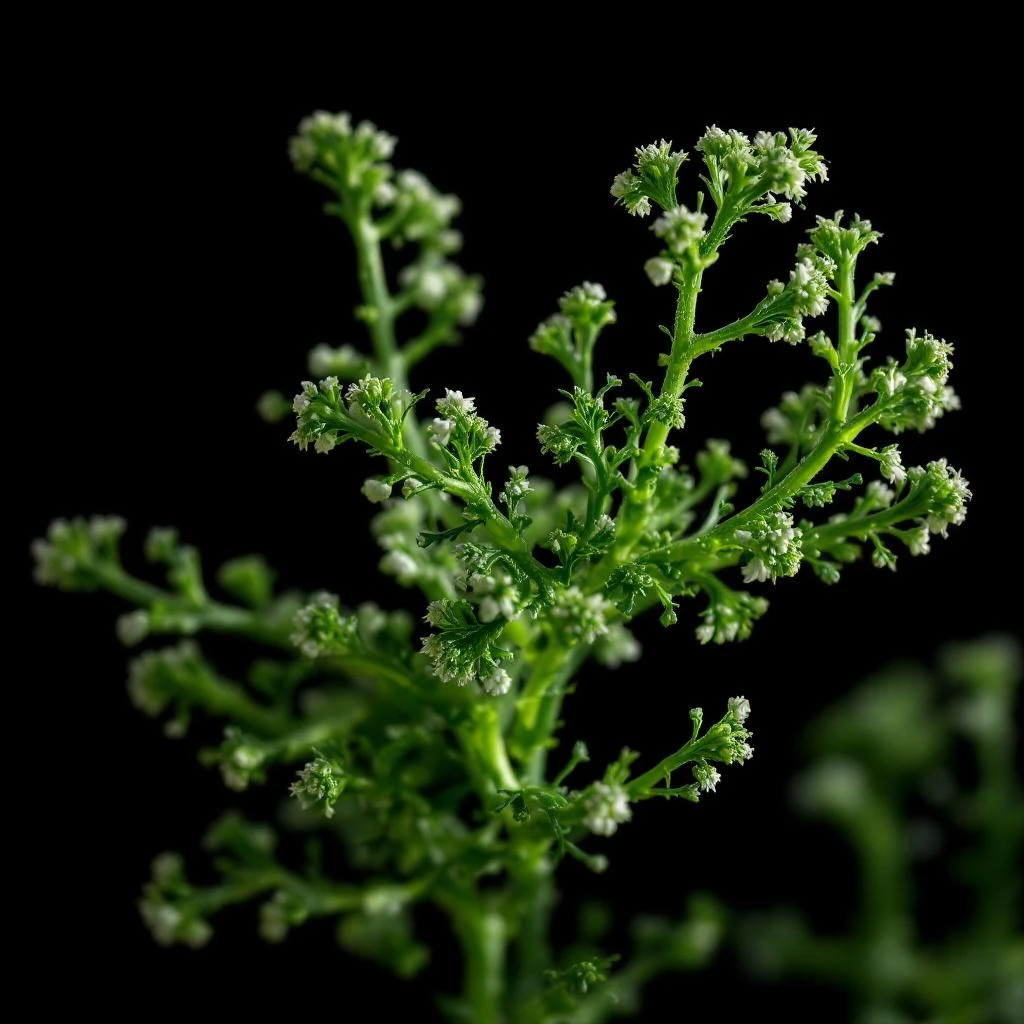
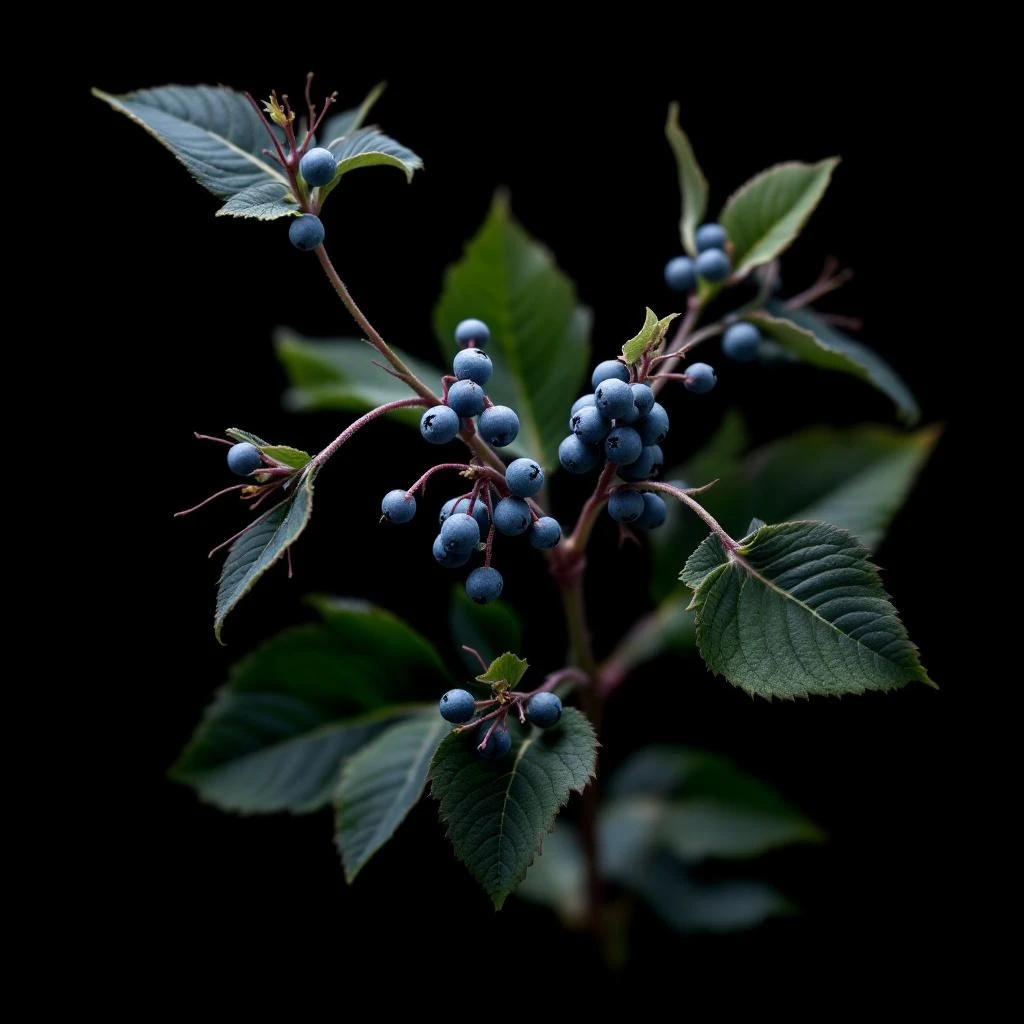
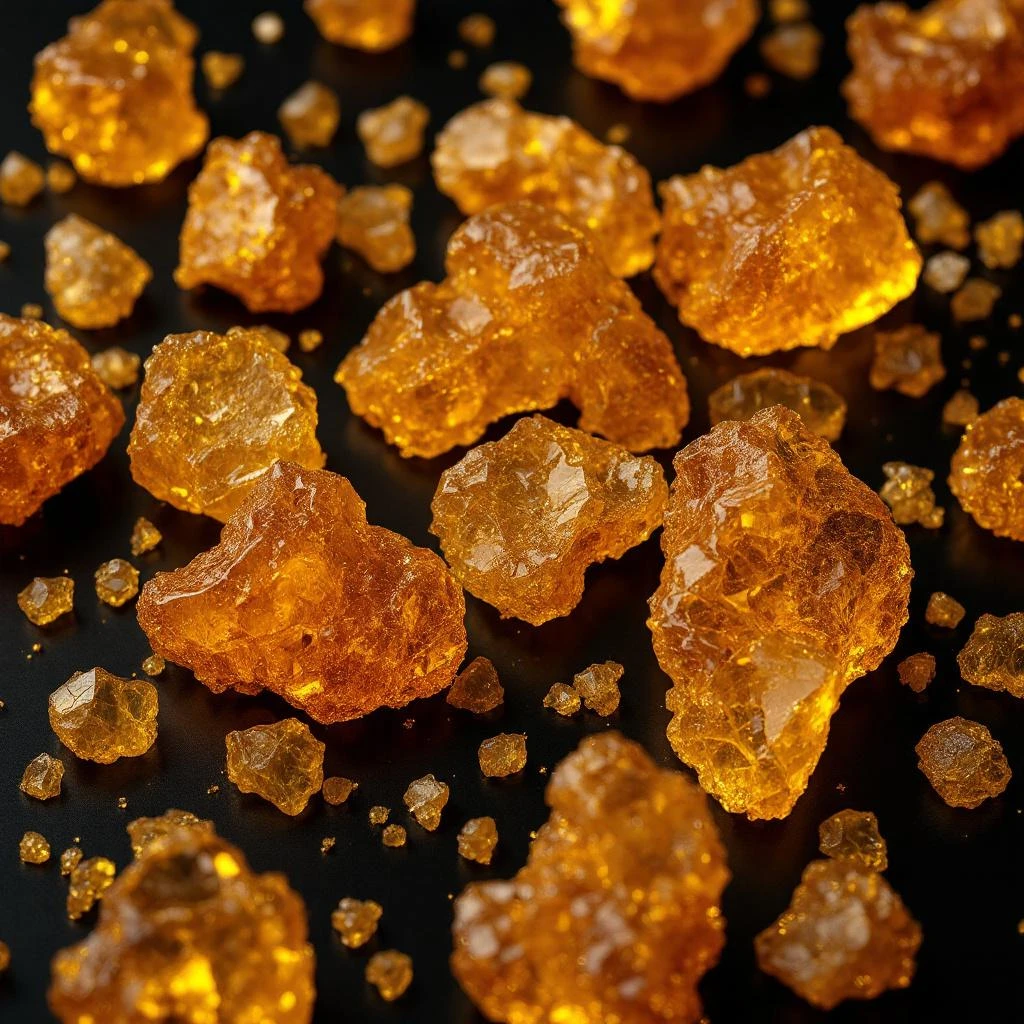
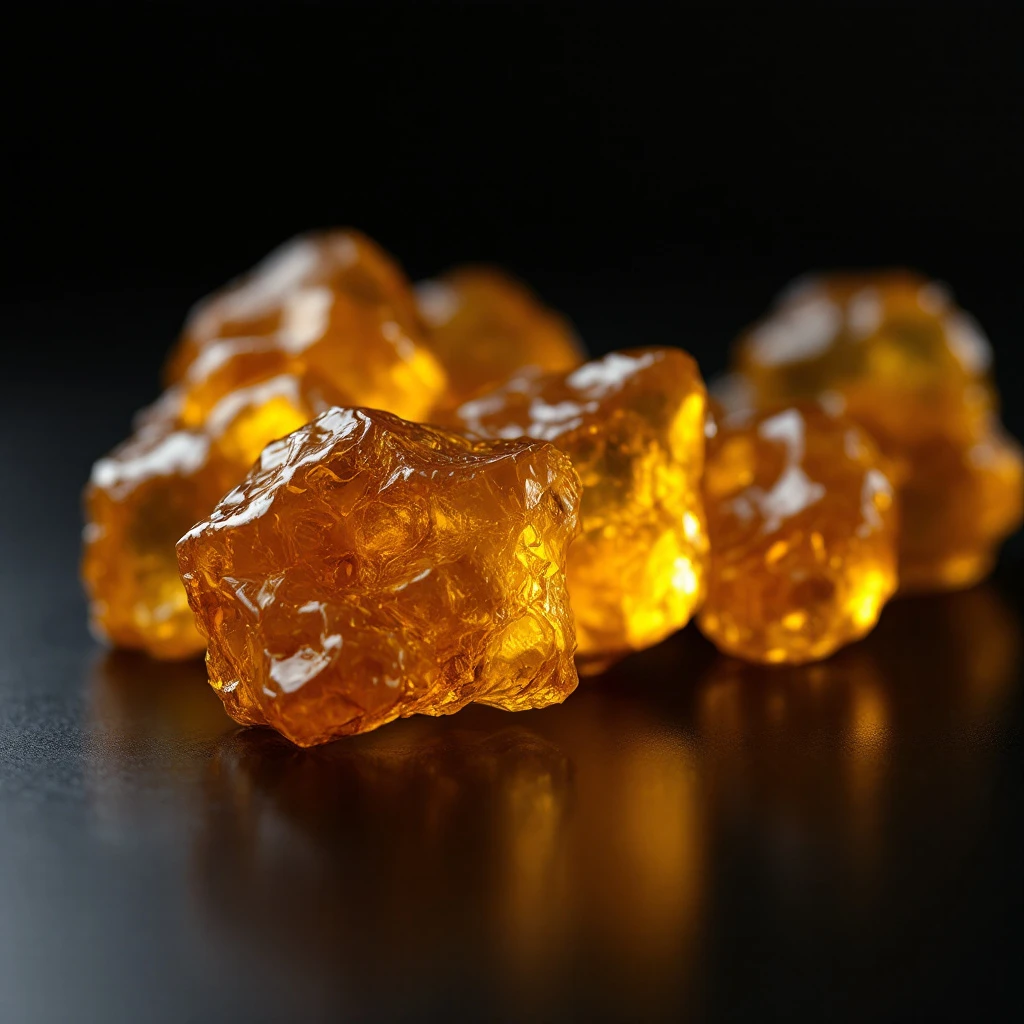
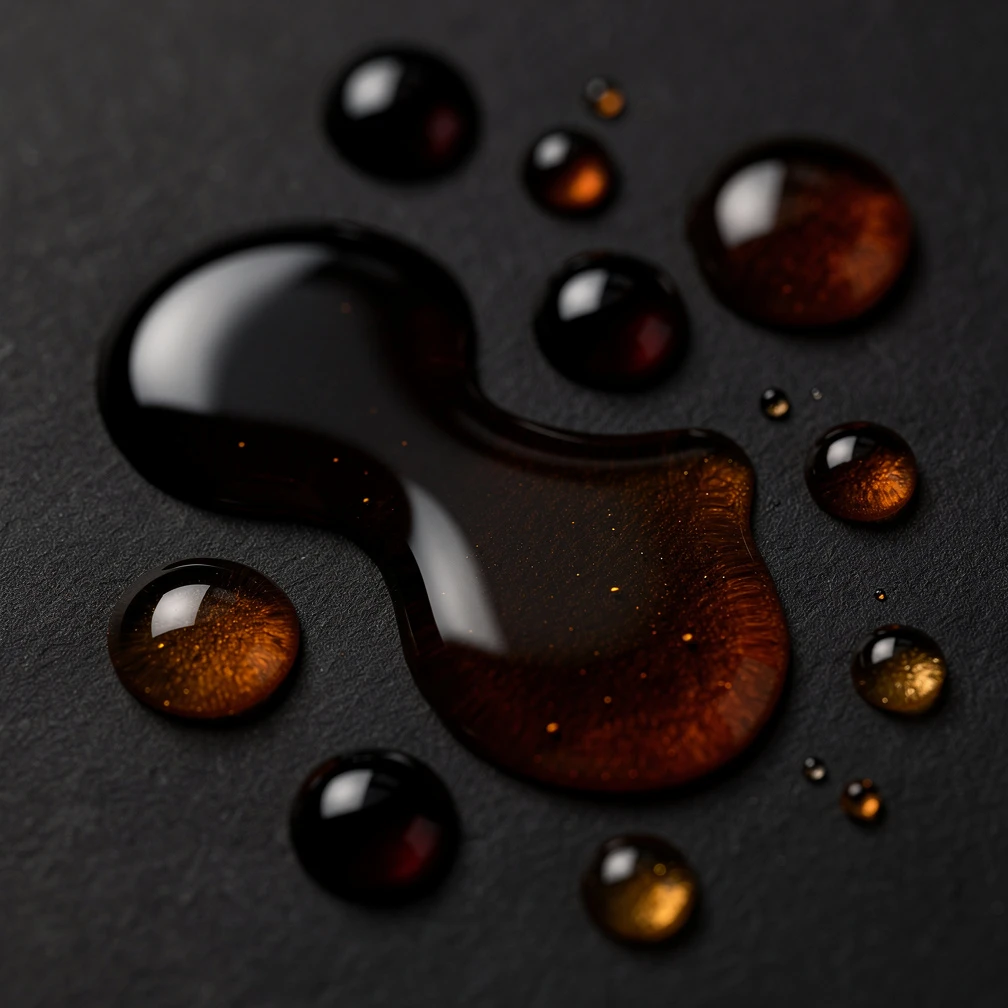
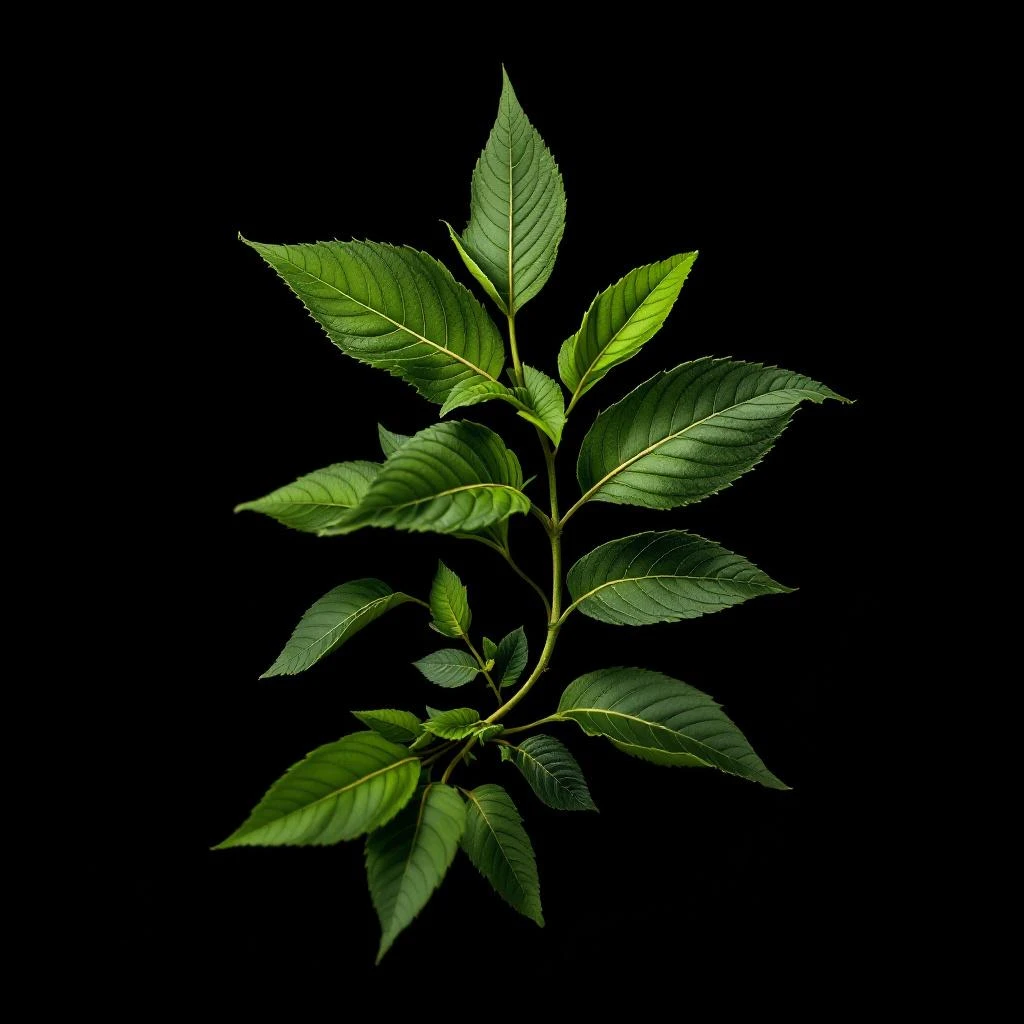
Copaifera Resin, the golden oleoresin tapped from South America's Copaiba trees, delivers a warm, balsamic sweetness prized in perfumery since the 1600s.
Character
How it smells
Liquid gold from ancient trunks.
A single Copaiba tree can yield 40 liters of oleoresin annually, making Brazil's output reach roughly 500 tons per year.




Origin
Brazil
Indigenous peoples across the Amazon basin recognized Copaiba resin long before European contact. Amazonian tribes tapped the trees for wound care, inflammation, and ritual use, traditions documented among groups in Brazil, Peru, and Venezuela. When Portuguese and Spanish colonists arrived in the 16th and 17th centuries, they quickly adopted the resin, shipping it back to Europe as a medicinal balsam and a fragrance ingredient.
By the 1600s, Copaiba appeared in European pharmacopoeias, prescribed for urinary complaints, respiratory ailments, and skin conditions. Its aromatic properties drew the attention of early perfumers, who valued its warm, persistent character as a base note and fixative. European varnish makers also adopted it, exploiting its solvent-like clarity and slow drying time.
Today, Copaifera officinalis resin holds a documented place in cosmetic ingredient databases worldwide, sustaining centuries-old trade routes between Amazonian forests and global fragrance houses.
Wears it best
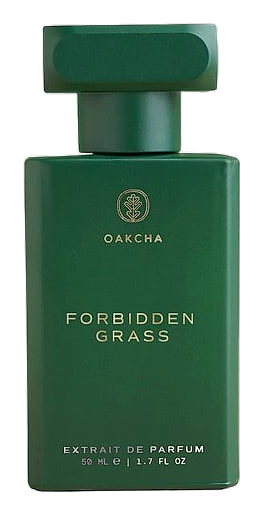
Fragrances featuring Copaifera Resin
Brands
Brands known for Copaifera Resin
Good to know
Questions, answered
The essentials on Copaifera Resin in perfumery: how it smells, where it comes from, and how it behaves on skin.
What does Copaifera Resin smell like in perfume?
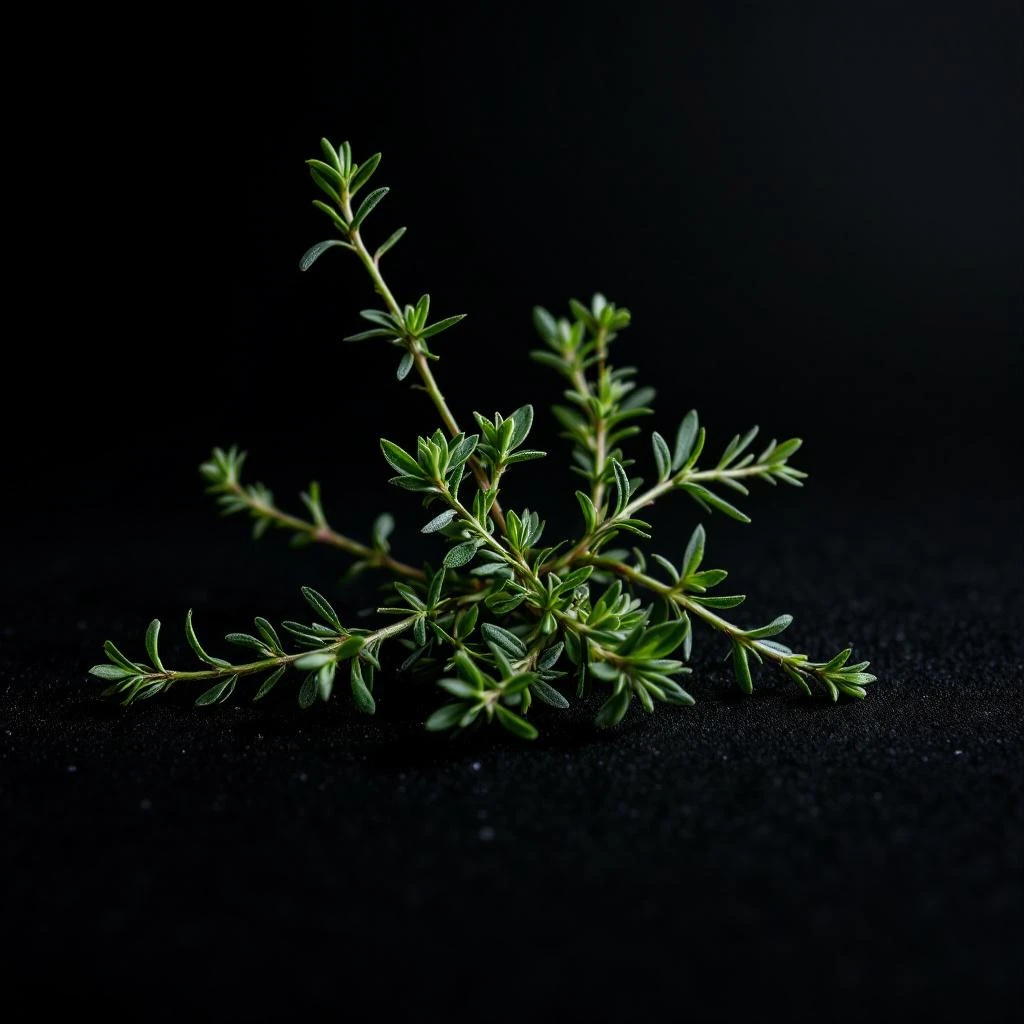
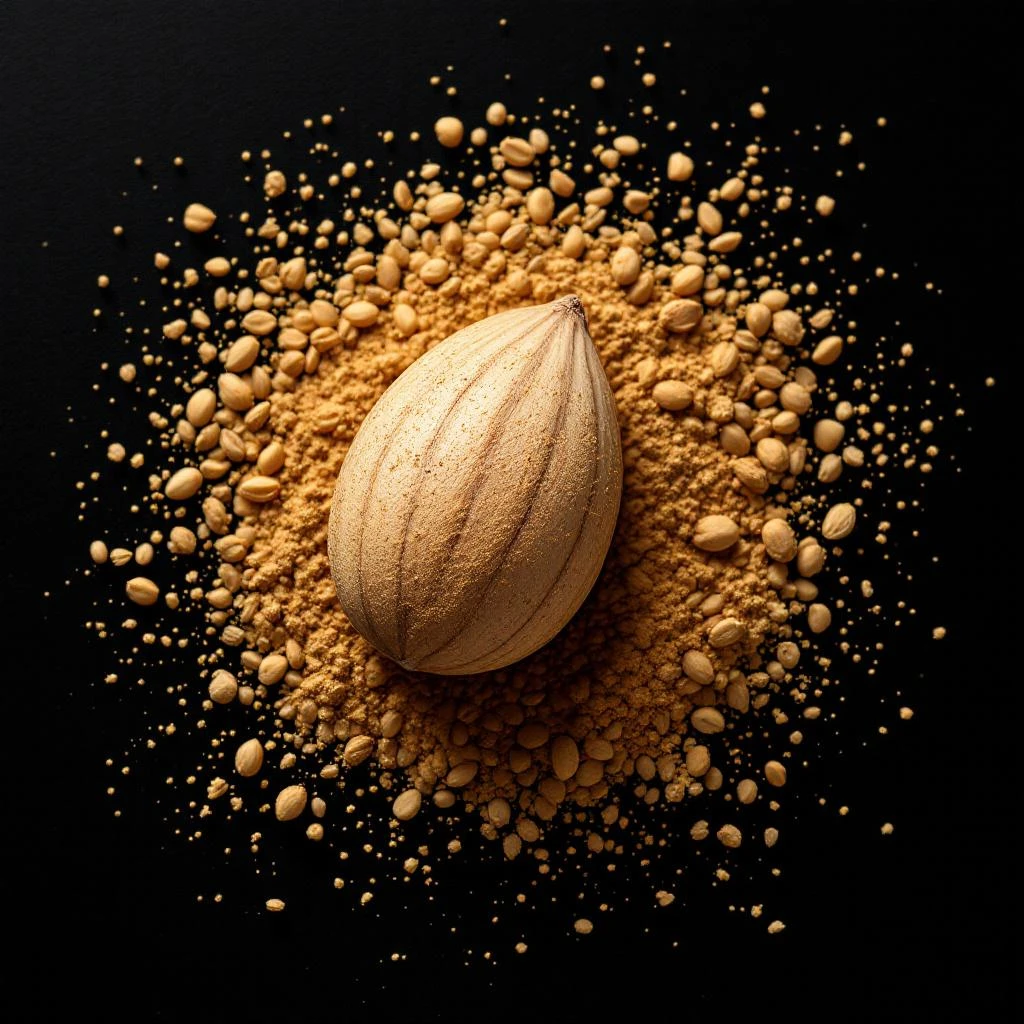
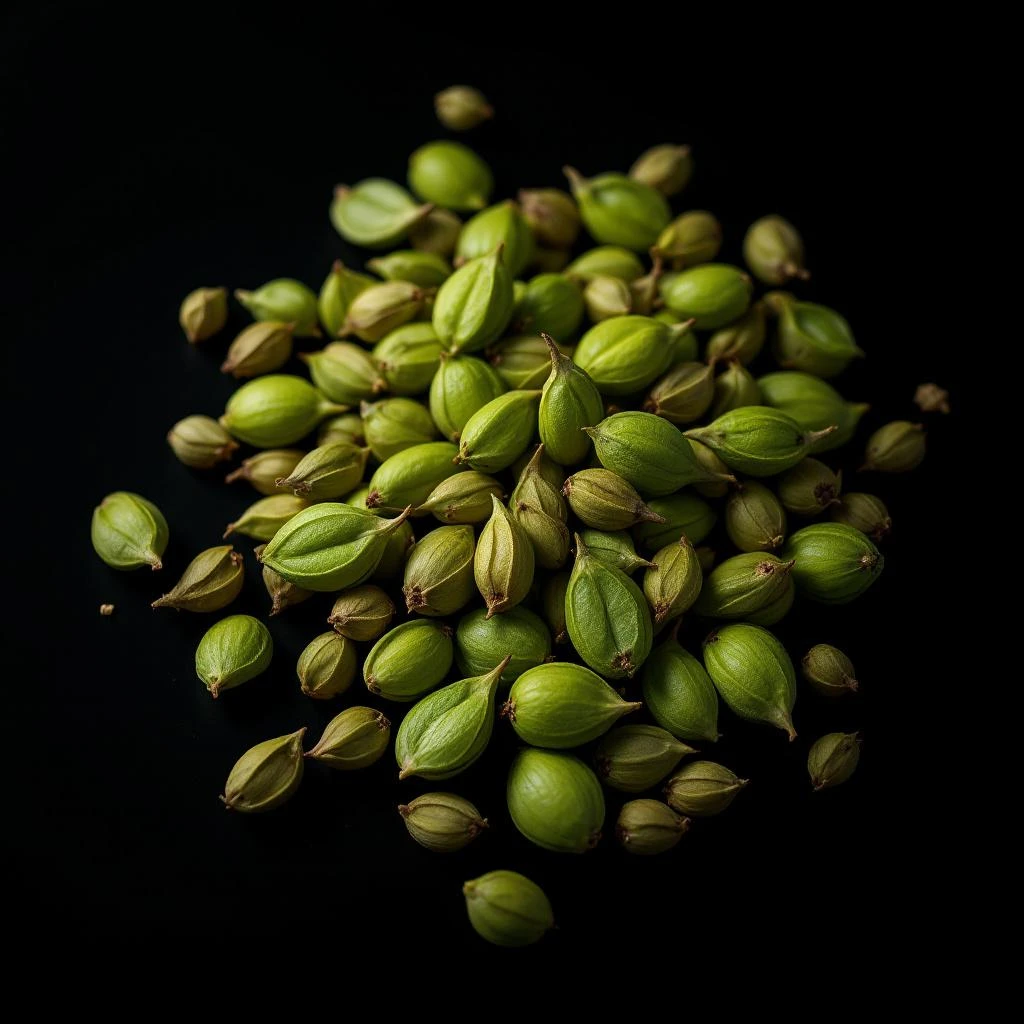
Copaifera Resin carries a warm, balsamic sweetness with woody and faintly peppery undertones. It functions as a base note, adding depth and longevity to oriental, woody, and amber compositions without dominating lighter top notes.
Is Copaifera the same as Copaiba?
Yes. Copaifera refers to the genus of trees that produce the oleoresin commonly called Copaiba. The resin itself is technically an oleoresin rather than a true balsam, though perfumers often use both terms interchangeably.
How is Copaifera Resin harvested sustainably?
Harvesters bore small holes into mature Copaifera trunks and collect the exudate passively. Trees are tapped selectively, with rotation cycles spanning multiple years to allow recovery. Brazil regulates wild harvest to protect forest ecosystems.
Why is Copaifera Resin used as a fixative?
The oleoresin's low volatility allows it to hold lighter, faster-evaporating notes in place on skin. Its natural resinous compounds slow the release of top and heart notes, extending overall fragrance performance.
When was Copaiba first used in European perfumery?
Portuguese and Spanish colonists introduced Copaiba resin to Europe during the 16th and 17th centuries. By the 1600s, it appeared in European pharmacopoeias and began influencing early fragrance formulations as a base ingredient.
Where does most Copaifera Resin come from today?
Brazil supplies the majority of commercial Copaifera resin, producing roughly 500 tons annually from Copaifera officinalis and related species. The Amazon basin remains the primary harvesting region.
Is Copaifera Resin safe for skin application?
Regulatory cosmetic databases list Copaifera Officinalis Resin as approved for use in fragrance formulations at standard concentrations. Patch testing is recommended for sensitive skin, as with any resin-derived ingredient.
How does Copaifera Resin differ from frankincense or myrrh?
Copaifera shares the warm, balsamic quality of frankincense and myrrh but offers a sweeter, less camphoraceous profile. It also yields far greater volumes per tree, making it a more abundant commercial resin.