Concord Grape
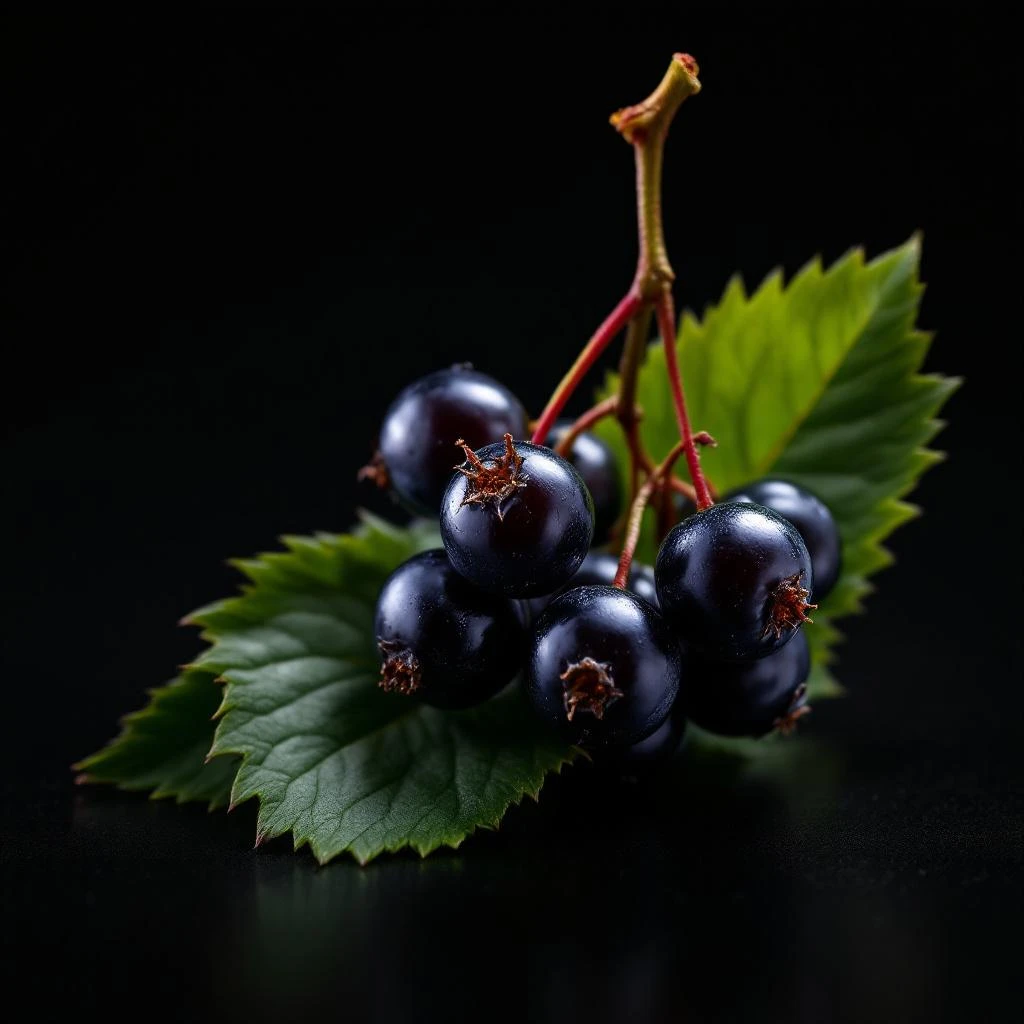
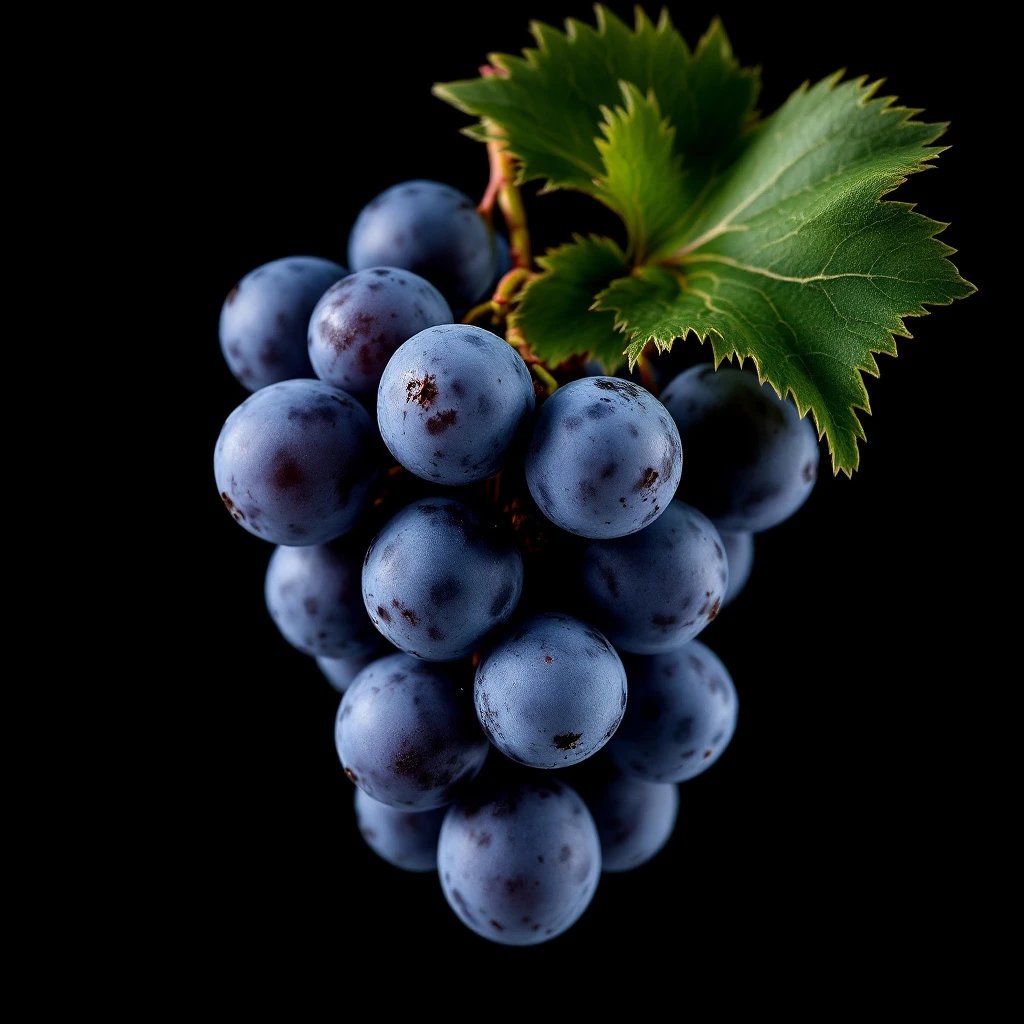
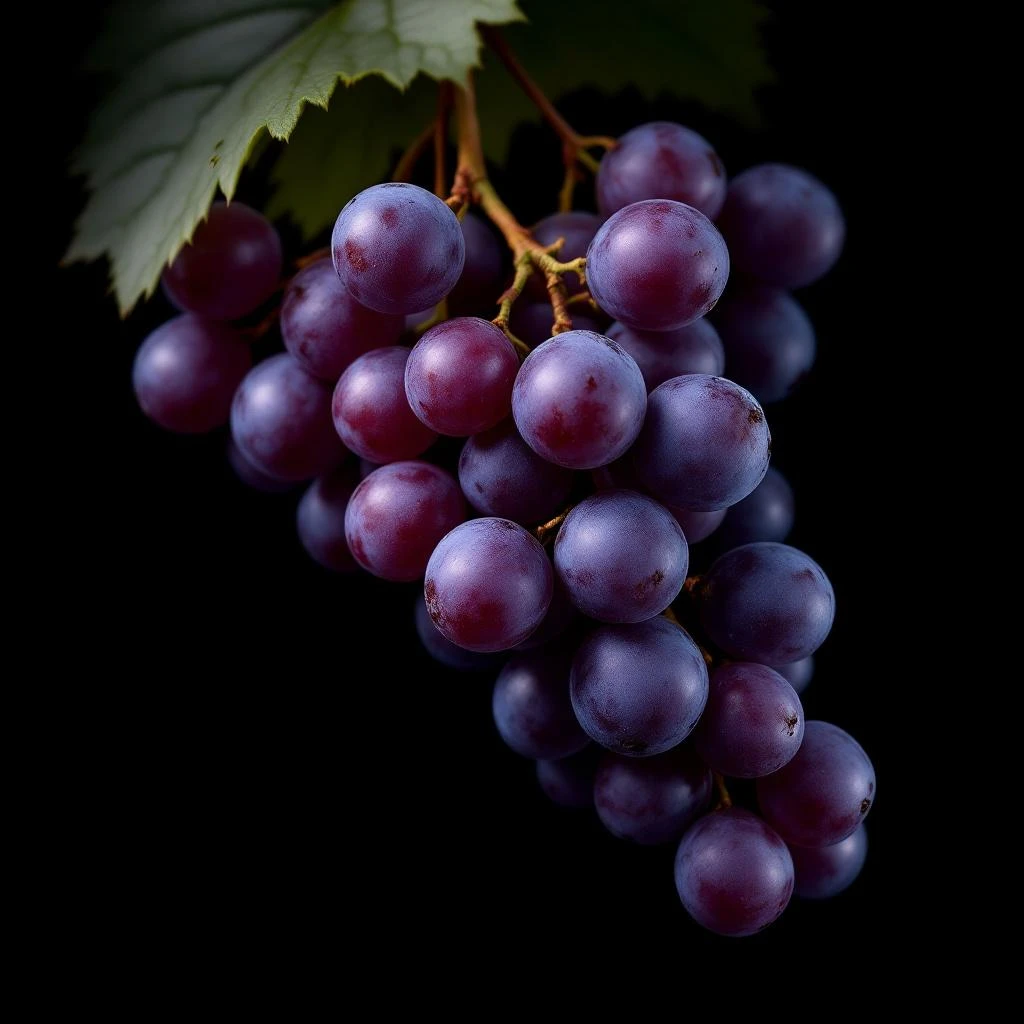
Concord grape captures the unmistakable lushness of late-summer vineyards, a jammy sweetness balanced by a tart, almost candied edge that brings instant nostalgic recognition to fragrance compositions.
Character
How it smells
The unmistakable taste of late summer, captured.
One single molecule, methyl anthranilate, creates the entire signature Concord grape scent that perfumers recognize instantly worldwide.
Origin
United States
The grapevine, Vitis vinifera, carries one of perfumery's oldest documented aromatic legacies. Ancient Egyptians first incorporated grape-derived materials into pastille-like fragrance preparations, establishing the fruit's place in the perfumer's palette thousands of years before modern extraction techniques emerged.
The ancient Greeks and Romans later refined these practices, with Pliny documenting various perfume-making methods involving natural plant materials including grape. When François Coty developed his volatile solvent extraction process, he revolutionized how perfumers could access the full aromatic potential of natural ingredients.
The Concord grape variety itself, a hybrid developed in 19th-century Massachusetts, eventually became synonymous with grape fragrance due to its particularly intense methyl anthranilate content. Today, while natural grape absolute remains rare, the chemistry behind its distinctive scent enables perfumers to evoke vineyard landscapes and nostalgic fruit sweetness across countless modern compositions.
Wears it best
Fragrances featuring Concord Grape

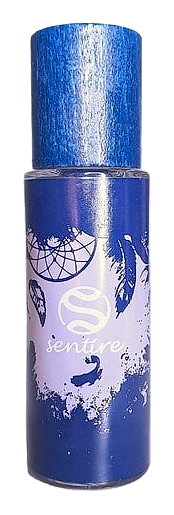
Brands
Brands known for Concord Grape
Good to know
Questions, answered
The essentials on Concord Grape in perfumery: how it smells, where it comes from, and how it behaves on skin.
Is Concord grape a natural or synthetic ingredient in perfumery?
Both forms exist in modern perfumery. Natural grape absolute comes from solvent extraction but remains rare and expensive. Most fragrances use synthetic methyl anthranilate, which replicates the exact molecular character of Concord grape at scale.
What does Concord grape smell like?
Concord grape delivers a distinct jammy sweetness with a candied, slightly tart edge. The aroma carries nostalgic fruit character with grape candy authenticity that few other notes can match.
What molecule gives Concord grape its signature scent?
Methyl anthranilate is the key aroma compound. This single molecule accounts for the grape's recognizable fruity sweetness and accounts for its widespread use as a perfumery building block.
Which fragrance families commonly feature Concord grape?
Fruity, gourmand, and chypre compositions frequently showcase Concord grape. The note bridges fresh fruit character and dessert-like warmth, making it versatile across modern fragrance styles.
How long has grape been used in perfumery?
Ancient Egyptians first used grape in fragrance preparations over 3,000 years ago. They created pastille-like scent mixtures, establishing grape as one of perfumery's earliest botanical ingredients.
What extraction methods produce grape absolute?
Volatile solvent extraction produces grape absolute. This technique emerged in the 18th century and allows perfumers to capture the fruit's complete aromatic profile without heat damage.
Which grape species does perfumery use?
Vitis vinifera, the common cultivated grapevine, serves as the primary species. Vitis labrusca appears occasionally. The Concord variety specifically delivers particularly high methyl anthranilate concentrations.
Does Concord grape work well with other notes?
Concord grape pairs naturally with bergamot, jasmine, and vanilla. The note also complements woody bases like sandalwood, creating compositions that move from bright fruit to warm, lingering dry-downs.