Colombian Rose
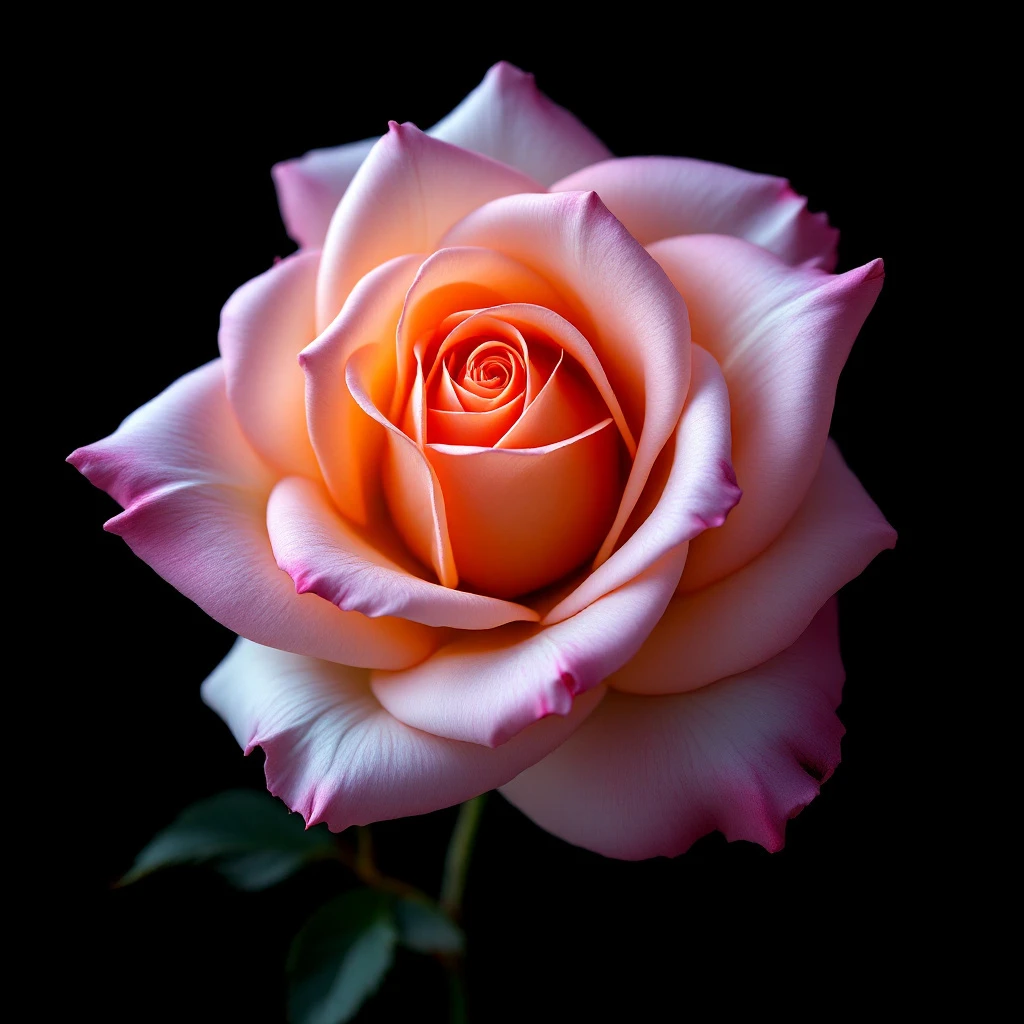
Colombian Rose thrives in the high-altitude plains surrounding Bogotá, where Andean terroir and equatorial sunlight produce unusually aromatic blooms. These roses carry a complex, honeyed warmth prized in fine perfumery for their distinctive character.
Character
How it smells
High-altitude roses with exceptional aromatic depth.
Colombia ranks among the world's top rose exporters, with the Bogotá savanna producing roses that contain notably high concentrations of aromatic compounds due to intense UV exposure at altitude.



Origin
Colombia
Rose cultivation in Colombia emerged in the 1970s when Dutch horticulturalists recognized the potential of the Bogotá savanna's unique high-altitude environment. Sitting at approximately 2,600 meters above sea level, this plateau offers a perpetual spring-like climate with consistent sunlight year-round, ideal conditions for growing roses with exceptional fragrance. What began as an agricultural experiment transformed into a major industry, with Colombia becoming one of the world's leading rose exporters.
The trade initially centered on Valentine's Day demand, but perfumers soon discovered that Colombian roses offered a distinctive aromatic profile different from traditional sources like Bulgaria or Morocco. Today, Colombian rose absolute and extracts hold a respected place in fine perfumery, valued for their terroir-driven complexity and consistent quality.
Wears it best
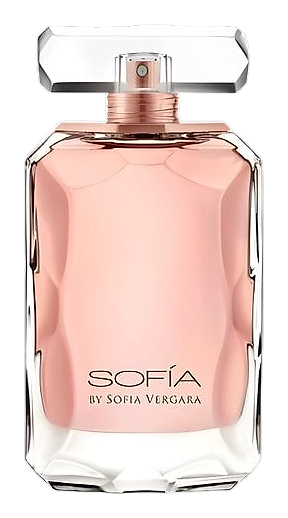
Fragrances featuring Colombian Rose
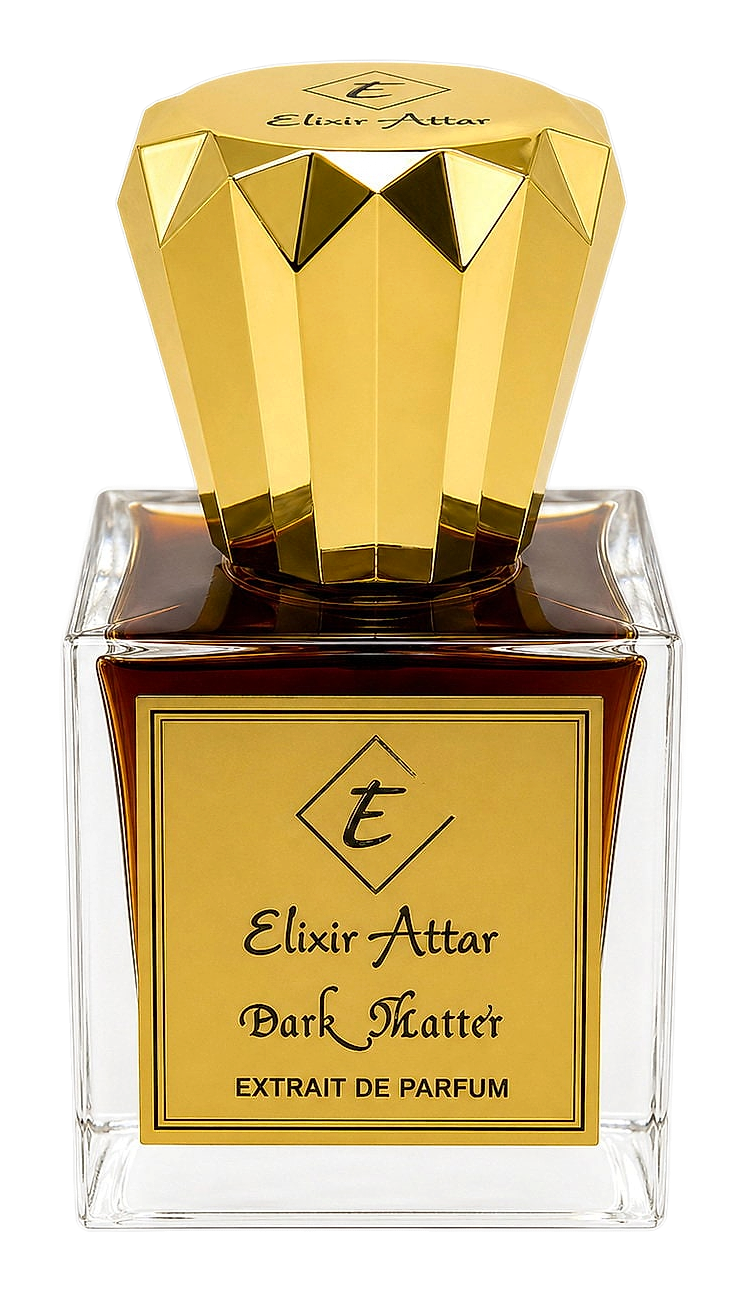

Brands
Brands known for Colombian Rose
Good to know
Questions, answered
The essentials on Colombian Rose in perfumery: how it smells, where it comes from, and how it behaves on skin.
What distinguishes Colombian Rose from other rose absolutes?
Colombian Rose develops uniquely high concentrations of aromatic compounds due to intense UV exposure at 2,600 meters altitude. The result is a complex, honeyed profile with subtle spicy undertones that differs from Bulgarian Damask or Moroccan rose absolutes.
How is Colombian rose absolute produced?
Producers use solvent extraction to obtain rose concrete from freshly harvested petals, which is then further processed into absolute. This method captures the complete aromatic signature, including volatile compounds that steam distillation might lose.
What harvest season produces the most fragrant Colombian roses?
The dry season from December through April yields the most aromatic blooms. Clear skies and cool nights during this period concentrate essential oils in the petals, producing roses with exceptional fragrance intensity.
What does Colombian Rose absolute smell like?
The absolute presents deep floral sweetness balanced by honeyed warmth and subtle spice. Perfumers describe it as more complex than traditional rose absolutes, with a richness that develops beautifully in the heart of fragrance compositions.
How much rose absolute comes from Colombian rose petals?
Rose extraction yields approximately 1-2 grams of absolute per kilogram of petals. This low yield reflects rose's status as a precious perfumery ingredient, requiring thousands of blooms for meaningful quantities.
What fragrance families commonly use Colombian rose?
Colombian rose absolute appears across floral, oriental, chypre, and amber compositions. Its complex profile suits both romantic floral bouquets and sophisticated oriental fragrances seeking depth and lasting power.
Are Colombian rose farms certified for sustainability?
Many Colombian rose operations hold Fairtrade and Rainforest Alliance certifications. High-altitude cultivation reduces pest pressure, minimizing pesticide use compared to lower-elevation rose production.
Can synthetic rose compounds replace natural Colombian rose absolute?
Synthetic rose materials cannot fully replicate the terroir-driven complexity of natural Colombian rose absolute. While芳香 compounds like phenylethyl alcohol exist synthetically, the subtle nuances of high-altitude Colombian roses remain distinctive and irreplaceable.





