Colombian Orchid
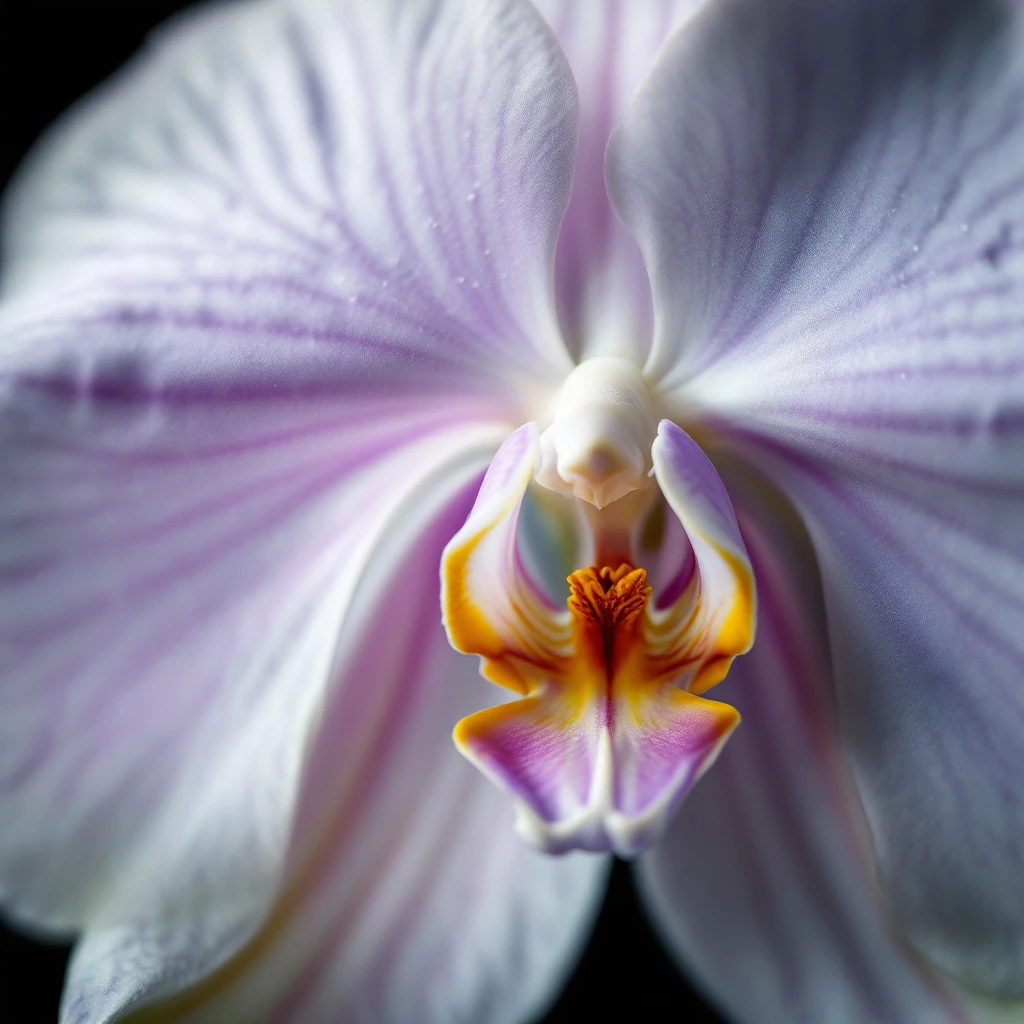
Colombia hosts over 1,500 orchid species—more than any nation on Earth. The Colombian Orchid note captures this extraordinary botanical wealth, translating the Andean flower's complex floral and slightly green character into a perfumery ingredient that brings tropical sophistication to fragrance compositions.
Character
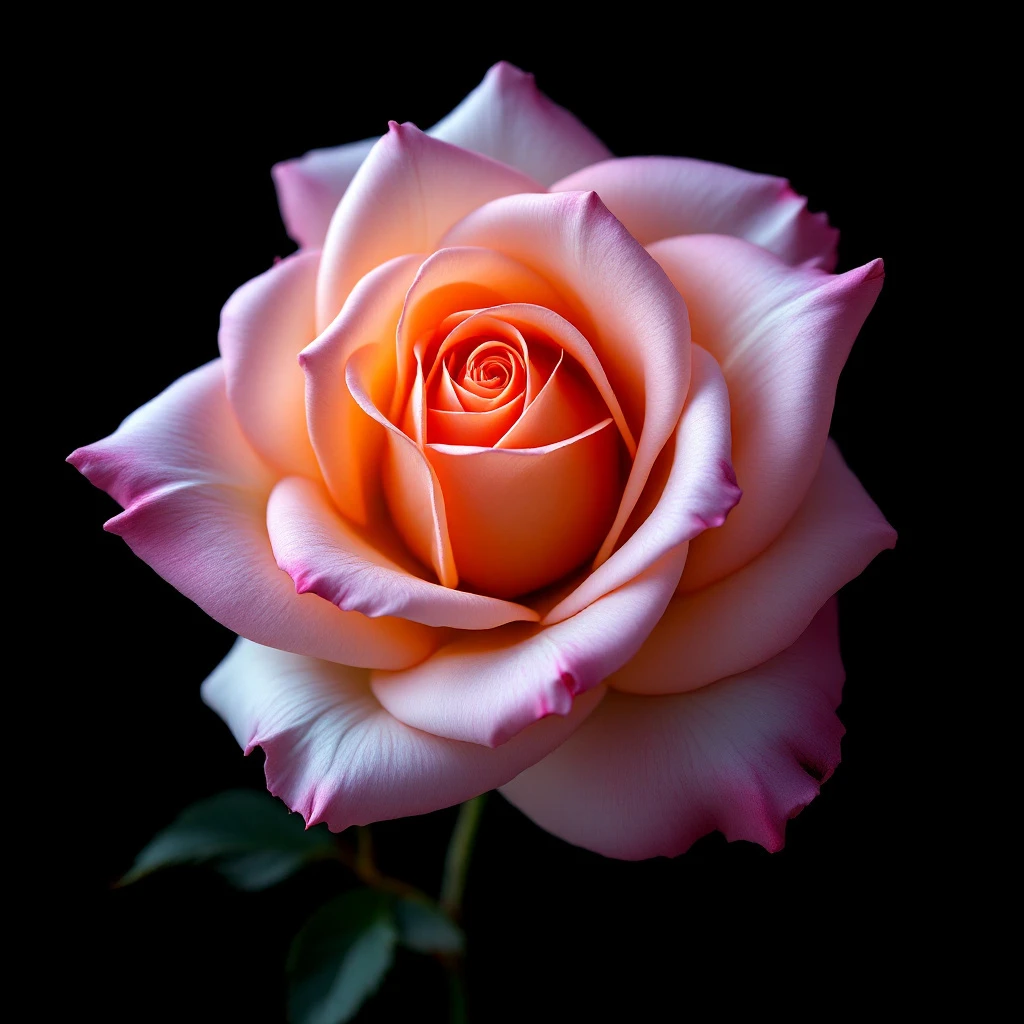
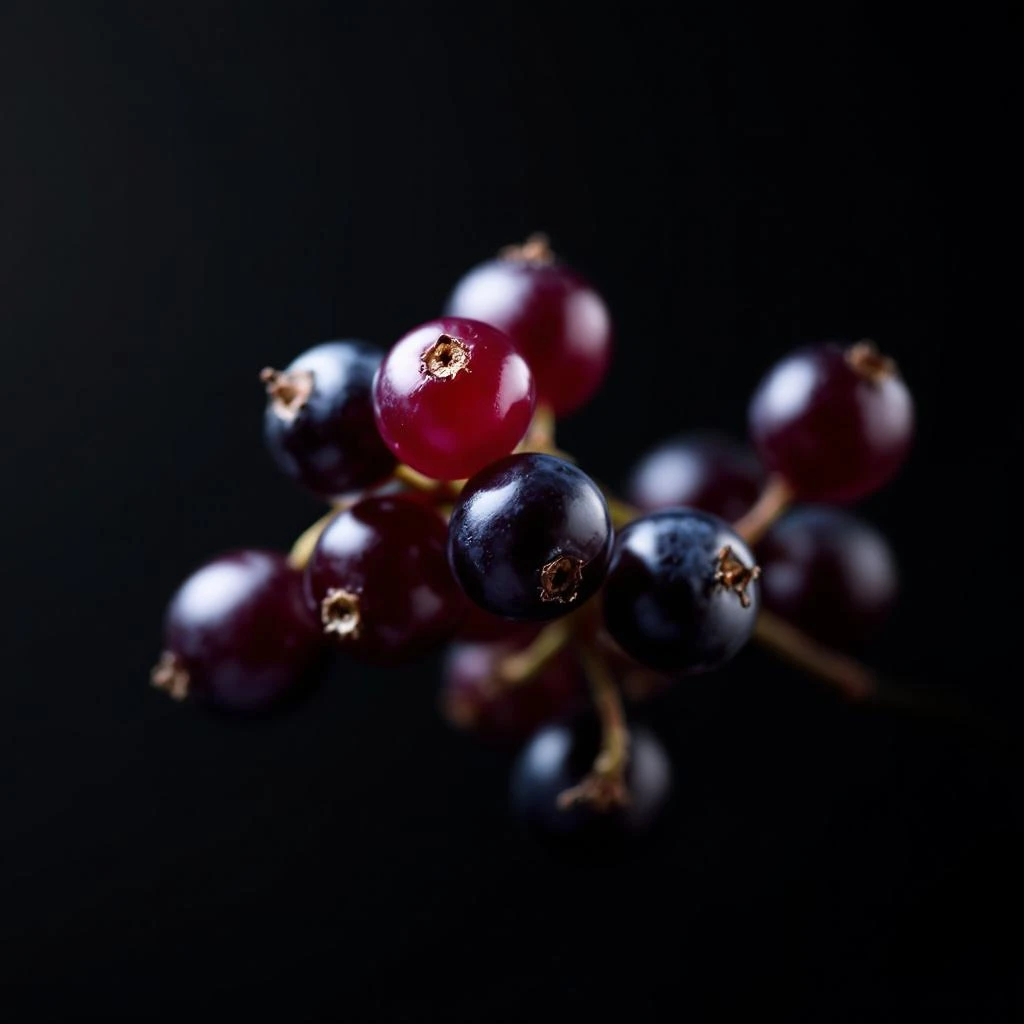
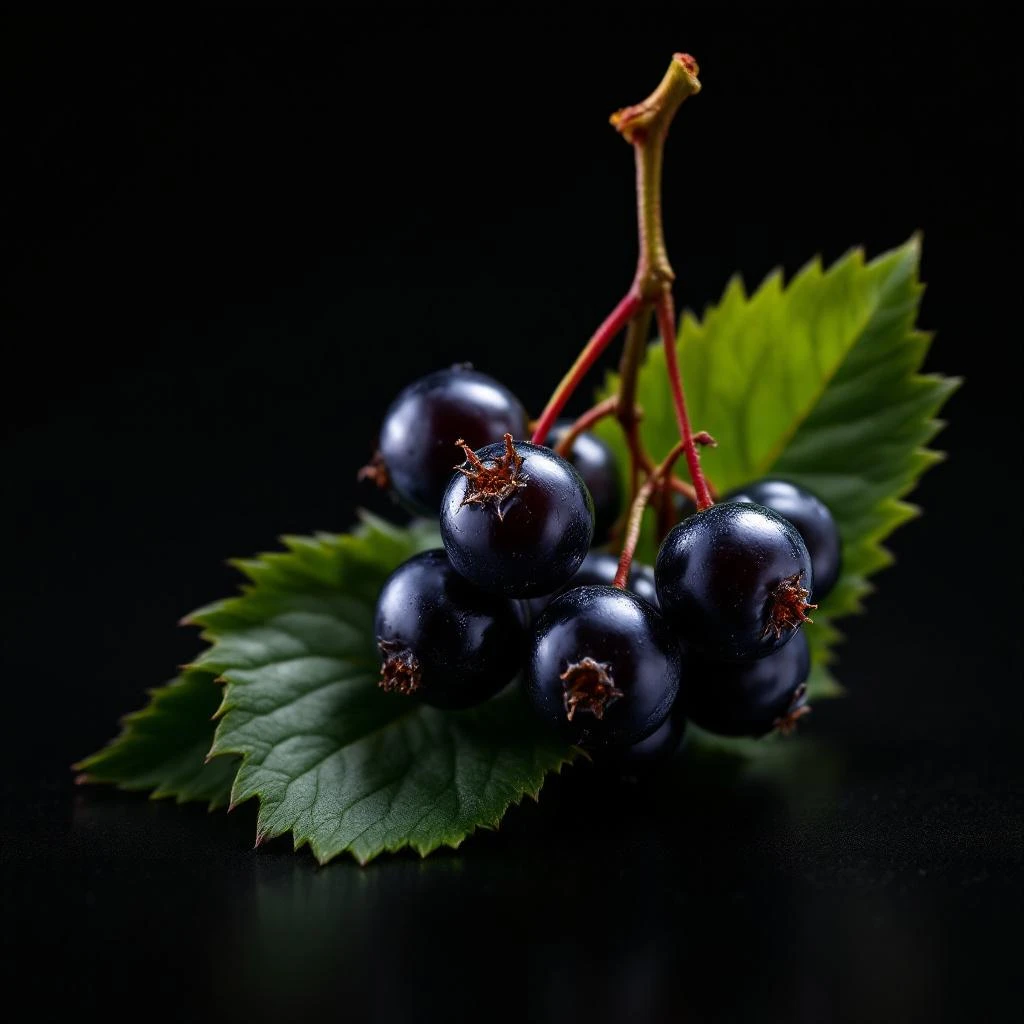
How it smells
Where the Andes breathe fragrance
Vanilla, one of the most widely used ingredients in perfumery, comes from an orchid—Vanilla planifolia, originally domesticated by Indigenous people in southeastern Mexico.



Origin
Colombia
Indigenous Colombian communities have cultivated orchid knowledge for centuries, recognizing certain species for their aromatic and ceremonial significance. Traditional healers incorporated orchid extracts into spiritual rituals and healing practices, developing specialized botanical knowledge passed through generations. During the colonial era, European botanical collectors showed great interest in Andean orchid specimens, though the delicate flowers presented significant challenges for transport and cultivation.
The emergence of modern extraction techniques in the 20th century finally enabled perfumers to harness orchid fragrance directly, opening new creative possibilities for fragrance composition. Today, Colombia's position near the equator combined with dramatic elevation changes creates ideal conditions for orchids with exceptionally rich aromatic profiles. The Cattleya orchid—Colombia's national flower—exemplifies this botanical wealth, its large showy blooms producing some of the most prized orchid material in fine perfumery.
Contemporary sustainable harvesting practices draw on traditional knowledge while protecting wild populations for future generations. As research continues, Colombia's unexplored orchid diversity promises additional species with valuable aromatic properties for the fragrance industry.
Wears it best
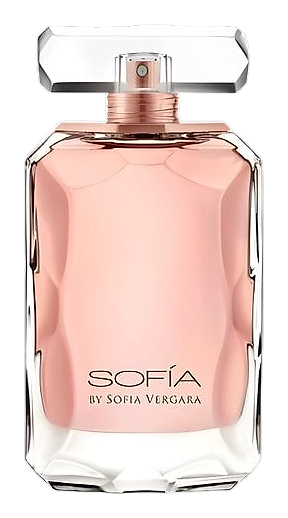
Fragrances featuring Colombian Orchid

Brands
Brands known for Colombian Orchid
Good to know
Questions, answered
The essentials on Colombian Orchid in perfumery: how it smells, where it comes from, and how it behaves on skin.
What does Colombian orchid smell like?
Colombian orchid absolute presents a rich, heady floral scent with creamy undertones and a subtle green freshness. The fragrance combines tropical sweetness with powdery depth, creating a sophisticated aromatic profile used sparingly in fine fragrances.
Is Colombian orchid natural or synthetic?
Colombian orchid absolute is a natural ingredient obtained through solvent extraction of orchid flowers. However, due to limited supply and high cost, many perfumers use synthetically created orchid accord as an alternative.
Why is Colombia known for orchid diversity?
Colombia hosts over 1,500 documented orchid species—the highest diversity in the world. The country's equatorial location combined with dramatic elevation changes from sea level to over 3,000 meters creates diverse microclimates ideal for orchid growth.
What orchid species are most commonly extracted for perfumery?
Cattleya orchids, Colombia's national flower, are the most commonly extracted species for perfumery. These orchids are prized for their large showy blooms and intense fragrance, which translates into a rich aromatic absolute with exceptional staying power in fragrance compositions.
How does orchid differ from other floral ingredients?
Orchid offers a distinctive scent profile combining creamy warmth, green freshness, and powdery elegance. Unlike jasmine with its indolic richness or rose with its rosy nuance, orchid works as both a primary floral note and a bridging element between different fragrance components.
What role does orchid play in modern perfumery?
Orchid functions as a sophisticated base and heart note in contemporary fragrance creation. It appears frequently in tropical and floral fragrance families, where it serves as either a signature ingredient or a supporting element that adds depth and complexity to luxury and niche fragrance compositions.
Is Colombian orchid a sustainable ingredient?
Orchid rarity presents sustainability challenges in perfumery. Wild orchid populations face pressure from overharvesting, prompting the development of sustainable farming initiatives in Colombia's cloud forests to protect these delicate species while meeting perfumery demand.
Are there synthetic alternatives to natural orchid?
Synthetic versions of orchid note exist and can replicate basic orchid scent characteristics. However, these lab-created alternatives typically lack the full aromatic complexity and nuance of natural orchid absolute, which remains the preferred choice for high-end fragrance houses seeking authentic botanical character.





