Cola Syrup
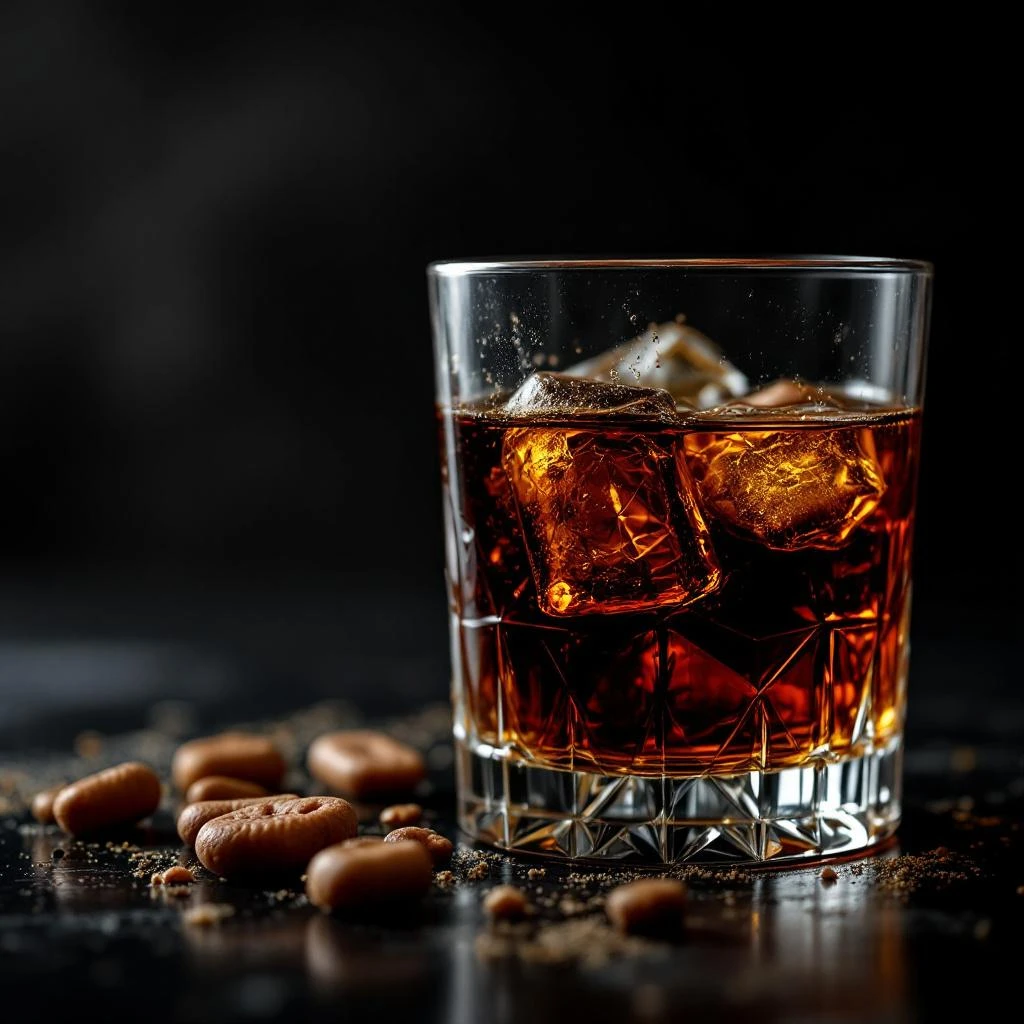
Bottled nostalgia. Cola syrup brings the caramelized warmth, citrus lift, and spiced sweetness of an ice-cold fountain cola to modern gourmand perfumery.
Character
How it smells
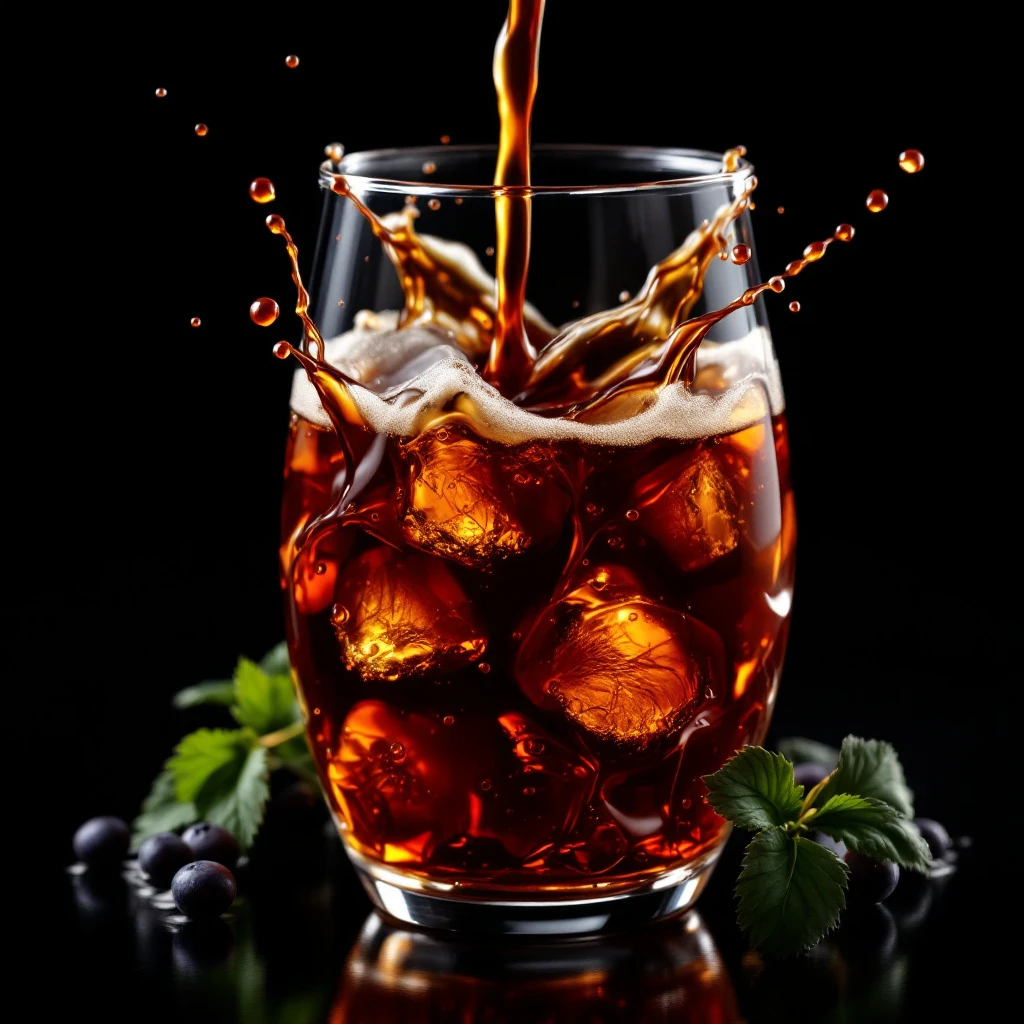
Fountain cola, uncapped and aromatic.
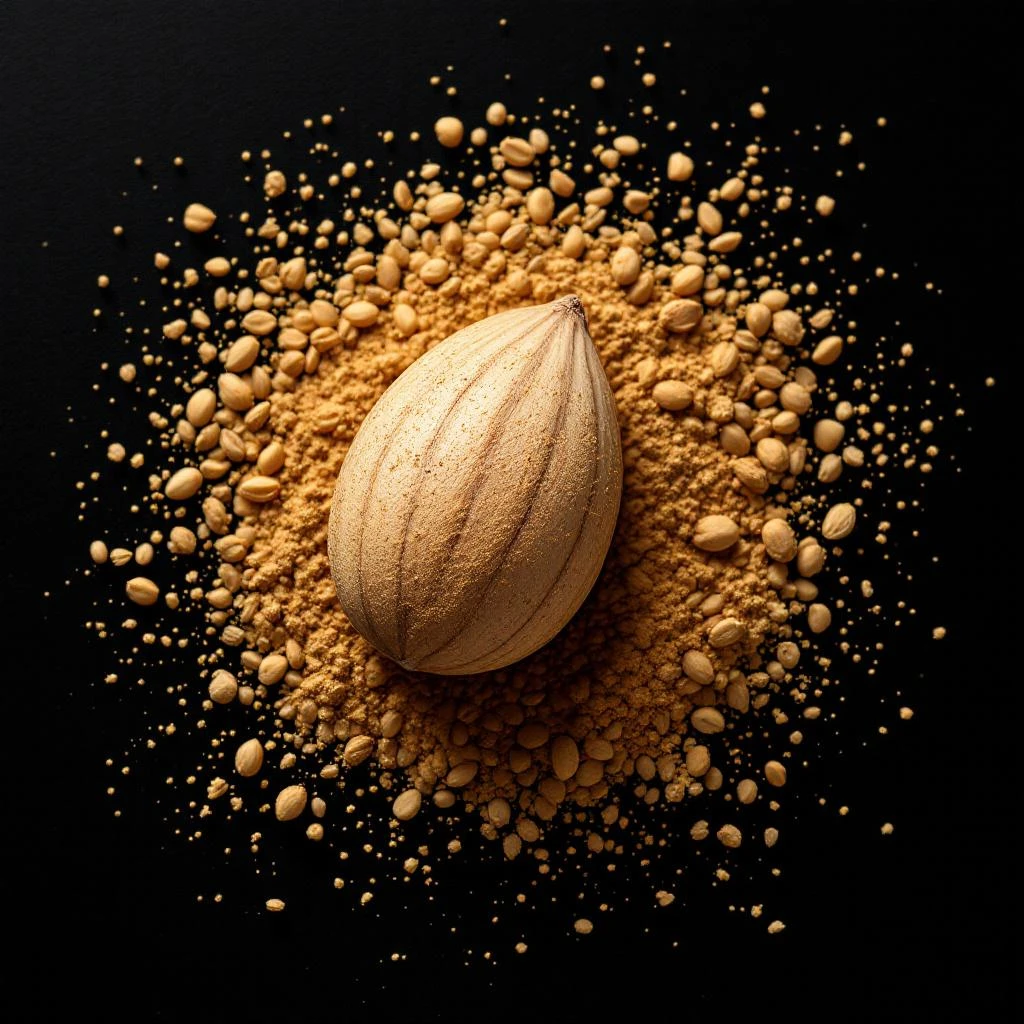
The cola nut (kola) has been chewed and ceremonially exchanged across West Africa for over a thousand years, long before any soft drink bore its name.

Origin
Nigeria
Cola nut, or kola, has deep roots in West African culture, particularly among communities in present-day Nigeria, Ghana, Sierra Leone, and the Ivory Coast, where it was chewed during rituals, ceremonies, and social gatherings. Caravans carried dried kola nuts across the Sahara, making them valuable enough to serve as a form of currency. The nut reached Europe in the 16th century through Portuguese traders.
By the late 19th century, American pharmacists were experimenting with extracts of kola and coca to create tonic beverages, eventually producing the carbonated drinks that popularized the cola flavor globally. In perfumery, cola emerged as a recognizable accord in the late 20th century as gourmands gained momentum. Demeter Fragrance Library released a dedicated Cola fragrance in the 1990s, helping cement the scent in consumer minds.
Since then, cola has appeared in niche and mainstream compositions alike, valued for its playful, nostalgic warmth.
Wears it best
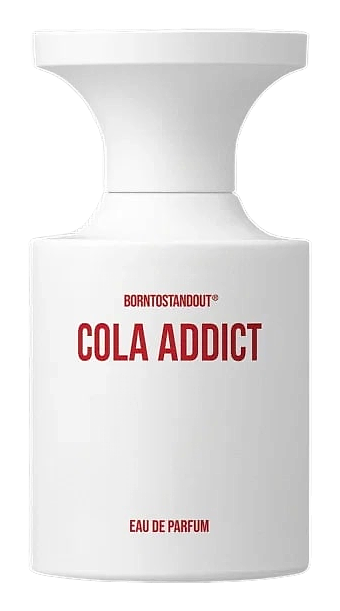
Fragrances featuring Cola Syrup
Brands
Brands known for Cola Syrup
Good to know
Questions, answered
The essentials on Cola Syrup in perfumery: how it smells, where it comes from, and how it behaves on skin.
What does cola syrup smell like in perfume?
Cola syrup accord in fragrance combines warm caramel and vanilla sweetness with citrus brightness, cinnamon and nutmeg spice, and a dry, slightly bitter undertone from kola nut extract. The result evokes the nostalgic aroma of a freshly poured fountain cola without smelling literally like food.
Is cola syrup in perfume made from real kola nuts?
Most modern cola fragrance accords use a blend of synthetic aroma chemicals alongside natural kola nut tincture. Real kola nuts contribute bitterness and depth, but the characteristic cola scent relies on constructed notes like citrus, caramel, and spice to complete the profile.
When was cola first used in perfumery?
Cola appeared as a recognizable fragrance accord in the 1990s, coinciding with the rise of gourmand perfumery. Demeter Fragrance Library released a standalone Cola scent during this era, helping popularize the note in mainstream and niche fragrance circles.
Where do kola nuts originally come from?
Kola nuts grow on evergreen trees native to the tropical rainforests of West Africa, particularly in Nigeria, Ghana, Sierra Leone, and the Ivory Coast. The trees can reach 20 meters tall and produce star-shaped fruits containing the caffeine-rich seeds.
Are there any natural alternatives to synthetic cola accords?
Some perfumers build cola profiles using natural materials like tonka bean, vanilla, citrus oils, and spice extracts alongside kola nut tincture. However, achieving the complete soda-shop character typically requires synthetic molecules for the caramelized and effervescent facets.
What fragrance families does cola syrup belong to?
Cola syrup falls within the gourmand fragrance family, specifically the edible or beverage subcategory. It often appears in oriental and amber compositions where its warm spiced sweetness complements resins, vanilla, and woody base notes.
Does cola syrup contain actual caffeine?
Natural kola nut extract contains trace amounts of caffeine (about 1.5 to 2 percent of the nut), but the quantity used in a fragrance is negligible. Any cola accord you encounter in perfumery will not deliver a stimulant effect through skin application.
What notes pair well with cola syrup in perfume?
Cola pairs naturally with vanilla, caramel, tonka bean, and benzoin for warmth. Citrus notes like lime and bergamot brighten the top, while cinnamon, nutmeg, and cardamom enhance the spiced character. Leather and woody bases create striking gourmand contrasts.