Caffeine
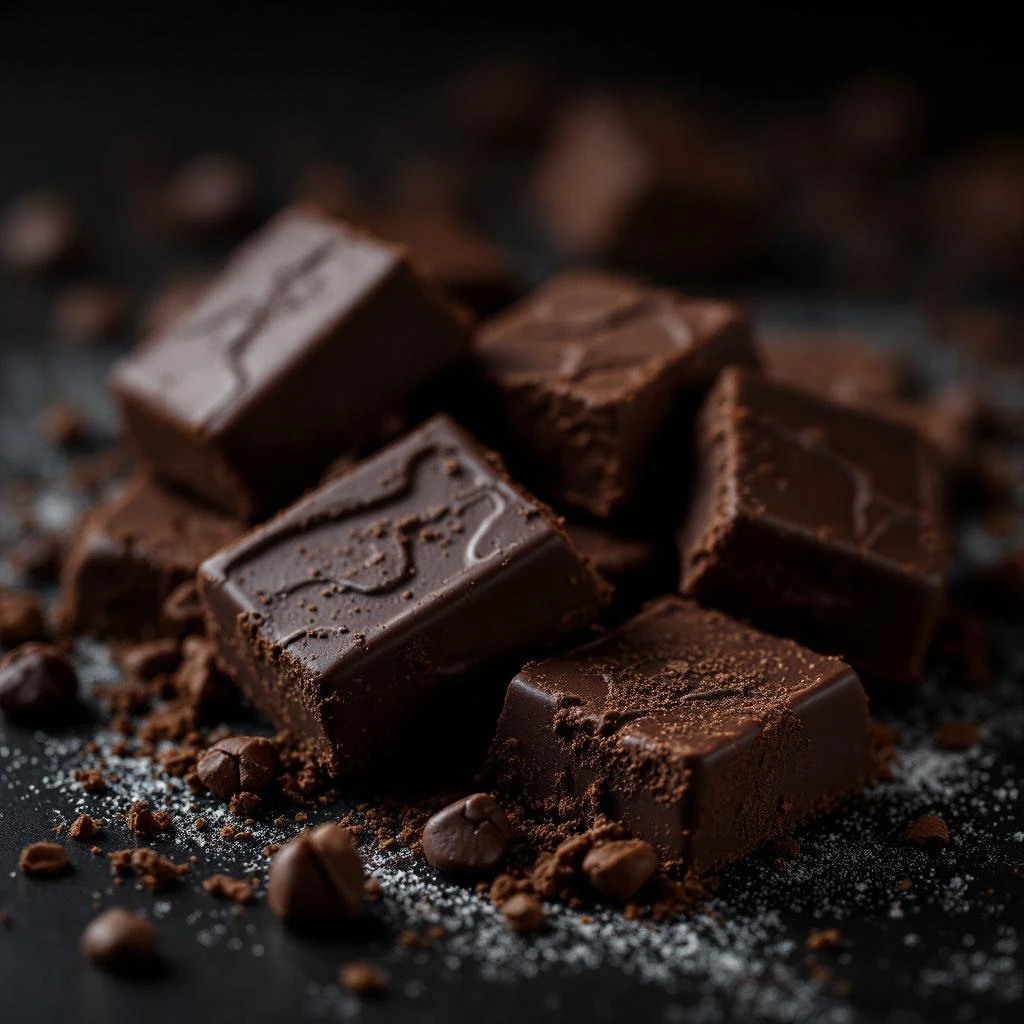
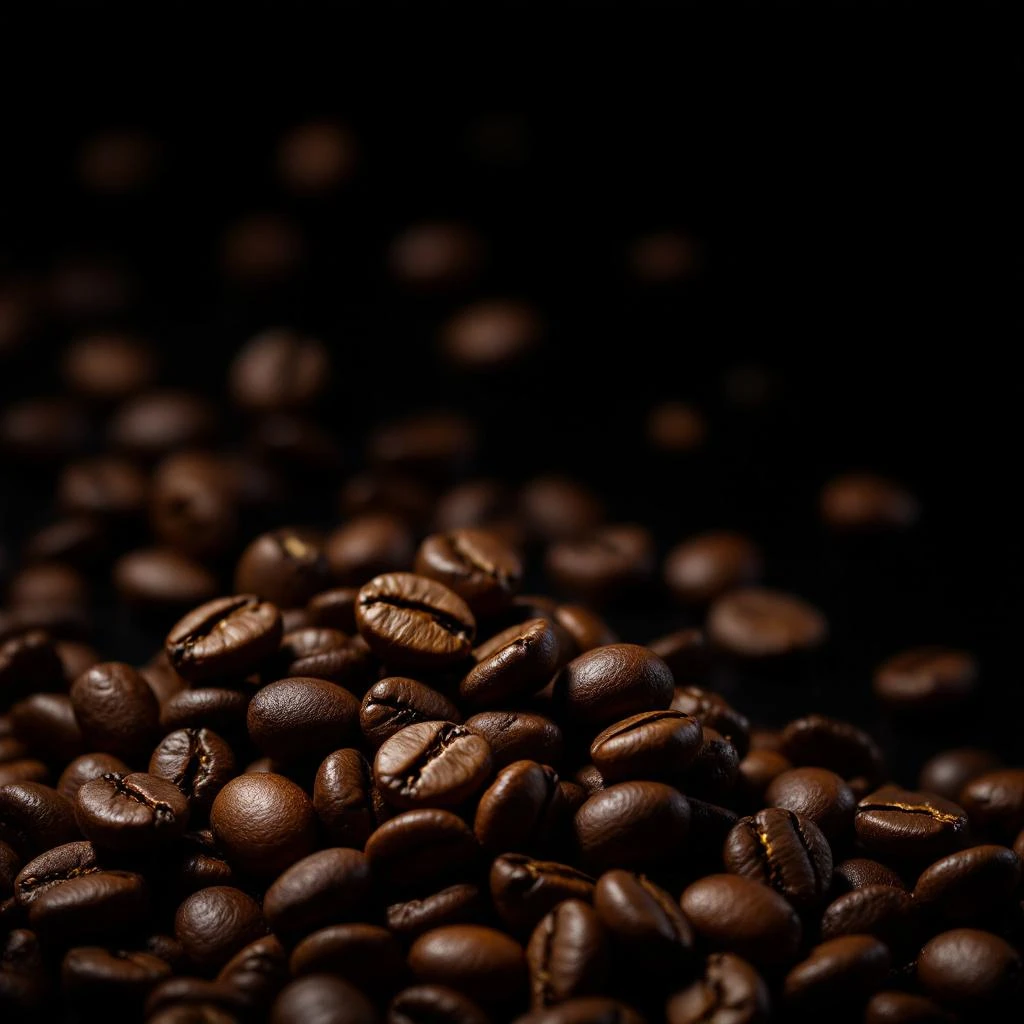
Caffeine enters perfumery as a synthetic molecule prized for its bitter, roasted character. It adds a dry, almost mineral edge to compositions, evoking espresso beans and warm wood without sweetness.
Character
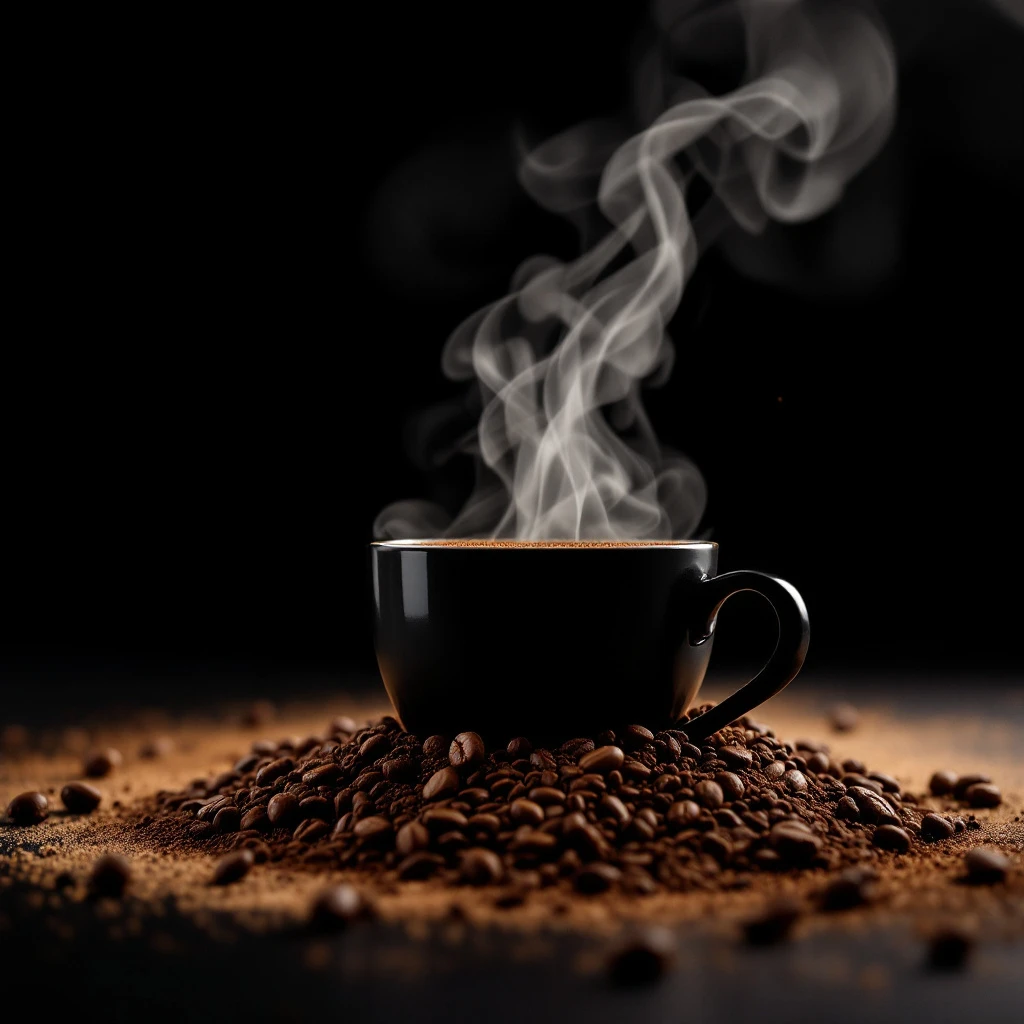
How it smells
A bitter jolt, brewed into scent.
Caffeine itself carries almost no aroma on its own, yet perfumers recreate its signature essence through other molecules like roasted coffee pyrazines.



Origin
Ethiopia
Caffeine owes its identity to early nineteenth-century chemistry. Friedlieb Ferdinand Runge isolated it from coffee in 1819 at the urging of Goethe, just decades after the broader rise of synthetic aroma chemistry in the late 1800s.
The molecule itself never drove classic perfumery, but the cultural pull of coffee culture did. By the twentieth century, roasted coffee and cocoa notes became supporting players in oriental and gourmand fragrances, drawing on compounds generated when green coffee beans turn dark brown in the roaster.
Brazilian and Colombian coffee plantations supplied much of the raw material historically, with Ethiopia and Yemen holding the longest agricultural lineage. Caffeine now symbolizes the modern gourmand wave, anchoring fragrances built around espresso bars, dark bakeries, and morning rituals.
Wears it best
Fragrances featuring Caffeine
Brands
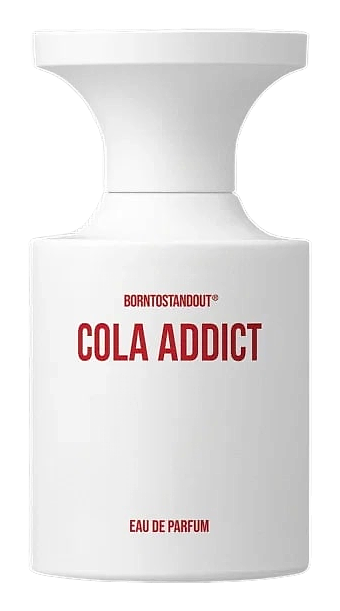
Brands known for Caffeine
Good to know
Questions, answered
The essentials on Caffeine in perfumery: how it smells, where it comes from, and how it behaves on skin.
What does caffeine smell like in perfume?
Caffeine itself carries almost no scent, so perfumers simulate its character using roasted pyrazines. The effect reads as bitter, dry, and slightly burnt, like fresh espresso grounds or dark cocoa nibs without sweetness.
Is caffeine a natural or synthetic perfume ingredient?
Both forms exist. Natural caffeine is extracted from coffee beans, tea leaves, and maté. Synthetic caffeine, produced from urea derivatives, dominates commercial production because it is cheaper, purer, and more consistent than plant-derived sources.
Where does the coffee-like note in fragrances actually come from?
It comes from pyrazines and furans generated by the Maillard reaction during roasting. These compounds form when amino acids and sugars break down under heat, creating the bitter, roasted signature found in coffee, cocoa, and toasted bread.
Who first isolated caffeine?
German chemist Friedlieb Ferdinand Runge isolated caffeine in 1819, reportedly after being challenged by writer Johann Wolfgang von Goethe to analyze the chemistry of coffee beans.
Are there perfumes built around caffeine?
Yes. The gourmand fragrance category of the 1990s onward popularized roasted coffee accords, with houses like Thierry Mugler and Serge Lutins creating compositions where caffeine-like bitterness anchors sweet or spicy bases.
Does adding real caffeine to perfume do anything functional?
Caffeine is sometimes added for marketing rather than scent. Some skincare research, like a 2007 study in Skin Pharmacology and Physiology, suggests caffeine may improve skin texture when applied topically, though fragrance concentrations are typically too low for measurable effects.
Which countries produce the most coffee for fragrance materials?
Brazil and Vietnam lead global coffee production, but Ethiopia is the genetic origin of Coffea arabica. Yemen holds the longest cultivated history, having traded Mokha coffee since the 1400s.
Can caffeine notes smell sweet or fruity?
Rarely. Caffeine-associated accords lean bitter and roasted. However, lighter roasts retain subtle acidity and fruit notes, which perfumers can capture using specific pyrazines balanced with citrus or berry molecules.