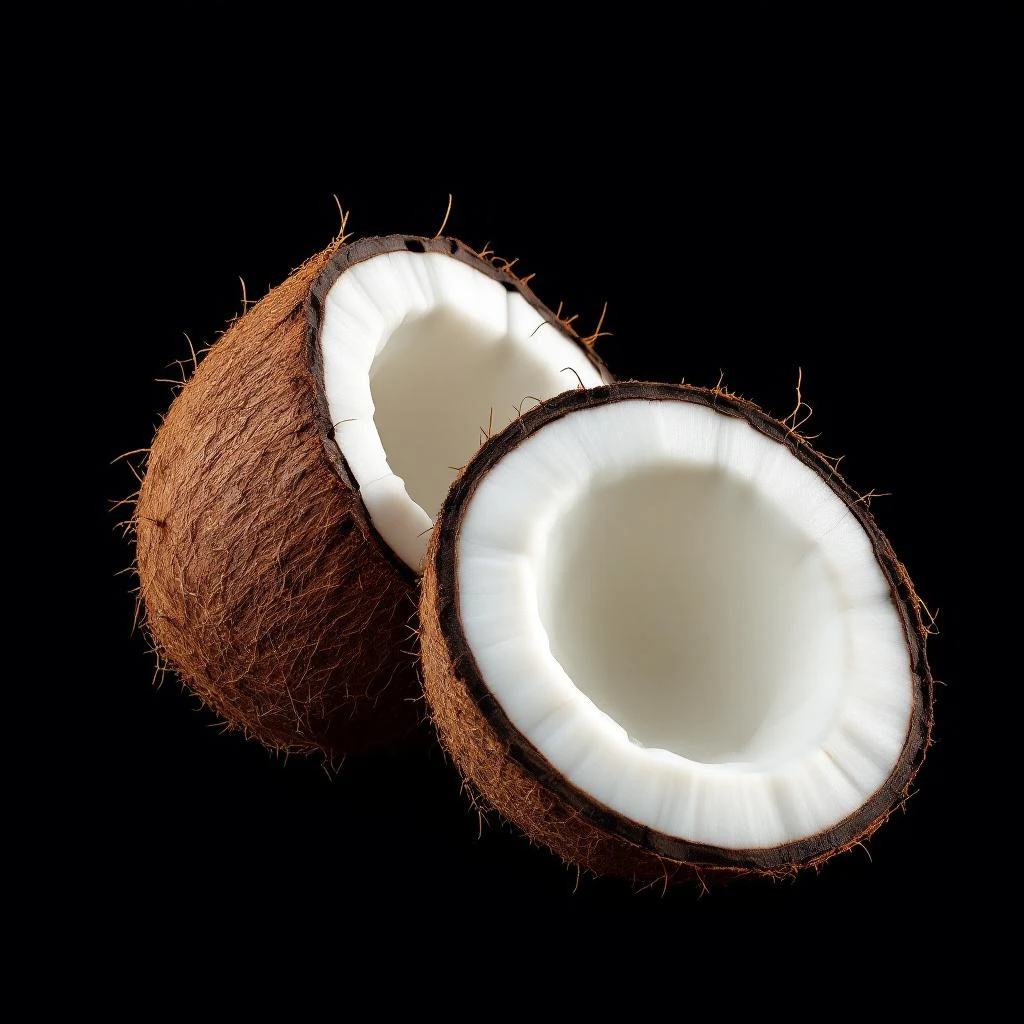
Coconut palmwood
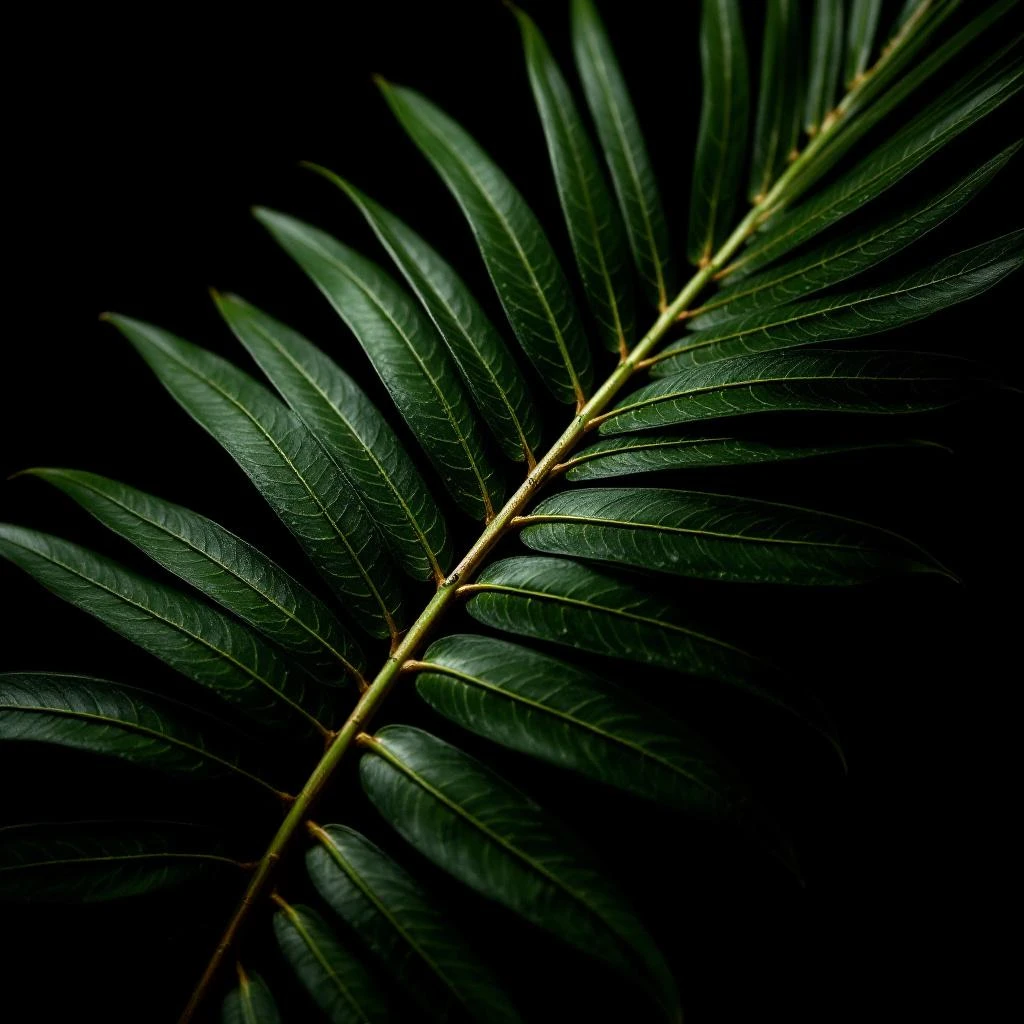
Coconut palmwood captures the sun-warmed spirit of tropical coastlines. Its subtle woody warmth introduces an island-like softness into fragrance compositions, creating an immediate sense of beach proximity and salt-tinged breeze.
Character
How it smells
Sun-baked tropical softness for fragrance
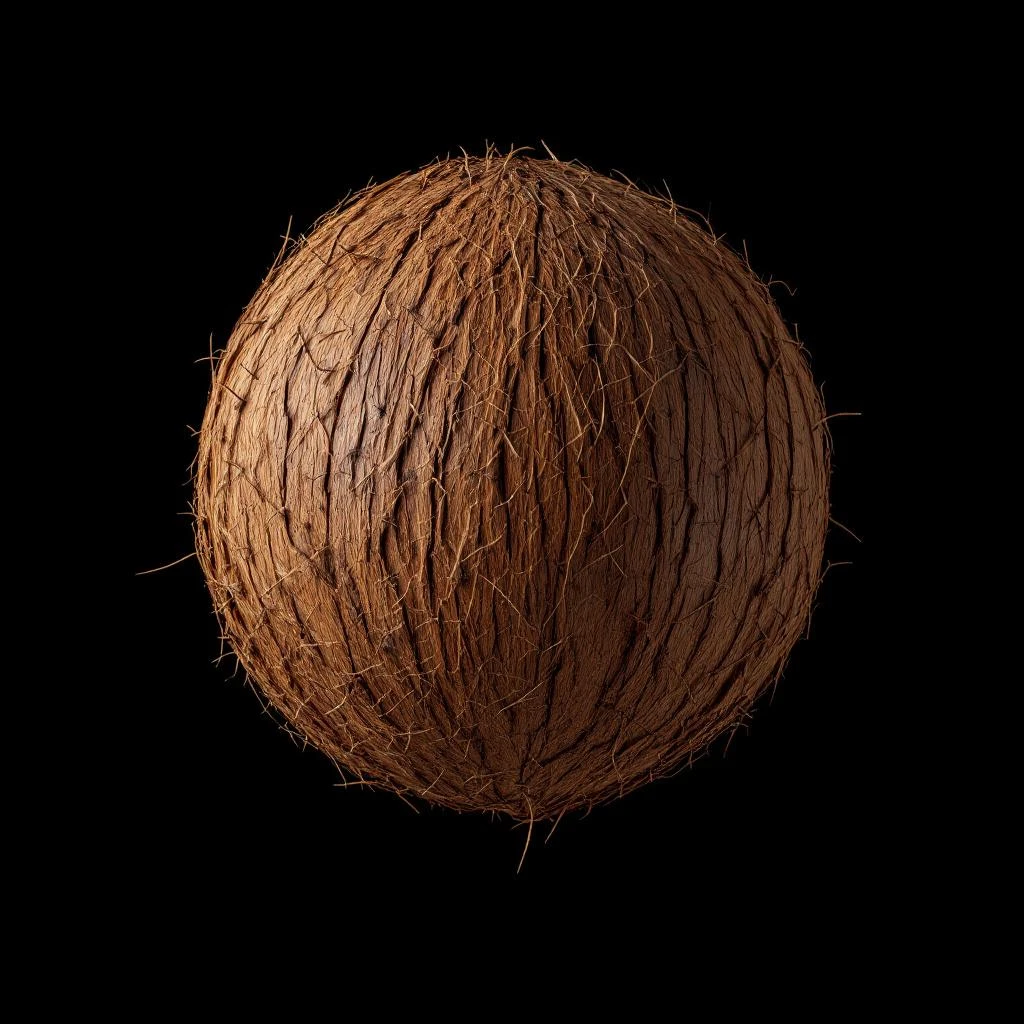
A single coconut palm can produce 50 to 200 coconuts per year, making sustainable harvesting of the wood an increasingly viable practice for fragrance producers.







Origin
Philippines
Coconut palms have served human populations across tropical regions for over 4,500 years, with evidence of cultivation appearing throughout Southeast Asia and the Pacific Islands. Ancient Polynesian navigators carried coconut seeds during ocean voyages, establishing groves throughout island chains and creating the distribution pattern that persists today. Traditional uses extended far beyond fragrance, encompassing food, oil, building materials, and fiber.
Colonial-era traders recognized coconut's commercial potential, and by the nineteenth century, coconut oil had become a significant global commodity. Fragrance applications developed more recently, emerging during the mid-twentieth century when perfumers began systematically exploring exotic tropical materials. The niche fragrance movement of the 1990s and 2000s brought coconut palmwood into wider use, as designers sought materials that conveyed genuine tropical character beyond simple coconut milk or cream interpretations.
Today, coconut palmwood holds a small but distinct position in natural perfumery, valued for its woodsy warmth that distinguishes it from sweeter coconut derivatives.
Wears it best
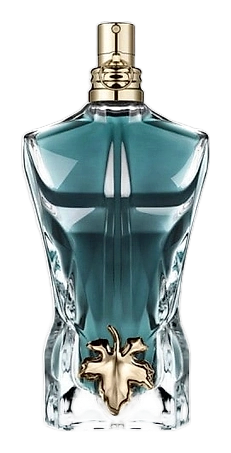
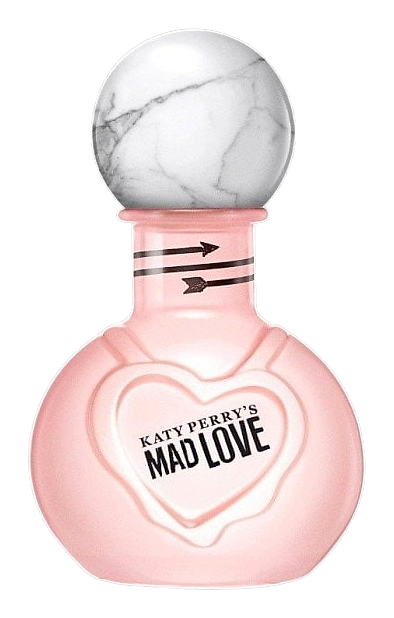
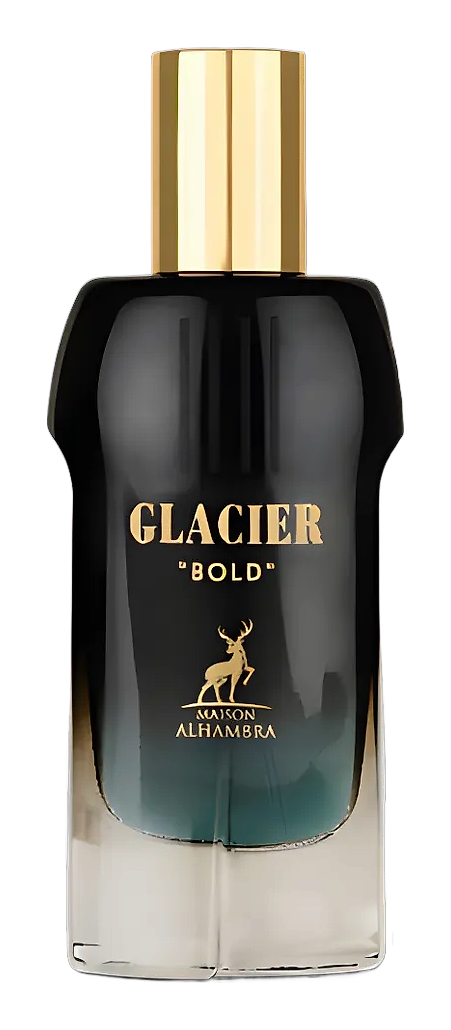
Fragrances featuring Coconut palmwood
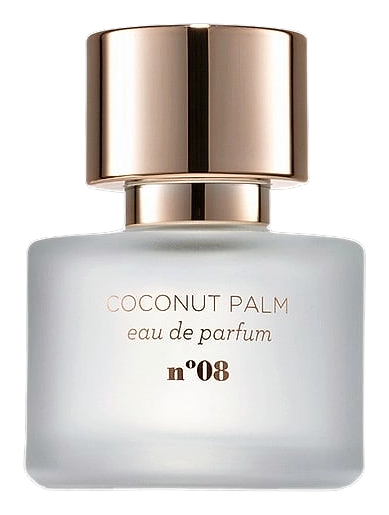
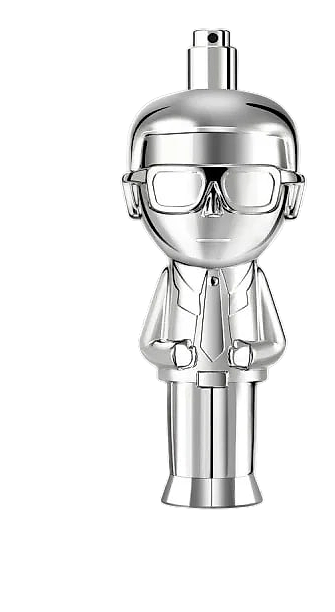
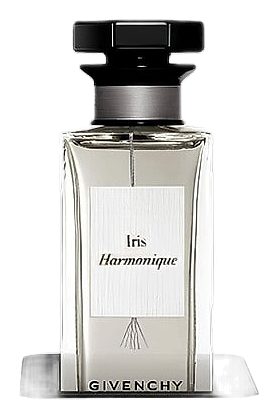
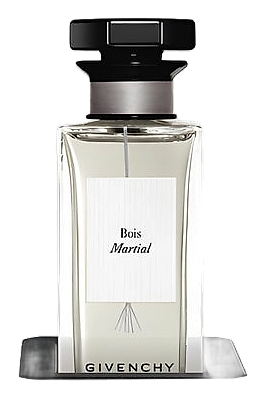
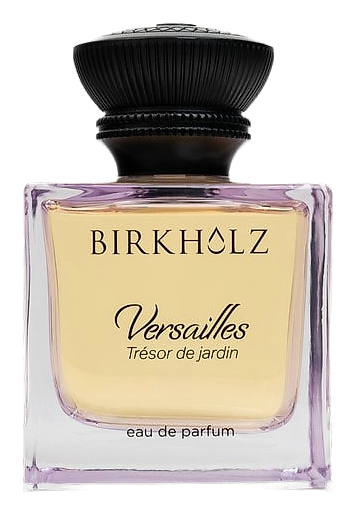
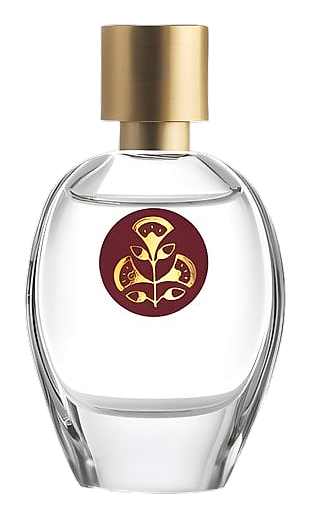
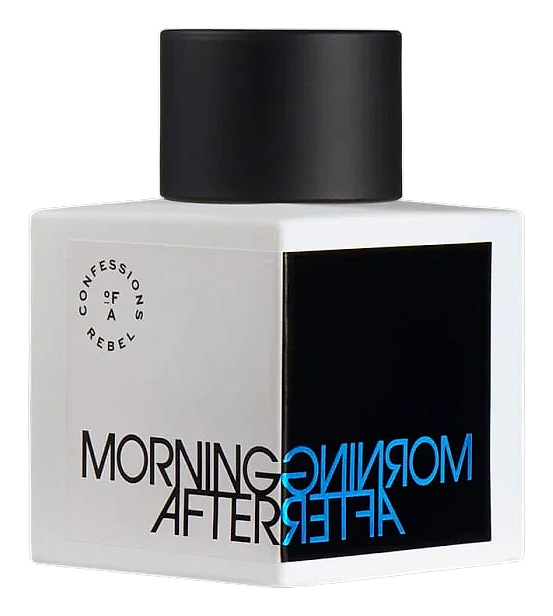
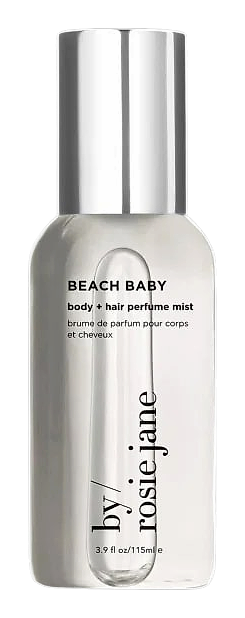
Brands
Brands known for Coconut palmwood
Good to know
Questions, answered
The essentials on Coconut palmwood in perfumery: how it smells, where it comes from, and how it behaves on skin.
What does coconut palmwood smell like?
Coconut palmwood carries a warm, subtly sweet woody aroma with resinous undertones. It reads as gentler than tropical woods like sandalwood, offering tropical warmth without aggressive sweetness.
Is coconut palmwood used in mainstream or niche fragrances?
Coconut palmwood appears primarily in niche and artisanal fragrances. Its relative rarity and extraction complexity limit mainstream adoption, though its use in luxury lines is growing.
How does coconut palmwood differ from coconut absolute?
Coconut absolute derives from the fruit husk and meat, offering sweeter, creamier coconut character. Palmwood adds woody, resinous warmth that recalls the tree's structural trunk rather than its fruit.
What fragrance families pair well with coconut palmwood?
Coconut palmwood works beautifully with marine notes, white florals, and warm orientals. It bridges sweet coconut facets and woody bases, creating cohesive tropical compositions.
Is coconut palmwood a sustainable material?
When sourced from managed plantations, coconut palmwood presents good sustainability credentials. The wood typically becomes available as a byproduct of fruit harvesting rather than primary extraction.
Can coconut palmwood be synthesized?
No widely accepted synthetic replicate exists for coconut palmwood's full aromatic profile. Perfumers sometimes combine woody materials with coconut lactones to approximate its character.
What seasons or occasions suit coconut palmwood fragrances?
Contemporary perfumers deploy coconut palmwood across summer and evening wear, with niche designers successfully incorporating it into formal and cooler-season compositions.
How long has coconut palmwood been used in perfumery?
Documented use dates to the mid-twentieth century, with significant expansion following the niche fragrance movement of the 1990s. Historical records show no traditional aromatic use before modern extraction techniques.