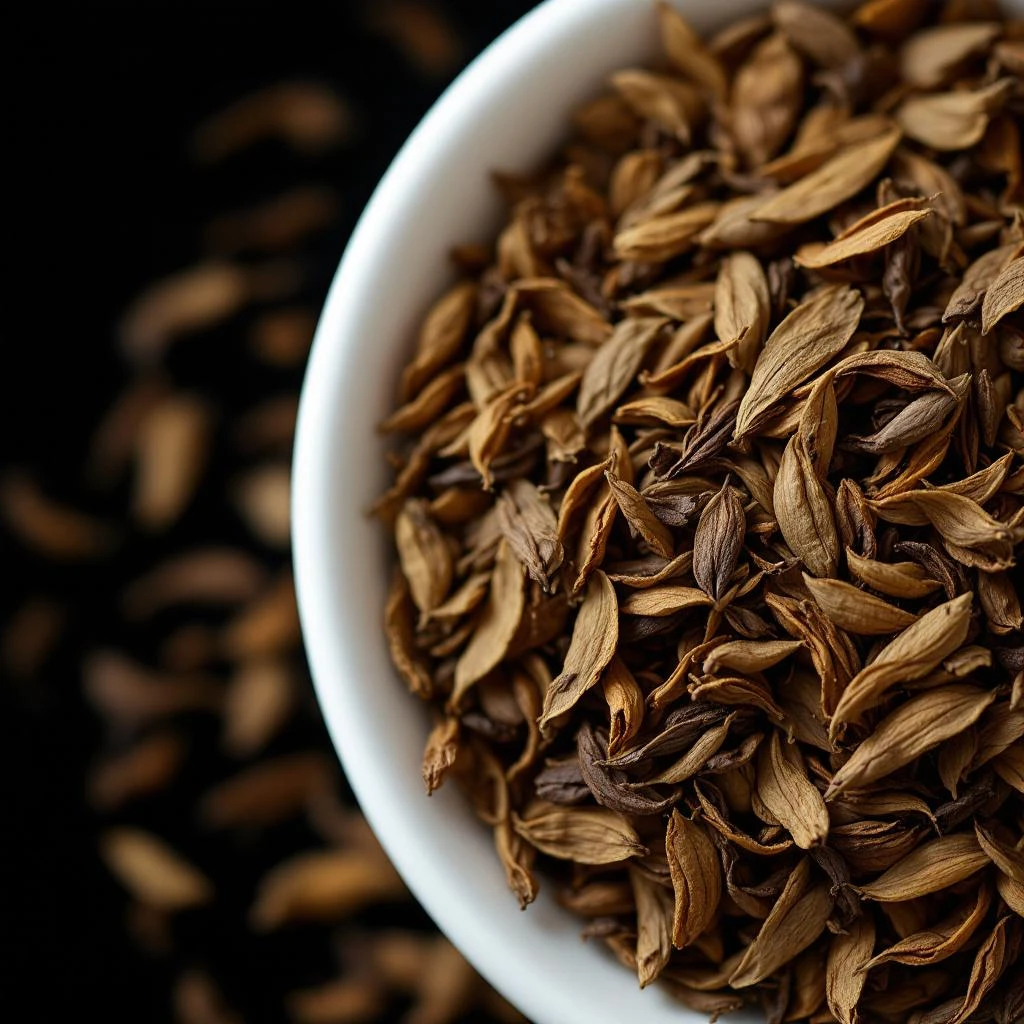
Coca
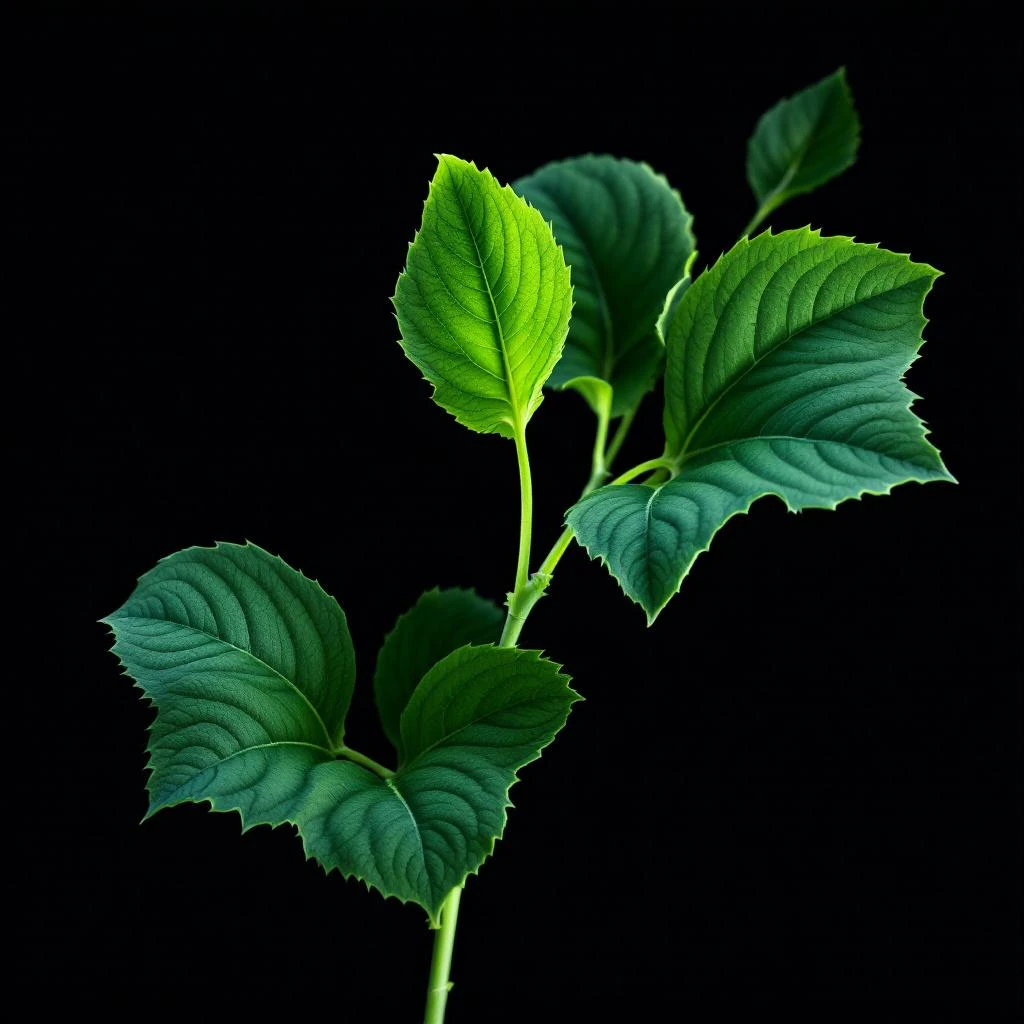
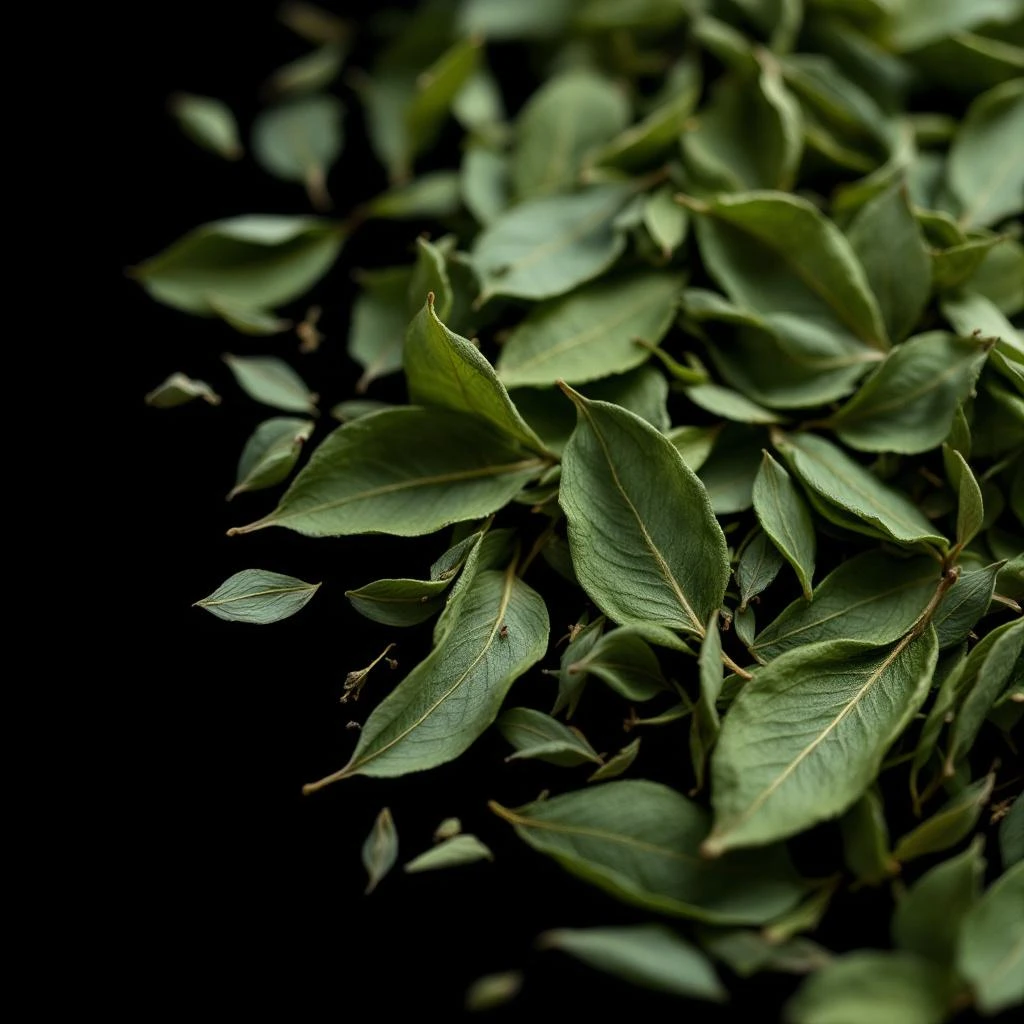
The green, slightly bitter leaf that indigenous Andean peoples have chewed for energy and ceremony for centuries now inspires perfumers with its herbaceous, tea-like warmth.
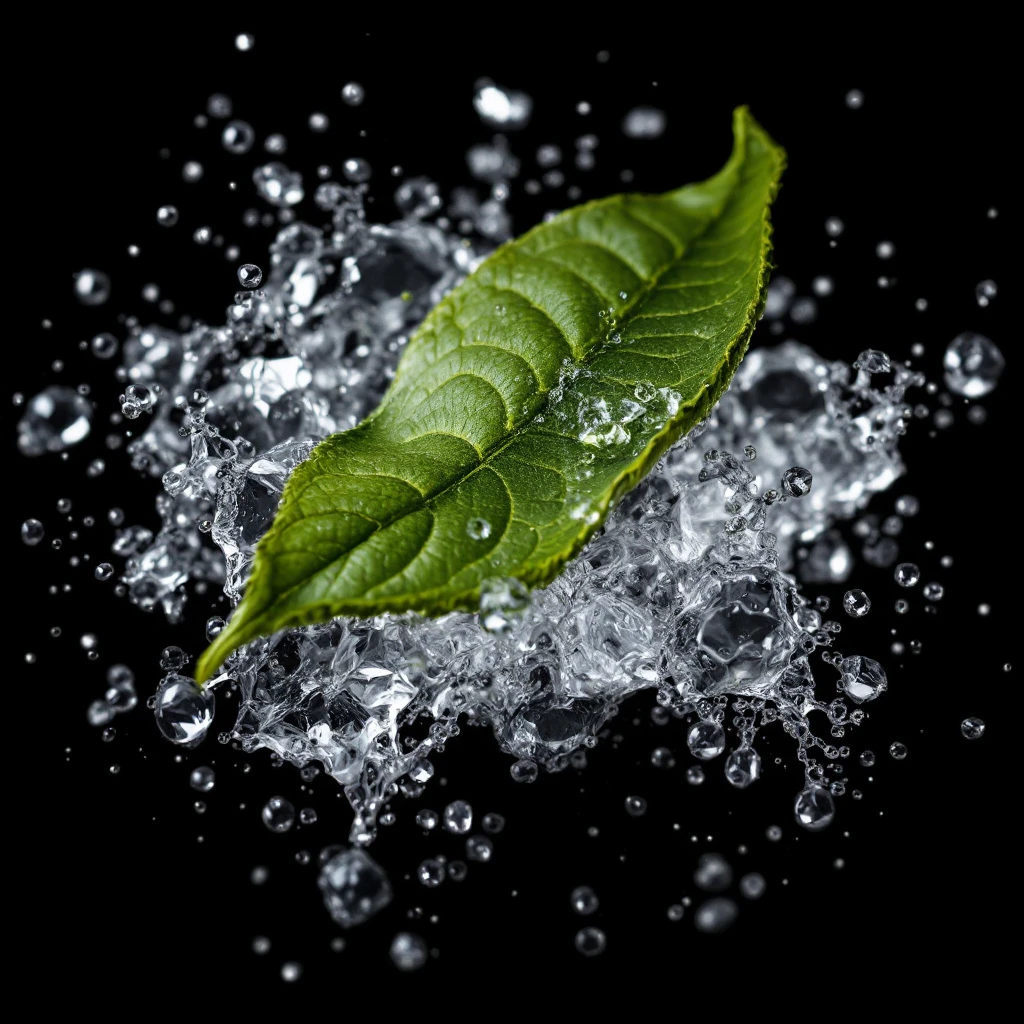
Character
How it smells
Andean heritage leaf with herbaceous, tea-like aroma
Peruvian priests used coca leaves in rituals 3,000 years ago, long before modern chemistry isolated its compounds.



Origin
Peru
Coca has anchored Andean cultures for at least 3,000 years. Pre-Incan priests incorporated the leaves into religious ceremonies, believing they facilitated communication with divine forces. The Inca empire formalized coca's role, reserving the finest leaves for royalty and religious use while commoners chewed the rest during labor and ritual.
Spanish colonizers initially banned indigenous coca use, viewing it as pagan, but quickly reversed course when they realized their mines required indigenous workers who could not function without the plant's stimulant properties. The colonial period cemented coca's economic importance throughout the Andes. In 1855, German chemist Albert Niemann first isolated the alkaloid cocaine, triggering a brief period of cocaine's inclusion in medicines and tonics before the addictive potential became clear.
Contemporary perfumery revisits coca with fresh eyes, valuing the leaf's aromatic complexity rather than its pharmaceutical properties.
Wears it best
Fragrances featuring Coca
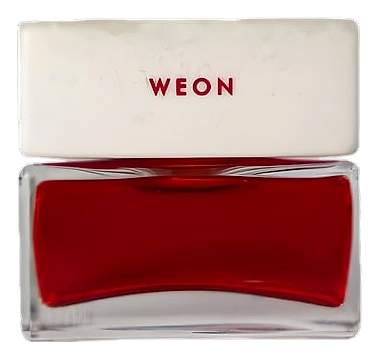
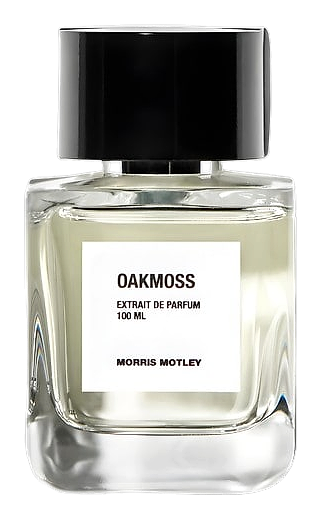

Brands
Brands known for Coca
Good to know
Questions, answered
The essentials on Coca in perfumery: how it smells, where it comes from, and how it behaves on skin.
Is coca used in commercial perfumes?
Coca appears in select fine fragrances as a supporting green note. Perfumers use the absolute sparingly to add herbaceous, slightly bitter dimensionality rarely achieved through more common ingredients.
What does coca smell like?
Coca absolute presents as green, herbaceous, and slightly bitter with subtle tea and hay nuances. The scent carries an earthy authenticity that distinguishes it from synthetic green notes.
Is coca fragrance safe to use?
Fragrance-grade coca extracts undergo processing that removes or minimizes alkaloid content. Regulatory bodies permit its use in consumer products under specific concentration limits.
Can coca be the main note in a perfume?
Coca typically functions as a supporting note rather than a dominant feature. Its subtle character works best when layered with complementary ingredients like bergamot, cedar, or light florals.
How does coca differ from cocaine in fragrance?
Coca fragrance uses the whole leaf's aromatic profile. Pharmaceutical cocaine extraction isolates specific alkaloids, while perfumery extraction captures the broader volatile aromatic compounds.
When did perfumers first use coca?
Modern fragrance use of coca emerged in the late 20th century as producers developed legal extraction methods for the regulated plant, though indigenous peoples have valued the leaf for millennia.
Is coca legal in fragrance ingredients?
International treaties permit coca leaf cultivation for non-pharmaceutical purposes. Fragrance manufacturers source from licensed producers in Peru and Bolivia where legal frameworks allow commercial production.
Does coca have caffeine?
Coca leaves contain no caffeine. The tea-like quality in the fragrance comes from the plant's natural volatile compounds, which share aromatic characteristics with brewed tea but derive from different chemical sources.