The Story
Why it exists.
The beginning
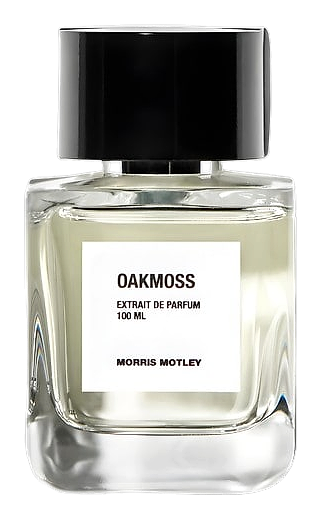
Morris Motley's Oakmoss arrived in 2020, designed by Karine Vinchon-Spehner, with a straightforward premise: oakmoss as the structural core, not a decorative afterthought. In an industry that had largely sidelined the note due to IFRA restrictions, this was a quiet act of defiance. The Brutalist philosophy that underpins the entire house made it possible. If your brand identity is built on material honesty and structural clarity, you don't hide oakmoss behind something softer. You build with it.
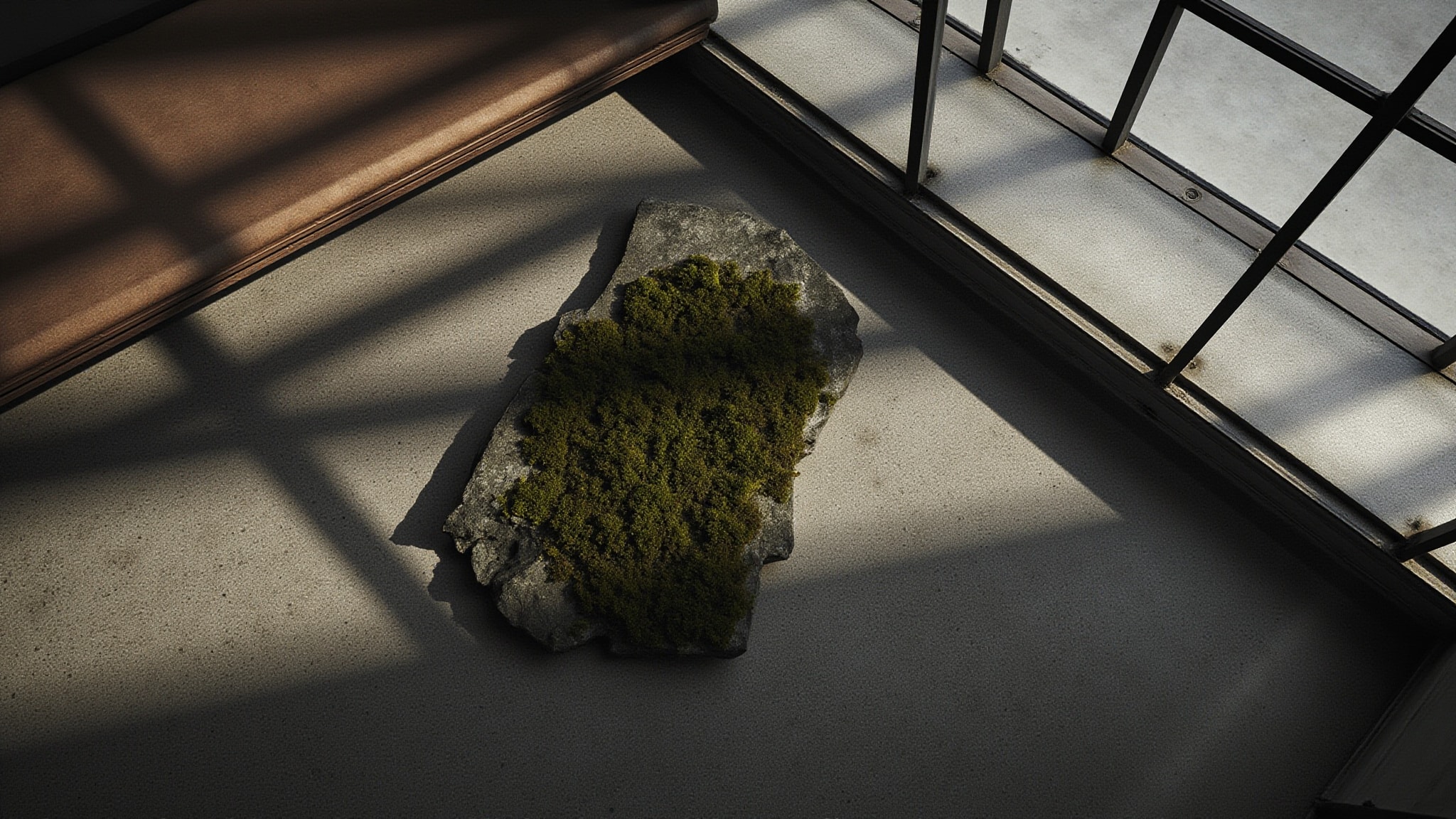
Oakmoss in perfumery functions less like a note and more like geology. It sits beneath the composition, coloring everything above it with a damp, forest-floor quality that most modern fragrances avoid entirely. Leather does the heavy lifting here, but oakmoss gives it depth, the difference between a photograph and a landscape. Coca, a polarising material that sits somewhere between bitter cocoa and something faintly animalic, adds an unexpected warmth that keeps the green notes from turning clinical. Cedar and white pepper thread through the middle, giving the fragrance a quiet sharpness that never overwhelms. The result is a composition that reads as architectural: load-bearing materials, no ornamentation.
The evolution
The opening announces leather and white pepper in quick succession. No ceremony. The pepper arrives first, sharp and dry, like the smell of an unlit candlewick. Within five minutes, the cedar begins to emerge, and with it, the oakmoss, not the bright citrus-green of a fresh fragrance, but something darker, damp, the smell of stone walls after rain. This is the phase that defines Oakmoss. The heart settles into a quiet tension between warm cedar and cool moss, shifting almost imperceptibly over the next two hours. The drydown belongs to the oud and patchouli, a warm, resinous base that lingers on fabric for eight to ten hours on most skin types. On paper, it lasts the next day.
Cultural impact
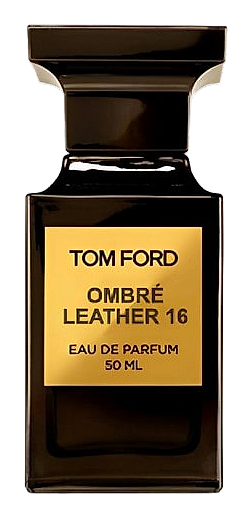
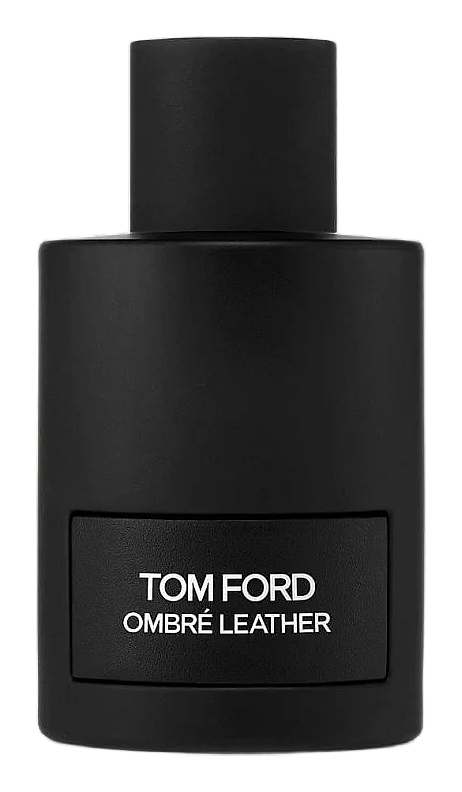
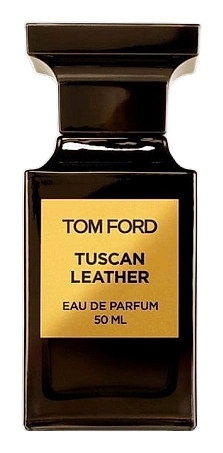
Oakmoss found its audience among wearers who've been waiting for modern perfumery to stop hedging on oakmoss. The 2020 release arrived at a moment when the note had become rare enough to feel like a statement. It draws comparisons to Tom Ford's leather compositions and stands apart from them through its green, mossy undercurrent, a quality that neither Ombré Leather nor Tuscan Leather attempts. Those who own it tend to reach for it repeatedly, which is the clearest signal that a fragrance has found its person.