Coast Redwood
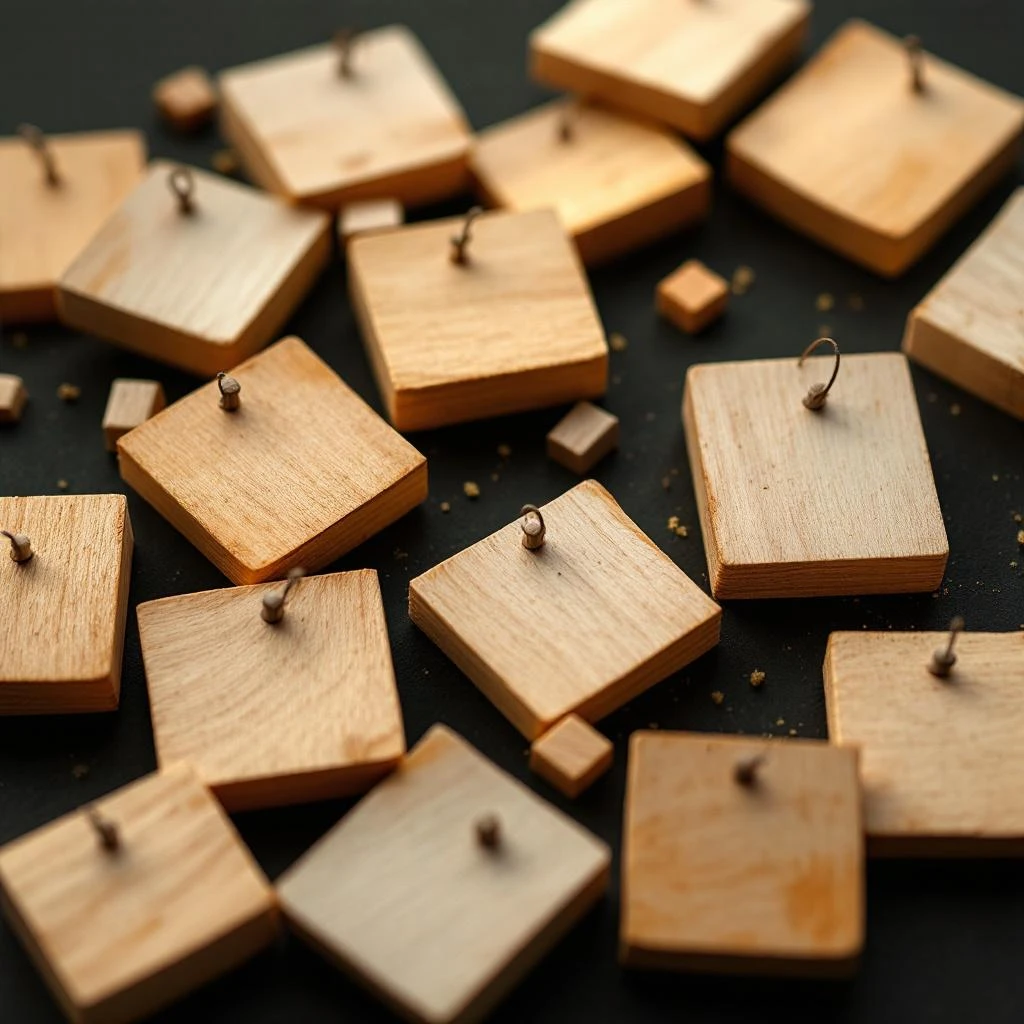
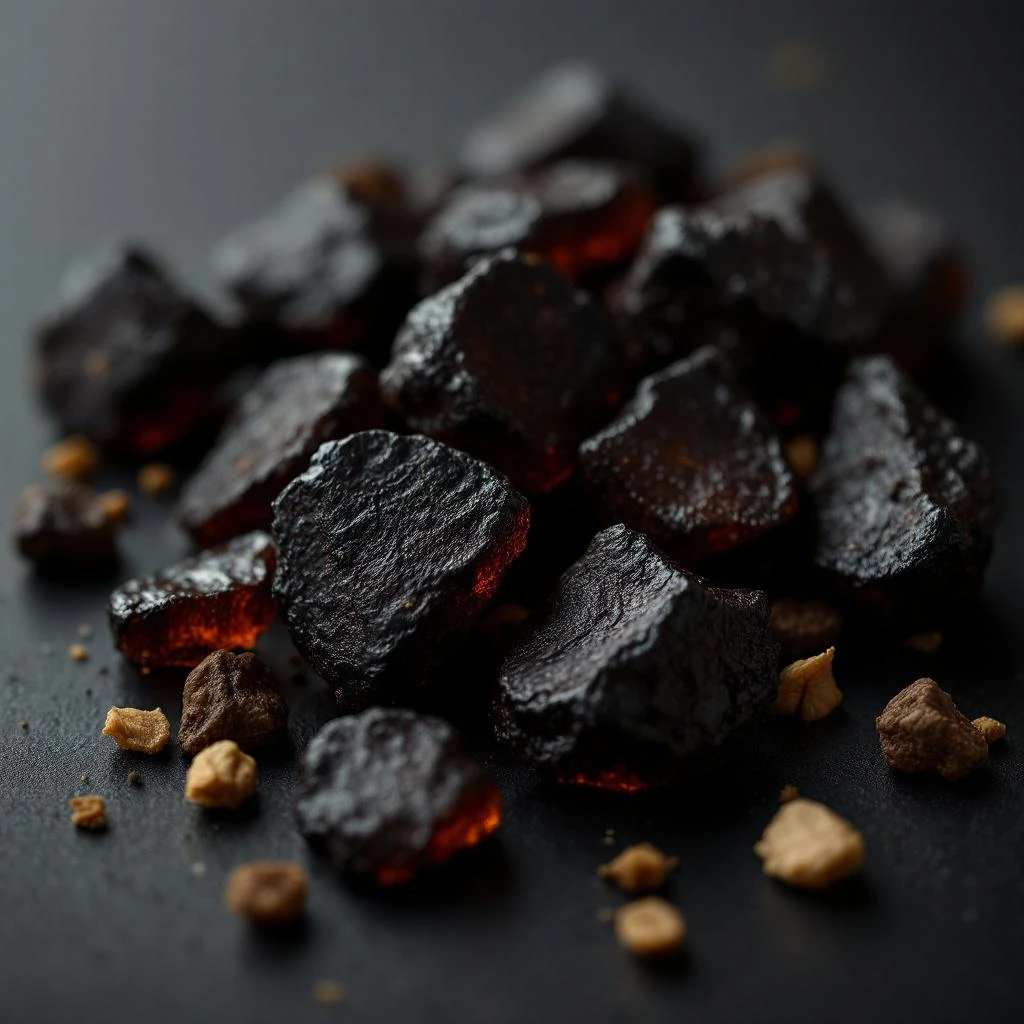
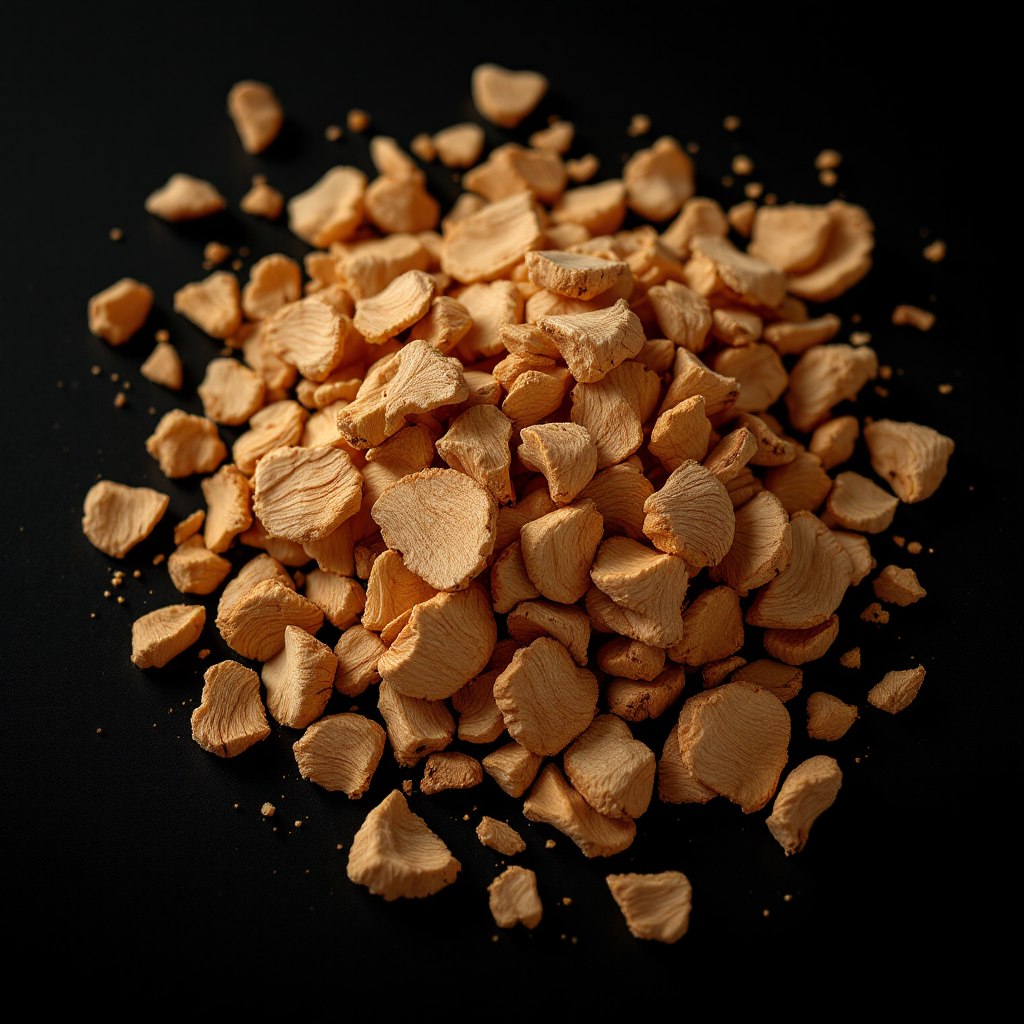
Coast redwood brings a crisp, coniferous lift to fine fragrance, its aromatic profile evoking the quiet stillness of old-growth groves. A rare botanical note prized for its crisp wood-wood character and atmospheric depth.
Character
How it smells
The breath of ancient groves, bottled
Coast redwood trees can live over 2,000 years, and their aromatic oils have likely perfumed Northern California fog for millennia before humans ever captured them.
Pairs beautifully with
Origin
United States
Indigenous peoples of the Pacific coast, including the Yurok and Tolowa, held coast redwood in deep reverence long before European contact. They used the bark, wood, and needles in ceremonial practices and recognized the tree's aromatic properties as spiritually significant. By the late 19th century, redwood perfume existed as a curiosity in Western cosmetics cabinets, with surviving Victorian-era bottles suggesting it was marketed as an exotic novelty during the 1880s to 1910s.
The tree's near-mythic status grew alongside the American conservation movement of the early 20th century, when figures like John Muir campaigned to protect old-growth groves. In contemporary niche perfumery, coast redwood has experienced a quiet revival as perfumers seek unusual coniferous materials with environmental narratives. Australian and Californian artisan houses have been particularly active in exploring sustainable extraction from managed plantations.
The note occupies a distinctive space today: too protected for mass production, yet culturally resonant enough to anchor compositions that aim to evoke wild, ancient landscapes.
Wears it best
Fragrances featuring Coast Redwood
Brands
Brands known for Coast Redwood
Good to know
Questions, answered
The essentials on Coast Redwood in perfumery: how it smells, where it comes from, and how it behaves on skin.
What does coast redwood smell like in perfume?
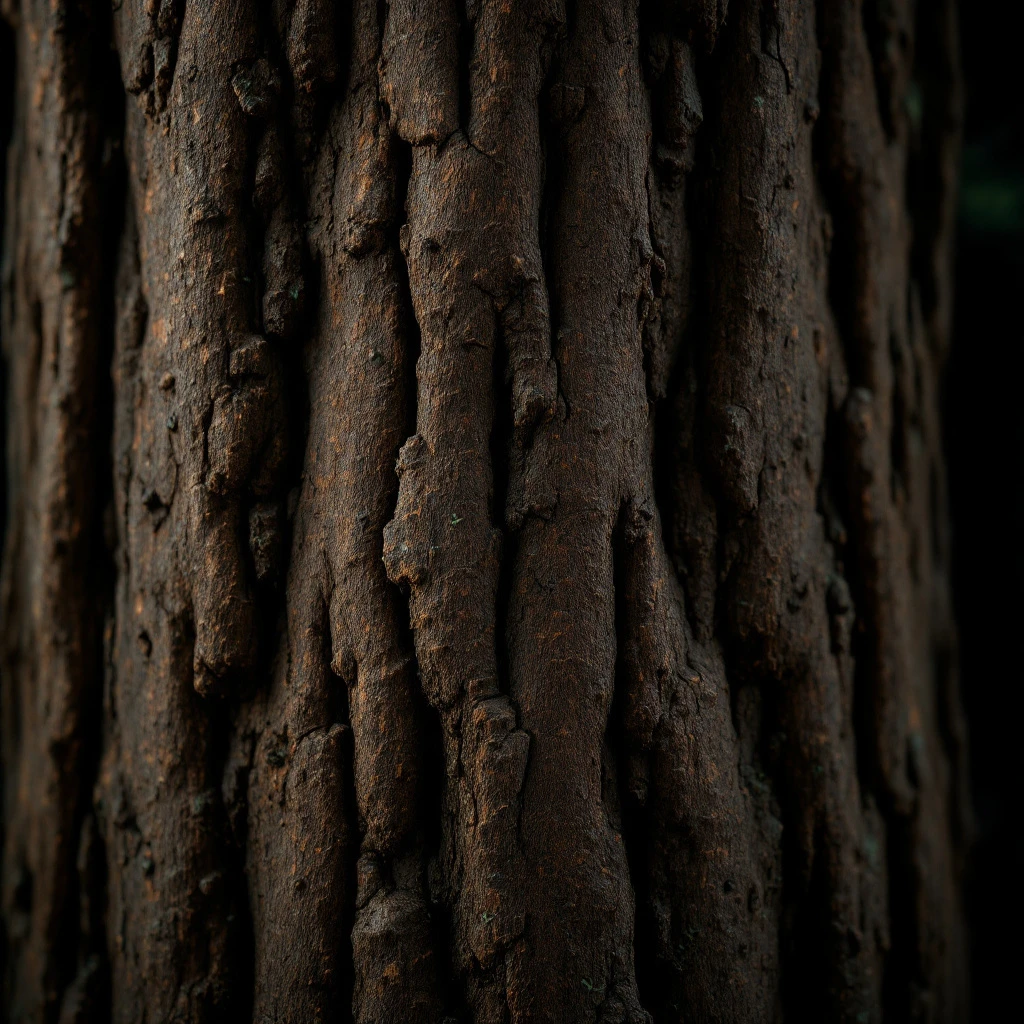
Coast redwood produces a crisp, dry coniferous scent with subtle resinous sweetness. It reads fresher and greener than cedar, with a clean atmospheric quality reminiscent of damp forest air rather than dense wood. The note typically appears as a middle-layer accent in compositions.
Is coast redwood a natural or synthetic note?
Most redwood notes in commercial perfumery are synthetic reconstructions. Genuine steam-distilled Sequoia sempervirens oil exists only through limited small-batch operations, often sourced from fallen trees or managed plantations under conservation restrictions.
Why is natural coast redwood oil so rare?
The species is protected under conservation law in California, and living trees cannot be harvested for distillation. Production is restricted to small artisan operations using fallen timber, needle litter, or sustainably managed replanting programs, keeping natural yields extremely low.
When did redwood first appear in Western perfumery?
Redwood perfume appeared in Western cosmetics during the late Victorian era. Surviving bottles from approximately 1880 to 1910 suggest it was marketed as an exotic novelty, though it never achieved the widespread popularity of other woody materials.
How does coast redwood differ from cedar in fragrance?
Coast redwood smells greener, fresher, and less sweet than cedar. Cedar leans toward warm, pencil-shaving dryness, while redwood carries more of a crisp, resinous, almost mentholated lift that evokes foggy Northern California groves.
Are there sustainability concerns with redwood perfumery?
Yes. Because Sequoia sempervirens is a protected species, ethical sourcing matters significantly. Reputable houses use only fallen timber, plantation material, or fully synthetic reconstructions. Buyers should look for transparency about origin when seeking genuine natural redwood oil.
Which perfumers use coast redwood in their compositions?
Several niche and artisan houses, particularly those based in California and Australia, have featured redwood accords. It remains uncommon in mainstream fragrance due to sourcing constraints, appearing more frequently in independent and nature-inspired lines.
What fragrance families does coast redwood work well with?
Coast redwood pairs naturally with woody, aromatic, and fresh families. It complements other coniferous notes, mossy accords, citrus tops, and green herbal materials, grounding brighter compositions with its dry, atmospheric character.