Citron Tree Wood
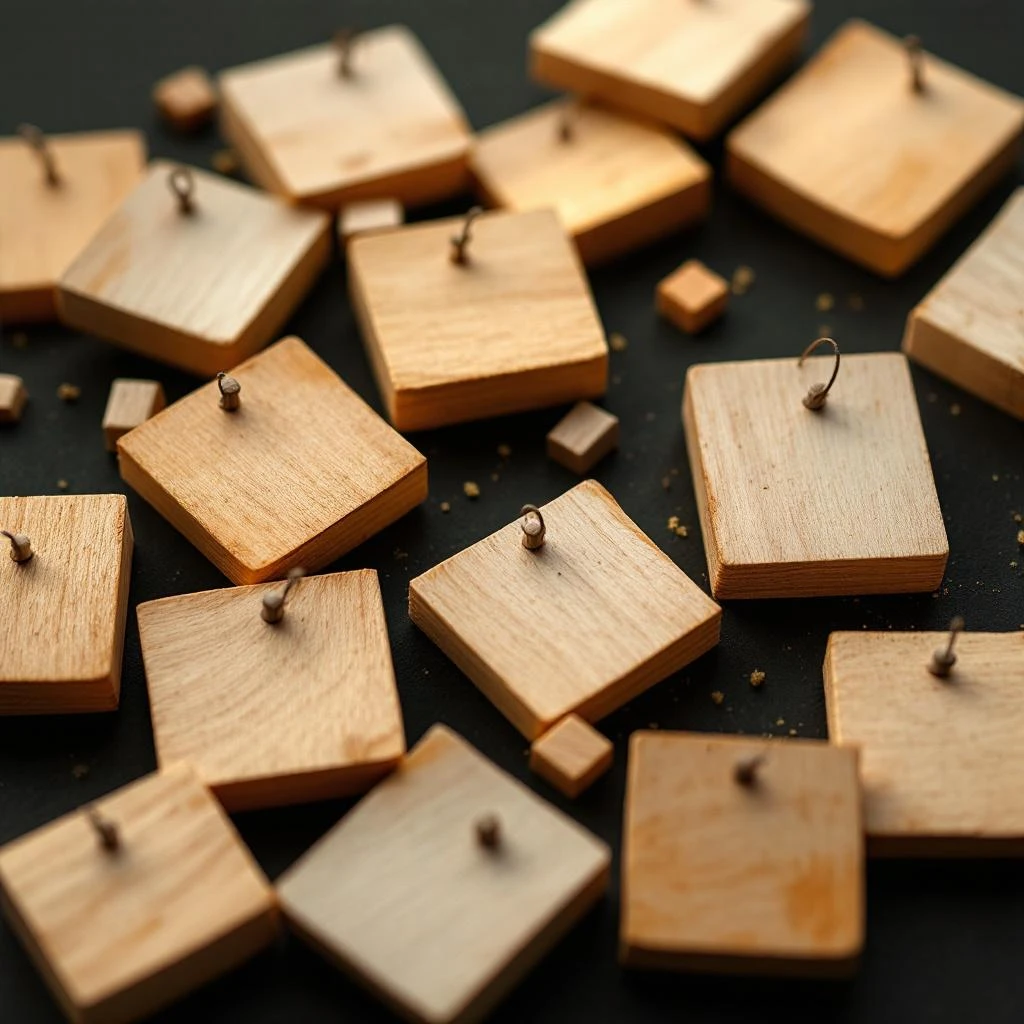
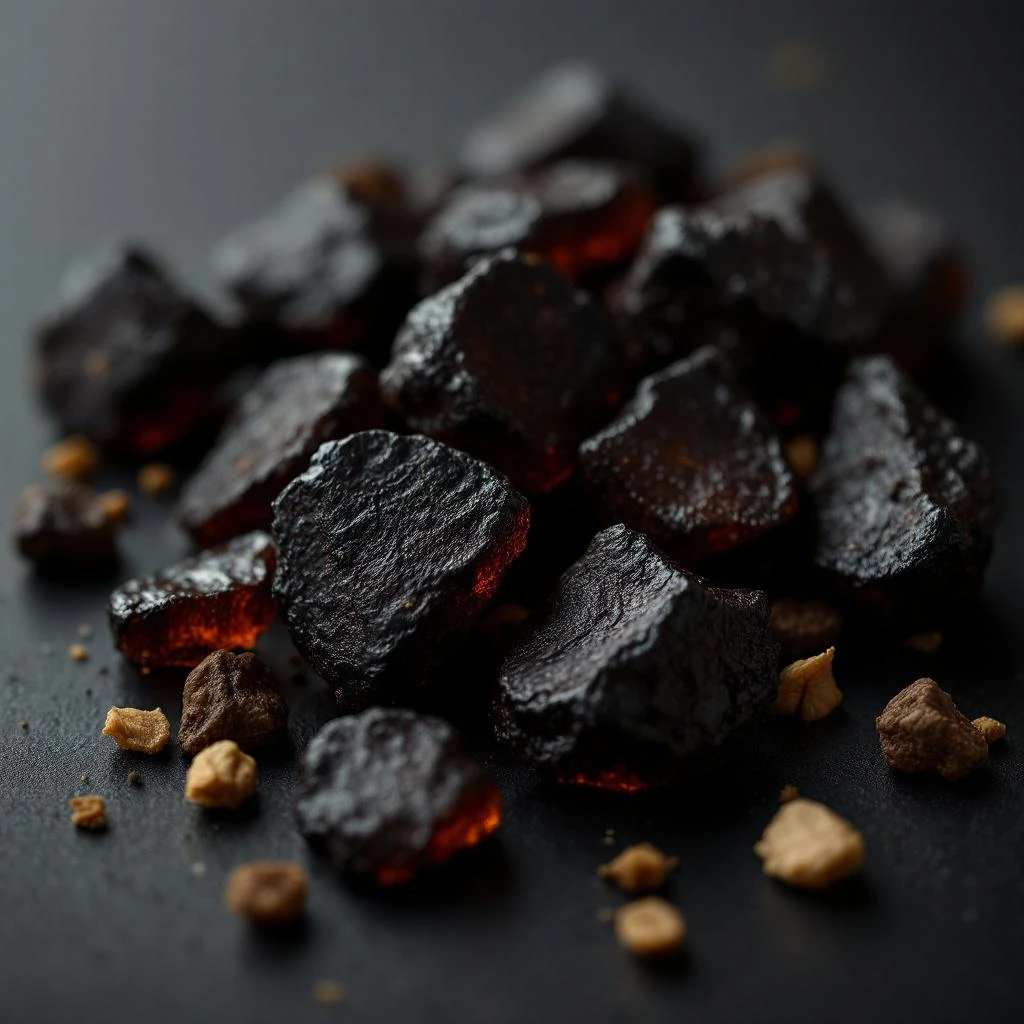
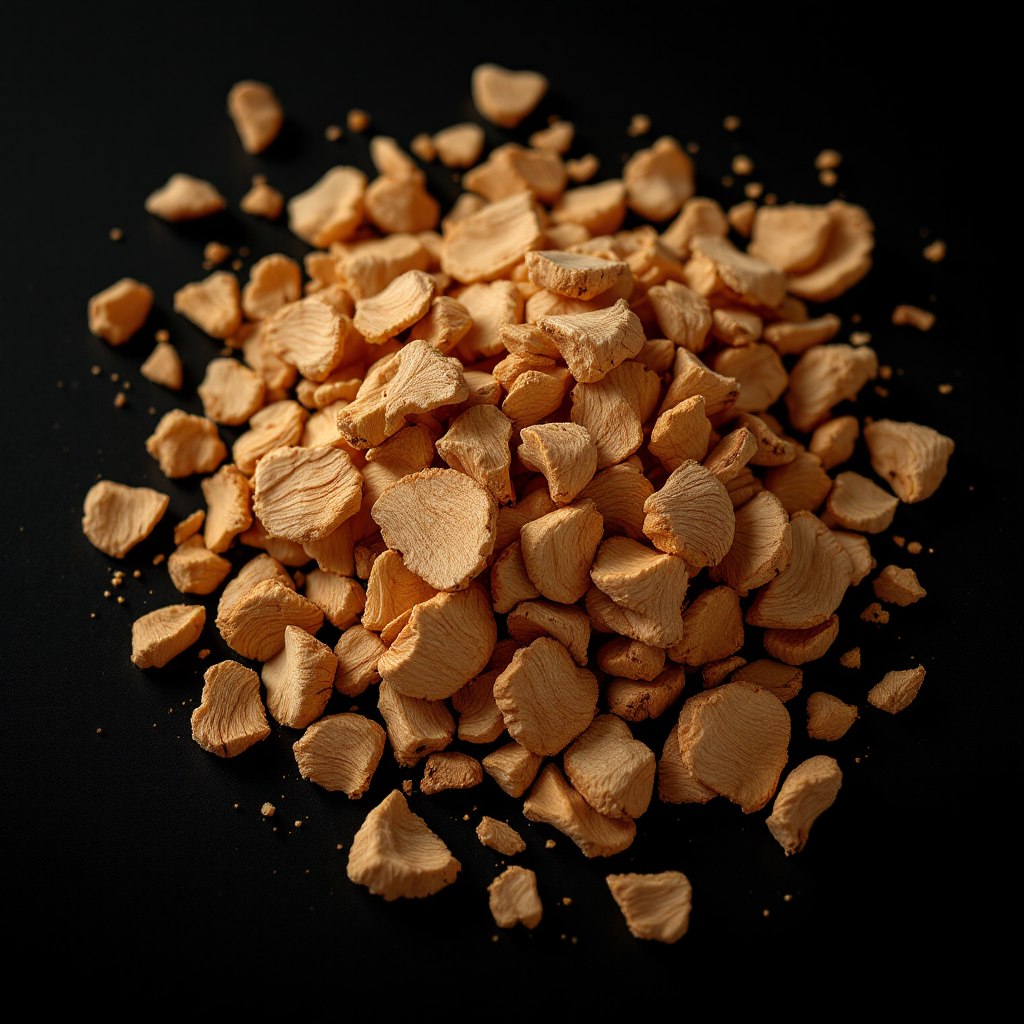
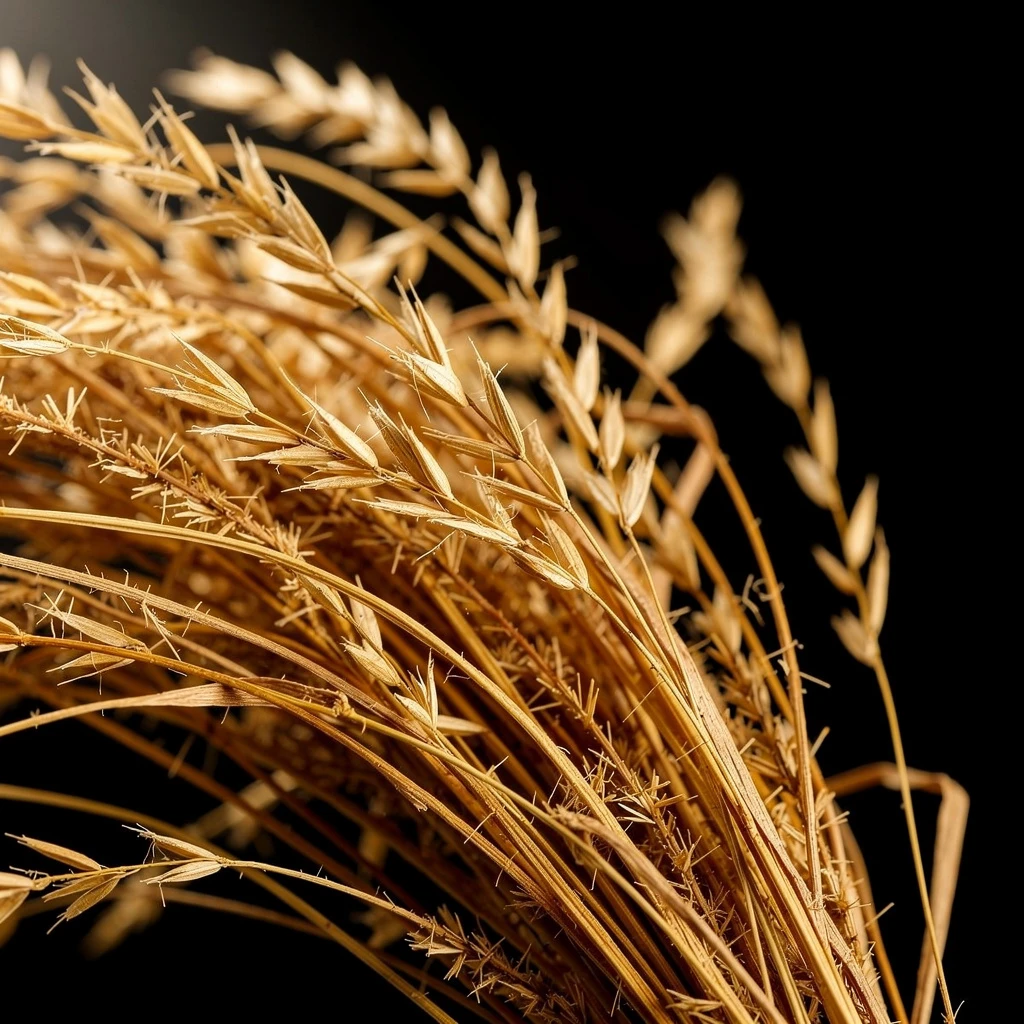
Citron Tree Wood carries the quiet, resinous soul of the citron orchard. Beneath its bright fruit reputation lies a dense heartwood with a dry, smoky citrus character, bridging the gap between zest and bark in one aromatic profile.
Character
How it smells
The smoky heart hidden beneath citrus zest.
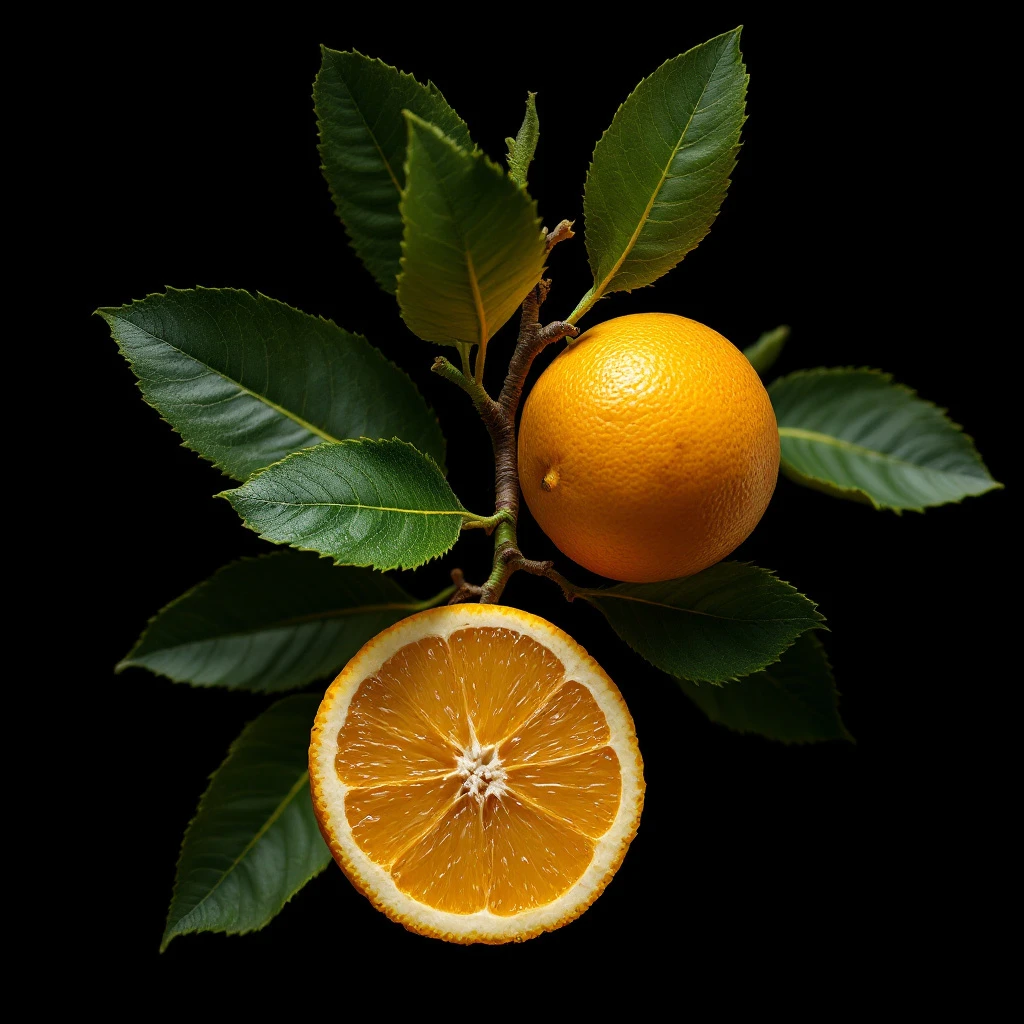
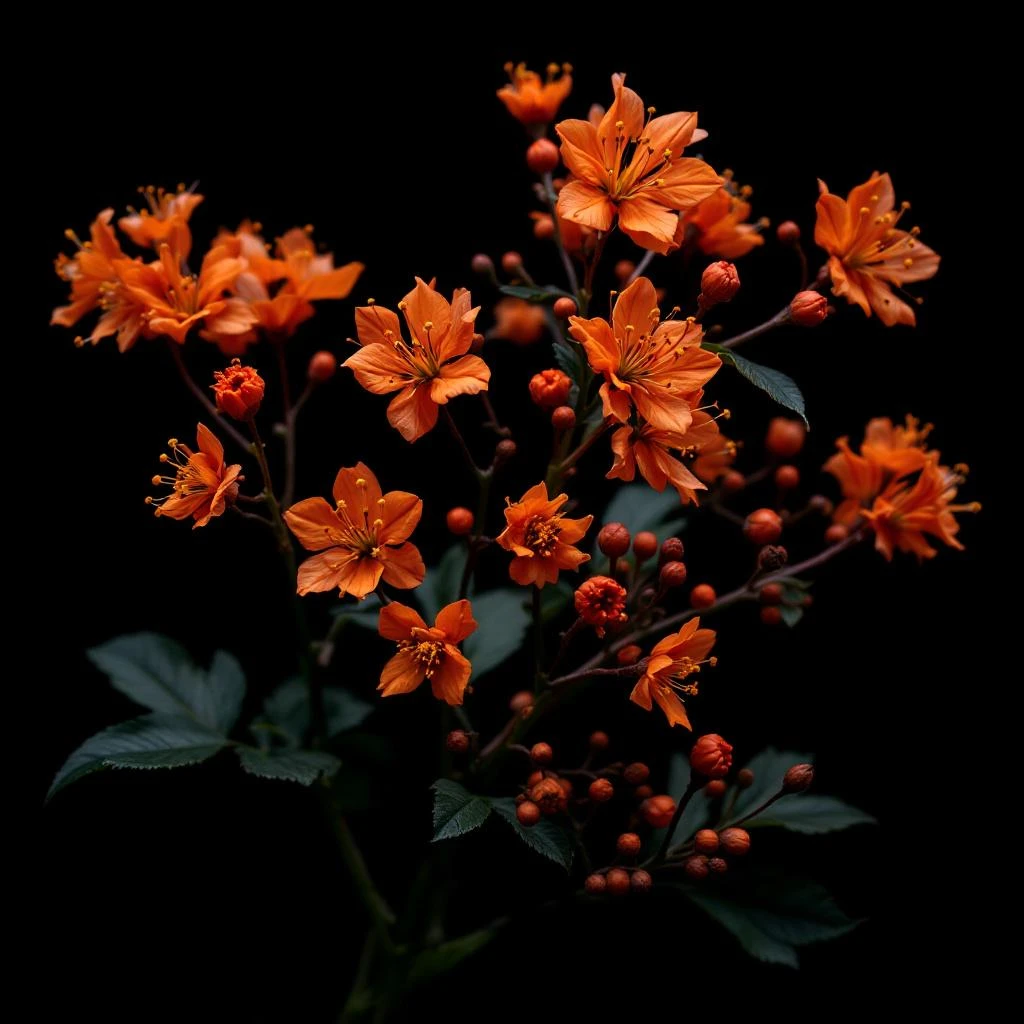
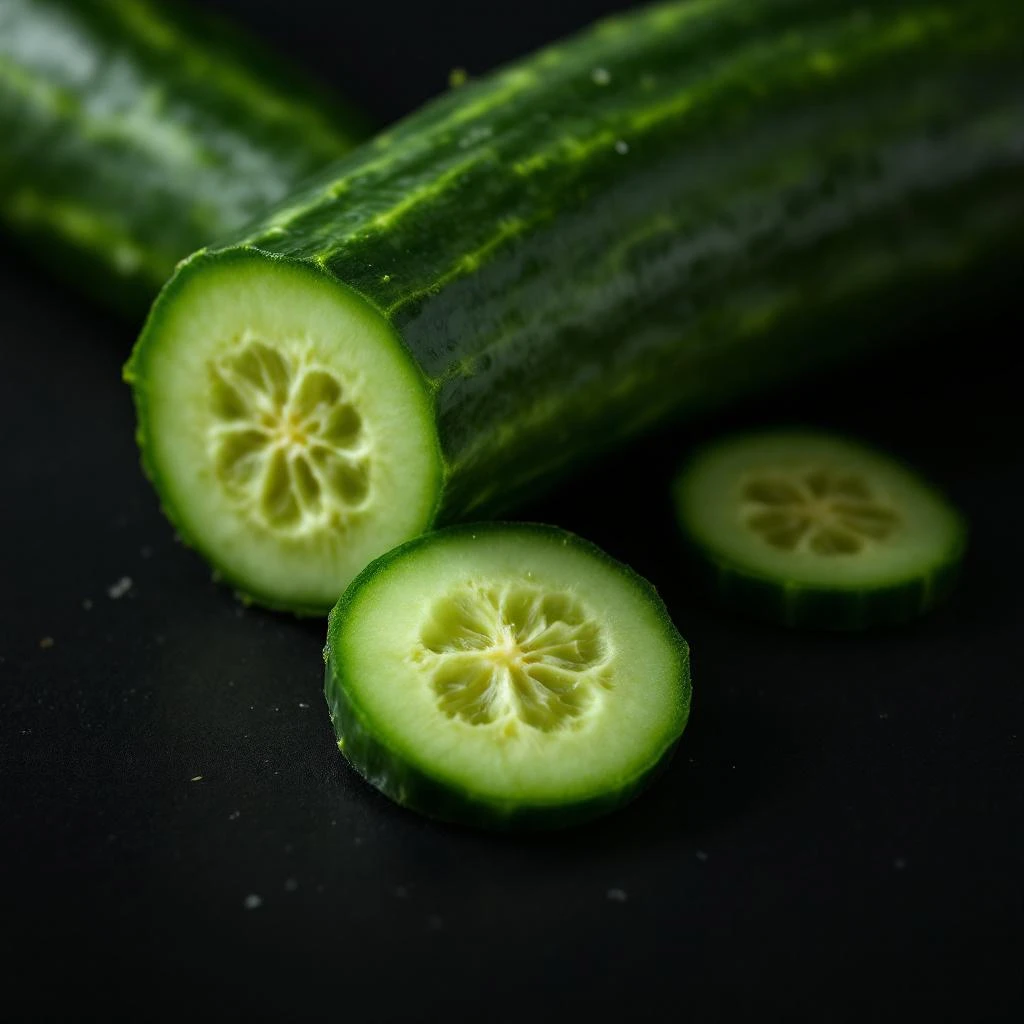
Citron (Citrus medica) is one of the oldest cultivated citrus species, with a botanical lineage traced back over 4,000 years to ancient Persia and the Indus Valley.
Origin
India
Citron holds a singular place in fragrance history as the original citrus of the Mediterranean basin. Brought westward from Persia and India by ancient traders, it was among the first citrus fruits encountered by Greek and Roman civilizations, where its thick, fragrant peel featured in early unguents and ceremonial oils.
Jewish tradition elevated the fruit further through the Etrog, used during Sukkot, while Arab perfumers in medieval Al-Andalus refined distillation techniques that eventually preserved the peel's bright aroma. The wood itself rarely entered fragrance formulations historically, since perfumers focused almost exclusively on the leaf, flower, and peel.
Yet as modern niche perfumery began exploring overlooked citrus byproducts in the early 21st century, several independent houses turned attention to pruned orchard wood, seeking the deeper, smokier register that the bright peel could never provide. This shift reflects a broader curiosity about whole-tree utilization, echoing traditions such as cedarwood distillation in the Atlas Mountains or vetiver root harvesting in Haiti.
Wears it best
Fragrances featuring Citron Tree Wood
Brands
Brands known for Citron Tree Wood
Good to know
Questions, answered
The essentials on Citron Tree Wood in perfumery: how it smells, where it comes from, and how it behaves on skin.
What does Citron Tree Wood smell like in perfume?
Citron Tree Wood smells dry, smoky, and lightly bitter, with a woody backbone and faint citrus brightness. It sits between the fresh sharpness of citron peel and the deep warmth of aged hardwood, giving compositions a grounded character.
Is Citron Tree Wood different from citron peel oil?
Yes. Citron peel oil is bright, zesty, and dominated by limonene, while citron tree wood oil is darker, drier, and more resinous. The wood reveals smoky and faintly bitter facets that the peel never displays.
Where does citron wood for fragrance come from?
Most citron wood originates from cultivation regions in India, where Citrus medica has been grown for millennia. Secondary sources include Mediterranean orchards in Italy and Greece, often using pruned branches.
How is citron tree wood fragrance extracted?
Producers chip the heartwood and steam-distill it to release the volatile compounds. Yields are typically low because the dense wood holds far less aromatic oil than the peel or leaves.
Why is citron wood rarely used in mainstream perfumery?
Low distillation yields and limited raw material make pure citron wood oil expensive and uncommon. Most mass-market fragrances recreate the effect through synthetic aroma molecules rather than the natural material.
What fragrances commonly feature citron tree wood?
It appears primarily in niche and artisan compositions seeking unusual citrus-wood hybrids. Independent perfumers favor it for adding dry, smoky depth to otherwise bright or green formulas.
Is citron the same as lemon or bergamot?
No. Citron (Citrus medica) is a distinct species, larger, more aromatic, with thick peel and minimal pulp. Its oil chemistry and historical use predate widespread cultivation of lemon and bergamot.
How old is the citron tree in cultivation?
Citron is one of humanity's oldest cultivated fruits, with evidence of domestication dating back roughly 4,000 years to ancient Persia and the Indus Valley region of South Asia.