Chive
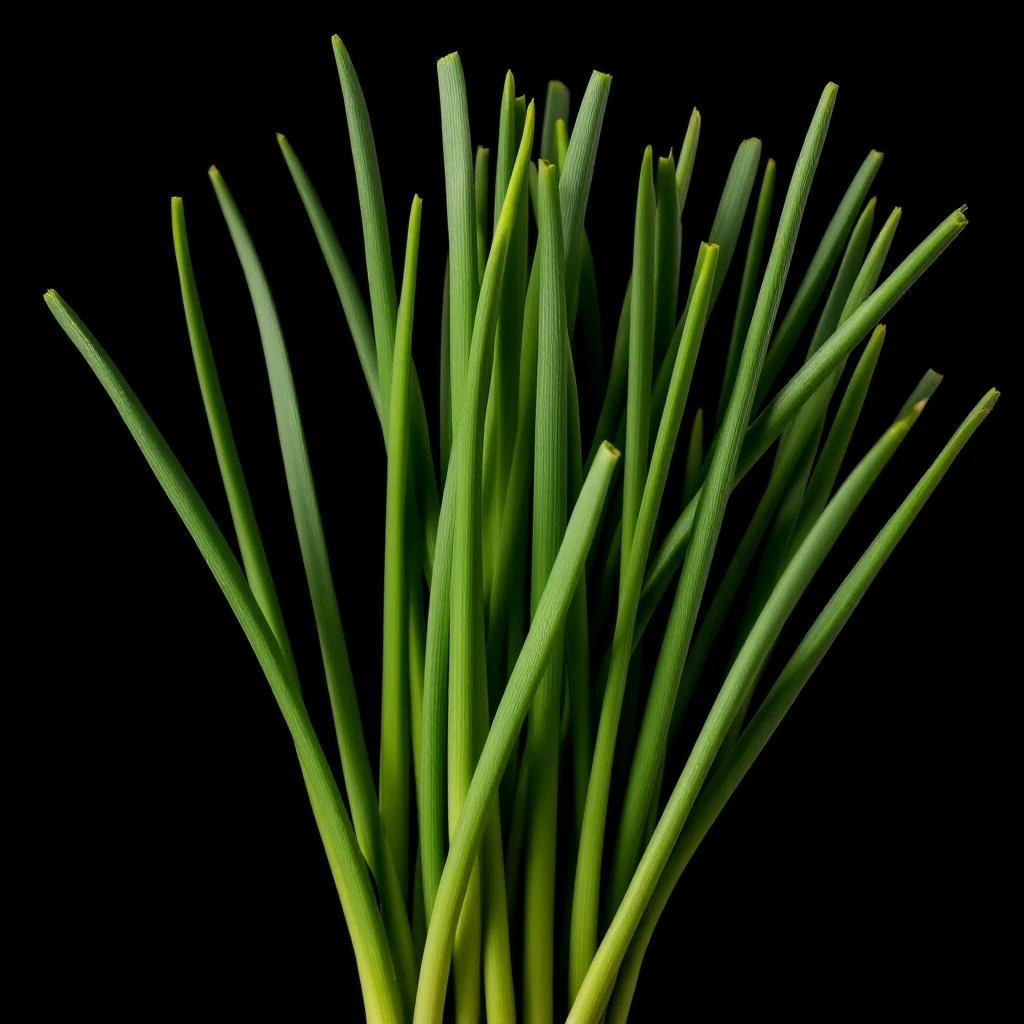
Chive brings a sharp, green, onion-like snap to fragrance compositions, prized for its herbaceous pungency and unexpected freshness. This kitchen-garden herb lends an unconventional savory edge that cuts through heavy florals and gourmands with clean, grassy precision.
Character
How it smells
A sharp green spark from the kitchen garden
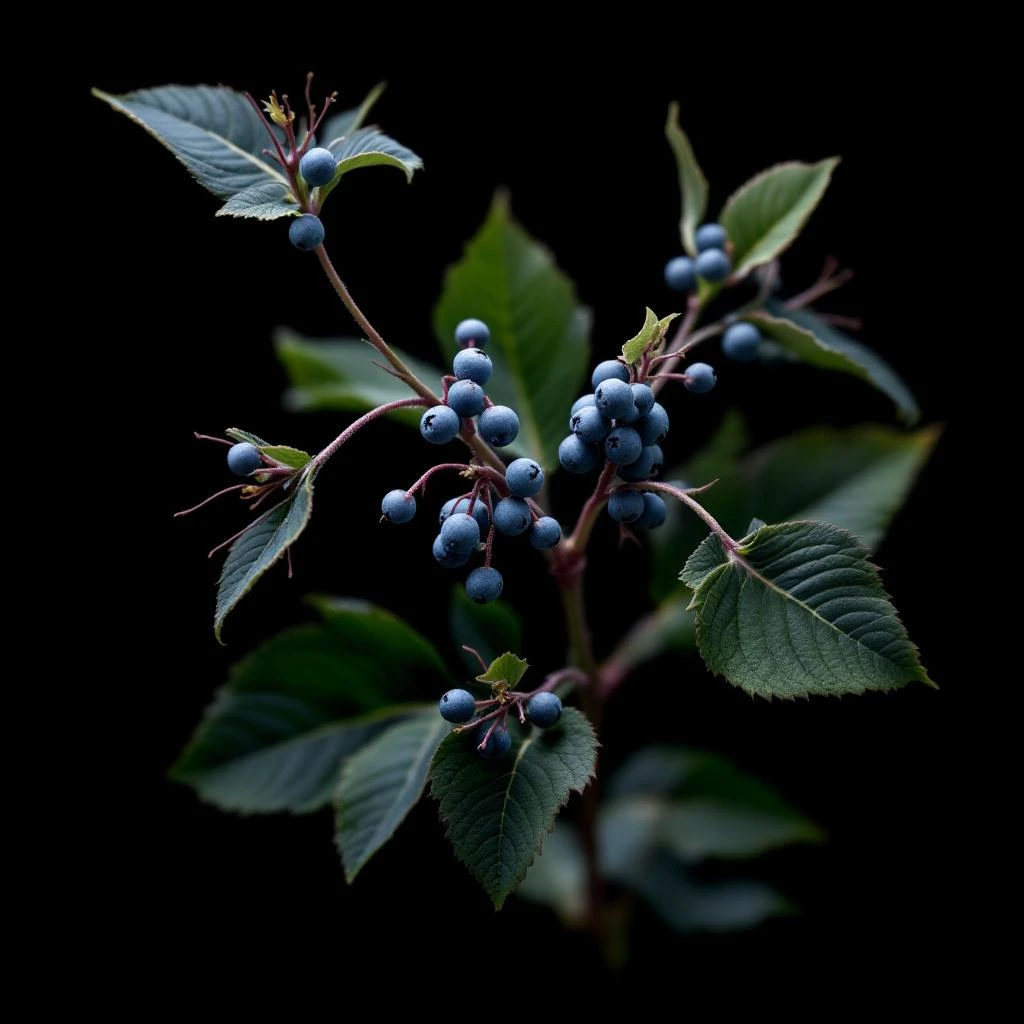
Chive blossoms produce a mild sweet-and-savory aroma, but the leaves contain the highest concentration of sulfur compounds that give this herb its distinctive snappy character.
Origin
China
Chives, Allium schoenoprasum, rank among the oldest recorded culinary herbs, with references dating back over 5,000 years to ancient Chinese cultivation. The Romans believed chives could relieve the pain of burns and sunburn and consumed them in quantities, though Emperor Nero reportedly disliked them. Medieval monastery gardens across Europe grew chives for both seasoning and medicinal purposes, and the herb spread northward with monastic agriculture.
Despite this long culinary lineage, chives never occupied a traditional place in classical perfumery. The shift toward savory, gastronomic fragrance compositions in the early 21st century changed that. Nose-leaders began experimenting with kitchen-garden ingredients, and chive entered niche compositions as a top-note novelty.
Its inclusion signals a broader trend: perfumers drawing from the spice rack and herb garden to create compositions that smell less like flowers and more like food, memory, and place.
Wears it best
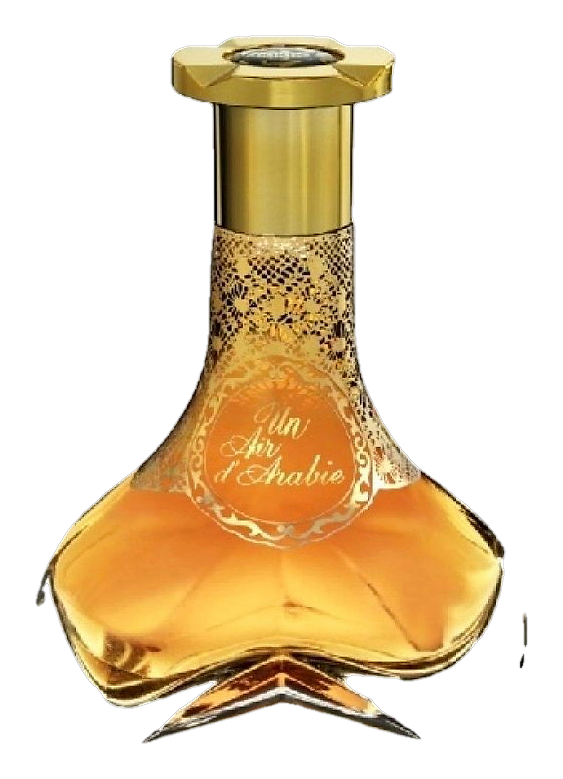
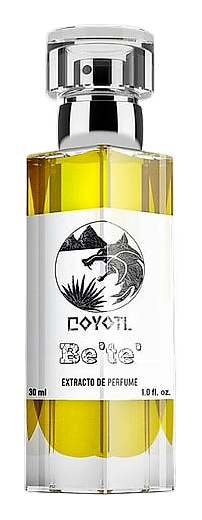
Fragrances featuring Chive
Good to know
Questions, answered
The essentials on Chive in perfumery: how it smells, where it comes from, and how it behaves on skin.
What does chive smell like in perfume?
Chive delivers a sharp, green, onion-like top note with grassy herbaceousness and subtle sulfurous pungency. It reads as fresh and savory rather than floral, often used to add an unexpected culinary snap to compositions.
Is chive a common fragrance ingredient?
Chive remains uncommon in mainstream perfumery. It appears primarily in niche and avant-garde compositions, where nose-leaders experiment with savory, kitchen-garden aromatics to push beyond traditional floral and woody structures.
How is chive extracted for fragrance use?
Steam distillation of fresh chive tops yields a pale yellow oil, though yields are low and quality varies. Most commercial chive notes rely on reconstructed aroma chemicals like dimethyl sulfide and cis-3-hexenol to mimic the living plant.
Does chive pair well with other fragrance notes?
Chive works well with green notes like galbanum and tomato leaf, herbaceous materials such as basil and tarragon, and unexpected pairings with vanilla or white florals where its sharp character contrasts soft sweetness.
Where does chive originally come from?
Chive cultivation traces back over 5,000 years to ancient China. The herb spread westward through trade routes and reached European monastery gardens by the medieval period, though it remained primarily culinary.
Is chive natural or synthetic in modern perfumery?
Natural chive oil exists but is rarely used commercially due to instability and cost. Synthetic reconstruction using isolated sulfur compounds and green aldehydes dominates, offering consistency that fresh-plant extraction cannot match.
What fragrance families feature chive?
Chive appears most often in green and aromatic fragrance families, occasionally in gourmand compositions seeking savory undertones. Its inclusion signals a move toward gastronomic perfumery that treats the kitchen as a source of serious aromatic material.
Can chive be considered a unisex fragrance note?
Yes. Chive's sharp green character carries no traditional gendered associations, and its culinary origin makes it equally suited to masculine, feminine, or truly unisex compositions seeking fresh, unconventional openings.