
The Story
Why it exists.
The beginning
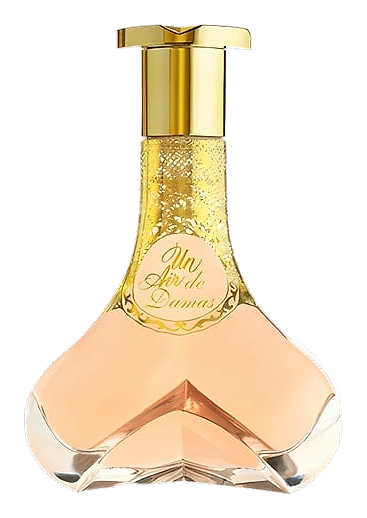
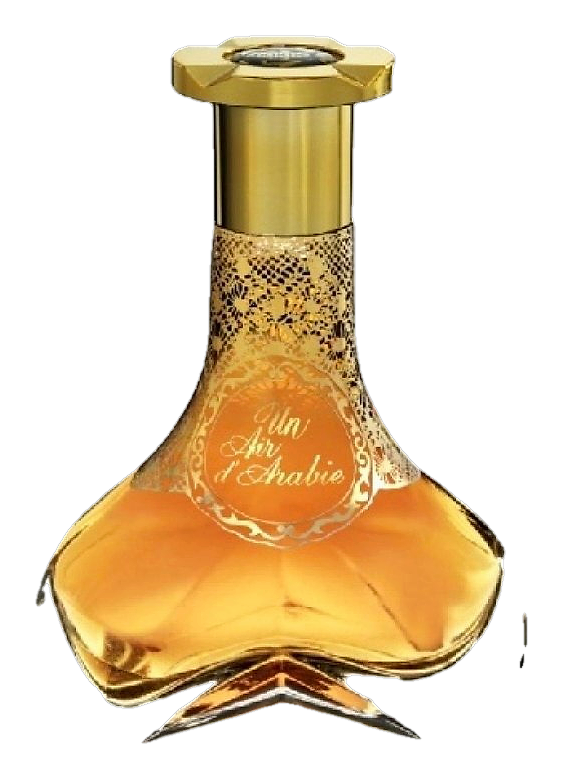
Dorin's founder was drawn to the legendary roses of Taif, a Saudi mountain village sitting 1,800 metres above sea level where damask roses grow in near-perfect conditions. The air there carries a particular clarity, and the roses produced there have a density of aroma that perfumers prize. In 2010, perfumer Nejla Barbir took on the challenge of translating that high-altitude bloom into a wearable form, working with pure damask rose essence and building outward from there.
Barbir's approach treats the Taif rose as a material to be framed rather than celebrated outright. The saffron in the opening acts as a foil, highlighting the rose's spice rather than its sweetness. The leather and amber in the heart give the composition its body, while the castoreum in the base adds the animalic dimension that distinguishes this from more conventional rose fragrances. The result is a scent that feels rooted in Arabian perfumery traditions while remaining accessible to Western sensibilities.
The evolution
The fragrance begins with rose and saffron, a pairing that feels simultaneously ancient and contemporary. The saffron adds a dusty, slightly medicinal quality that prevents the rose from reading as feminine or sweet. As the top notes soften, leather emerges from the heart alongside amber, creating a warm, textured middle that shifts the composition toward opulence. Orange blossom arrives as a supporting character, its bitter-floral quality adding complexity without dominating. The drydown introduces patchouli and sandalwood for woody depth, while castoreum provides the animalic finish that anchors the entire structure and gives it lasting power on skin.
Cultural impact
Un Air d’Arabie Rose of Taif reflects the historic reverence for the Taïf rose, a symbol of luxury in Arabian courts since the Ottoman era. By translating that heritage into a modern perfume, Dorin bridges centuries of trade routes, botanical cultivation, and cultural exchange, inviting wearers to experience a scent that carries both the mystique of ancient caravans and the contemporary elegance of today’s perfumery, reinforcing the rose’s status as a timeless emblem of refinement and regional identity.