Chinese Lantern
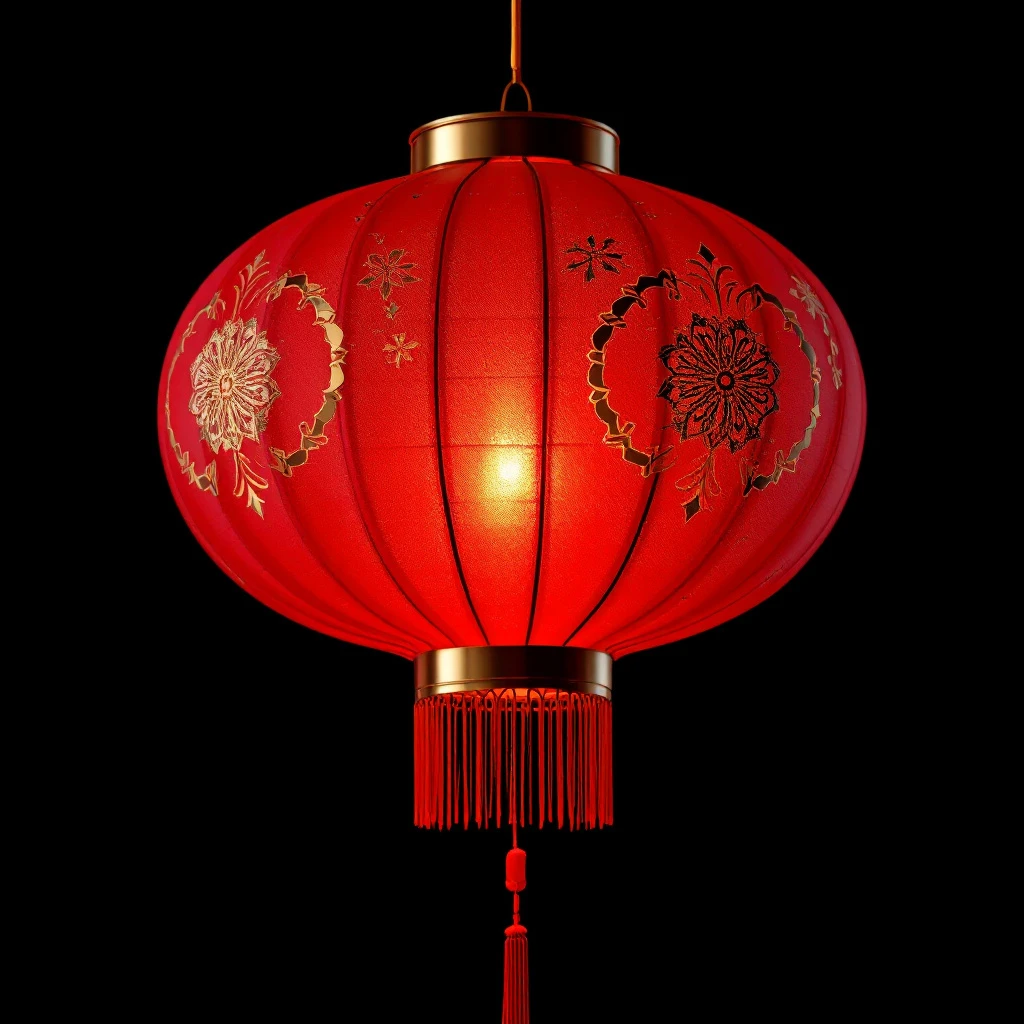
Chinese lantern, the bright orange calyx of Physalis alkekengi, carries a tart green-fruity scent prized in niche perfumery for adding tartness and lift to floral compositions.
Character
How it smells
A tart, green-fruity whisper inside a paper lantern
Despite its ornamental husk being the showpiece, the volatile aroma compounds in Physalis alkekengi actually concentrate in the berry itself, not the papery calyx.




Origin
China
Physalis alkekengi has been documented in Chinese materia medica since at least the Han dynasty, where physicians prescribed the dried calyx and berry for fevers, inflammation, and urinary complaints. The luminous orange husk earned it poetic names across East Asia, often planted in temple gardens as much for symbolism as for medicine. Its entry into fragrance was slow, because the plant produces only trace volatile oil and the perfumer's palette traditionally favored its showy relatives, like jasmine and osmanthus.
Distillation methods refined in China and Japan over the centuries made it possible to coax subtle aromatic material from delicate fruits, opening the door for botanicals once considered too faint for the bottle. In modern perfumery, Chinese lantern appears in niche and indie compositions seeking an unusual tart-green signature, bridging ancient herbal knowledge with contemporary extraction science.
Wears it best
Fragrances featuring Chinese Lantern

Brands
Brands known for Chinese Lantern
Good to know
Questions, answered
The essentials on Chinese Lantern in perfumery: how it smells, where it comes from, and how it behaves on skin.
What does Chinese lantern smell like in perfume?
Chinese lantern offers a tart, green-fruity note reminiscent of unripe gooseberry and cut stem, with a faintly bitter leafy edge. It typically appears in small amounts to add brightness rather than dominate a composition.
Is Chinese lantern a natural or synthetic fragrance ingredient?
It is a natural botanical, though the plant's low volatile oil yield makes true Physalis alkekengi extract rare. Many perfumers build reconstructed accords using green fruit esters and stemone to approximate its character.
What part of the Chinese lantern plant is used in perfumery?
The ripe berry carries most of the aromatic compounds, not the famed orange papery calyx. Berries are harvested in autumn and processed quickly to preserve their delicate green-fruity top notes.
Does Chinese lantern have a long history in traditional medicine?
Yes. Chinese pharmacopeias dating to the Han dynasty, roughly 2,000 years ago, recorded Physalis alkekengi for treating fevers and inflammation, giving it one of the longer herbal lineages in East Asia.
Why is Chinese lantern rare in commercial fragrances?
The plant produces only trace amounts of volatile oil, and solvent extraction yields are low. Seasonal harvests and labor-intensive processing keep true Chinese lantern material expensive and limited to niche houses.
Is Chinese lantern the same as tomatillo or Cape gooseberry?
No, although all belong to the Physalis genus, Chinese lantern specifically refers to Physalis alkekengi, valued for its bright orange husk. Its aroma profile is greener and more tart than sweeter Cape gooseberry.
What fragrance families does Chinese lantern work best in?
It performs well in green, fruity-floral, and modern chypre structures, where its tart lift can cut through heavier resins or musks. It also adds an unexpected edge to white floral compositions.
Can Chinese lantern essential oil cause skin sensitivity?
Like most botanical extracts, Chinese lantern material should be diluted before skin contact. Patch testing is recommended, particularly for individuals with sensitivities to nightshade-family plants.