Himalayan Poppy
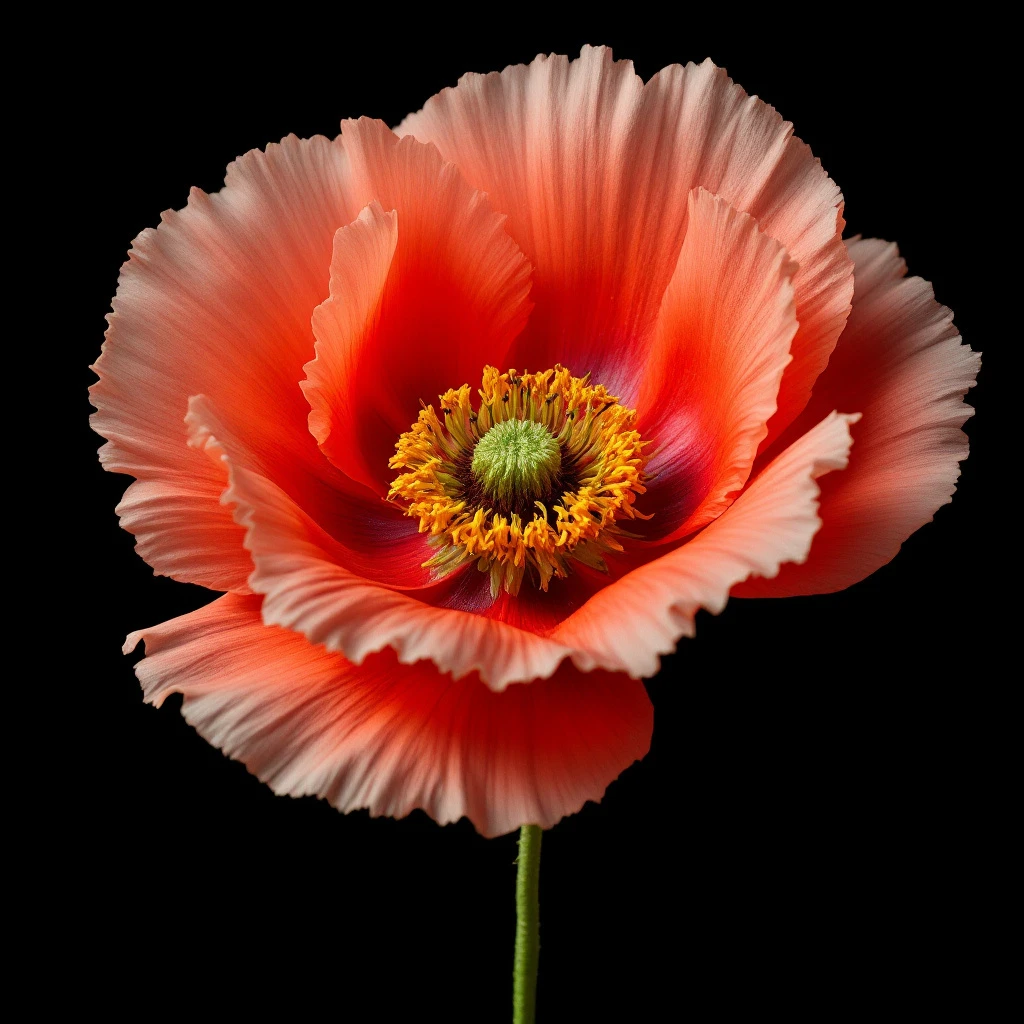
Himalayan Poppy captures the rarefied air of alpine meadows above 4,000 meters. Its ethereal blue blooms inspire perfumers to recreate a delicate, transient floral quality rarely found at such extreme altitudes.
Character
How it smells
Alpine delicacy in liquid form
Meconopsis betonicifolia became Bhutan's national flower in 2003, replacing the cypress press release was needed to announce the change.




Origin
Bhutan
Meconopsis betonicifolia, the Blue Poppy, holds deep cultural significance across the Himalayan region. The plant grows exclusively at extreme altitudes between 3,000 and 5,000 meters, thriving in the薄凉的空气 of alpine meadows.
Bhutan officially designated the Blue Poppy as its national flower in 2003, recognizing its symbolic connection to Himalayan identity. While ancient Himalayan cultures used various plants in incense and perfumery traditions, specific documentation of poppy use remains scarce.
What emerged instead was a long-standing appreciation for blue flowers in East Asian traditions, where they symbolize rarity and spiritual elevation. The flower's integration into fine perfumery reflects contemporary fragrance culture's fascination with botanical sources that carry geographical and emotional weight, transforming alpine dreams into wearable sensory experiences.
Wears it best
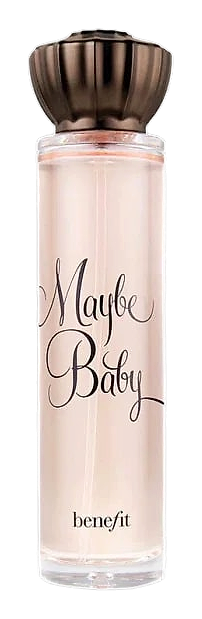
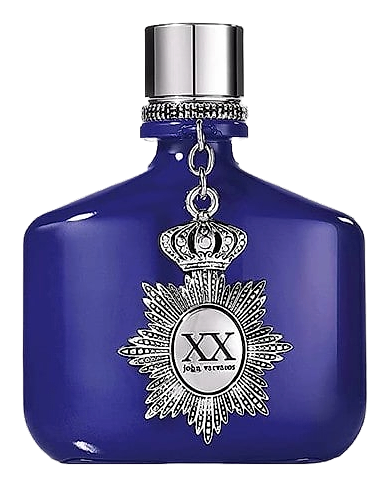
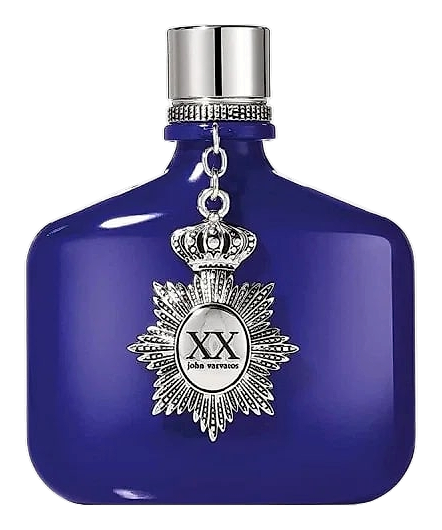
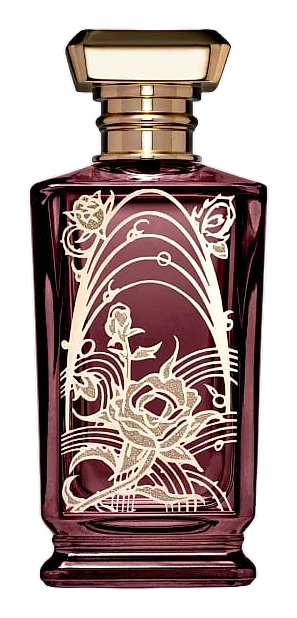
Fragrances featuring Himalayan Poppy
Brands
Brands known for Himalayan Poppy
Good to know
Questions, answered
The essentials on Himalayan Poppy in perfumery: how it smells, where it comes from, and how it behaves on skin.
Is Himalayan Poppy a natural fragrance ingredient?
Himalayan Poppy functions as a synthetic recreation in perfumery. The flower itself lacks extractable aromatic compounds, so perfumers use aromachemical combinations to capture its delicate, ethereal character.
What does Himalayan Poppy smell like?
The recreated note features delicate floralcy with green undertones, subtle powdery facets, and a gentle sweetness that evokes cool mountain air and morning dew.
Where does Himalayan Poppy grow naturally?
The plant thrives at elevations between 3,000 and 5,000 meters across the Himalayas, with primary populations in Bhutan, Tibet, and Yunnan's mountainous regions.
What is Himalayan Poppy called in its native region?
In Bhutan, the plant is known as Geku Phool. Meconopsis betonicifolia became Bhutan's official national flower in 2003.
Can Himalayan Poppy be extracted for perfume?
Direct extraction is not commercially viable. The flower contains minimal volatile compounds, making synthesis the only practical method for incorporating its character into fragrance.
What fragrances feature Himalayan Poppy?
The note appears primarily in niche and modern floral compositions, valued for adding ethereal, translucent quality to fragrance heart notes.
Why is Himalayan Poppy significant in perfumery?
Its significance lies in geographical and emotional resonance rather than aromatic potency. The high-altitude origin conveys rarity and pristine quality that appeals to contemporary fragrance consumers.
How is Himalayan Poppy represented in fragrance compositions?
Perfumers combine ionones, floral absolutes, and green aromachemicals to evoke the fresh, delicate, slightly green character of the alpine bloom.




