Chervil
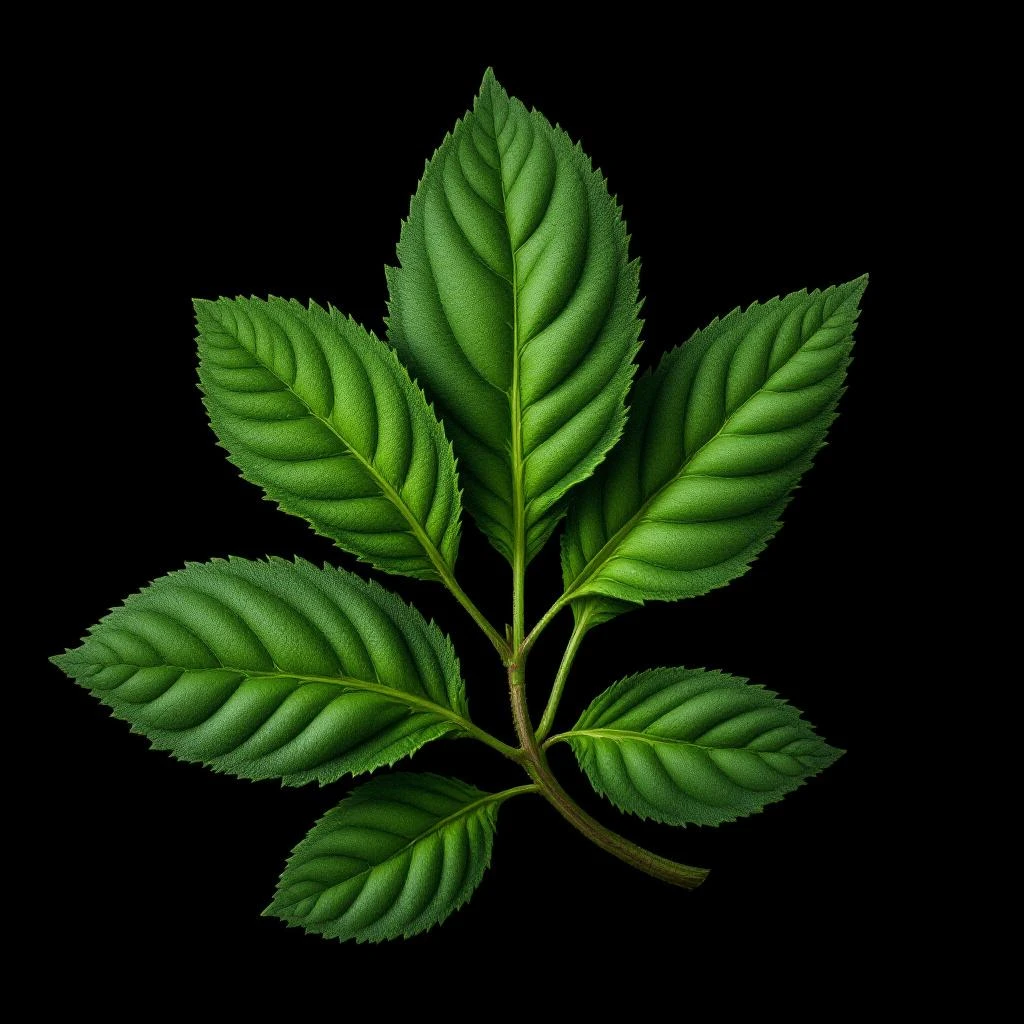
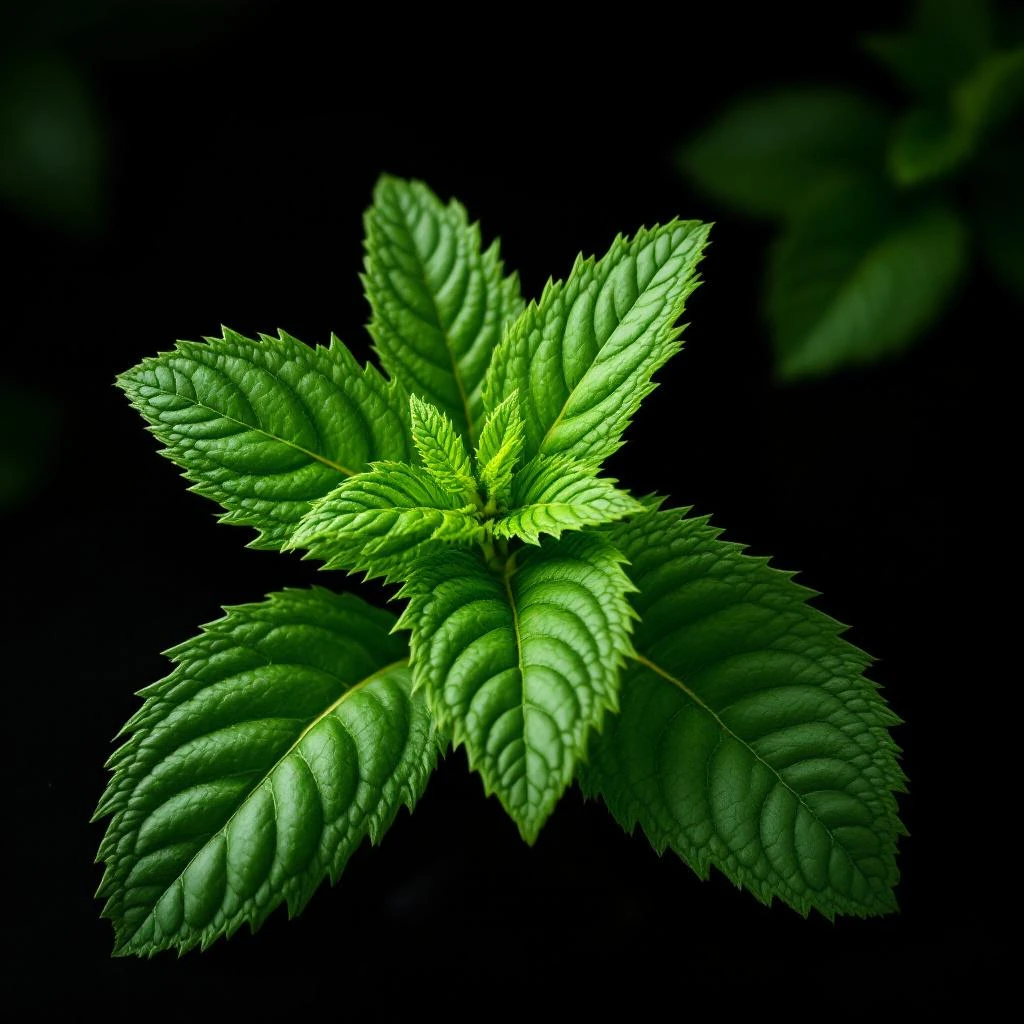
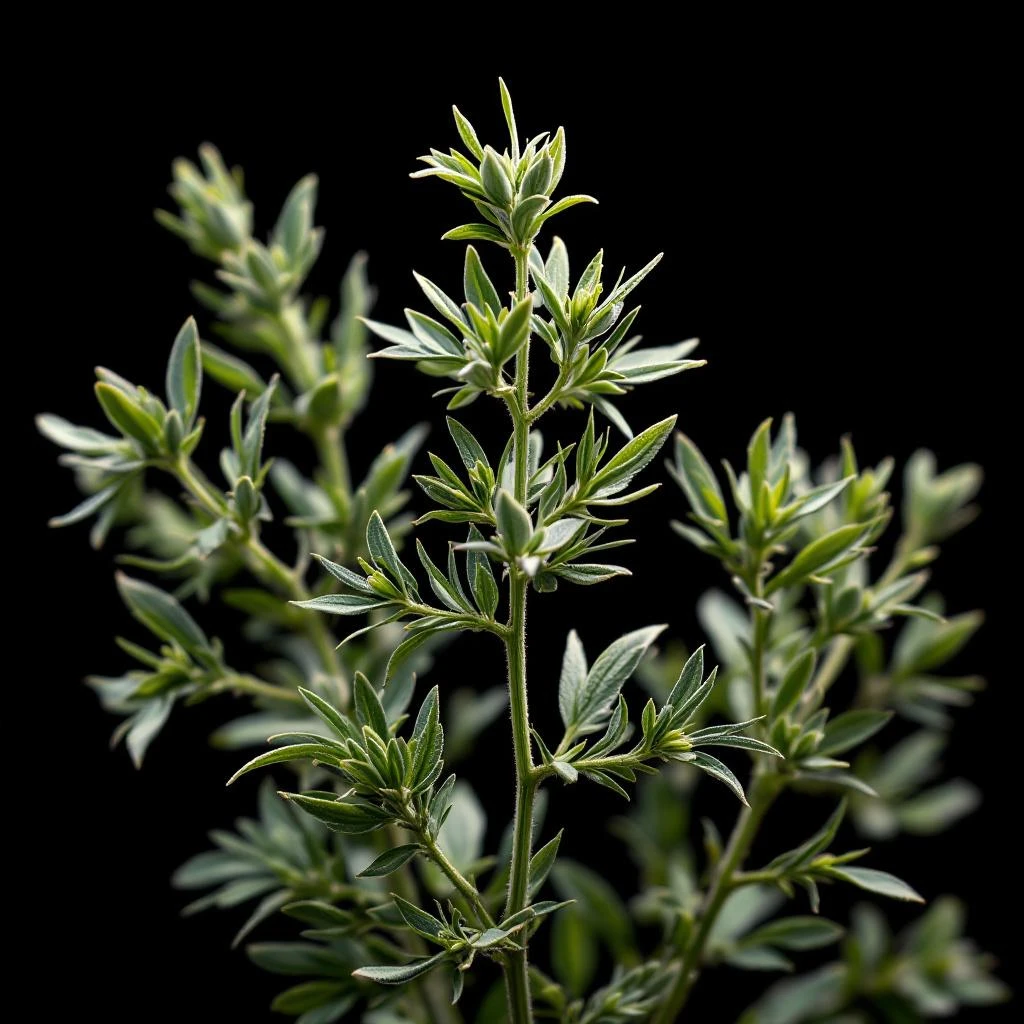
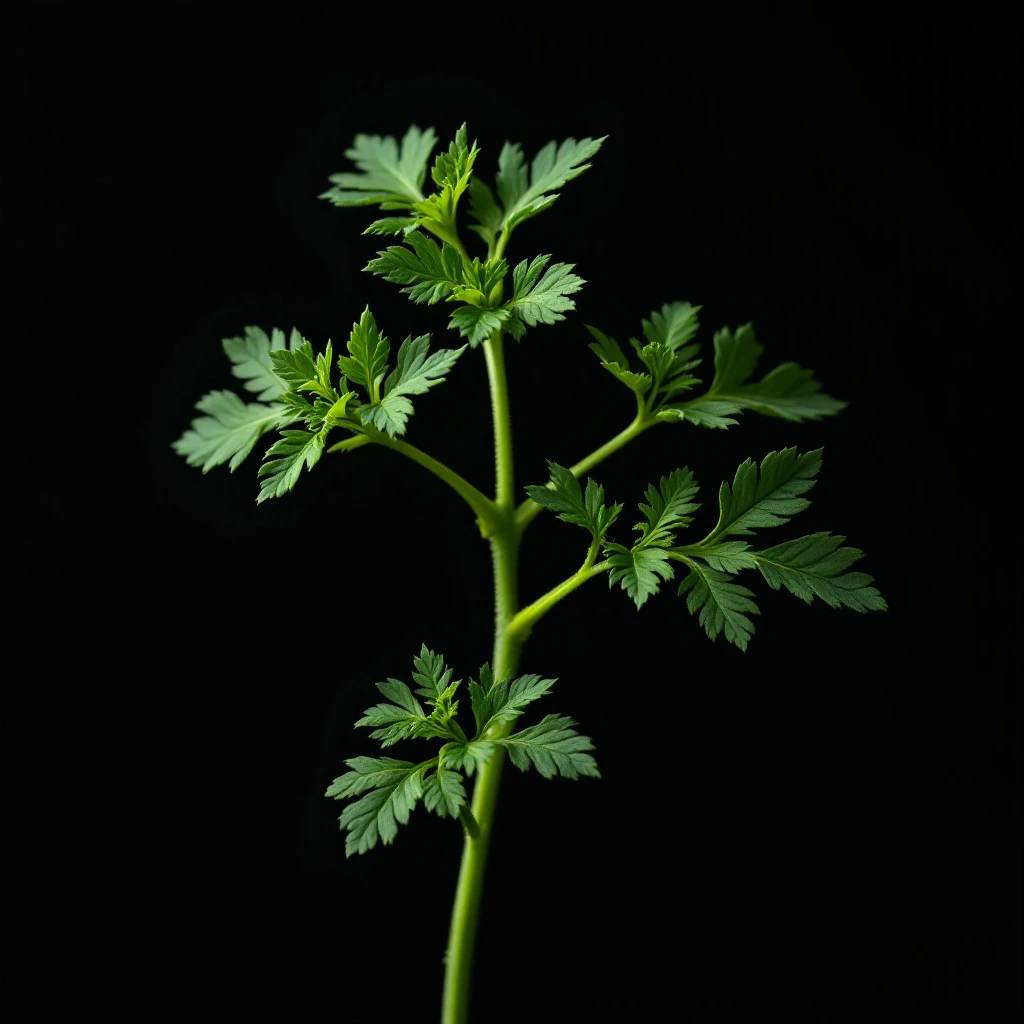
Chervil brings an herbal, grassy freshness to fragrances with subtle anise undertones. Often overshadowed by flashier botanicals, this delicate herb offers a nuanced green character that elevates complex compositions.
Character
How it smells
The subtle green note worth discovering.
Chervil was one of the fines herbes in classical French cooking, prized alongside tarragon, chives, and parsley for centuries.





Origin
Iran
Chervil originated in the Middle East and spread through Mediterranean trade routes over two thousand years ago. Ancient Persians and Greeks valued the herb for culinary and medicinal applications, using it in tonics and as a spring purifying tonic.
Roman cooks incorporated it into sauces and stuffings, establishing its place in European gastronomy. Medieval monastery gardens across France and Germany featured chervil prominently—the plant earned the nickname "gourmet's parsley" in French kitchens by the seventeenth century.
Perfumers discovered its aromatic potential later, adapting steam-distilled extracts for green and herbal fragrance families. The ingredient remains uncommon in mainstream perfumery but appears in artisanal and botanical-oriented compositions seeking authentic herbal character.
Wears it best
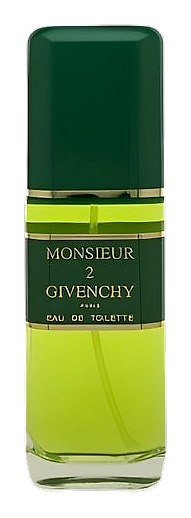
Fragrances featuring Chervil
Brands
Brands known for Chervil
Good to know
Questions, answered
The essentials on Chervil in perfumery: how it smells, where it comes from, and how it behaves on skin.
What does chervil smell like in perfume?
Chervil has a fresh, green aroma with grassy and hay-like qualities, plus subtle anise undertones that add complexity to herbal fragrance compositions.
Is chervil a natural or synthetic ingredient?
Chervil exists as a natural ingredient. Perfumers obtain it through steam distillation of the fresh herb, primarily cultivated in Mediterranean and Middle Eastern regions.
Which fragrance families use chervil?
Chervil appears mainly in green, herbal, and botanical fragrance families. It functions as a supporting top or heart note that adds freshness and natural depth.
Is chervil commonly used in perfumery?
Chervil ranks among the less common perfumery ingredients, with modest production volumes compared to staples like lavender or rose. It sees more use in artisanal and natural fragrance lines.
What part of the chervil plant is used for fragrance?
Fragrance extraction uses the aerial parts—the stems and leaves—harvested just before the plant reaches full bloom to capture peak aromatic concentration.
Can chervil replace other herbal notes in formulas?
Chervil offers a distinctive green profile that complements but differs from parsley, tarragon, or clary sage. It works best as a supporting note rather than a direct substitute.
Does chervil have any aromatic similarities to other herbs?
Chervil shares grassy and green notes with parsley, yet carries a unique anise-like quality that sets it apart and adds subtle sweetness to its herbal character.
How does harvest timing affect chervil fragrance quality?
Harvest timing critically impacts quality. Collecting before full bloom ensures the highest concentration of volatile aromatic compounds; later harvest produces a duller, less vibrant extract.