Cherry Stem
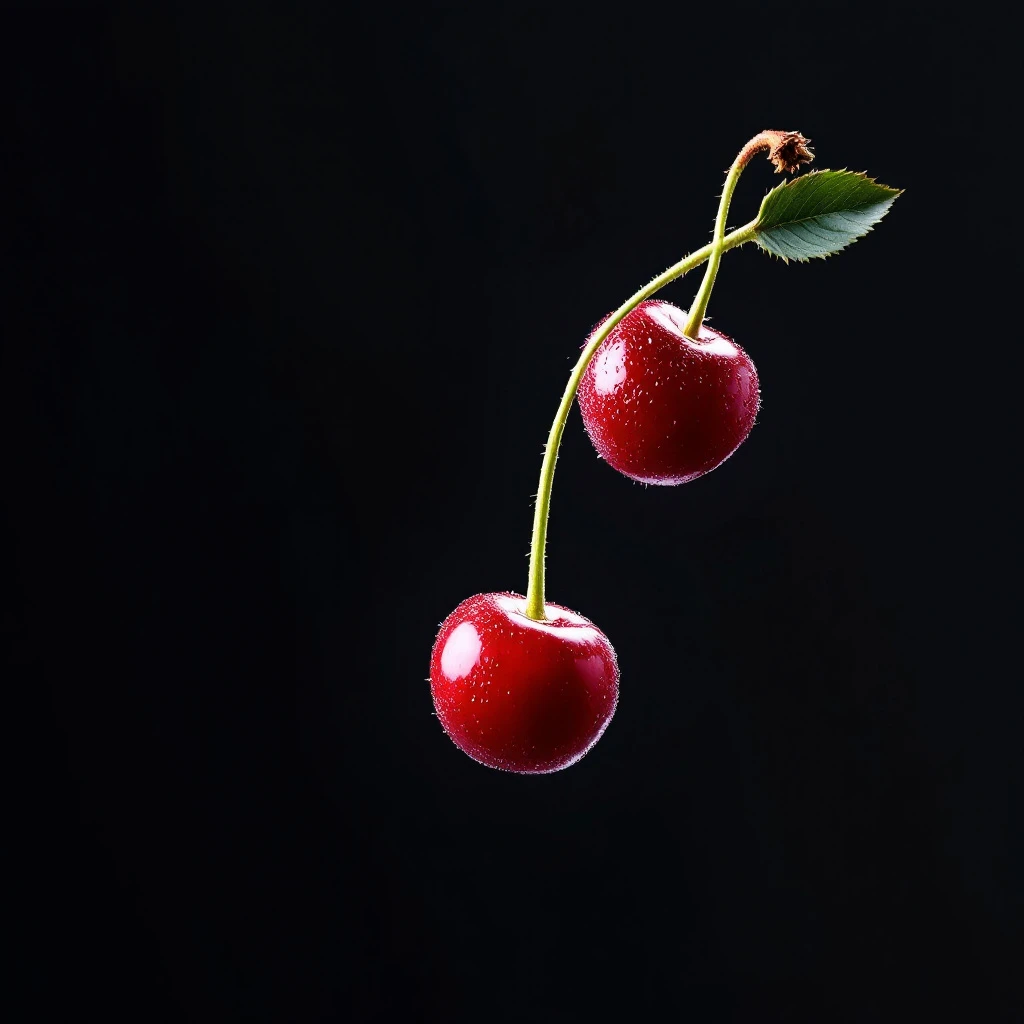
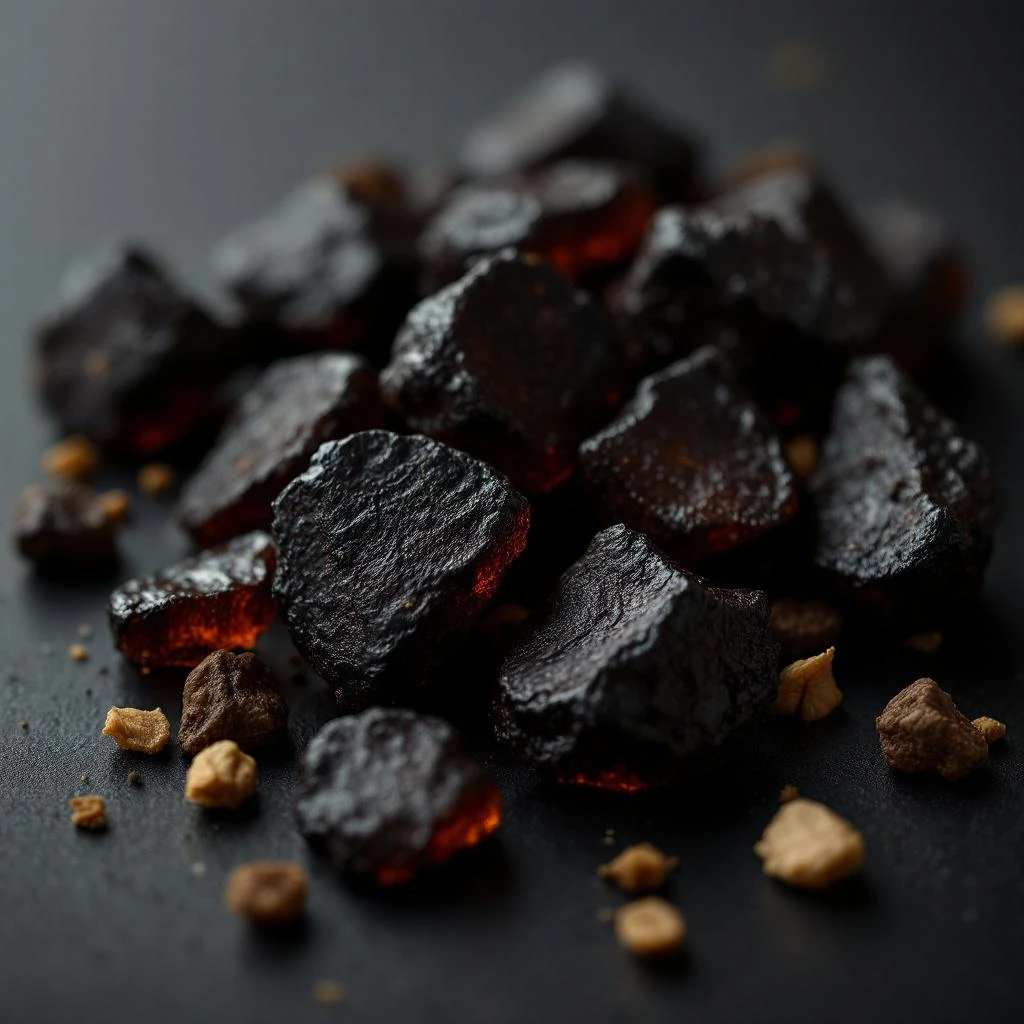
Cherry stem captures the woody, slightly bitter backbone of stone fruit, offering a greener, more complex alternative to sugary sweet cherry accords. It anchors fruity compositions with earthy depth.
Character
How it smells
The bitter-green spine of cherry
Cherry stem is rarely distilled from actual stems; perfumers typically reconstruct it using fruity esters, benzaldehyde derivatives, and woody accords to evoke the twig's aroma.
Pairs beautifully with



Origin
France
Cherry as a fragrance motif dates back centuries in folk traditions, but the modern stem note is a relatively recent construction. Before synthetic aroma chemicals became widely available in the late nineteenth century, perfumers relied on natural fruit distillates and fruit-scented animal bases.
The real shift came when chemists isolated benzaldehyde and developed fruity esters that could mimic stone-fruit nuances. By the mid-twentieth century, cherry-inspired scents appeared in aldehyde-heavy florals and oriental bases, though they leaned toward the syrupy, synthetic sweetness of mass-market formulations.
The contemporary cherry stem note reflects a niche movement toward darker, more botanical fruit profiles. Launched in 2024, Phlur's Cherry Stem positioned itself against candy-like cherry compositions, signaling perfumers' growing appetite for the green, woody facets of stone fruit over their sugary pulp.
Wears it best
Fragrances featuring Cherry Stem
Brands
Brands known for Cherry Stem
Good to know
Questions, answered
The essentials on Cherry Stem in perfumery: how it smells, where it comes from, and how it behaves on skin.
What does cherry stem smell like in perfume?
Cherry stem smells woody, slightly bitter, and green, a more astringent, earthy cousin to sweet cherry pulp. It adds backbone to fruity fragrances without the sugary, candy-like quality benzaldehyde can produce on its own.
Is cherry stem a natural or synthetic note?
Most cherry stem notes today are synthetically reconstructed using benzaldehyde derivatives, fruity esters, and woody accords. True cherry twig absolute exists but is rarely used due to cost and IFRA restrictions on benzaldehyde.
Why is cherry stem popular in modern perfumery?
Cherry stem gained traction around 2024 as perfumers moved away from overly sweet, synthetic cherry scents. It offers a darker, more complex cherry profile suited to unisex and woody-fruity compositions.
What ingredients make a cherry stem accord?
A cherry stem accord typically combines benzaldehyde, ethyl methylphenylglycidate for tartness, heliotropin for softness, and ionones for woody depth. Some formulas include green leaf acetates to enhance the botanical quality.
How is benzaldehyde connected to cherry stem?
Benzaldehyde occurs naturally in cherry pits and bitter almond oil, giving both their characteristic aroma. It forms the chemical foundation of most cherry stem reconstructions, though its usage is regulated by IFRA.
What is the difference between cherry stem and regular cherry notes?
Regular cherry notes lean toward sweet, jammy, or candy-like qualities from fruit pulp accords. Cherry stem emphasizes the woody, slightly bitter, green character of the twig and pit, creating a drier, more grown-up fruit profile.
Which fragrances feature cherry stem as a key note?
Phlur Cherry Stem, launched in 2024, is one of the most prominent fragrances built around this note. It combines dark cherry, plum nectar, ebony wood, and sugared jasmine to showcase the accord's darker potential.
Are cherry stem ingredients sustainable?
Synthetic reconstruction makes cherry stem highly sustainable since it avoids harvesting actual cherry twigs. Natural cherry twig absolute production remains minimal and niche within the broader flavor and fragrance industry.