Rainier Cherry
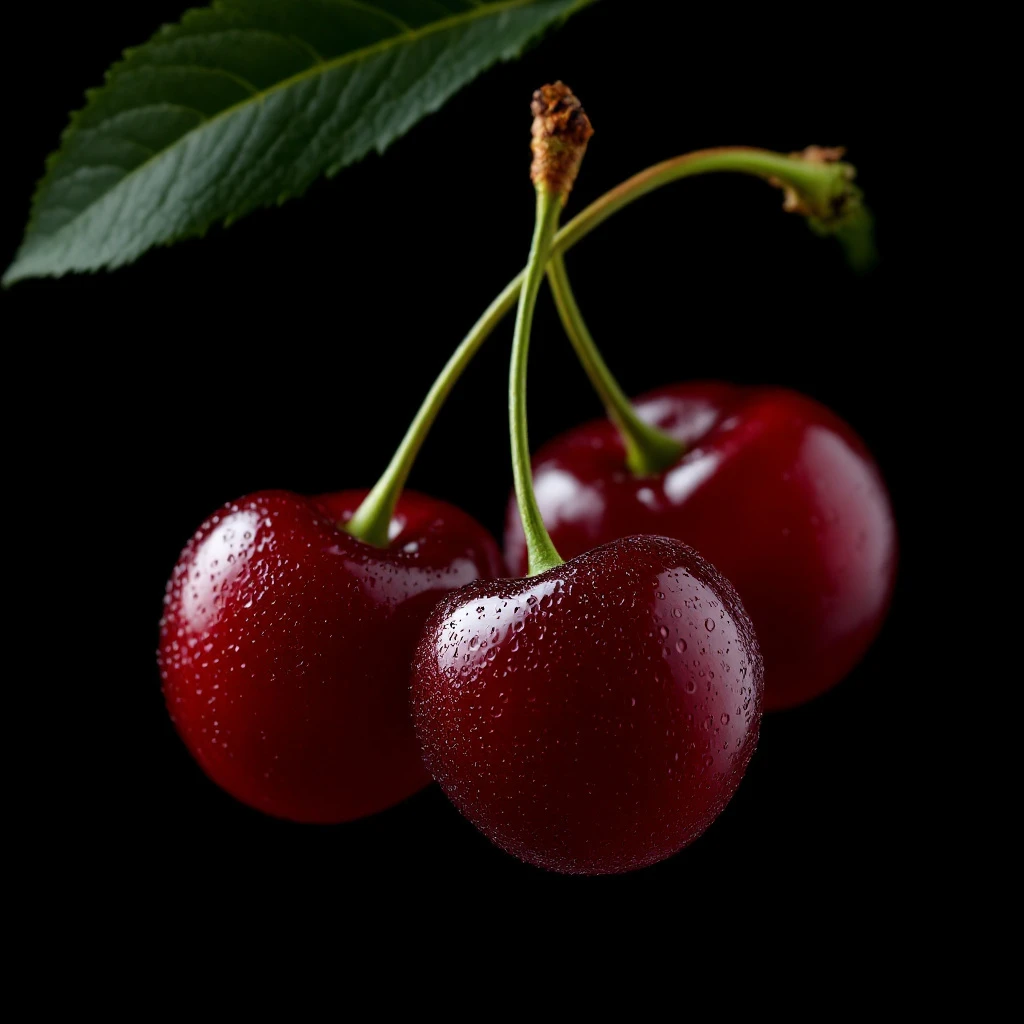
Rainier Cherry offers a softer, sweeter take on traditional cherry notes. Its golden-blush fruit carries honeyed almond nuances and a delicate floral lift that sets it apart from darker varieties.
Character
How it smells
Golden cherry with a honeyed, almond-kissed sweetness
Rainier Cherries are actually a cross between Bing and Van varieties, developed in 1952 and named after Mount Rainier in Washington State.
Origin
United States
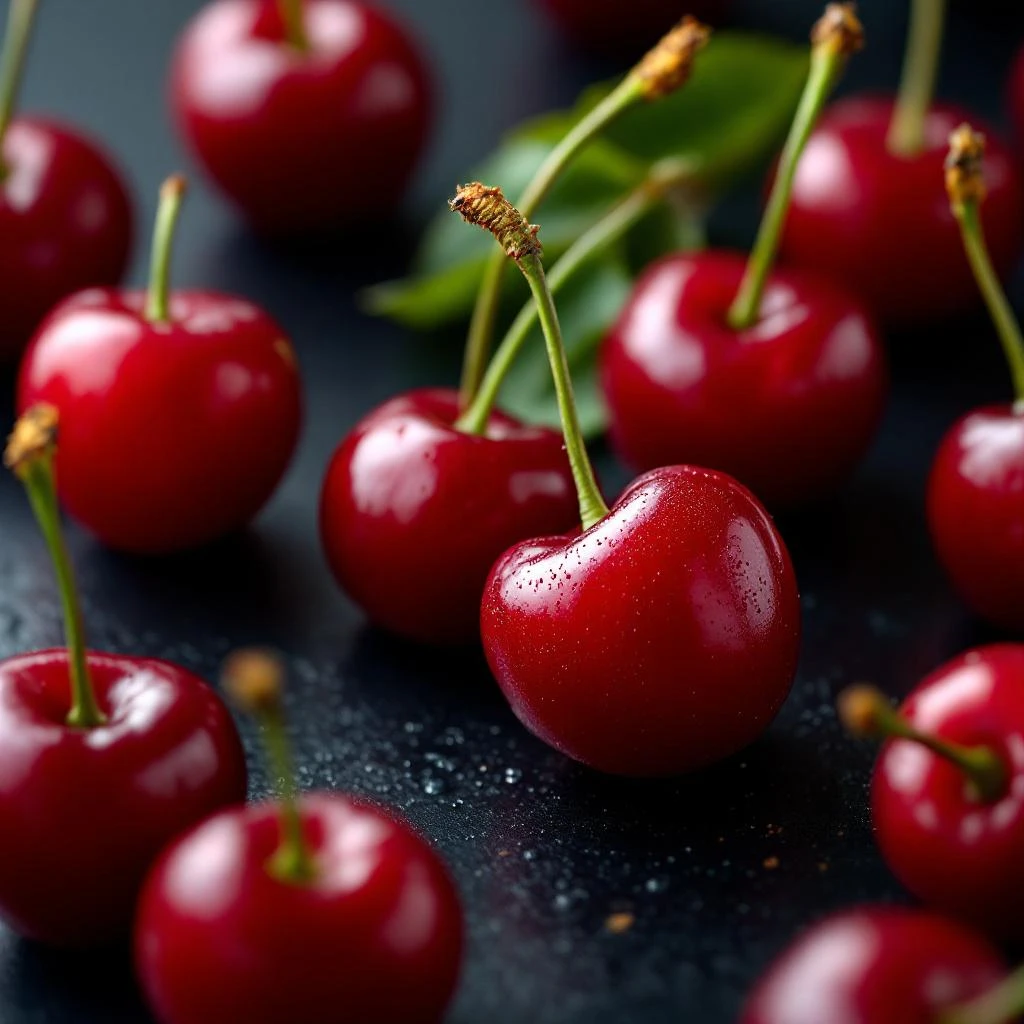
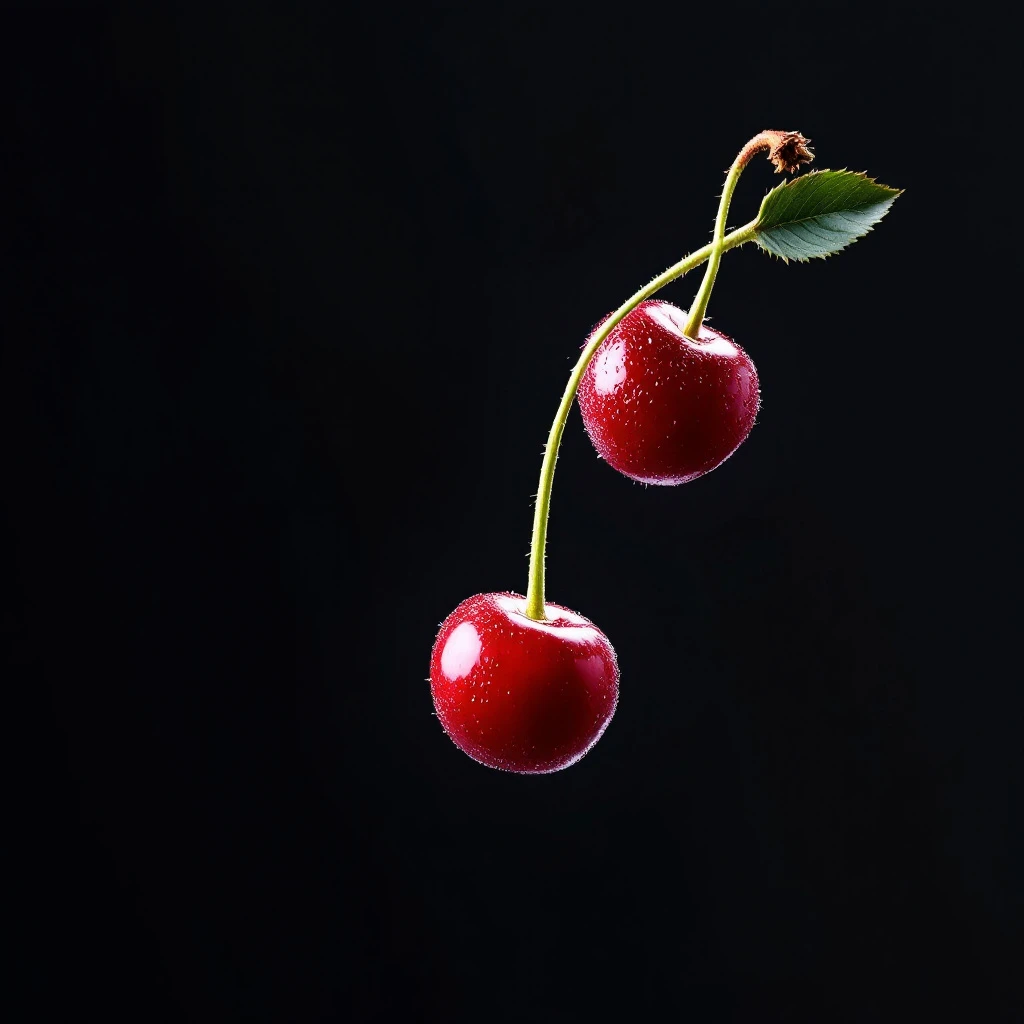
The Rainier Cherry was bred in 1952 at Washington State University by Harold Fogle, who crossed the Bing and Van varieties to produce a pale yellow fruit with a red blush. Named after the volcanic peak visible from the research station, it became one of the Pacific Northwest's most prized stone fruits, celebrated for its exceptionally high sugar content and low acidity. In perfumery, true cherry notes entered mainstream fragrance through synthetic chemistry rather than agriculture.
The key molecule, benzaldehyde, was isolated in the 19th century and quickly adopted by early modern perfumers seeking an affordable fruit note. The softer, sweeter Rainier profile gained traction as gourmand perfumery expanded in the late 20th and early 21st centuries, when perfumers began differentiating between dark, maraschino-style cherry and lighter, more golden iterations. The variety's Washington State heritage gives it strong cultural ties to Yakima Valley orchards, where harvest season remains a regional event.
While natural Rainier Cherry extract remains commercially unviable, the accord now appears across niche and mainstream launches seeking a refined fruit expression.
Wears it best
Fragrances featuring Rainier Cherry
Brands
Brands known for Rainier Cherry
Good to know
Questions, answered
The essentials on Rainier Cherry in perfumery: how it smells, where it comes from, and how it behaves on skin.
What does Rainier Cherry smell like in perfumery?
Rainier Cherry reads as a honeyed, golden-fruit accord with soft almond sweetness and very little tartness. It is notably rounder and more syrupy than the sharper maraschino-style cherry common in mainstream fragrance.
Is Rainier Cherry a natural or synthetic fragrance ingredient?
It is a synthetic accord. No commercial extraction of Rainier Cherry fruit exists, so perfumers reconstruct the scent using aroma molecules like benzaldehyde combined with floral and lactone modifiers.
Where does the Rainier Cherry variety originate?
Rainier Cherries were developed in 1952 at Washington State University by crossing Bing and Van varieties. The fruit is named after Mount Rainier, and most commercial production still occurs in Washington State's Yakima Valley.
What synthetic molecules recreate the Rainier Cherry scent?
Benzaldehyde serves as the primary building block, delivering the characteristic sweet-almond facet. Supporting materials like benzyl acetate, heliotropin, and various lactones add the honeyed, creamy depth that distinguishes Rainier from darker cherries.
Why is Rainier Cherry considered sweeter than other cherry varieties?
The fruit itself measures around 20-25% sugar content, significantly higher than Bing or Montmorency varieties. Perfumery accords aim to capture this elevated sweetness by softening benzaldehyde with floral and lactone modifiers.
Can Rainier Cherry be distilled into an essential oil?
No commercial essential oil or absolute of Rainier Cherry exists. Stone fruits contain very little volatile oil, and benzaldehyde naturally present in cherry pits converts to toxic hydrogen cyanide during standard distillation, making extraction impractical.
What fragrance families feature Rainier Cherry accords?
Rainier Cherry accords appear most frequently in gourmand and fruity-floral compositions, where the honeyed sweetness bridges well with vanilla, almond, and soft white florals. It also works in oriental bases alongside tonka and benzoin.
How does Rainier Cherry differ from black cherry or maraschino in perfumery?
Black cherry and maraschino accents lean darker, with boozy, slightly bitter undertones and pronounced tartness. Rainier Cherry skips those edges, offering a warmer, rounder, almost candied-honey profile with floral lift rather than depth.





