Douglas Fir Needle
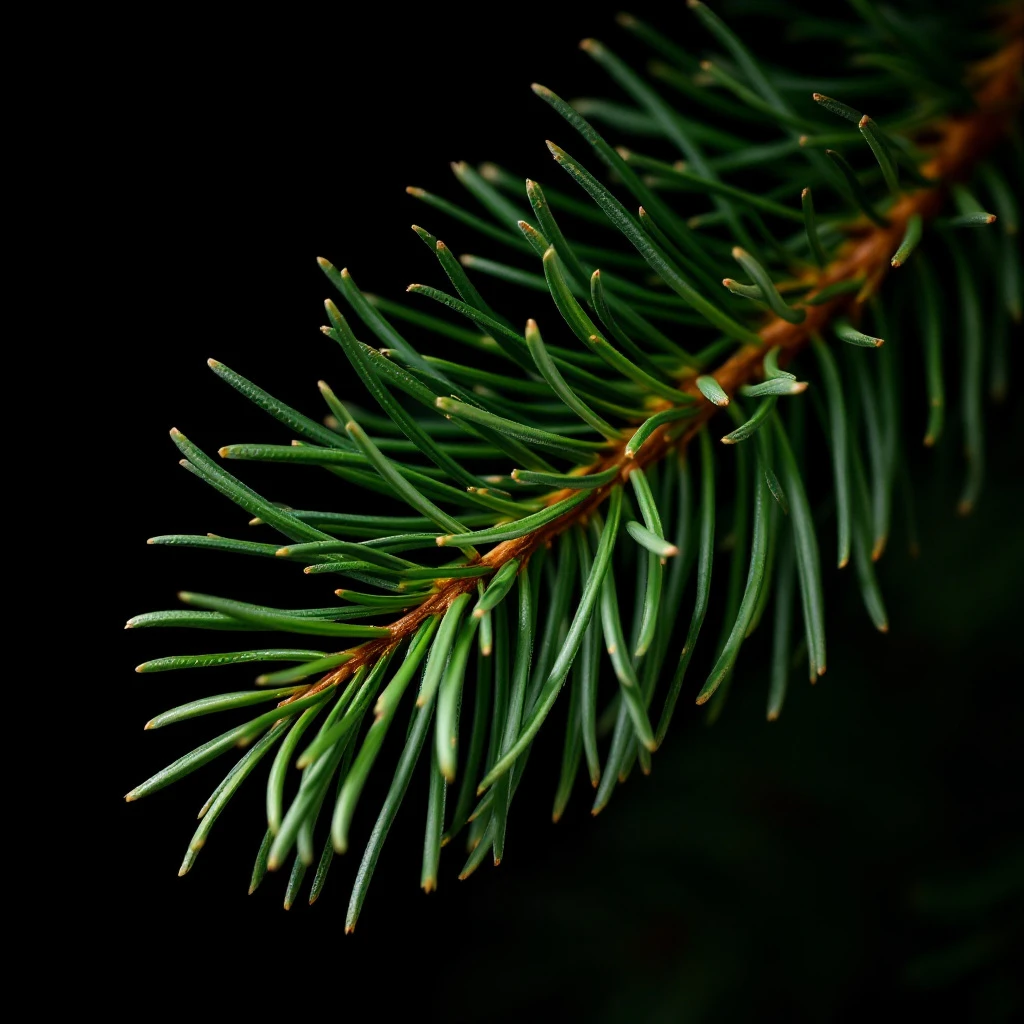
Douglas Fir Needle brings a crisp, resinous clarity to fragrance. The oil carries bright citrus-limonene top notes over a sweet, balsamic green heart, distinguishing it from sharper pine or spruce profiles.
Character
How it smells
Crisp evergreen with a sweet, resinous heart
Despite its name, Douglas Fir is not a true fir, nor a pine or spruce. It belongs to its own genus, Pseudotsuga, named for Scottish botanist David Douglas.




Origin
Argentina
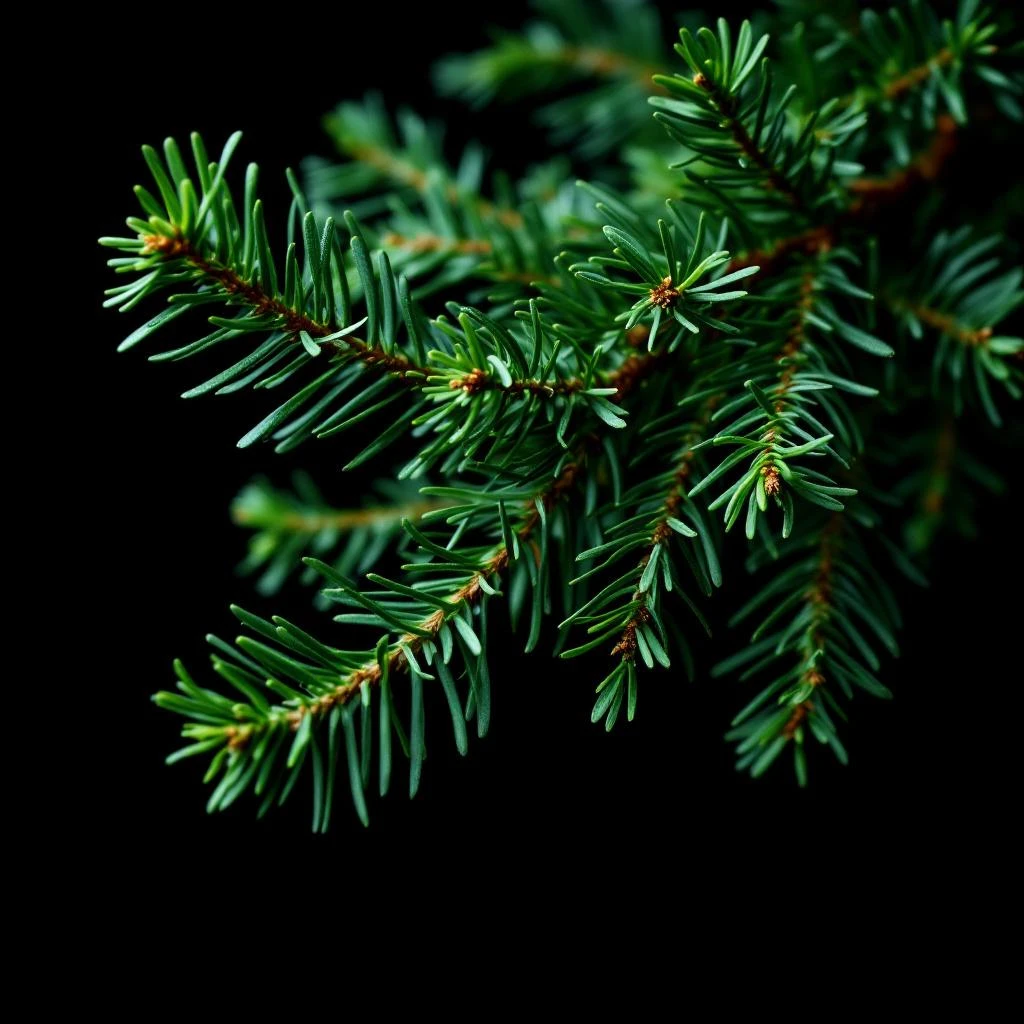
The Douglas Fir carries a name rooted in botanical rivalry. Archibald Menzies first documented the species along the Pacific Northwest coast in the late 1700s, but it was David Douglas, the Scottish botanist sent by the Royal Horticultural Society, who introduced the tree to Europe in the 1820s. The species name menziesii honors the original discoverer, while the common name honors the man who brought it to global attention.
Indigenous peoples of the Pacific Northwest, including the Nuu-chah-nulth and Interior Salish groups, had long used the tree medicinally, steeping needles and bark for colds, rheumatism, and wound care. European settlers and herbalists later adopted similar practices, including brewing the needles into beers and tonics rich in vitamin C to prevent scurvy.
Commercial fir needle distillation took shape in 19th-century Austria and Germany, where steam technology allowed producers to scale up what had been small folk remedies. By the 20th century, conifer oils including Douglas Fir had secured a place in perfumery as clean, fresh modifiers for masculine and outdoor-themed compositions. The species spread beyond its native range, with plantation forestry now established in Argentina, New Zealand, and parts of Europe.
Wears it best
Fragrances featuring Douglas Fir Needle
Brands
Brands known for Douglas Fir Needle
Good to know
Questions, answered
The essentials on Douglas Fir Needle in perfumery: how it smells, where it comes from, and how it behaves on skin.
What does Douglas Fir Needle smell like in perfume?
Douglas Fir Needle oil smells fresh, sweet, and coniferous with bright citrus-limonene top notes and a soft balsamic green heart. It is less sharp than pine and less medicinal than spruce, giving compositions a rounded evergreen character.
Is Douglas Fir a true fir?
No. Douglas Fir belongs to the genus Pseudotsuga, making it distinct from true firs (Abies), pines (Pinus), and spruces (Picea). Scottish botanist David Douglas introduced the species to Europe in the 1820s, hence the common name.
How is Douglas Fir Needle oil extracted?
Steam distillation of fresh needles, twigs, and small branches is the standard method. Pressurized steam releases the volatile compounds, which condense into a pale yellow oil with a yield generally ranging from 0.2% to 0.4% depending on season and origin.
Where is Douglas Fir Needle oil produced?
Argentina, New Zealand, and parts of Europe now host significant Douglas Fir plantations. The Argentinian variety is particularly valued in perfumery for its woody, sweet character compared to more piney North American sources.
What is the difference between Douglas Fir and Silver Fir?
Douglas Fir (Pseudotsuga menziesii) yields a sweeter, more rounded coniferous oil, while Silver Fir (Abies alba) produces a sharper, more classically pine-like profile. Both share evergreen freshness but differ in their dominant terpene balances.
What scent families feature Douglas Fir Needle?
Douglas Fir appears most often in aromatic, woody, and fougère families, where it reinforces herbal or green compositions. It also finds use in outdoor-themed and unisex fragrances, contributing freshness without the harshness of turpentine-like notes.
Is Douglas Fir Needle oil sustainable?
Needle harvesting can be sustainable because trees regrow their foliage annually without requiring felling. Wild-grown and plantation operations in Argentina and New Zealand supply much of the perfumery market under managed forestry practices.
Does Douglas Fir Needle oil have therapeutic uses?
Historically, Indigenous peoples of the Pacific Northwest used Douglas Fir needles to treat colds, sore throats, and muscle pain. Modern aromatherapy practitioners value its invigorating aroma, though clinical evidence for specific therapeutic claims remains limited.




