Ceylonese Cypriol
Ceylonese cypriol is a smoky, leathery root oil distilled from Cyperus scariosus grown in Sri Lanka, prized for its earthy depth and lingering warmth in niche perfumery.
Character
How it smells
Smoky earth from an ancient root
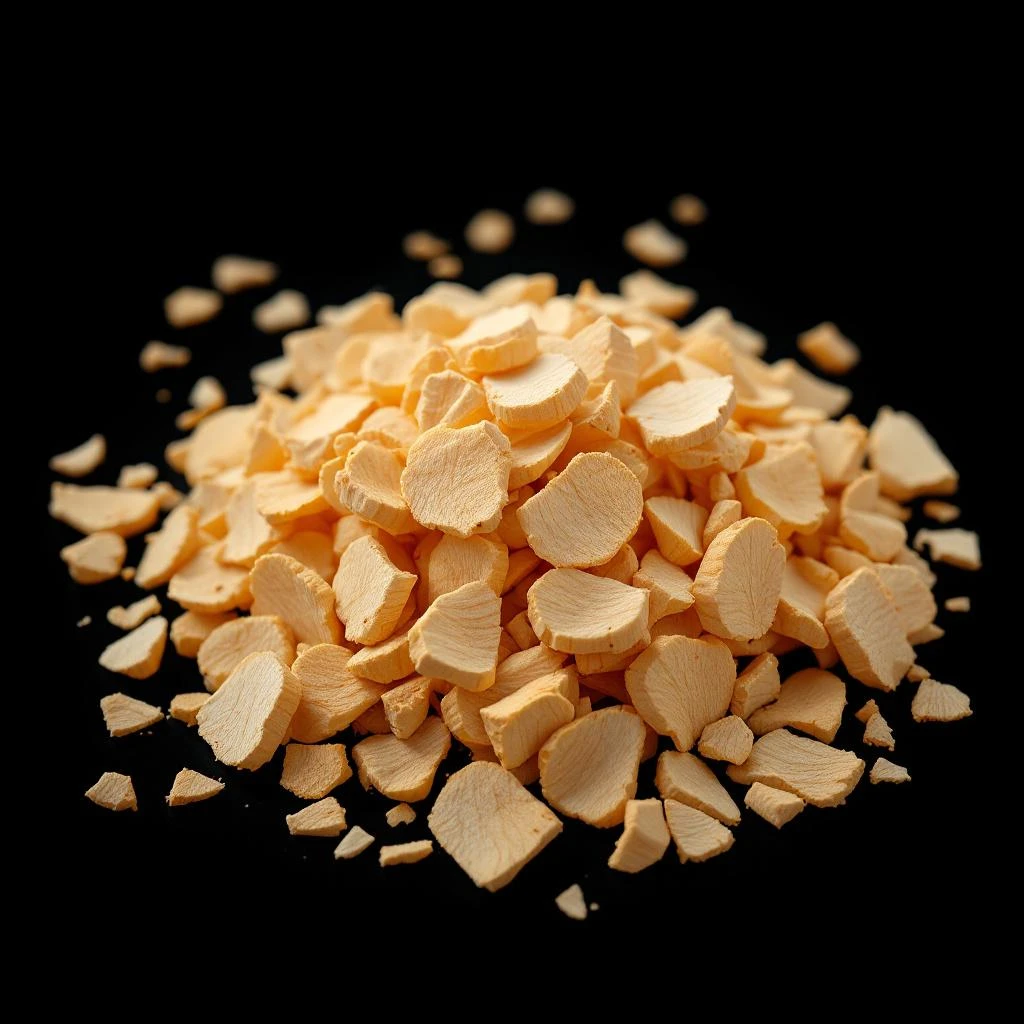
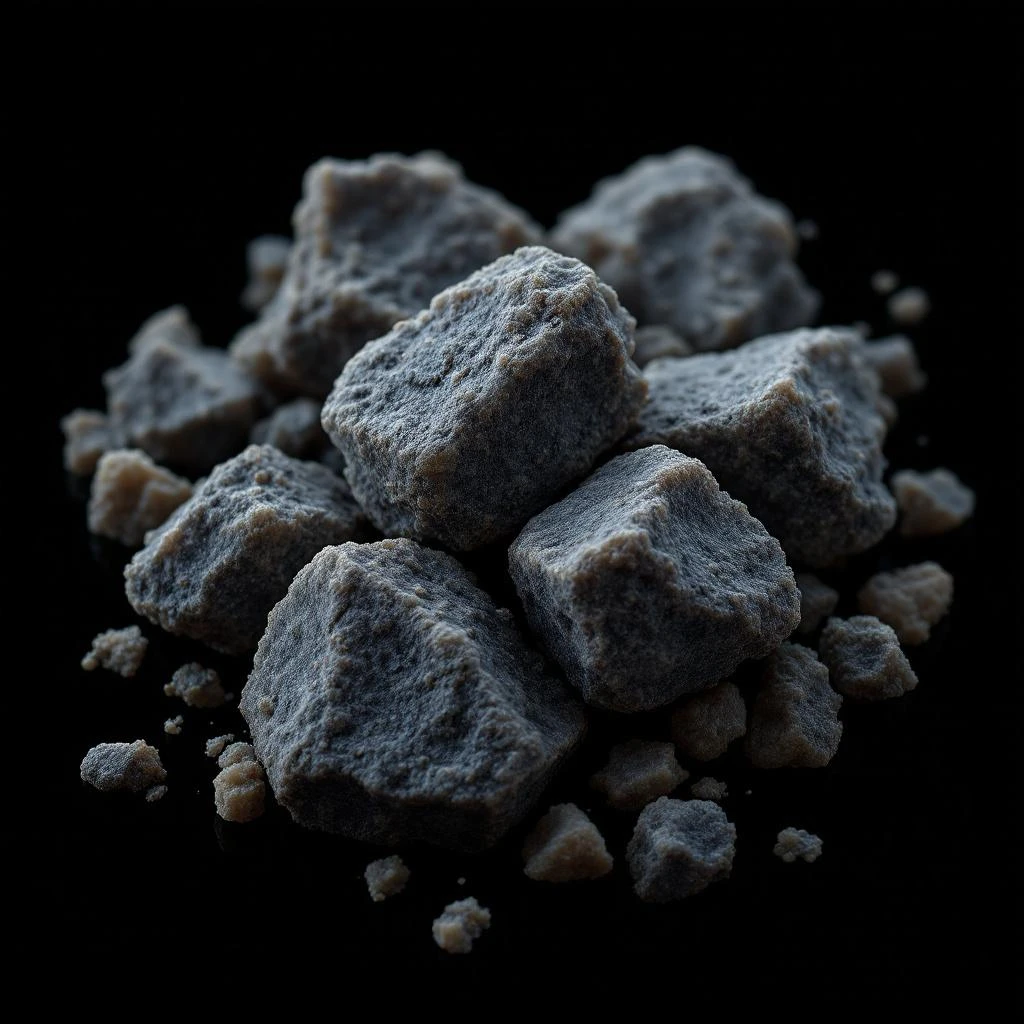
The name nagarmotha literally means cobra's breath in Hindi, a reference to the serpentine shape of the dried roots traded across South Asia for millennia.





Origin
Sri Lanka
The Cyperus genus ranks among humanity's oldest aromatic materials. Cyperus scariosus roots appear in Ayurvedic pharmacopeia stretching back more than three thousand years, prescribed for digestive complaints, fever, and skin conditions. Ancient trade routes carried nagarmotha from the Indian subcontinent into Persia, Mesopotamia, and eventually Egypt, where it featured in temple incense and embalming rituals.
Greek physicians, including Dioscorides in the first century CE, documented cyperus as both medicine and perfume base. By the medieval period, Arab traders had woven the root into oud-style attars, blending it with sandalwood and rose. In modern perfumery, cypriol gained a wider audience during the twentieth century as perfumers rediscovered chypre and oriental structures.
Indian production dominated the market for decades, but Sri Lanka, the original Ceylon, emerged as a distinct source in the late twentieth century. Ceylonese cypriol carries a slightly cooler, more mineral facet compared to Indian material, reflecting the island's unique terroir. Today the oil anchors countless niche compositions and remains a cornerstone of natural perfumery's smoky, woody palette.
Wears it best
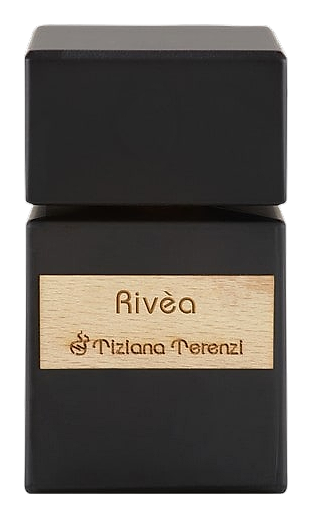
Fragrances featuring Ceylonese Cypriol
Brands
Brands known for Ceylonese Cypriol
Good to know
Questions, answered
The essentials on Ceylonese Cypriol in perfumery: how it smells, where it comes from, and how it behaves on skin.
What does Ceylonese cypriol smell like?
Cypriol smells smoky, woody, and earthy, with distinct leather and tobacco facets. The Ceylonese variant tends slightly cooler and more mineral compared to Indian material, with a drier, less sweet finish.
Is cypriol the same as nagarmotha?
Yes, cypriol and nagarmotha refer to the same plant, Cyperus scariosus. Cypriol is the perfumery term, while nagarmotha, meaning cobra's breath in Hindi, is the traditional South Asian name for the dried rhizomes.
How is Ceylonese cypriol oil produced?
Producers steam distill dried Cyperus scariosus rhizomes in copper stills for several hours. Yield is low, roughly one kilogram of oil per one hundred kilograms of root, which is why genuine cypriol commands a premium price.
Where does Ceylonese cypriol come from?
Cypriol grows across South and Southeast Asia, but the Ceylonese designation refers to material cultivated and distilled in Sri Lanka, particularly in the central highlands where monsoon-fed soils suit the sedge.
What perfumes use cypriol oil?
Cypriol features prominently in oriental, woody, and smoky compositions, including many niche fragrances that chase oud-like depth. It serves as a base note in leather and tobacco accords where it reinforces earthy, animalic impressions.
How long has cypriol been used in perfumery?
The root has perfumery uses dating back centuries and Ayurvedic applications exceeding three thousand years. Arab traders blended it into attars during the medieval period, and modern niche perfumery adopted it widely in the twentieth century.
What is the difference between Indian and Ceylonese cypriol?
Indian cypriol tends to be sweeter and more balsamic, while Ceylonese cypriol offers a drier, smokier, slightly mineral character. The distinction comes from terroir, soil composition, and subtle differences in traditional distillation practices.
Is cypriol oil safe for skin?
Cypriol oil is generally considered safe in diluted perfume concentrations. However, like many essential oils, it can sensitize certain individuals, so patch testing is advisable before direct skin application.