Celtic Spikenard
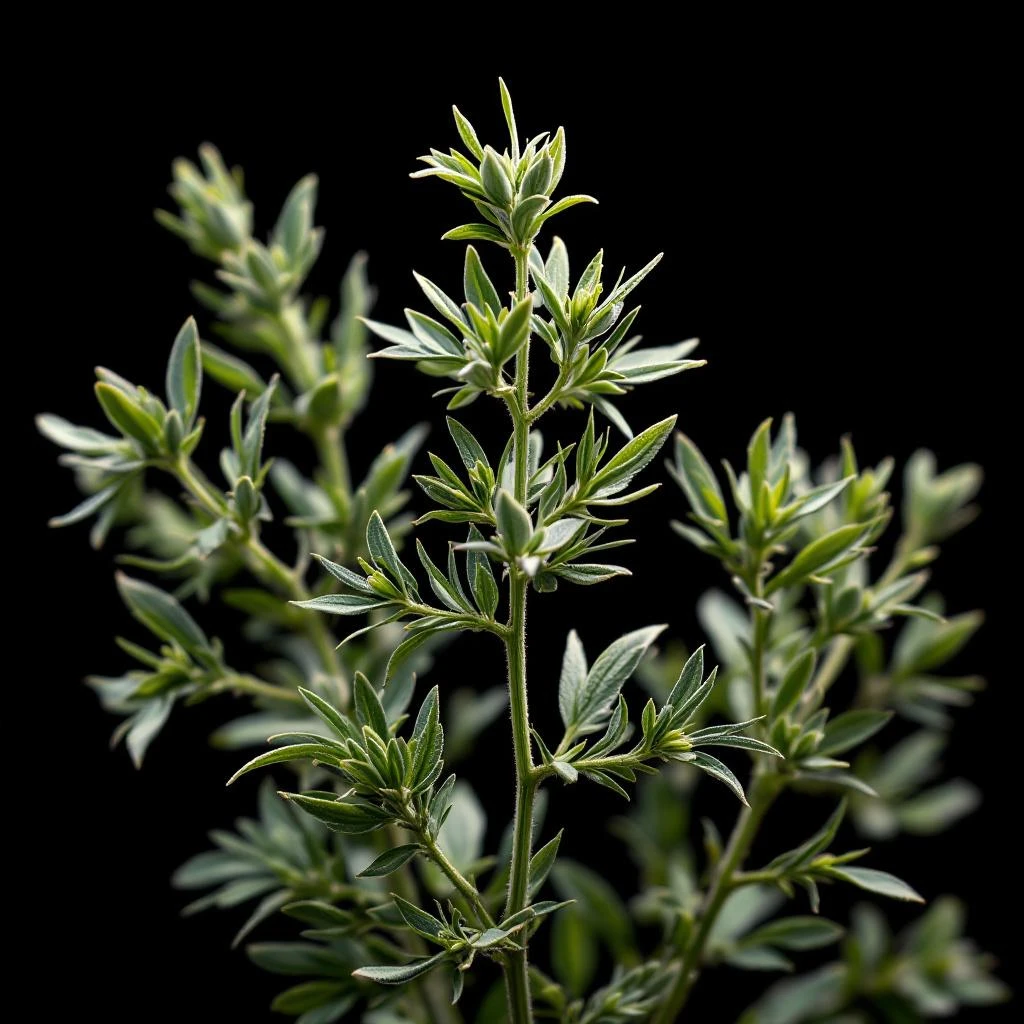
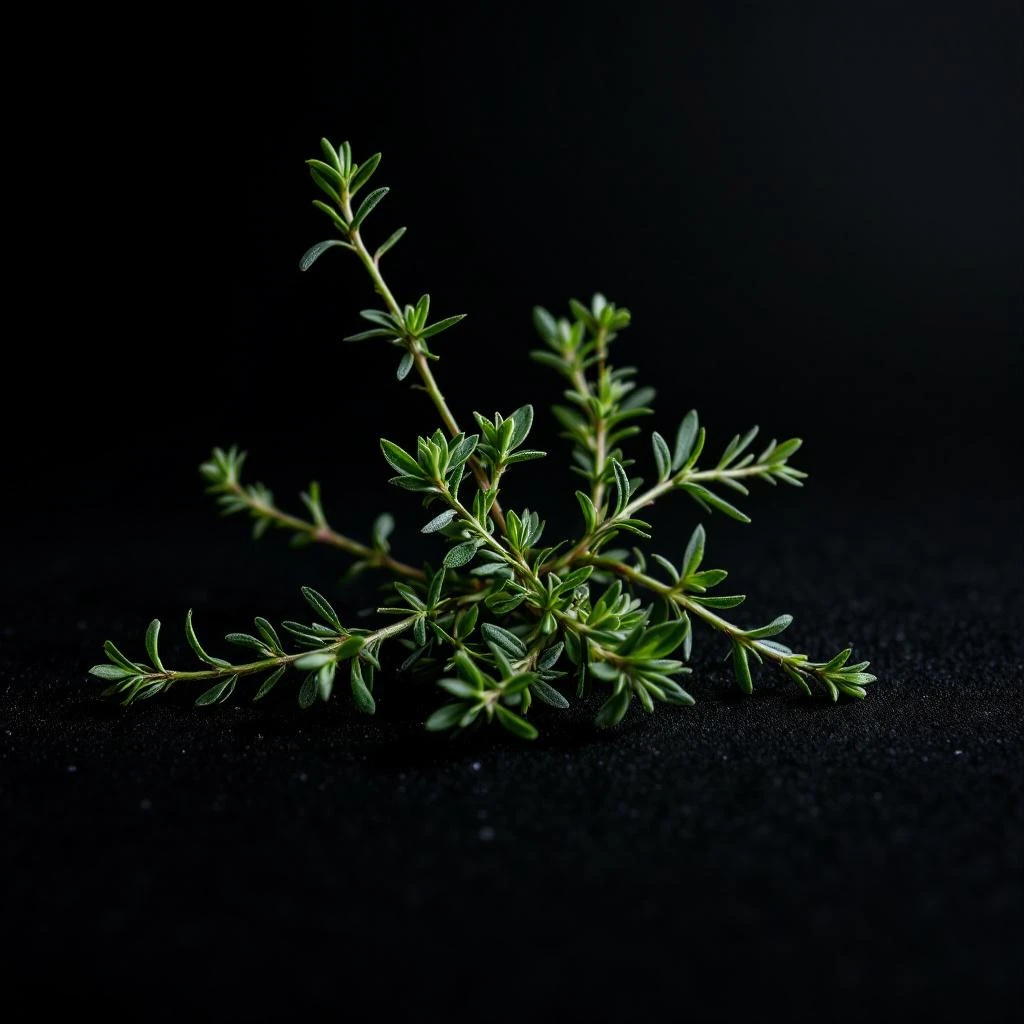
Celtic Spikenard anchors perfumery with a deep, earthy warmth drawn from Himalayan rhizomes. Its musky, root-laden sweetness has defined sacred and sensual scents for over two millennia.
Character
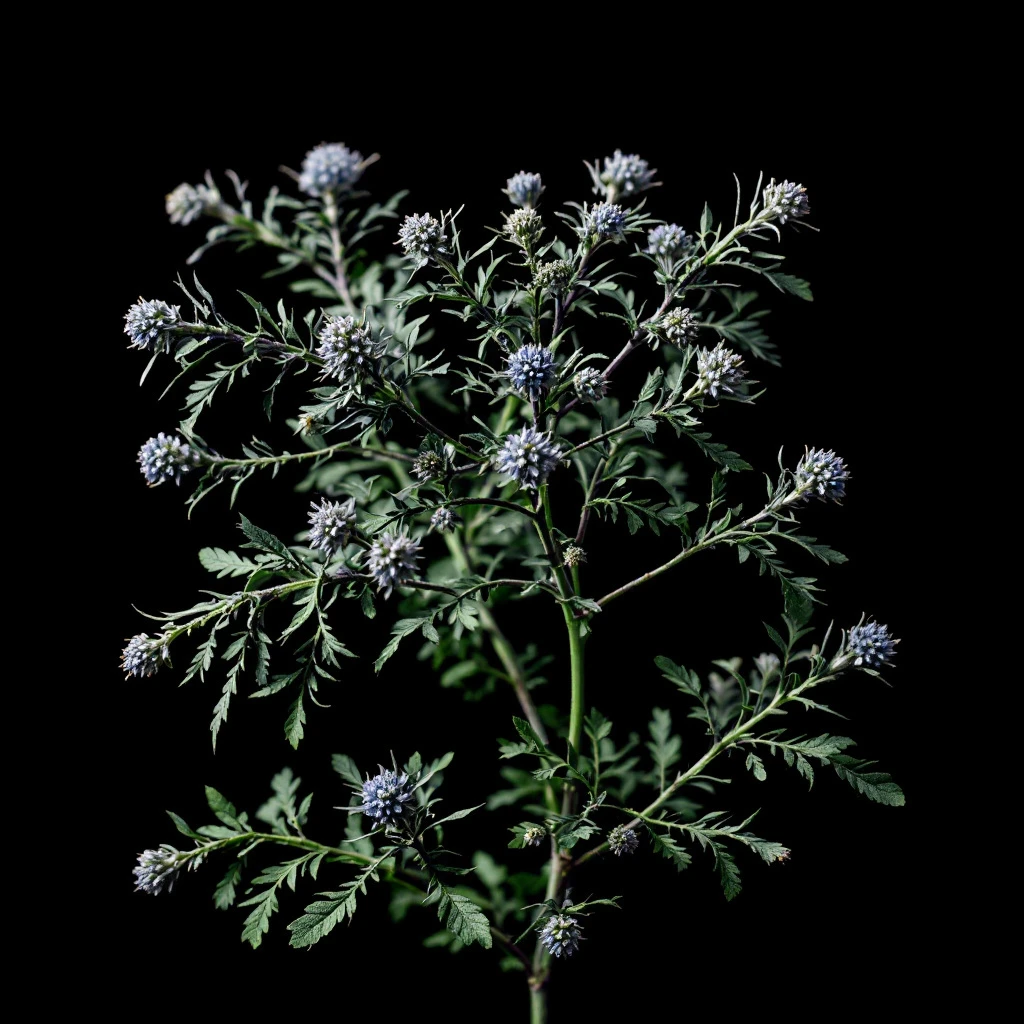
How it smells
An ancient root that whispered to empires.
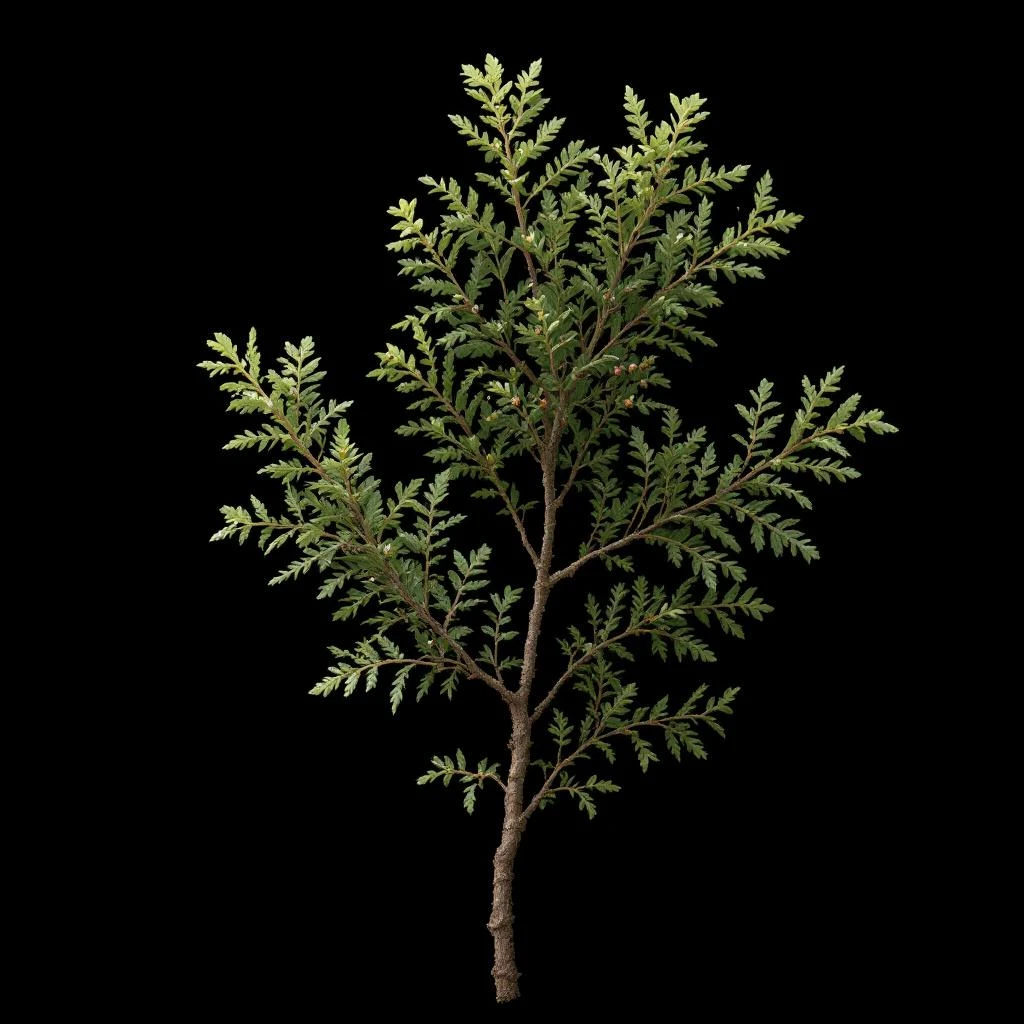
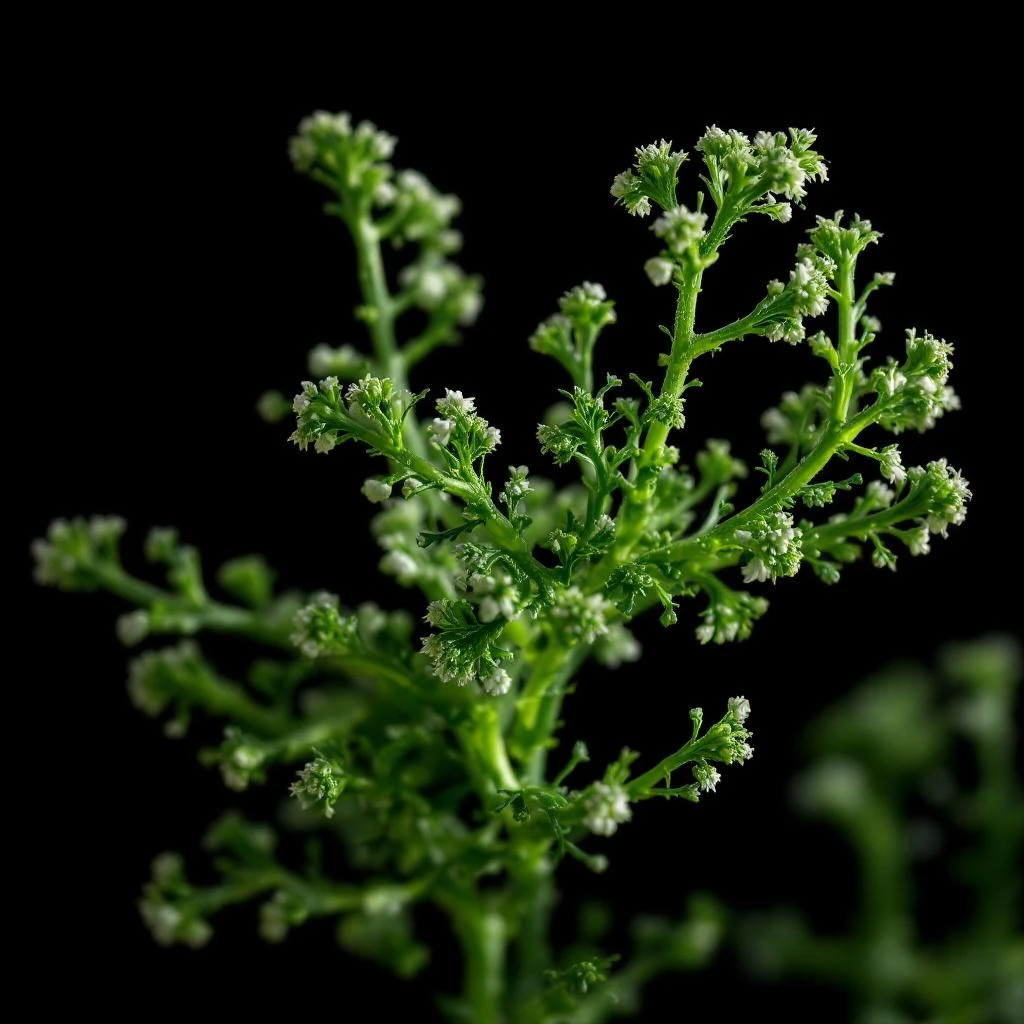
Pliny documented a 'Celtic nard' as early as 77 CE, identifying it as a sweet, suave root known to Gaulish mountain dwellers, distinct yet kin to its Himalayan cousin.



Origin
Nepal
Spikenard earned its mythic status early. Roman naturalist Pliny the Elder referenced a 'Celtic nard' around 77 CE, describing it as both sweet and suave, a wild mountain root familiar to Gaulish peoples. This European attribution distinguishes Celtic Spikenard from its Himalayan relative while connecting both to a broader ancient trade in aromatic roots.
The plant featured prominently in Greek and Roman perfumery texts, including Theophrastus's investigations around 300 BCE into how different ingredients contributed to fragrance composition. Across continents, spikenard served as a precious offering in religious rituals, a sought-after component in luxury unguents, and at times, a flavoring agent in food preparation. Its scarcity and transport difficulty made it a marker of wealth and devotion.
The persistent mention across biblical texts, classical writings, and trade records underscores how a single mountain root could carry immense cultural weight across vastly distant civilizations.
Wears it best
Fragrances featuring Celtic Spikenard
Brands
Brands known for Celtic Spikenard
Good to know
Questions, answered
The essentials on Celtic Spikenard in perfumery: how it smells, where it comes from, and how it behaves on skin.
What does Celtic Spikenard smell like?
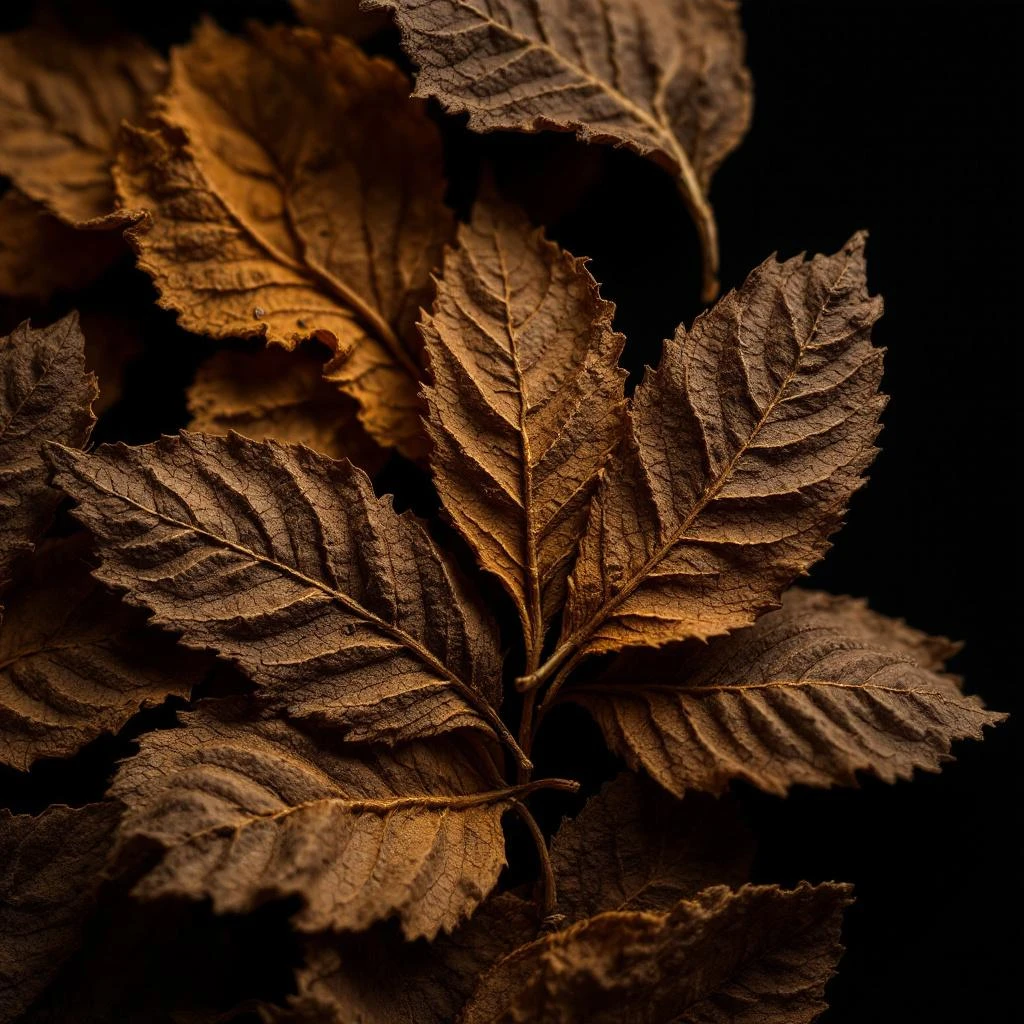
Celtic Spikenard carries a deep, musky-earthy scent with sweet, woody undertones. Its thick, root-derived aroma functions as a base note, anchoring lighter top and heart notes with long-lasting warmth.
Is Celtic Spikenard different from regular Spikenard?
Yes. Pliny the Elder distinguished Celtic nard as a wild European mountain variety known to Gaulish peoples, while standard spikenard refers to Nardostachys jatamansi sourced primarily from the Himalayas.
Why was Spikenard so valuable in ancient times?
Spikenard's low distillation yield and remote Himalayan habitat made it exceptionally rare. Ancient sources record it costing as much as a year's wages for small quantities.
What is the botanical source of Spikenard oil?
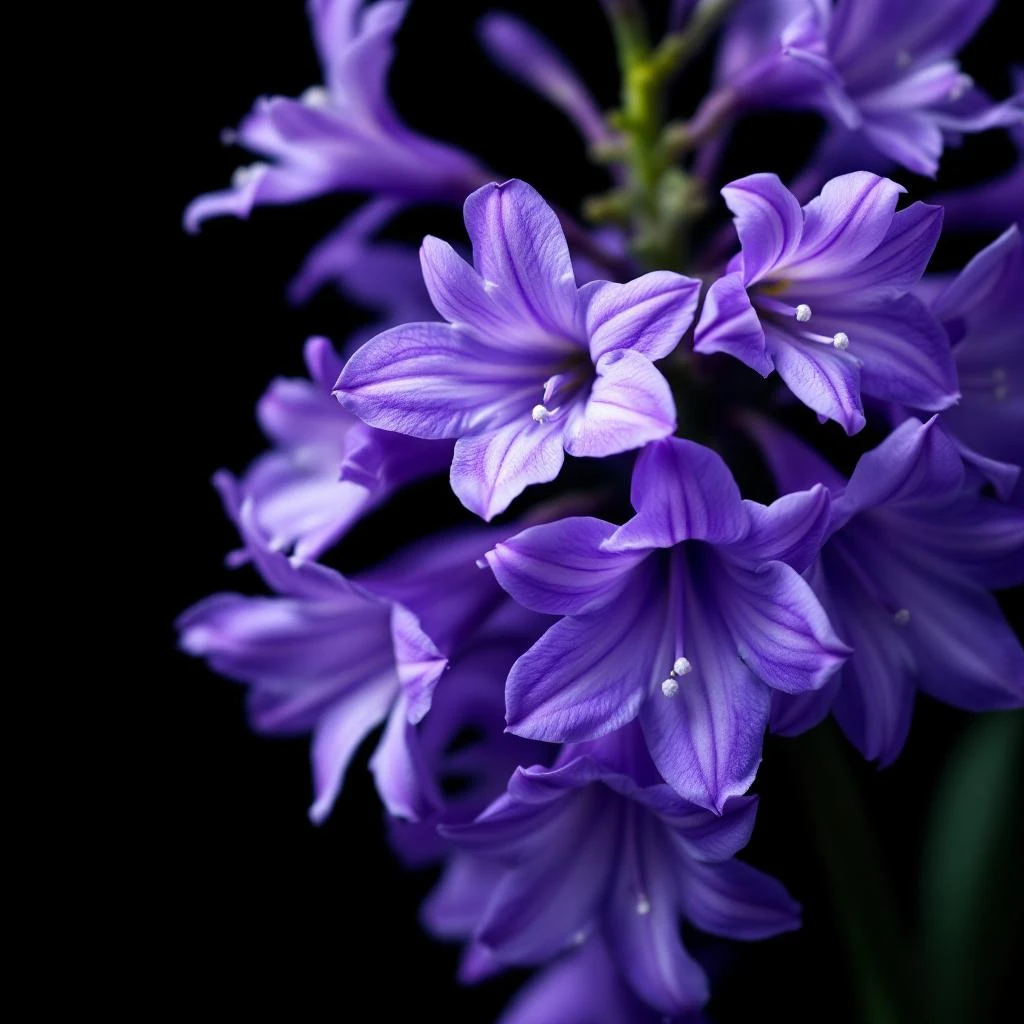
Spikenard oil comes from the rhizomes of Nardostachys jatamansi, a high-altitude flowering plant native to Nepal, northern India, and parts of China.
How is Celtic Spikenard oil produced?
Producers harvest the underground rhizomes, dry them, then apply steam distillation. The method yields a pale yellow to amber viscous liquid, though significant root material is required per unit of oil.
What role did Spikenard play in ancient perfumery?
Ancient Greek and Roman texts, including Theophrastus's 300 BCE work On Odours, document spikenard as a core perfumery ingredient. It lent depth and longevity to luxury unguents and ritual oils.
Can Celtic Spikenard be used in modern perfumery?
Absolutely. Modern perfumers still value spikenard as a base note, though sustainable sourcing concerns have led many houses to explore cultivated alternatives or complementary root-derived materials.
Is Celtic Spikenard sustainable?
Wild harvesting of Nardostachys jatamansi has raised conservation concerns in Nepal and India. Cultivation programs and certified sustainable sourcing initiatives now exist to protect wild populations.