Cedrat Flower Natureprint
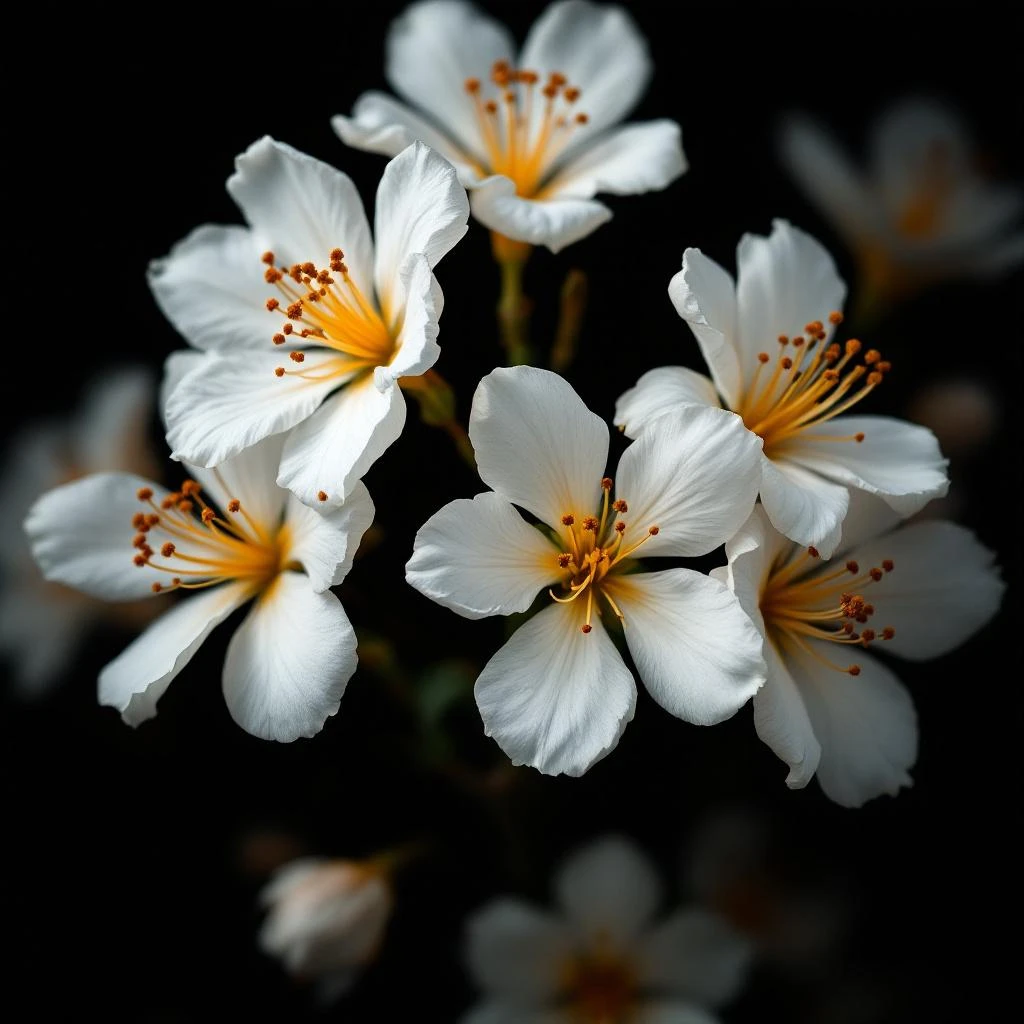
Cedrat Flower Natureprint captures the fleeting white bloom of the citron tree through advanced capture technology, preserving aromatic molecules too delicate for traditional distillation methods.
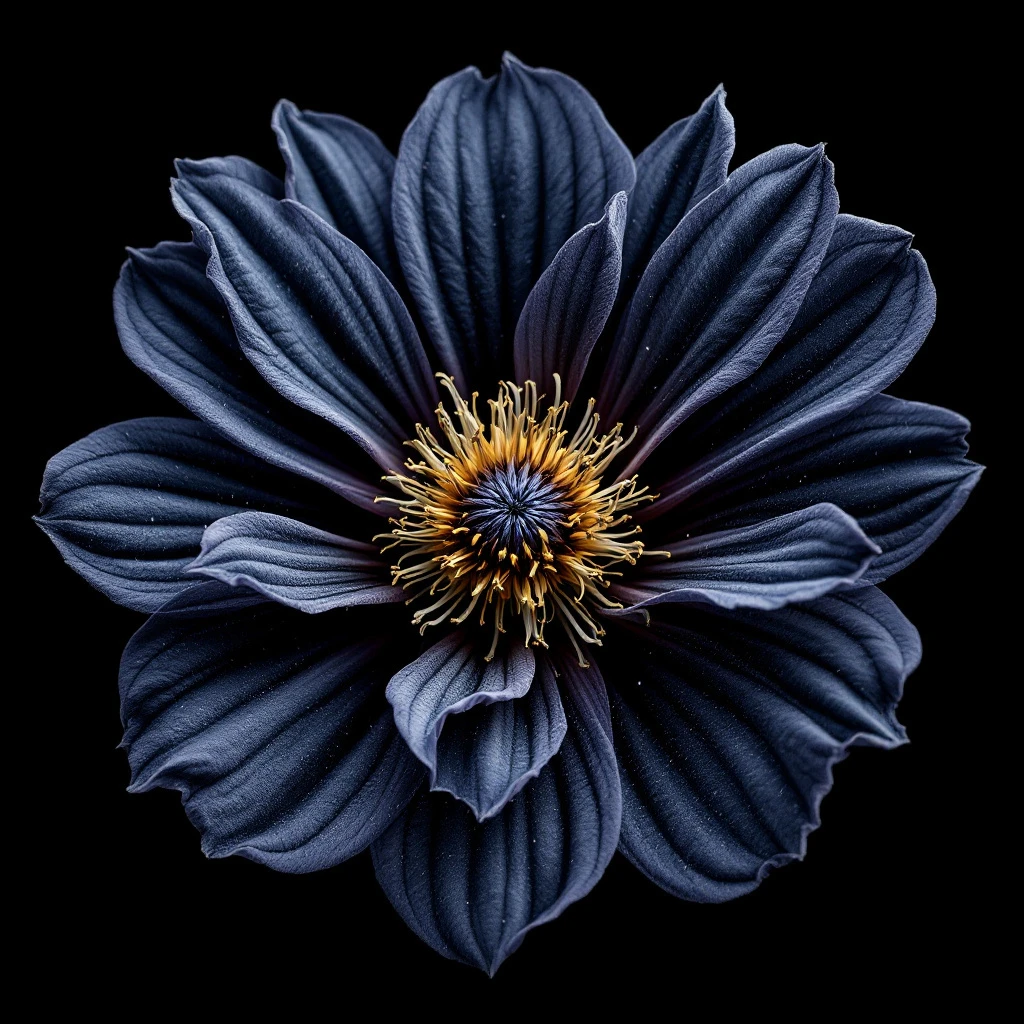
Character
How it smells
Sunlit citron blossom, captured in motion
The cedrat flower blooms for only days at a time, making its scent one of the rarest to encounter in nature outside the Mediterranean spring season.



Origin
Italy
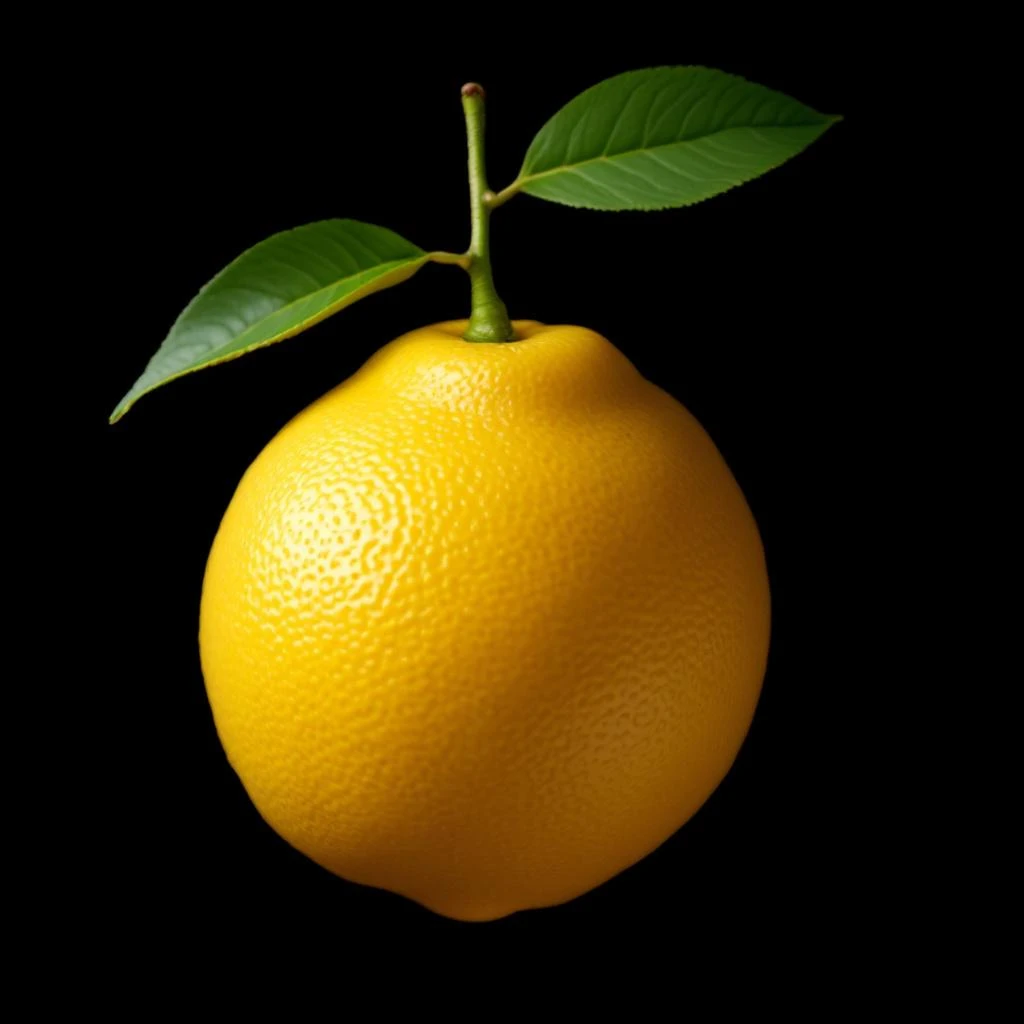
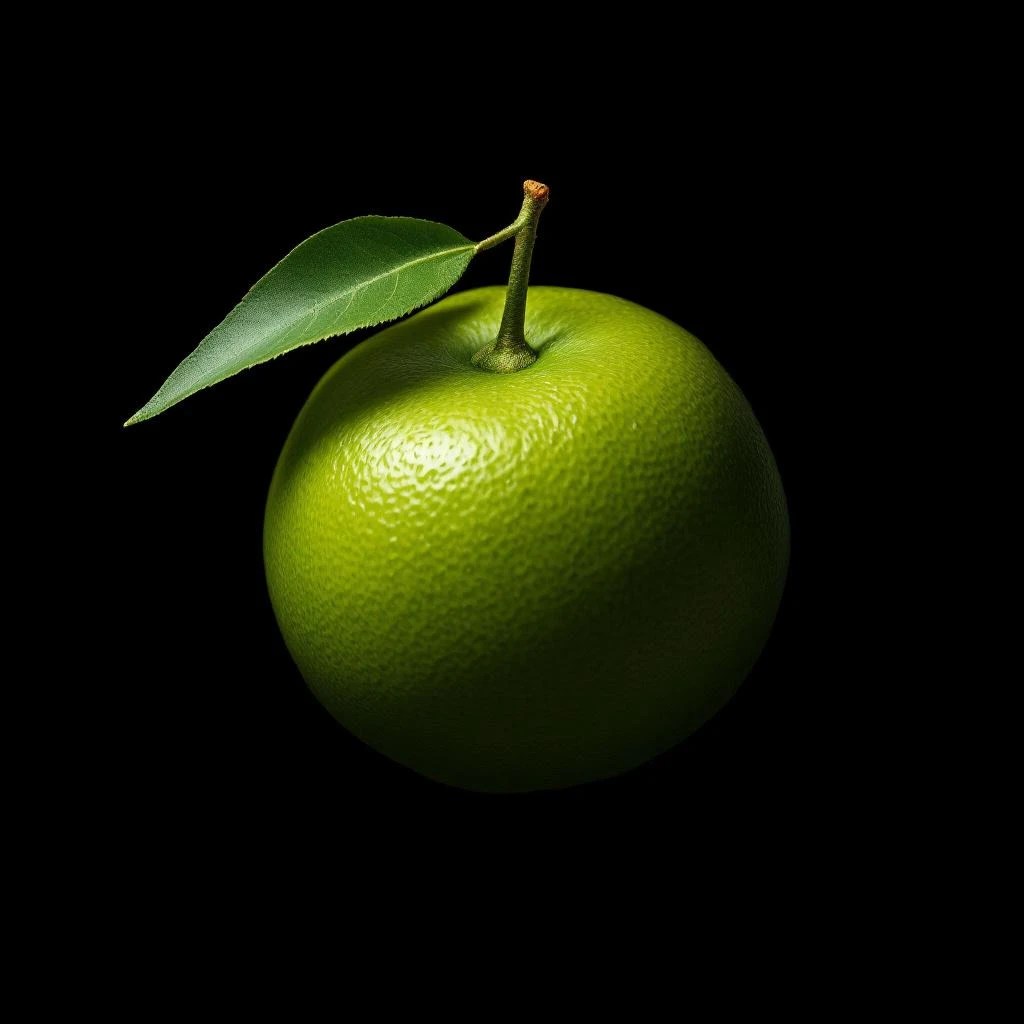
The cedrat, or Citrus medica, holds the distinction of being one of the oldest cultivated citrus species, with origins traced to the foothills of the Himalayas and cultivation records dating back over 2,000 years. Ancient Israelites used its fruit in ritual ceremonies, while Roman naturalist Pliny the Elder documented its medicinal and aromatic applications in the 1st century CE.
The flower itself rarely entered perfumery historically, since traditional extraction methods failed to capture its subtle, ethereal character. Interest in cedrat flower aroma surged in the late 20th century as headspace technology matured, allowing perfumers to finally bottle a scent that perfumers had long admired but could not extract.
The Mediterranean basin, particularly Corsica and the Italian Amalfi coast, became primary sites for cultivation and study, as the citron tree thrives in these coastal microclimates. Today, Natureprint versions of cedrat flower appear in fine fragrances seeking the luminous, slightly bitter-floral quality that defines this elusive citrus bloom.
Wears it best
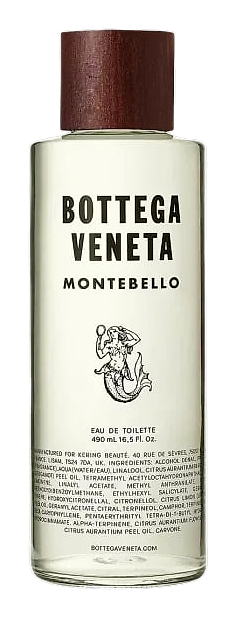
Fragrances featuring Cedrat Flower Natureprint
Brands
Brands known for Cedrat Flower Natureprint
Good to know
Questions, answered
The essentials on Cedrat Flower Natureprint in perfumery: how it smells, where it comes from, and how it behaves on skin.
What does Cedrat Flower Natureprint smell like?
It carries a luminous citrus-floral character, bright and slightly green, with subtle honeyed undertones. The scent evokes the living white blossom of the citron tree rather than the fruit itself, offering a fresher and more delicate profile than cedrat peel extracts.
How is Cedrat Flower Natureprint produced?
Dynamic headspace technology captures the volatile molecules surrounding living cedrat blossoms, which are then reconstructed using natural isolates and nature-identical aroma chemicals. This method preserves aromatic compounds that traditional steam distillation cannot extract from such delicate flowers.
Is Cedrat Flower Natureprint a natural or synthetic ingredient?
It is a nature-identical reconstruction based on molecular analysis of real flowers. While the final material is composed of synthetic aroma chemicals, each component mirrors compounds found in the living citron bloom, ensuring an authentic olfactory profile.
Where does the cedrat flower originate?
The citron tree, Citrus medica, traces its origins to the Himalayan foothills but has been cultivated across the Mediterranean for millennia. Italian and Corsican coastal regions remain primary sources for fresh cedrat flower material used in modern fragrance research.
Why can't cedrat flowers be steam distilled?
The flowers are too delicate and produce insufficient essential oil under heat. High temperatures degrade the fragile top notes, making traditional distillation impractical and yielding results that poorly represent the living flower's true scent.
What fragrances commonly use Cedrat Flower Natureprint?
Cedrat Flower Natureprint appears in citrus-forward colognes and Mediterranean-inspired compositions from houses such as Acqua di Parma and L'Occitane. It typically serves as a radiant top note in light, summery formulations.
When did perfumers first capture cedrat flower scent?
Headspace capture of cedrat flower became commercially viable in the 1990s as fragrance houses refined the technology. Prior to this breakthrough, the flower scent existed only in nature or through creative blending of citrus and white floral notes.
How does cedrat flower differ from neroli?
While both derive from citrus blossoms, neroli comes from bitter orange flowers and carries a more indolic, rich character. Cedrat flower offers a brighter, greener profile with less sweetness and a distinctive honeyed-green undertone unique to Citrus medica.





