Cedar Moss
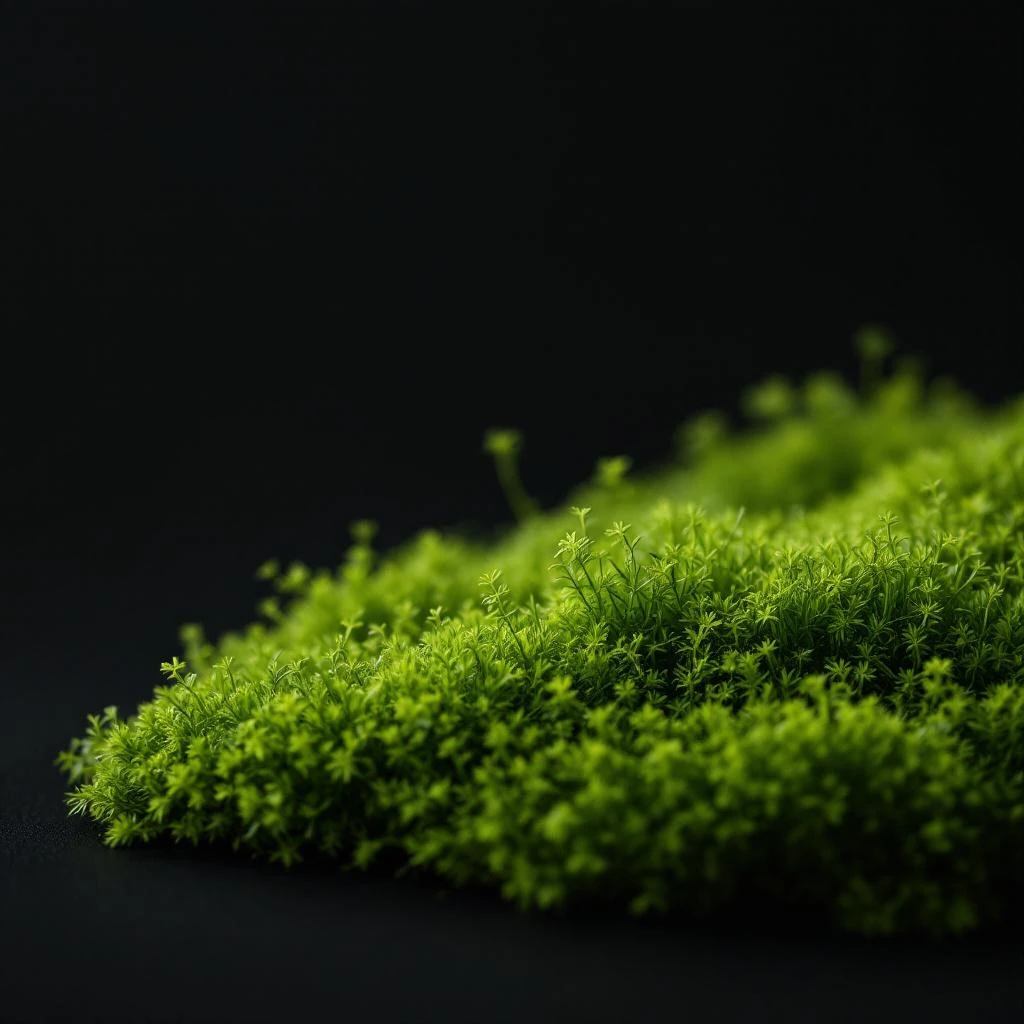
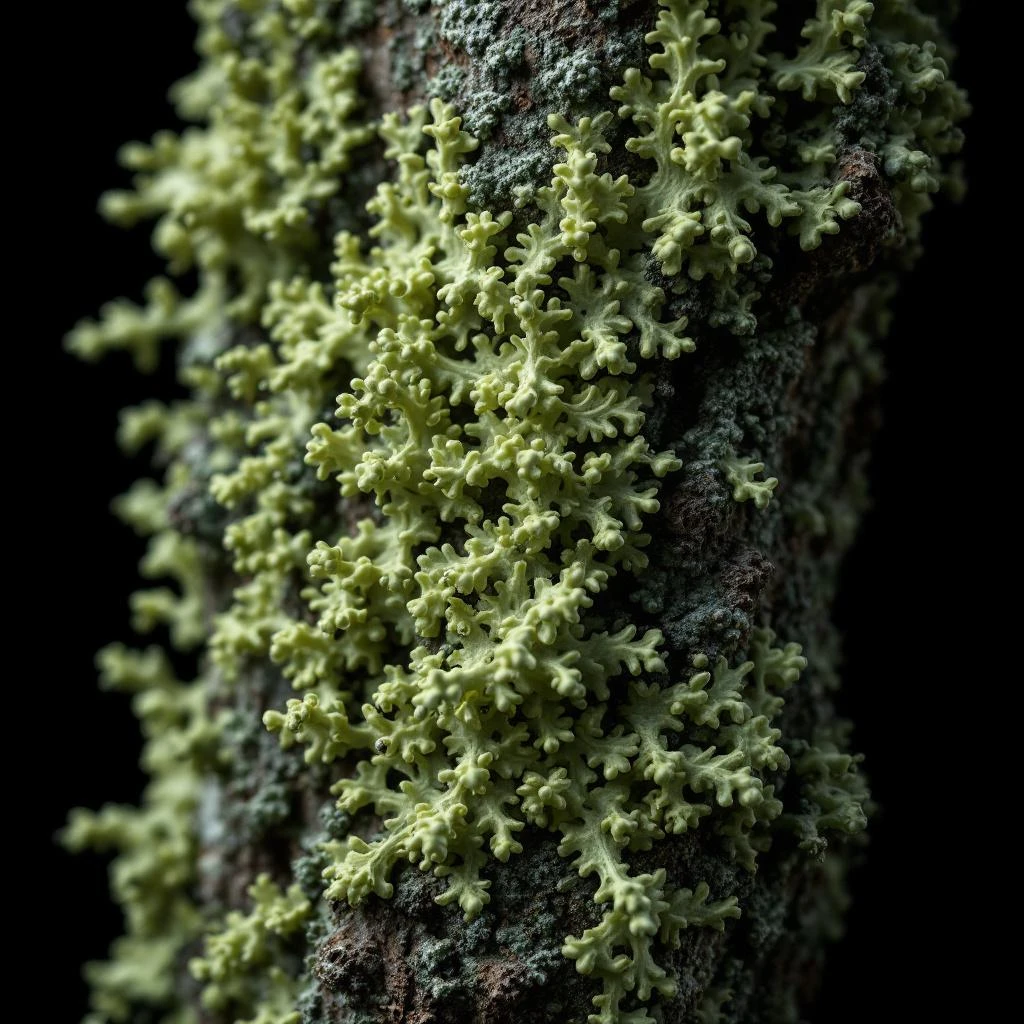
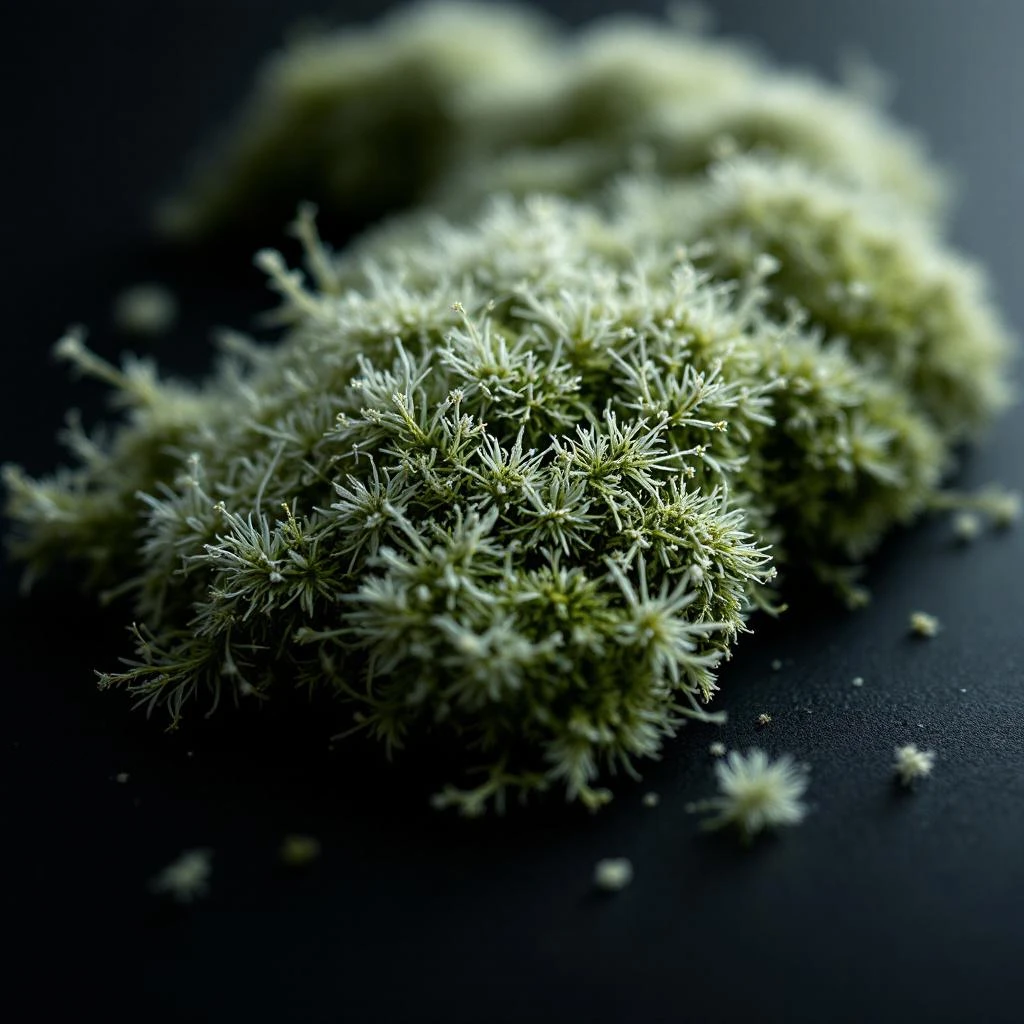
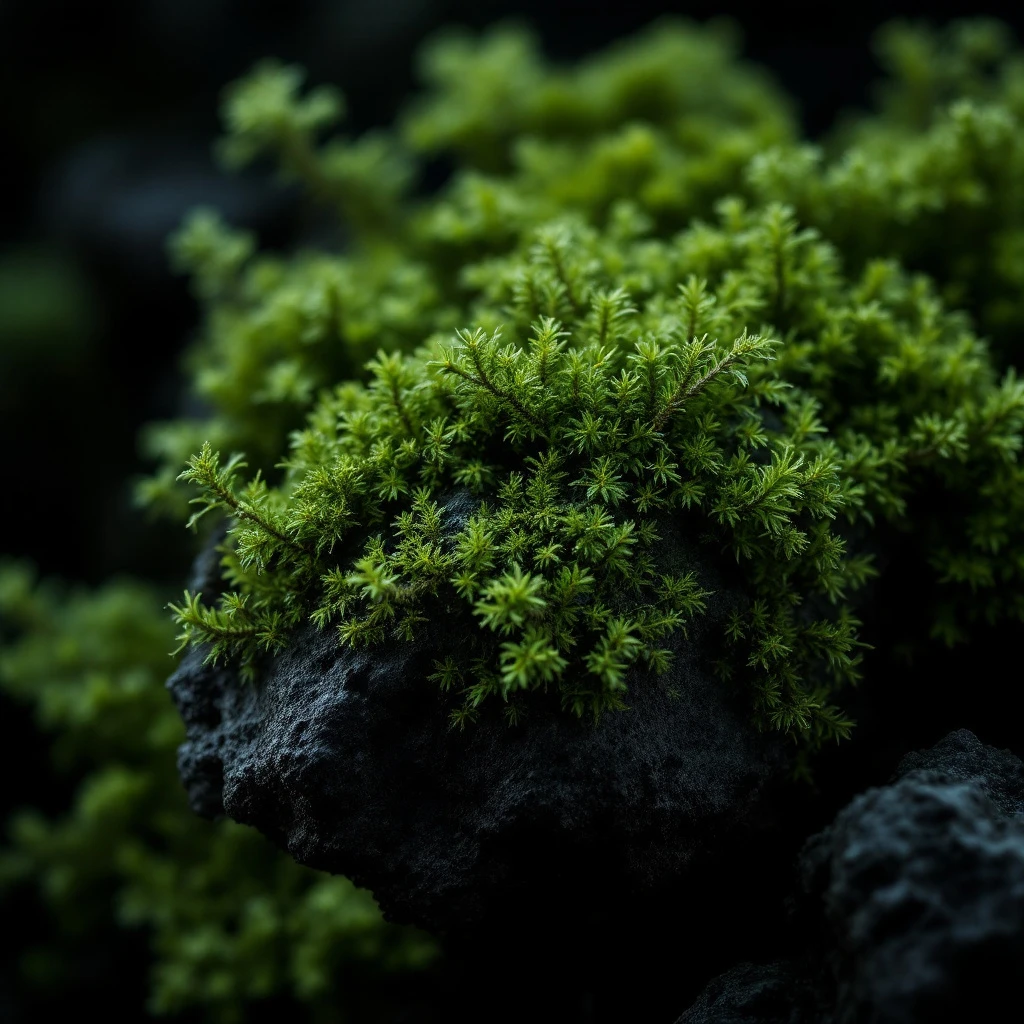
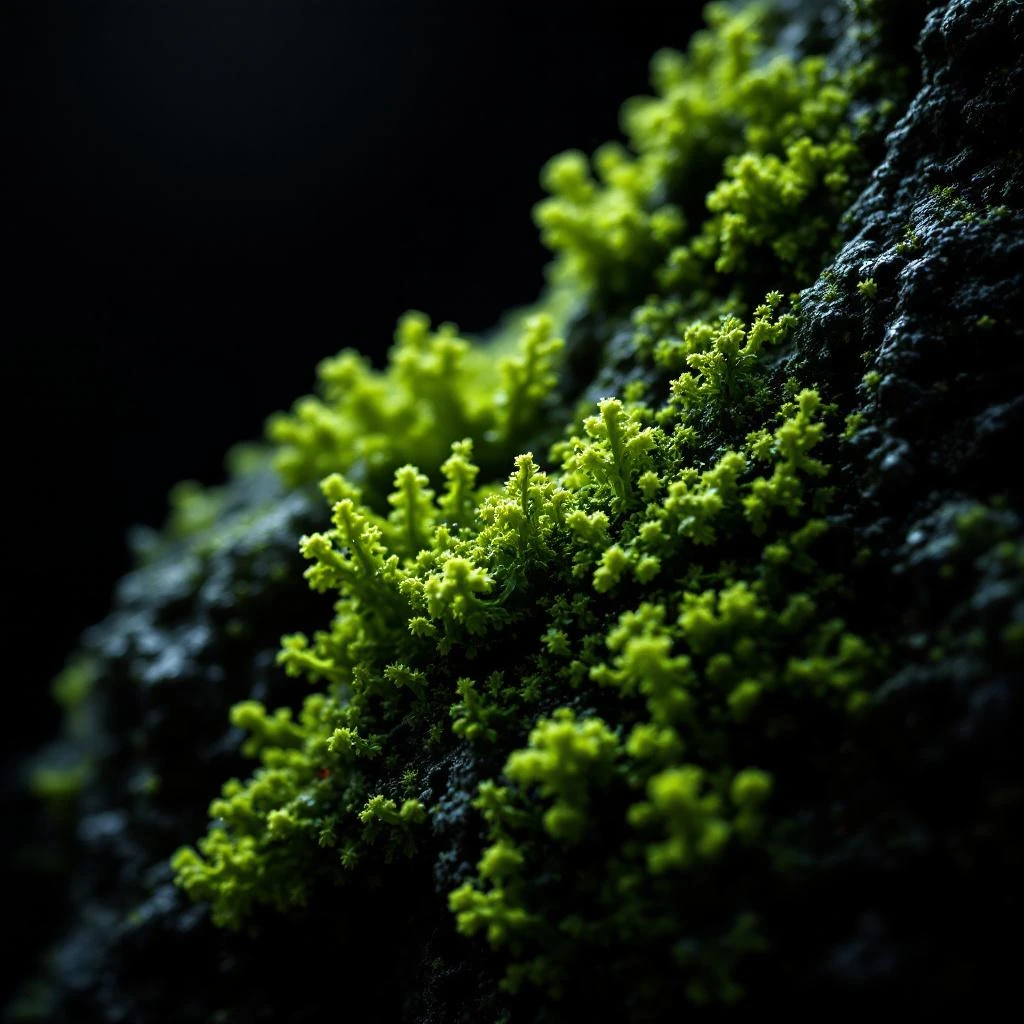
Cedar Moss captures the quiet stillness of old forests where lichen clings to weathered bark. This aromatic material brings a dry, earthy softness to fragrances, bridging woody depth with green, shadowy undertones.
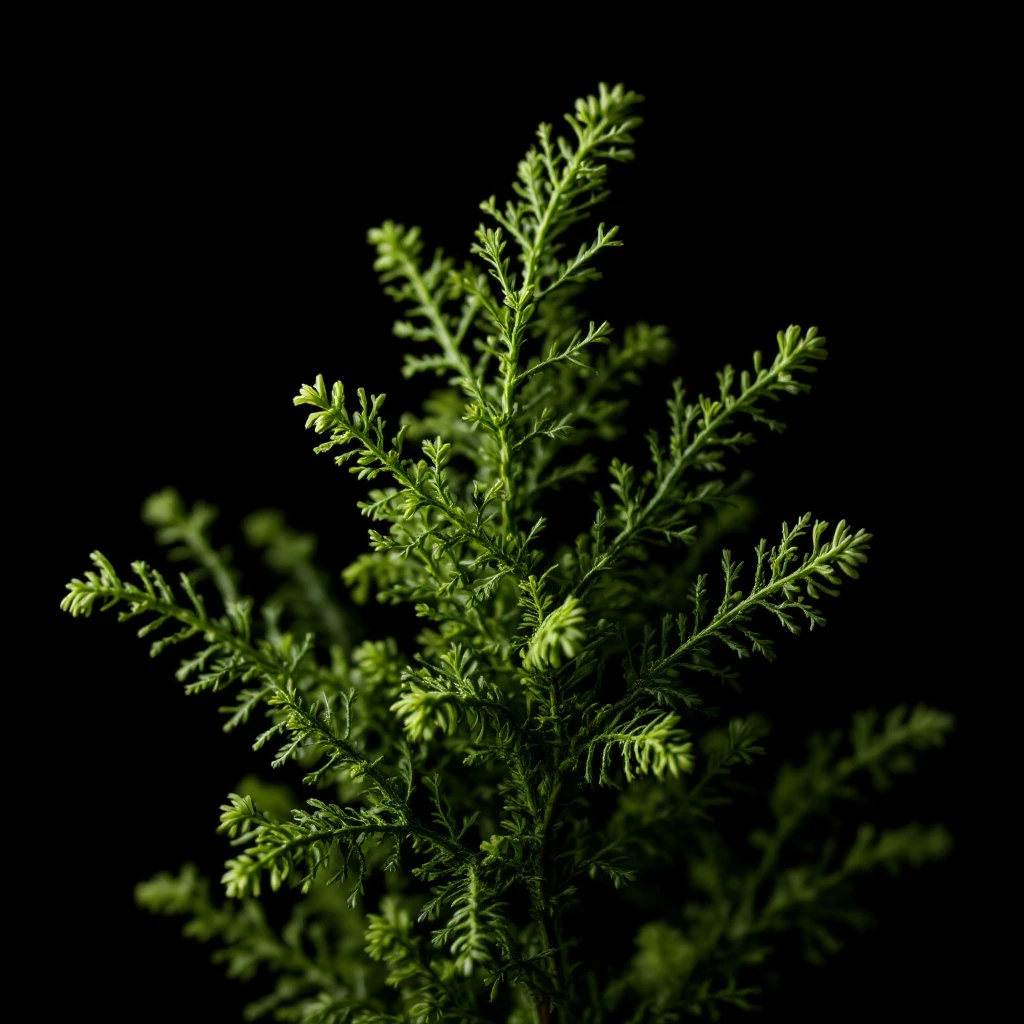
Character
How it smells
Forest floor in a single note
Cedar Moss and Oak Moss share perfumery lineage, but Cedar Moss is gathered from lichen thriving on cedar bark in North American woodlands, lending it a distinctly drier profile.





Origin
United States
Lichens have perfumed human cultures since antiquity, though their modern identity as a fine fragrance ingredient crystallized in the 19th century. Early perfumers prized moss extracts for their ability to anchor volatile top notes and extend longevity on skin. Cedar Moss entered Western perfumery as a regional variant of oakmoss, gathered by settlers and later by commercial collectors in the Pacific Northwest and Eastern woodlands of North America.
Indigenous communities in these regions had long used aromatic lichens for ceremonial and medicinal purposes, steeping them in teas and incense blends. By the mid-20th century, Cedar Moss appeared in fougère and chypre compositions, valued for its drier, more resinous character compared to European oakmoss. Tightened regulations on lichen extracts in the late 20th century shifted production toward controlled harvesting and synthetic reconstruction, yet the material retains a dedicated following among perfumers seeking authentic forest-floor accords.
Today, Cedar Moss symbolizes both botanical heritage and the perfumer's craft of capturing wild landscapes in glass.
Wears it best
Fragrances featuring Cedar Moss
Brands
Brands known for Cedar Moss
Good to know
Questions, answered
The essentials on Cedar Moss in perfumery: how it smells, where it comes from, and how it behaves on skin.
What does Cedar Moss smell like?
Cedar Moss offers a dry, earthy aroma with resinous warmth and faint green sweetness. It evokes damp forest bark and shaded woodland floors, softer than oakmoss and less bitter, with subtle woody undertones from its cedar host tree.
How is Cedar Moss different from Oak Moss?
Both are lichen-derived materials, but Oak Moss (Evernia prunastri) grows primarily on European oak trees and carries a sharper, more pungent profile. Cedar Moss is collected from North American cedar bark, producing a drier, more resinous character with less bitterness.
Is Cedar Moss natural or synthetic?
Natural Cedar Moss absolute exists but is rare and regulated. Most modern fragrances use reconstructed bases combining natural lichen extracts with synthetic molecules to replicate the scent while meeting IFRA safety standards.
What fragrance families use Cedar Moss?
Cedar Moss appears most often in fougère, chypre, and woody compositions. Its dry, earthy quality makes it useful for grounding bright citrus or herbal top notes and adding longevity to forest-inspired or masculine-leaning fragrances.
Why is Cedar Moss restricted in perfumery?
IFRA regulations limit lichen-derived extracts due to sensitization concerns. Oak moss absolute faces stricter concentration caps, and Cedar Moss, sharing similar molecular compounds, is often governed by the same safety thresholds in commercial formulations.
Can Cedar Moss be harvested sustainably?
Sustainable harvesting requires selective collection of mature lichen only, leaving younger growth to regenerate. Hand-picking from fallen branches rather than living trees reduces ecological impact, though wild supply remains limited and slow.
What ingredients pair well with Cedar Moss?
Cedar Moss blends naturally with vetiver, patchouli, sandalwood, and lavender. It also complements bright bergamot and herbal notes like rosemary, adding depth without overwhelming more delicate floral or citrus components.
Does Cedar Moss contain actual cedar oil?
No. Despite the name, Cedar Moss contains no cedarwood oil. The 'cedar' refers to the host tree the lichen grows on. The aromatic profile comes entirely from the lichen itself, which produces its own distinctive compounds.