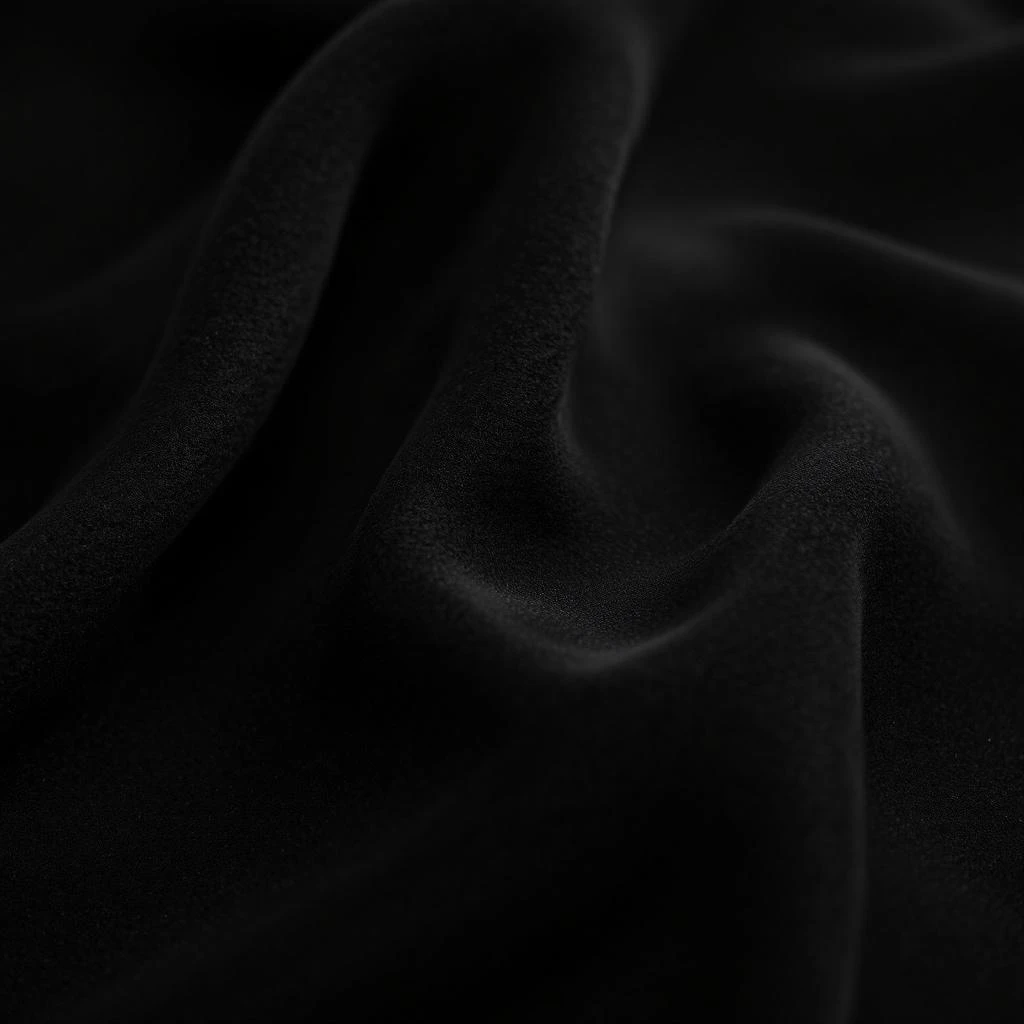
Cashmere Suede
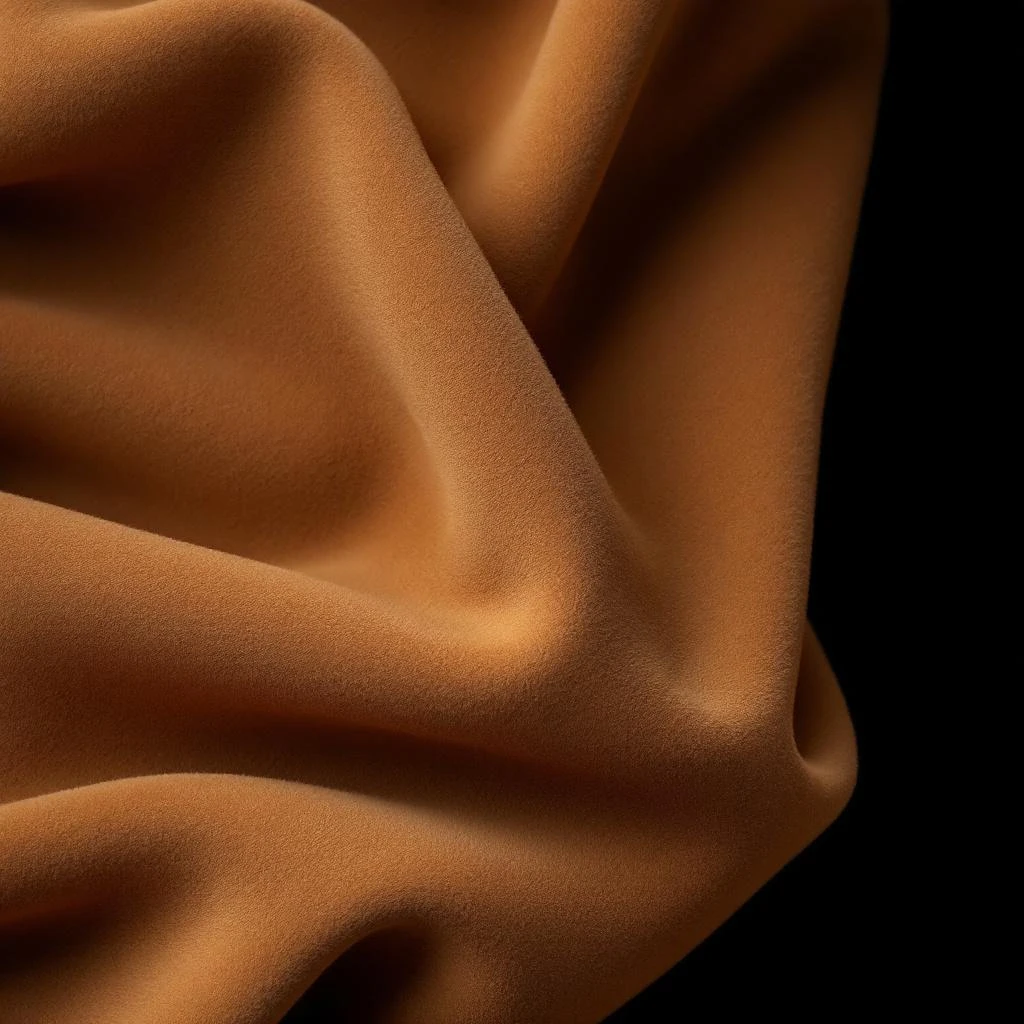
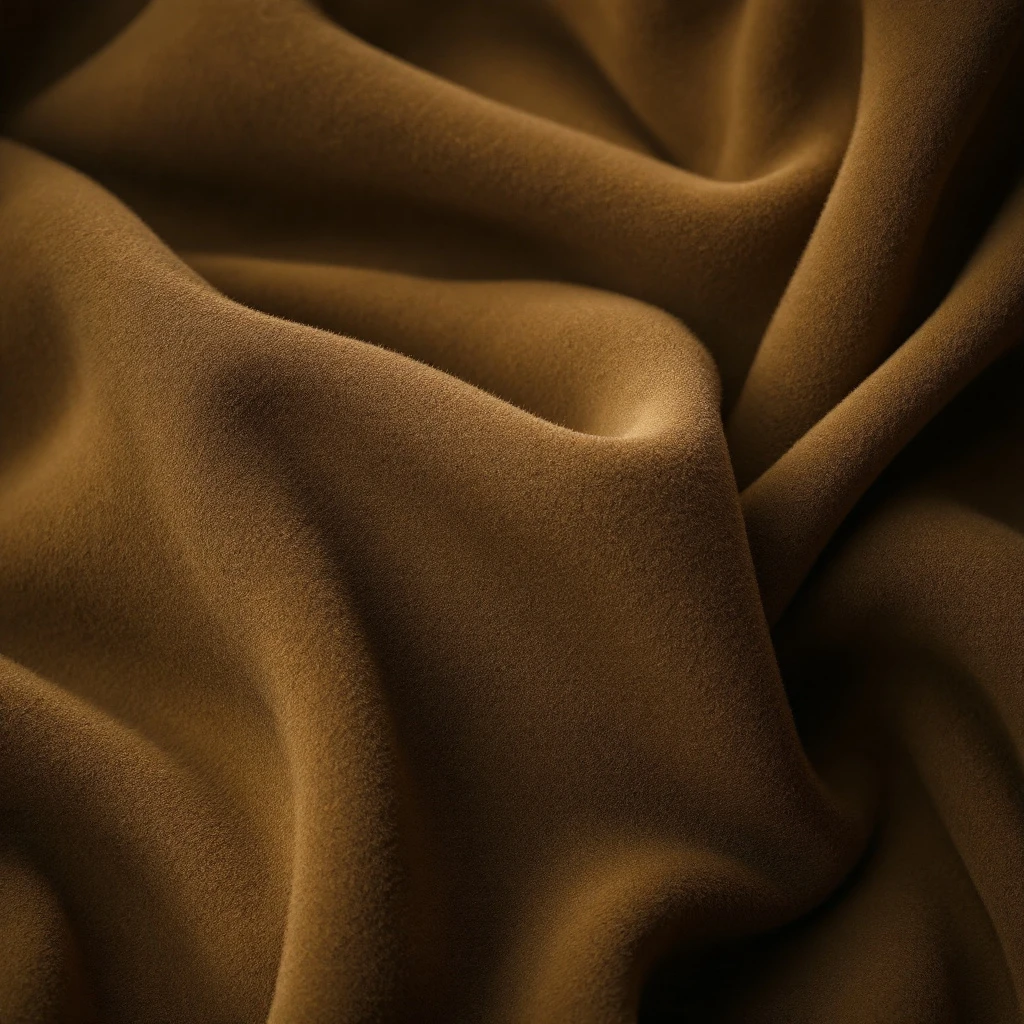
Cashmere Suede is a modern accord that captures the soft warmth of brushed suede layered with the powdery comfort of cashmere fiber. It smells dry, velvety, and gently sweet, evoking a favorite jacket worn close to skin.
Character
How it smells
Soft, dry, and wrapped in warmth
Suede notes in perfumery are entirely synthetic, since real leather yields no usable aroma, so perfumers reconstruct the scent using molecules like cashmeran, first synthesized in the 1970s.




Origin
France
Suede as a perfumery concept emerged in the 1920s, when French and Italian leather houses near Grasse began collaborating with local perfumers to scent gloves, handbags, and jackets. The goal was to recreate the pleasant smell of fine leather goods, which came partly from the birch, oak, and chestnut tannins used in tanning.
By the mid-twentieth century, the technique had shifted toward synthetic reconstruction, since real leather yields no extractable essential oil. The cashmere dimension arrived later, driven by postwar demand for softer, more comforting textures in both fashion and fragrance.
Cashmeran, the key molecule behind the modern accord, was synthesized in 1974 and quickly adopted by perfumers for its ability to smell like warm skin and soft wool at the same time. By the 1990s, the Cashmere Suede style had become a staple in luxury flankers, particularly in oriental and gourmand compositions where the dry warmth balances heavier resins and vanillas.
Wears it best
Fragrances featuring Cashmere Suede
Brands
Brands known for Cashmere Suede
Good to know
Questions, answered
The essentials on Cashmere Suede in perfumery: how it smells, where it comes from, and how it behaves on skin.
What does Cashmere Suede smell like in perfume?
It smells like soft, dry suede warmed by cashmere-like musk, with a velvety, slightly powdery character. The effect is gentle and skin-close rather than heavy or animalic. It reads as comfort and fabric rather than raw leather.
Is Cashmere Suede a natural or synthetic note?
Cashmere Suede is entirely synthetic. No natural extraction exists, since real suede and cashmere produce no usable aroma. Perfumers reconstruct the scent using molecules like cashmeran, white musks, and iris compounds.
What is cashmeran and why is it important?
Cashmeran is a synthetic aldehyde first synthesized in 1974. It carries woody, musky, and slightly spicy facets that closely mimic warm skin and soft wool, making it the backbone of most Cashmere Suede accords.
When was the suede leather note first used in perfumery?
French and Italian leather houses began working with perfumers in the 1920s to scent gloves and bags. By the 1960s, synthetic reconstruction had largely replaced the original birch-tar leather bases.
Which fragrance families use Cashmere Suede?
It appears most often in oriental, gourmand, and soft floral compositions, where its dry warmth balances heavier resins, vanillas, and ambers. It also works well in modern musky skin scents designed to smell like fabric.
How long does Cashmere Suede typically last on skin?
As a base note, Cashmere Suede usually lasts six to ten hours depending on concentration and supporting musks. Its dry-down is close to the skin rather than projecting widely.
Is Cashmere Suede the same as regular suede leather notes?
Not exactly. Classic suede notes lean drier and more leathery, often built on isobutyl quinoline. Cashmere Suede adds powdery, fabric-like softness from cashmeran and white musks for a gentler impression.
Can Cashmere Suede be layered with other notes?
Yes. It pairs well with vanilla, amber, sandalwood, iris, and rose, since its neutral warmth supports rather than competes. Many perfumers use it to soften heavier oriental or gourmand compositions.