Caribbean Fruit
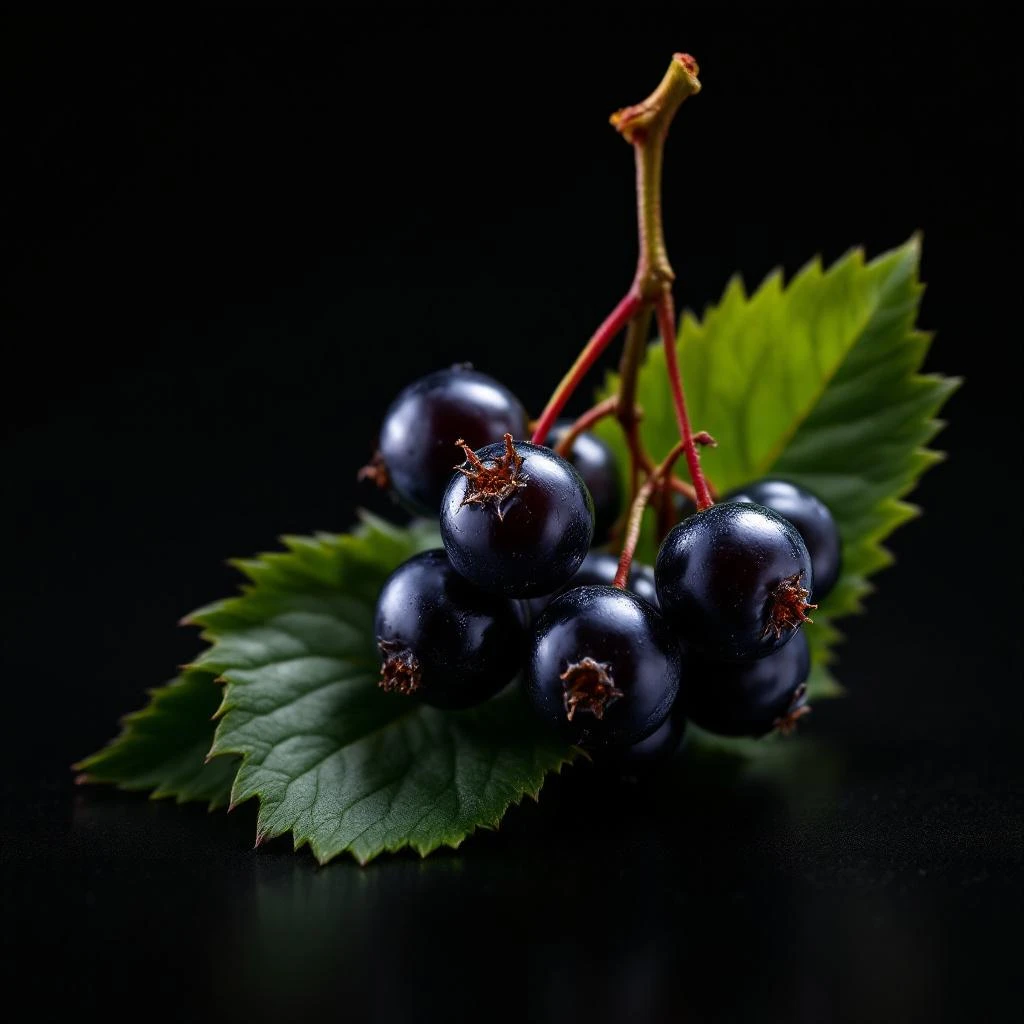
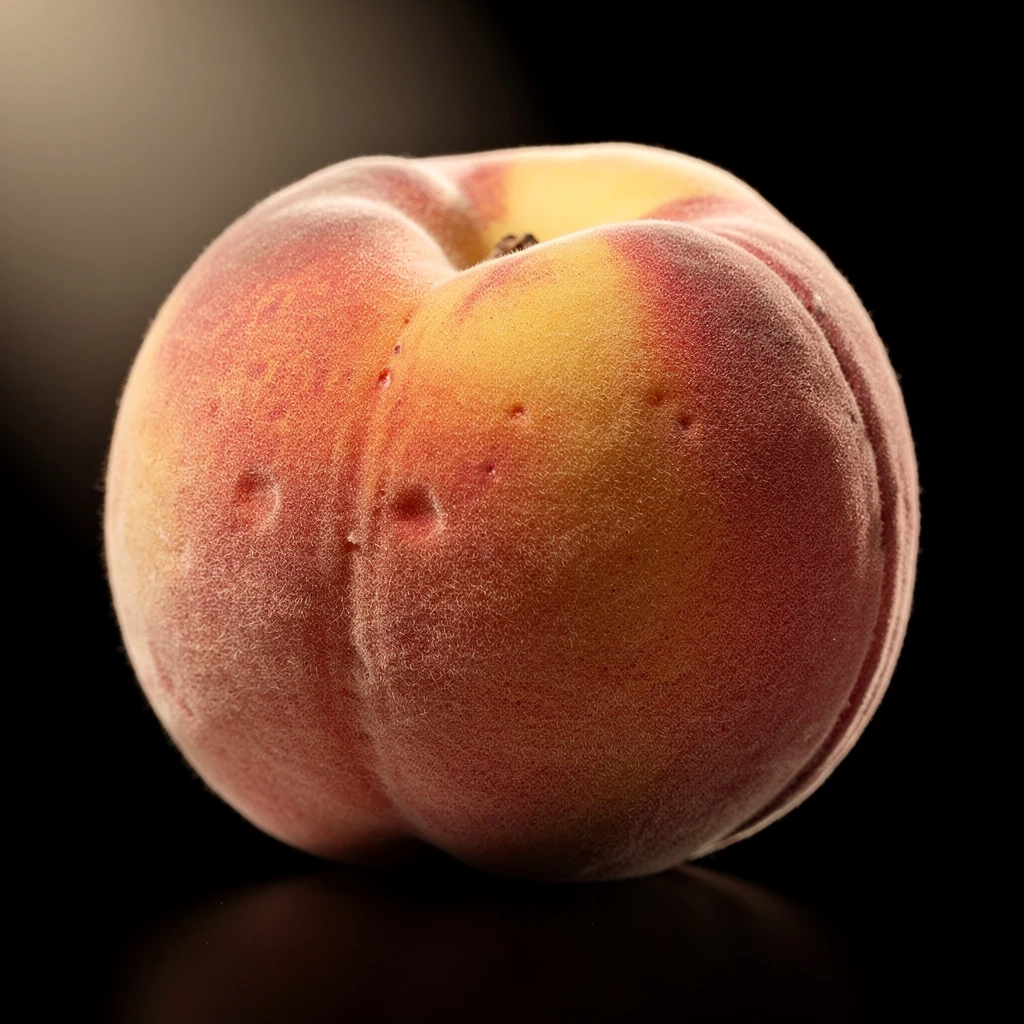
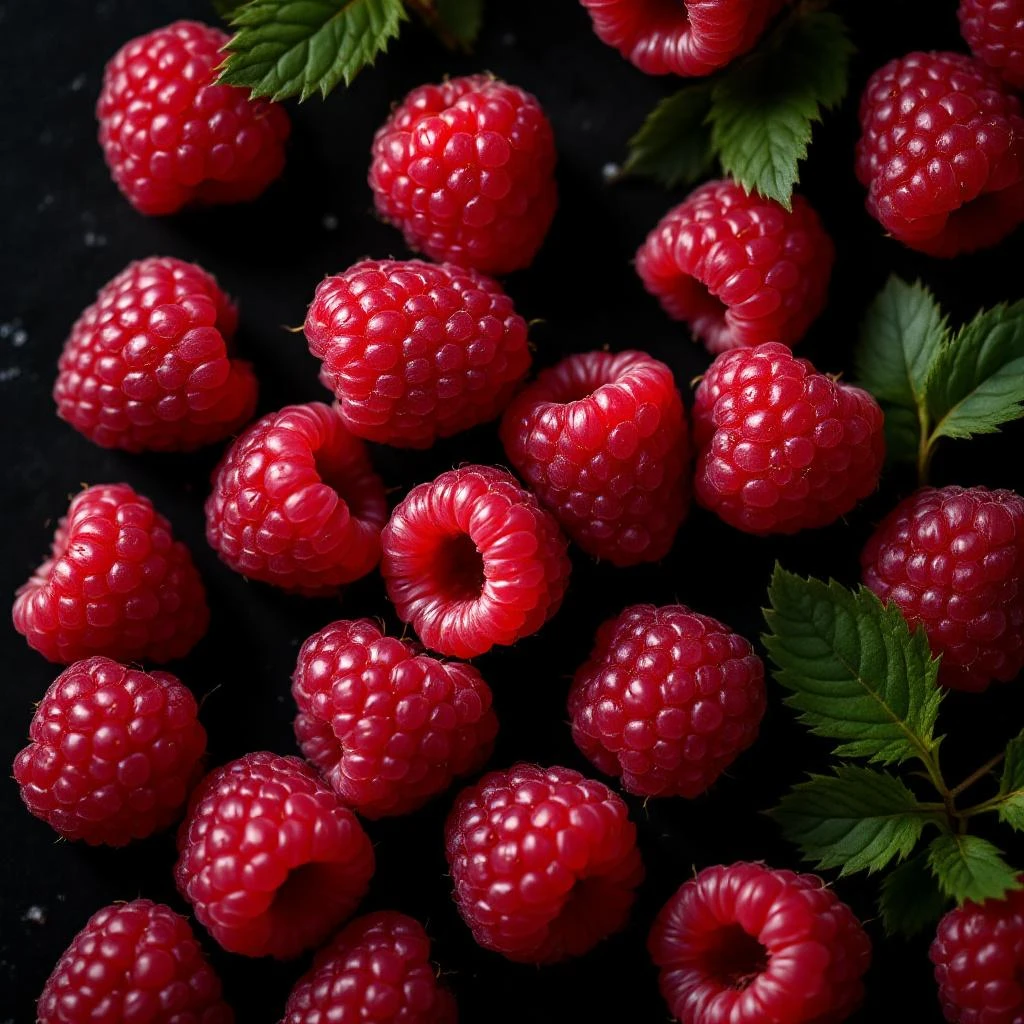
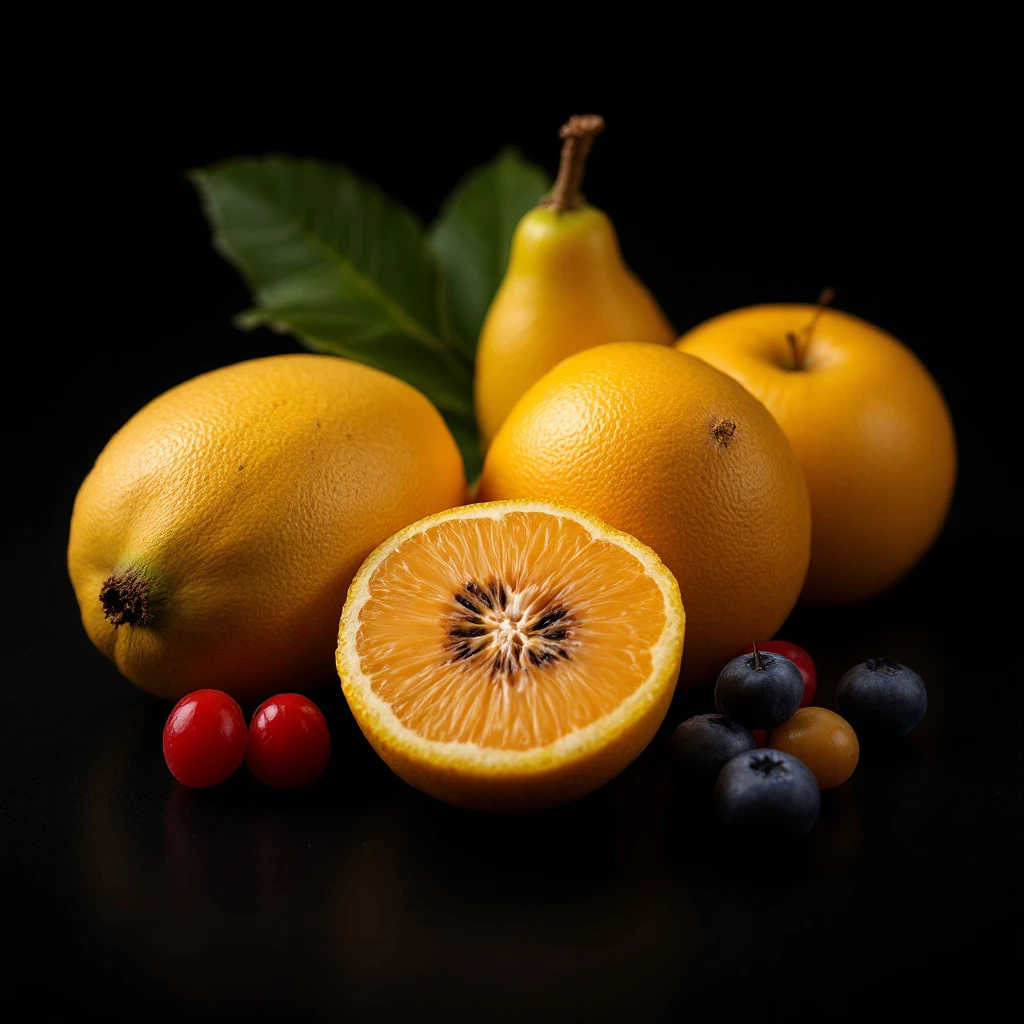
Caribbean Fruit captures the sensory abundance of tropical orchards, where mango, guava, passionfruit, and pineapple ripen under relentless sun. This aromatic family weaves exotic sweetness with bright acidity, evoking island harvests at peak maturity.
Character
How it smells
Sun-ripened tropics, bottled.
Caribbean perfumers traditionally layer multiple fruit distillates to build complexity, since a single tropical fruit rarely contains enough aromatic diversity to stand alone in fine fragrance compositions.






Origin
Caribbean
The Caribbean has long been associated with aromatic abundance, though its formal entry into Western perfumery lagged behind European traditions. Spanish colonists in the 16th century documented indigenous uses of fruits like guava and papaya in ritual anointing oils, while Caribbean plantations supplied citrus essences to European fragrance houses by the 1700s.
The modern Caribbean Fruit note emerged during the 1990s, driven by Jamaican and Dominican perfume artisans seeking to express regional identity through scent. These pioneers built hero compositions around locally abundant materials, countering the European bias toward Mediterranean citrus.
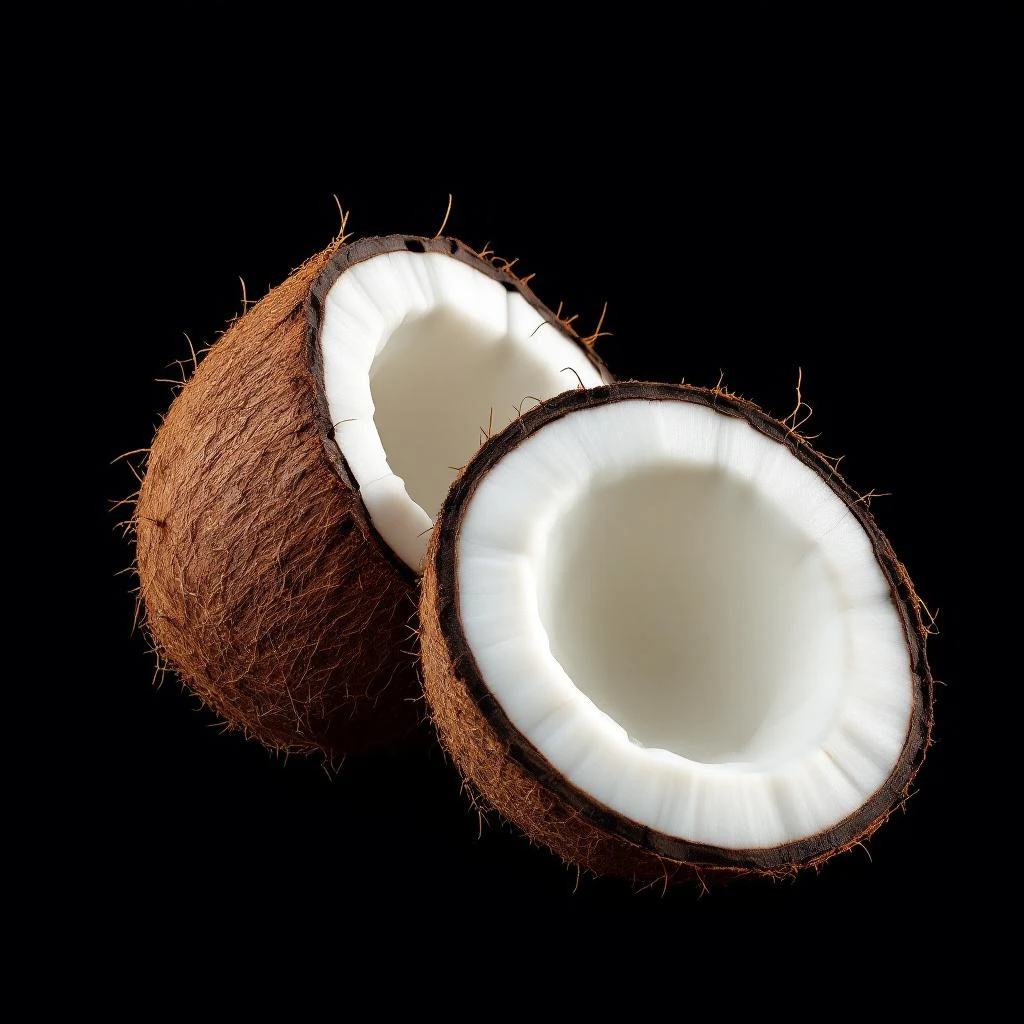
Today, Caribbean Fruit accords appear across mainstream fragrance houses, often paired with coconut, white rum, or frangipani to evoke island settings. The style reflects a growing recognition that tropical fruit chemistry offers unique molecules, such as the sulfur-containing esters behind passionfruit's unmistakable scent, that cannot be replicated by rearranging conventional fruit notes.
Wears it best
Fragrances featuring Caribbean Fruit
Brands
Brands known for Caribbean Fruit
Good to know
Questions, answered
The essentials on Caribbean Fruit in perfumery: how it smells, where it comes from, and how it behaves on skin.
What does Caribbean Fruit smell like in perfume?
Caribbean Fruit accords smell like sun-ripened tropical produce: mango, guava, passionfruit, and pineapple layered with bright acidity. Expect juicy sweetness balanced by green, slightly tart undertones rather than simple sugary notes.
Is Caribbean Fruit a natural or synthetic ingredient?
Caribbean Fruit is almost always a reconstructed accord. Most tropical fruits degrade too quickly for traditional distillation, so perfumers blend nature-identical molecules like ethyl 2-methylbutyrate and gamma-decalactone to capture authentic aroma.
Which fruits are typically in a Caribbean Fruit accord?
A typical accord includes guava, passionfruit, mango, pineapple, and soursop. Perfumers select these because each contributes distinct aroma chemicals that together recreate the complexity of a Caribbean fruit market.
Where did the Caribbean Fruit note originate in perfumery?
The note gained recognition through Jamaican and Dominican perfumers in the 1990s who built compositions around locally abundant tropical fruits, establishing a distinct Caribbean fragrance identity separate from European citrus traditions.
How long does Caribbean Fruit last on skin?
Caribbean Fruit is a top-to-heart note lasting roughly 1 to 3 hours. Its volatile esters evaporate quickly, which is why perfumers often anchor tropical fruit accords with heavier base ingredients like coconut or sandalwood.
Can Caribbean Fruit be extracted naturally?
Yes, through vacuum distillation of fruit pulp at low temperatures. This method preserves delicate esters that conventional heat-based extraction would destroy, though yields remain low and costs high.
What fragrance families pair well with Caribbean Fruit?
Caribbean Fruit pairs naturally with creamy tropical notes like coconut and frangipani, aquatic accords for beach settings, and gourmand bases featuring vanilla or white rum for complex tropical compositions.
Is Caribbean Fruit safe for sensitive skin?
Reconstructed Caribbean Fruit accords are generally safe, but individual fruit molecules like citral and certain lactones can irritate sensitive skin. Always check the complete ingredient list if you have known sensitivities.