Caramelized Pink Sugar
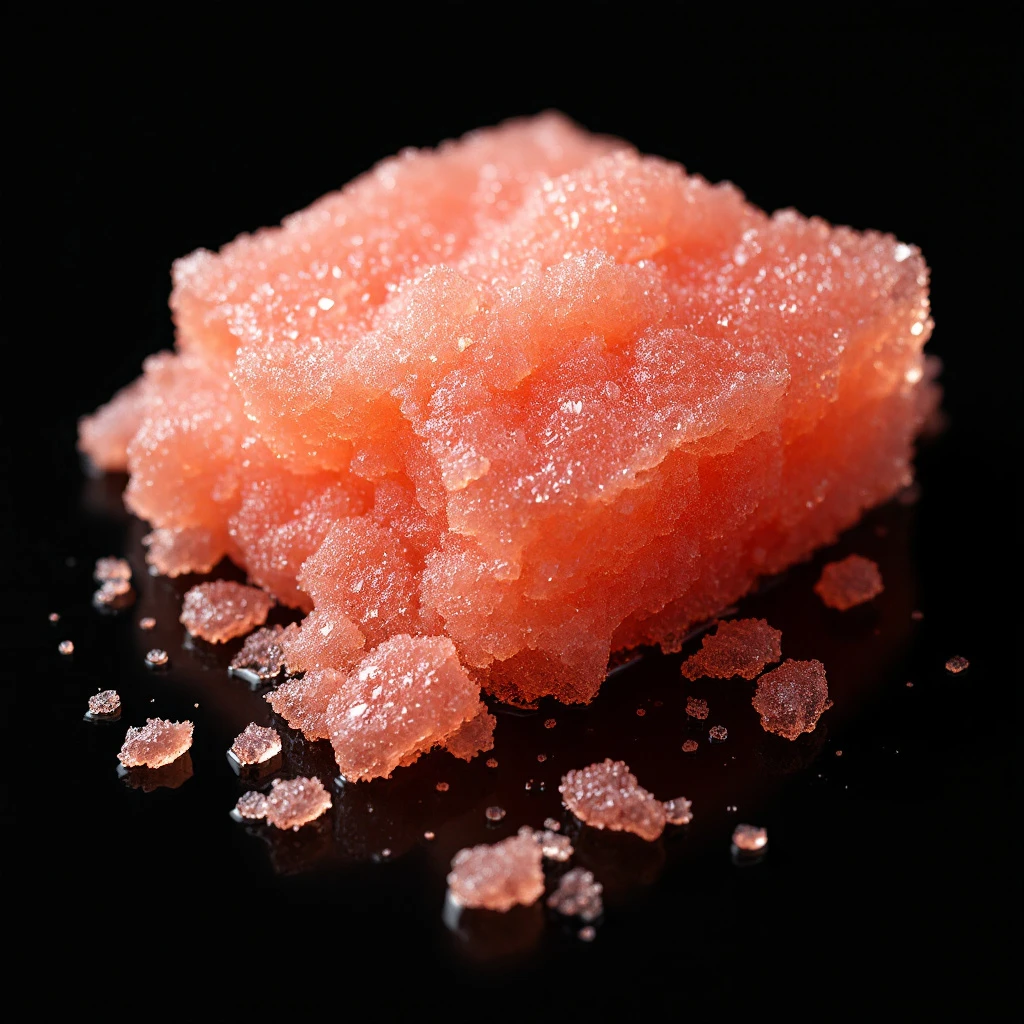
Synthetic caramelized sugar captures the warm, buttery sweetness of real caramel through organic synthesis. It delivers the nostalgic comfort of spun sugar with a pink, sugary edge that defines the gourmand genre.
Character
How it smells
Warm sugar spun into golden sweetness
Pink Sugar by Aquolina dominated 2004-2008, becoming a Sephora bestseller that launched an entire fragrance category.




Origin
Laboratory Origin
Caramelized sugar notes emerged from 19th-century organic chemistry advances when perfumers first synthesized aroma compounds like vanillin and coumarin. These early synthetics opened new olfactory territory, eventually enabling the warm, sweet sugar accords found in modern fragrances. Pink Sugar by Aquolina launched in 2002 and became a cultural phenomenon, proving synthetic sugar notes had massive commercial appeal.
It dominated sales through the mid-2000s, making the gourmand category mainstream. Today, caramelized sugar and pink sugar accords remain fundamental ingredients across mass-market and luxury perfumery alike.
Wears it best
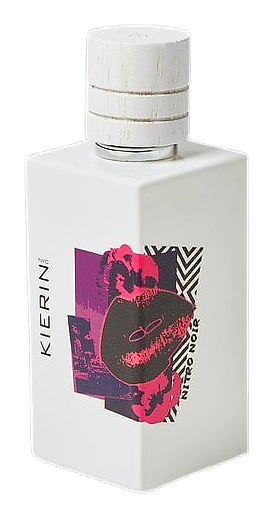
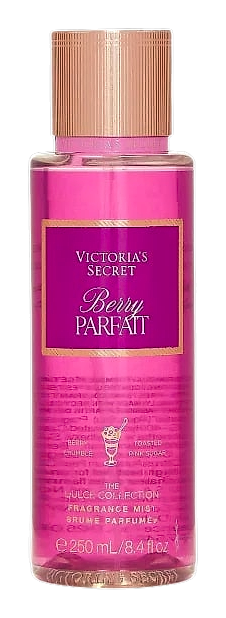
Fragrances featuring Caramelized Pink Sugar
Brands
Brands known for Caramelized Pink Sugar
Good to know
Questions, answered
The essentials on Caramelized Pink Sugar in perfumery: how it smells, where it comes from, and how it behaves on skin.
Is caramelized pink sugar a natural ingredient?
No. Natural caramelized sugar cannot yield a stable, usable fragrance material. Perfumers create this note exclusively through synthetic organic chemistry, combining compounds like maltol, coumarin, and vanillin derivatives to capture that characteristic warm, buttery sweetness.
What gives caramelized pink sugar its distinctive scent?
Maltol provides the buttery caramel foundation while furanone compounds add depth. Perfumery chemists blend these with cotton candy notes and sugary accords to create the distinctive pink sugar character that defines countless modern fragrances.
What is the history of synthetic sugar notes in perfumery?
Caramelized sugar notes developed from 19th-century organic synthesis breakthroughs. Vanillin and coumarin were among the first synthetics used in perfumery, paving the way for modern sugar and caramel aroma chemicals that emerged later.
Why do most fragrances use synthetic caramel notes instead of natural ones?
Natural caramelized sugar yields no stable fragrance ingredient, so synthetic alternatives remain the only option. These materials provide consistent quality, controllable intensity, and scalable production that natural ingredients cannot match.
How has Pink Sugar influenced modern perfumery?
Pink Sugar's commercial success validated synthetic sugar notes as a permanent fragrance category. Today, caramel and pink sugar accords appear across drugstore and luxury fragrances alike, shaping the gourmand genre for over two decades.




