Orange Blossom Nectar
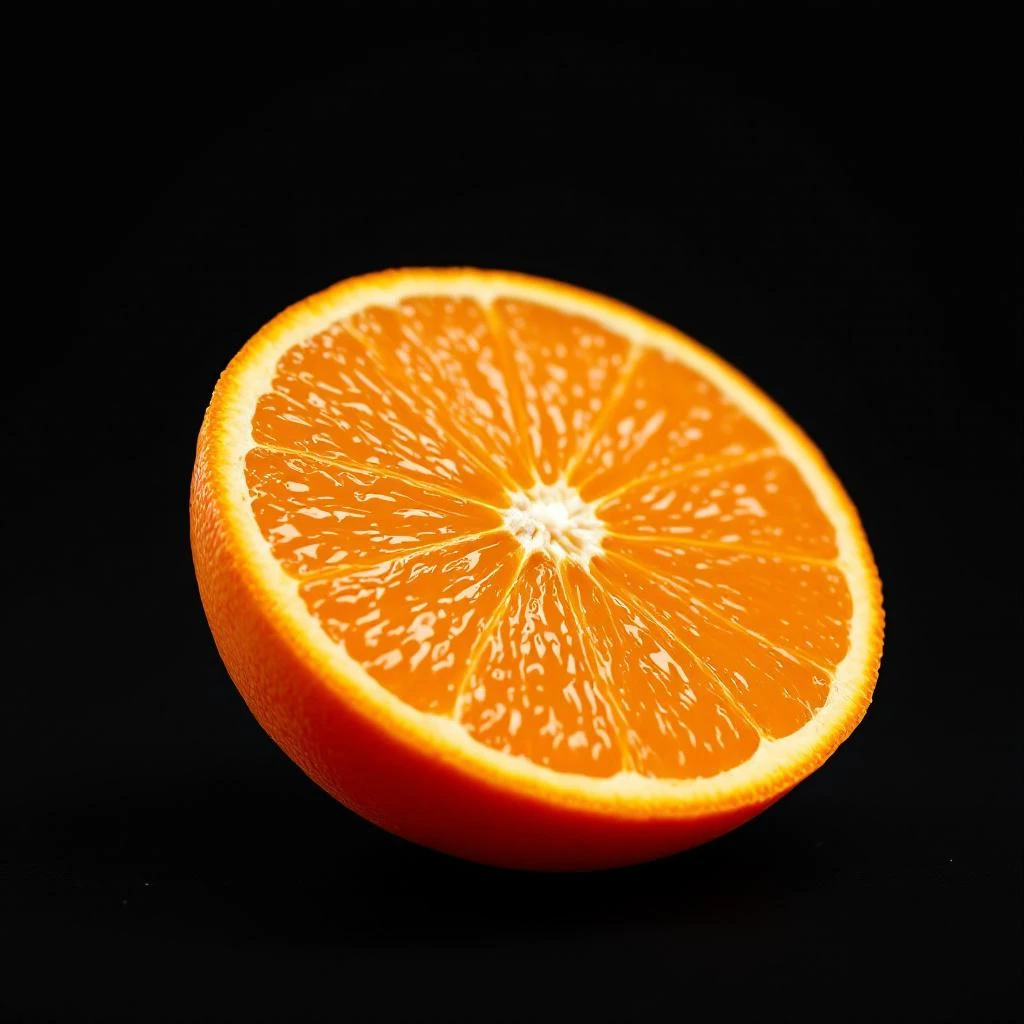
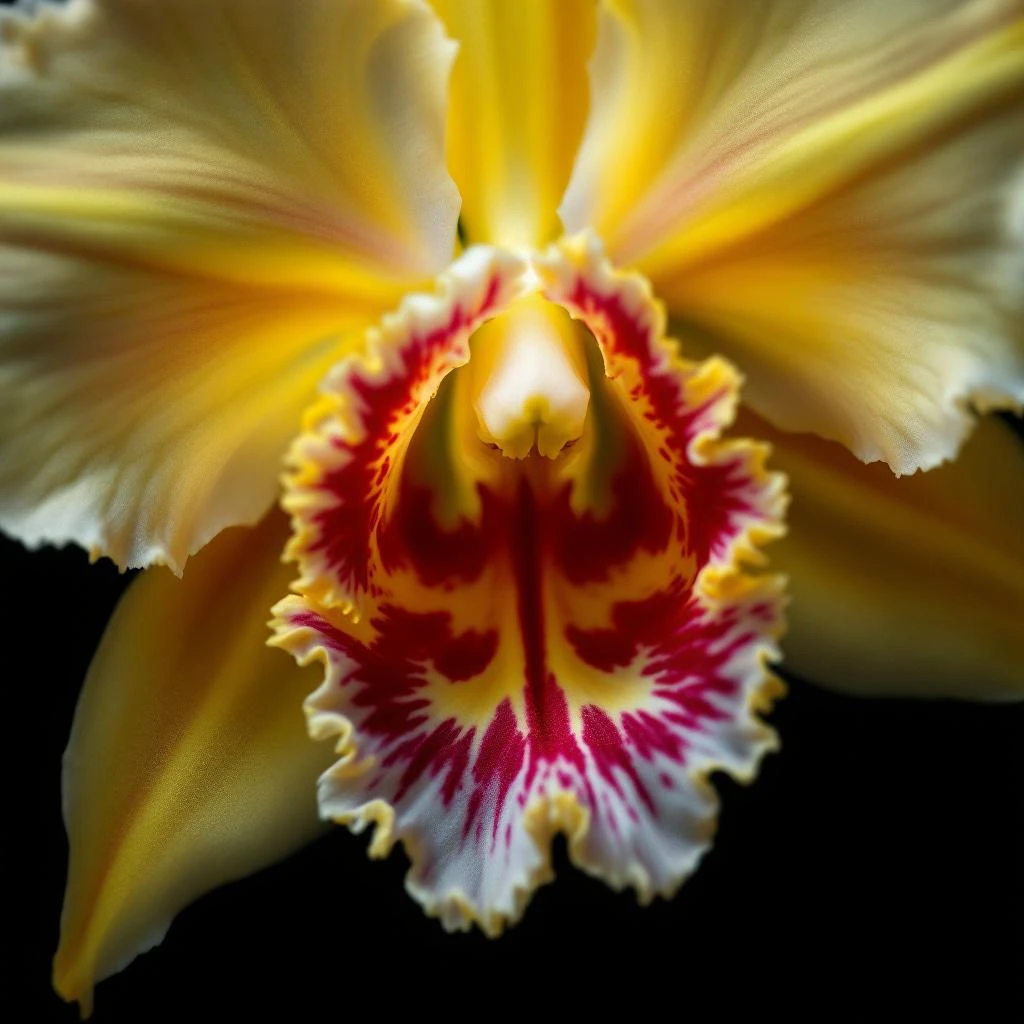
From the bitter orange tree's fragrant blooms comes orange blossom nectar, a sun-drenched material that captures the moment before fruit forms. Its scent holds citrus brightness and floral softness in rare balance.
Character
How it smells
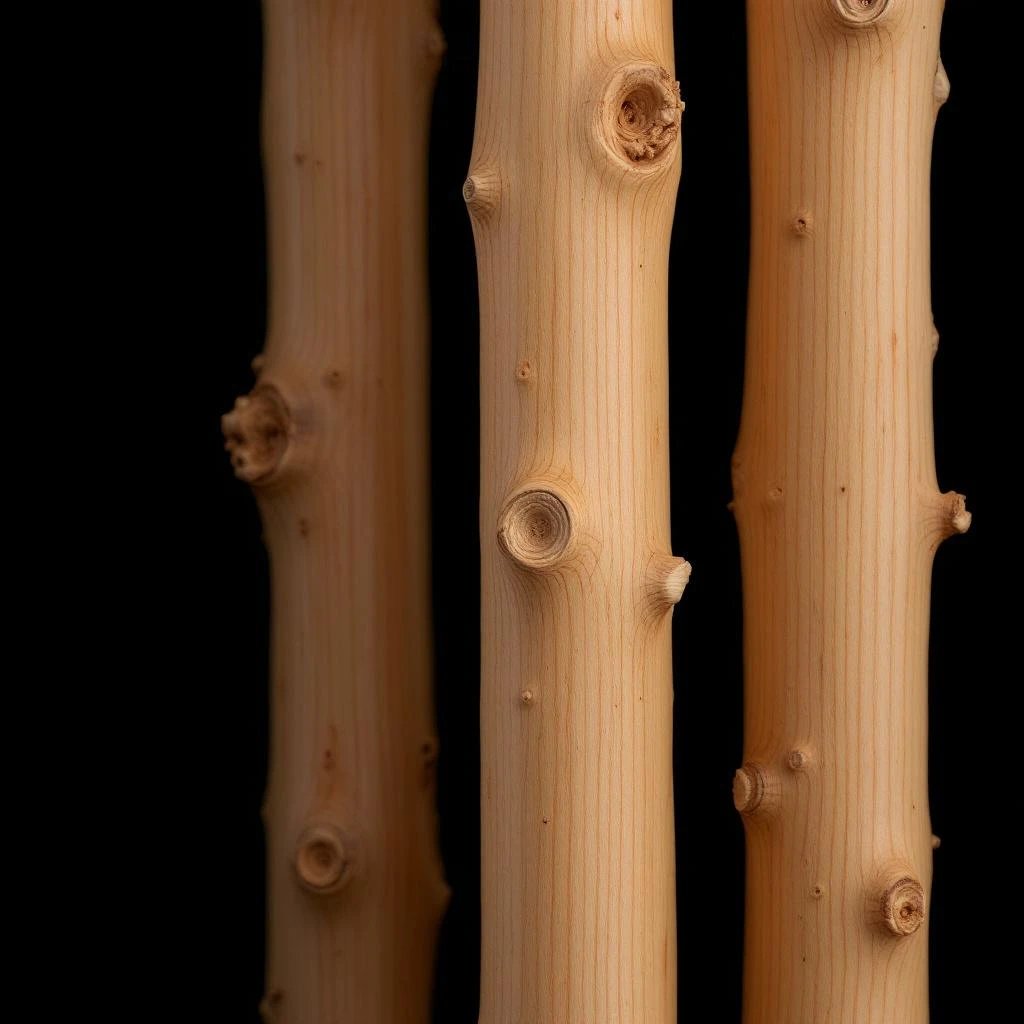
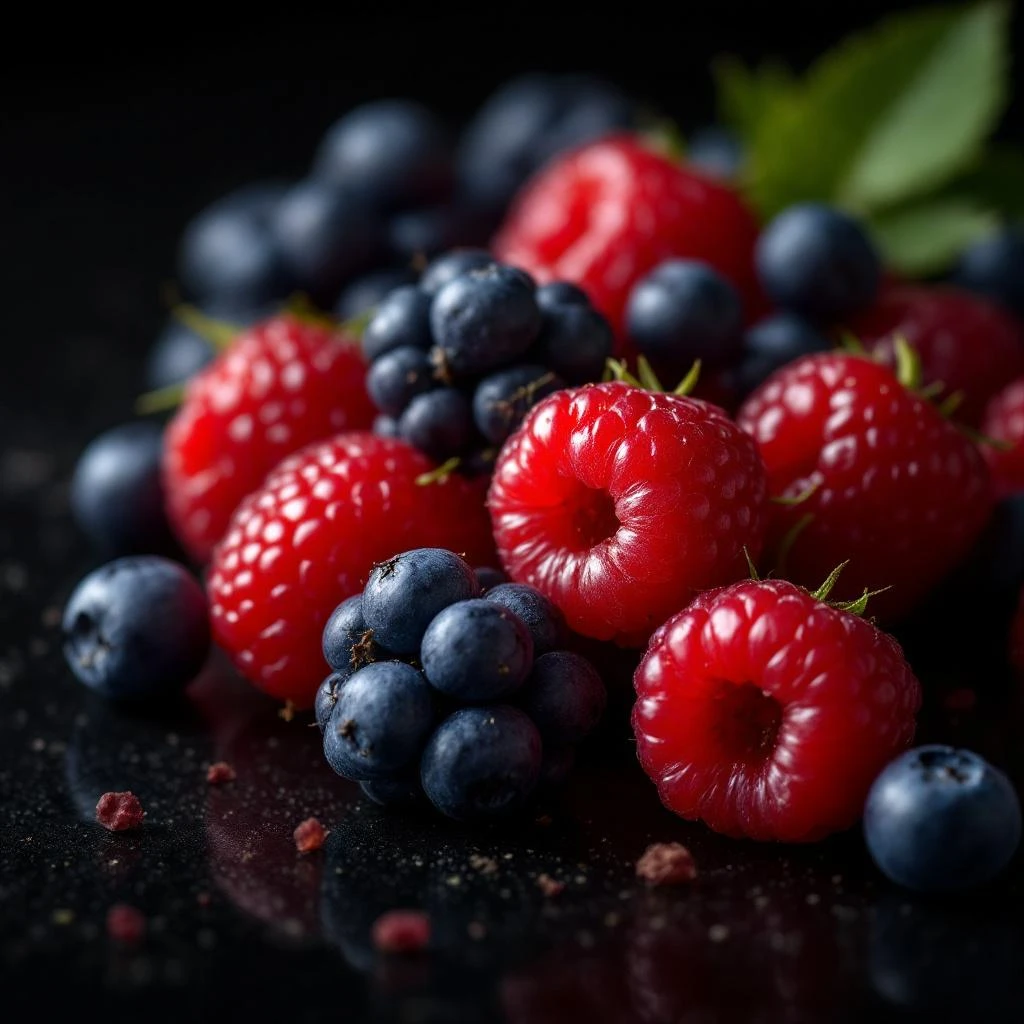
The bittersweet bloom of the bitter orange.
Bitter orange trees require about 15 years of growth before reaching full flowering capacity, making each blossom a patient gift.
Origin
Tunisia
The bitter orange tree originated in China and India before traveling westward along ancient trade routes. Arab perfumers first distilled orange blossom water in the medieval period, attributing spiritual and healing properties to the fragrant distillate.
European perfumers began systematically cultivating orange blossoms for fragrance around 1800, with France emerging as the primary producer throughout the 19th century. French production declined roughly fifty years after establishment, as economic pressures shifted cultivation elsewhere.
Despite this shift, orange blossom retained its symbolic weight, becoming a traditional wedding flower representing purity and fertility across Mediterranean cultures. Today Tunisia dominates commercial production while the ingredient remains synonymous with Mediterranean spring.
Wears it best
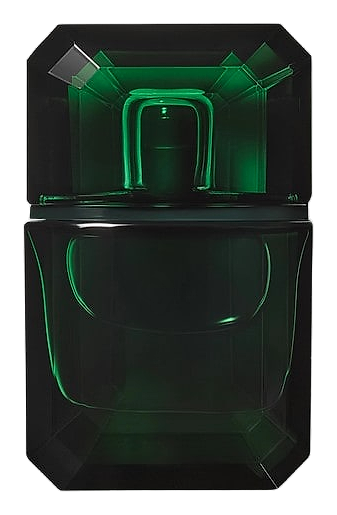
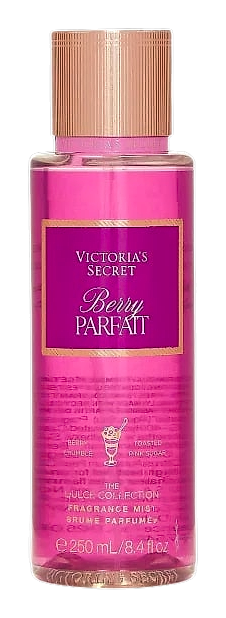
Fragrances featuring Orange Blossom Nectar
Brands
Brands known for Orange Blossom Nectar
Good to know
Questions, answered
The essentials on Orange Blossom Nectar in perfumery: how it smells, where it comes from, and how it behaves on skin.
What does orange blossom nectar smell like?
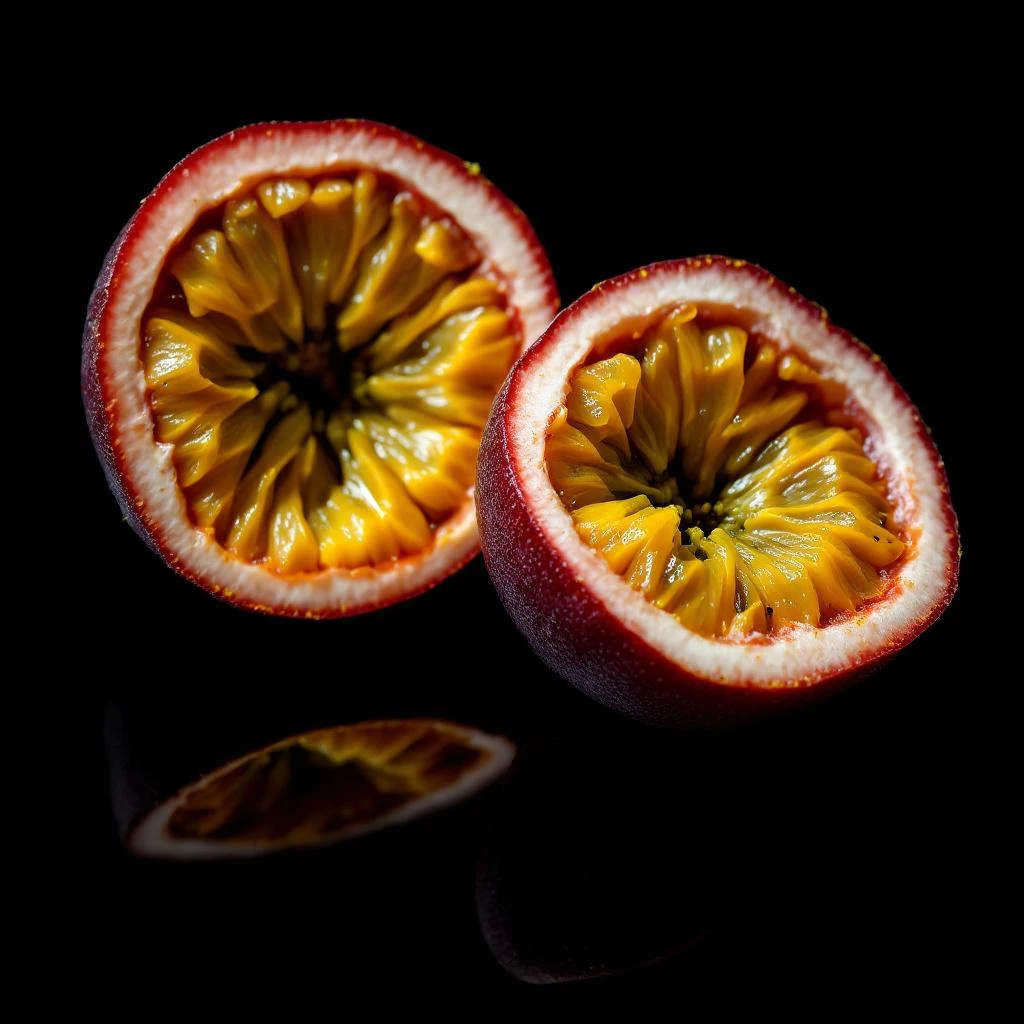
Orange blossom nectar smells like the moment before fruit forms. The scent combines bright citrus peel freshness with deep white floral sweetness, grounded by a subtle bitter undertone reminiscent of the tree's leaves.
What is the difference between orange blossom and neroli?
Orange blossom and neroli come from the same flowers but differ in extraction. Solvent extraction produces orange blossom absolute with a rich, honeyed character. Steam distillation yields neroli oil, which preserves lighter, more volatile citrus-floral notes.
Which countries produce orange blossom for perfumery?
Tunisia dominates global production, cultivating roughly 600 hectares of bitter orange trees. Egypt and Morocco also contribute significant volumes, while France maintains small-scale cultivation primarily for niche perfumery houses.
Why is orange blossom significant in perfumery?
Orange blossom occupies a rare position between citrus and floral fragrance families. Its natural duality allows perfumers to bridge these categories without synthetic substitutes, making it valuable for creating coherent, natural-smelling compositions.
What part of the bitter orange tree is used in perfumery?
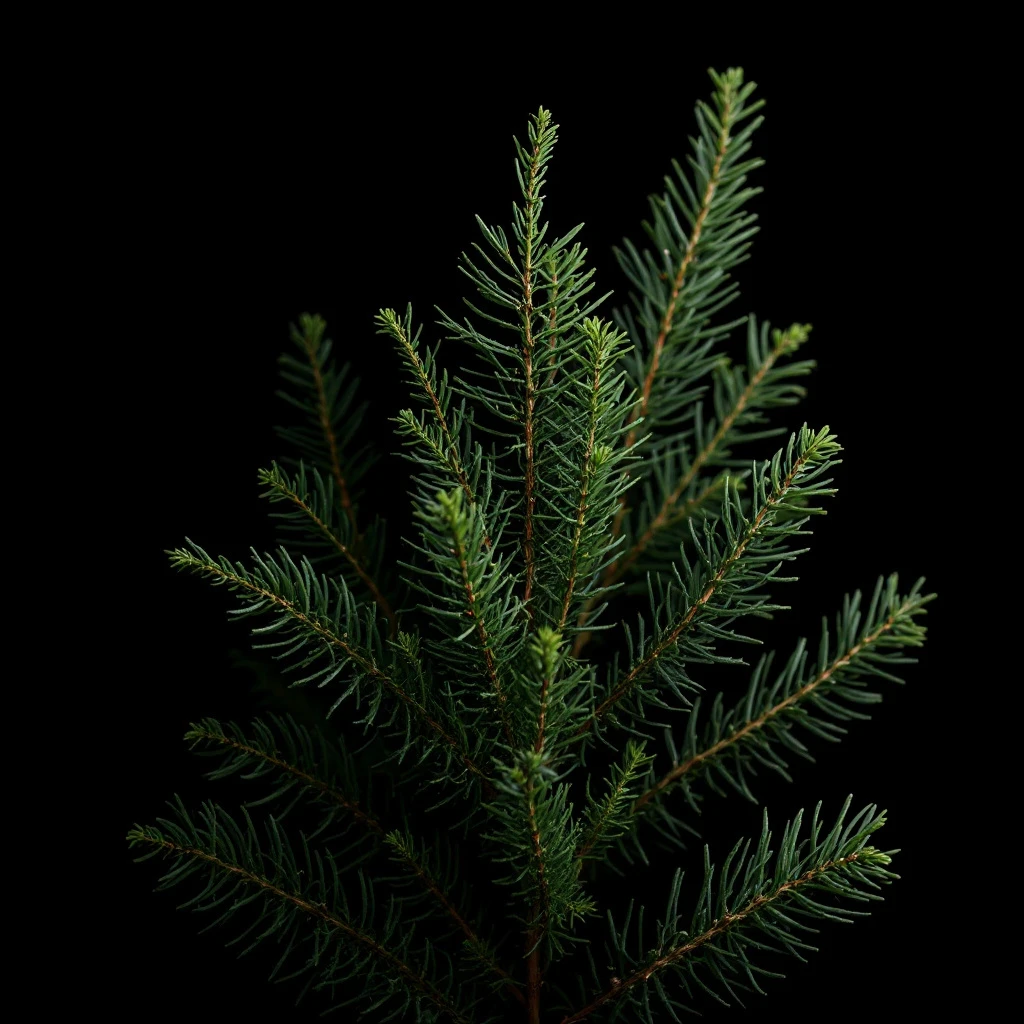
Perfumers use only the flower petals of Citrus aurantium. The tree also yields petitgrain from its leaves and orange bitter from the fruit peel, each producing distinct aromatic materials.
How long before a bitter orange tree produces harvestable flowers?
A bitter orange tree needs approximately 15 years to reach full flowering capacity. Young trees produce fewer blossoms with less concentrated aromatic compounds, which is why mature trees command premium value.
When did orange blossom first appear in European perfumery?
The first recorded European distillation of orange blossom occurred in the 16th century, marking the introduction of neroli essential oil to Western perfumery. Arab perfumers had already been producing orange blossom water for centuries prior.
Is orange blossom used in synthetic or natural perfumery?
Natural orange blossom absolute and neroli oil remain highly prized in fine perfumery. However, chemists have developed several synthetic aroma chemicals that approximate specific facets of orange blossom's scent, used primarily in mass-market fragrances.





