Evergreens
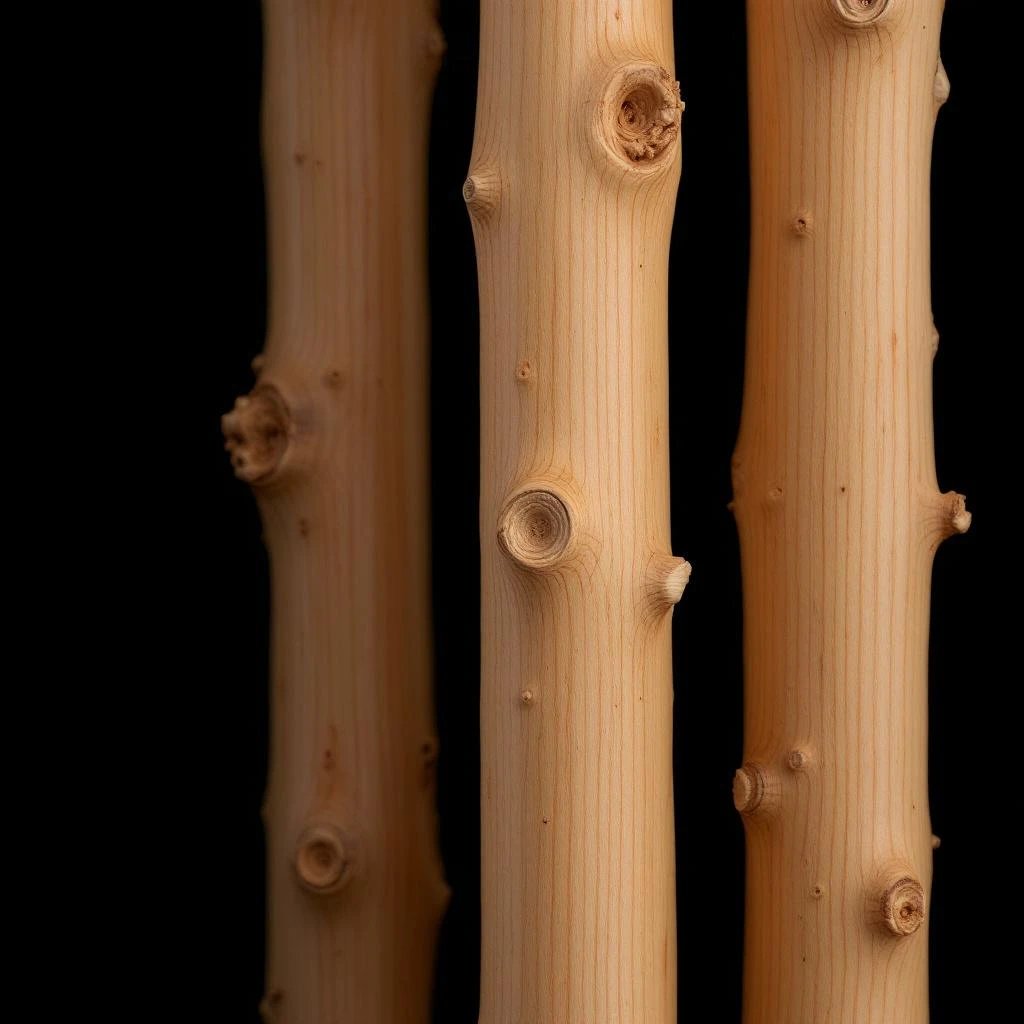
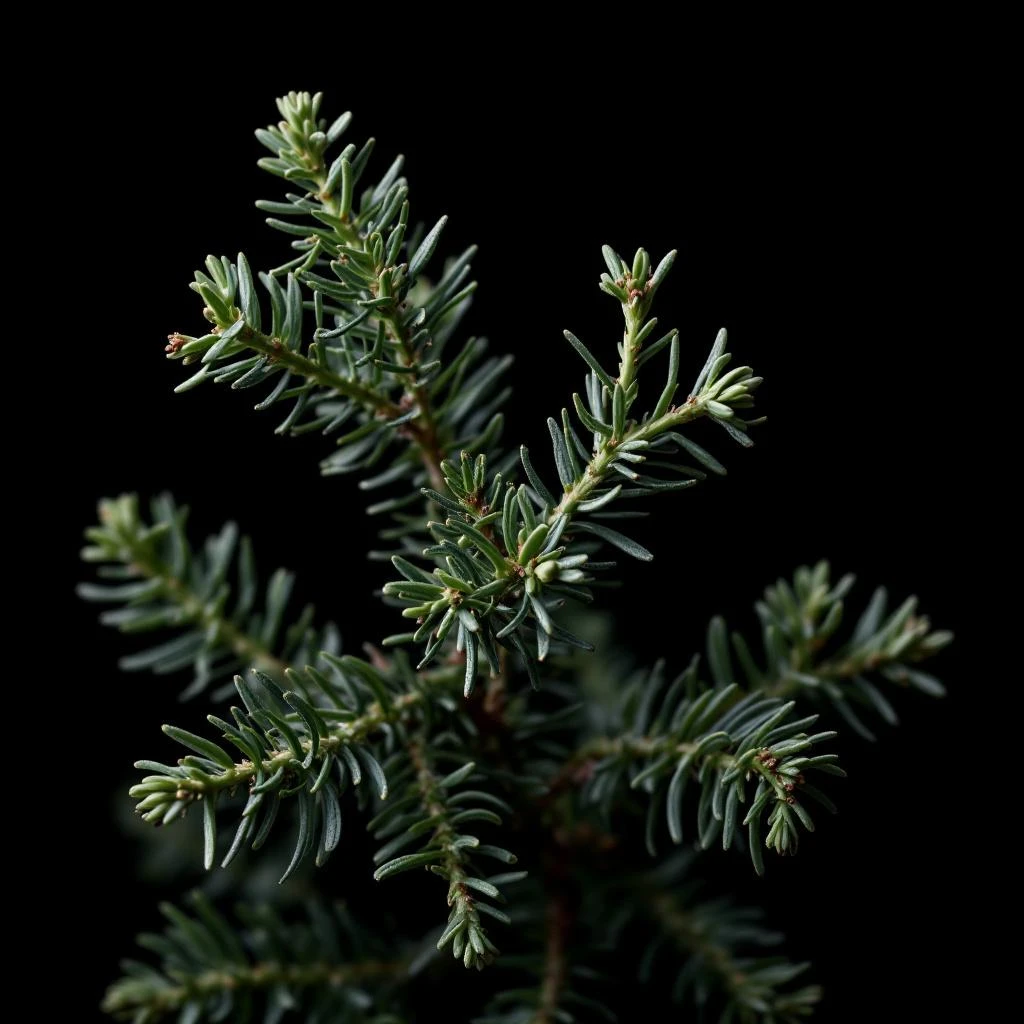
A vast family of coniferous trees that distil clarity into scent. Pine, fir, spruce, cedar and cypress share an ancient chemistry: volatile terpenes that the forest releases to protect and renew itself.
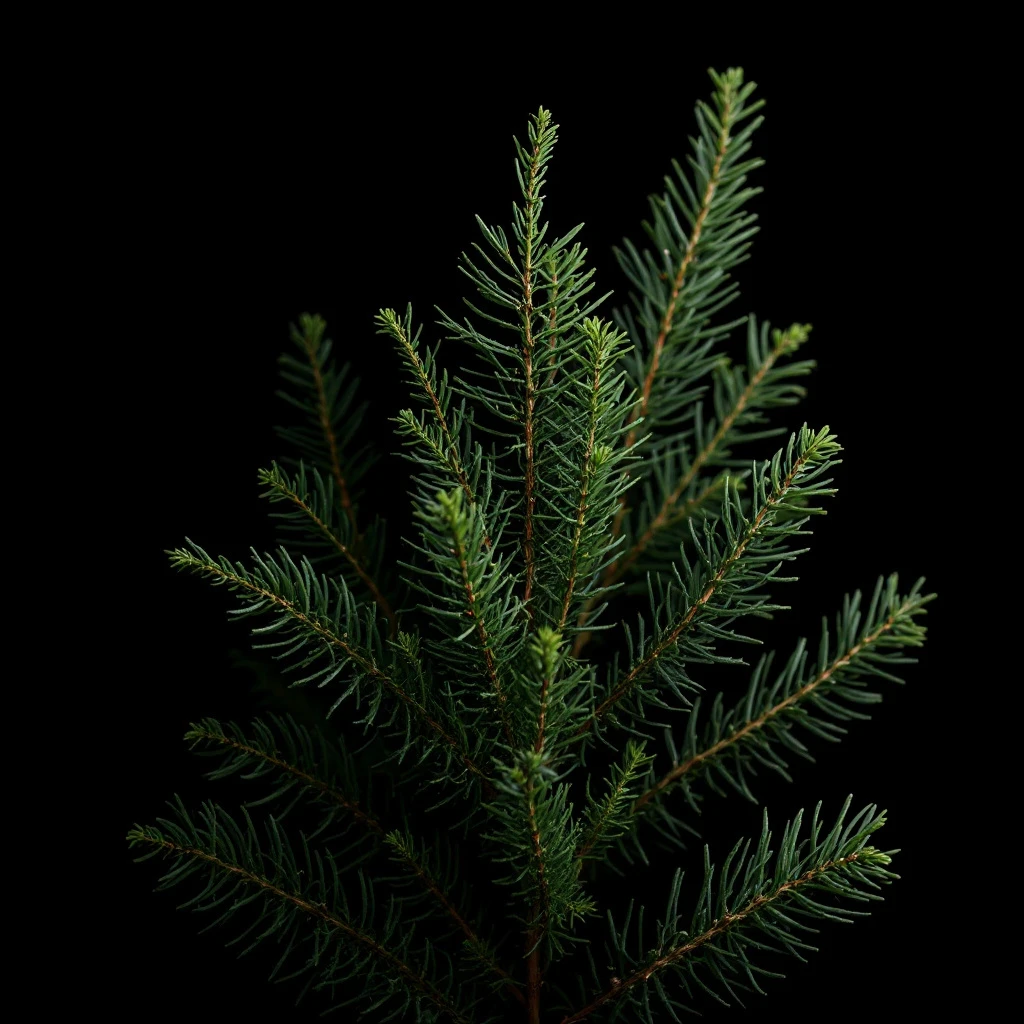
Character
How it smells
Nature's original preservatives, bottled.
Ancient Egyptians used cedar and pine resins in mummification, valuing their remarkable preservative power centuries before perfumery existed.



Origin
Austria
Conifer resins rank among humanity's earliest aromatic materials. The ancient Greeks and Romans burned pine and cypress at temples and funerals, valuing their purifying properties. Greek physicians documented the medicinal use of pine resin, while Egyptian embalmers incorporated cedar oil for its exceptional preservative qualities.
Medieval Europeans collected evergreen resins for incense and healing preparations. By the 19th century, advances in steam distillation made it possible to produce evergreen oils at industrial scale, and Austrian forests became a centre for high-quality fir and pine oil production. The aroma chemistry of conifers was studied extensively, identifying compounds like alpha-pinene as the source of that unmistakable fresh character.
Modern perfumery continues to rely on evergreen materials for their ability to convey freshness, depth and a connection to the natural world.
Wears it best
Fragrances featuring Evergreens


Brands
Brands known for Evergreens
Good to know
Questions, answered
The essentials on Evergreens in perfumery: how it smells, where it comes from, and how it behaves on skin.
What scents make up the evergreen note family?
Pine, fir, spruce, cedar and cypress form the core evergreen palette. Pine delivers sharp, turpentine-like freshness. Fir offers clean, balsamic clarity. Spruce brings woody earthiness. Cedar provides warm, dry woody depth. Cypress adds drier, slightly smoky character with camphor undertones.
How do evergreen notes differ from wood notes?
Wood notes typically describe heartwood, bark or sawdust materials from various trees. Evergreen notes specifically refer to the fresh, green character of conifer needles and branches. Cedarwood sits at the intersection, as it derives from heartwood but carries coniferous warmth that bridges both categories.
What chemical compounds create the evergreen aroma?
Alpha-pinene provides sharp, fresh character. Limonene adds citrus brightness. Bornyl acetate delivers balsamic, pine-like sweetness. Camphor contributes a cool, medicinal edge. Natural oils contain hundreds of trace compounds that create complexity synthetic versions struggle to fully replicate.
Can synthetic aroma chemicals replace natural evergreen oils?
Synthetics like pinene and bornyl acetate can approximate evergreen character but rarely match the full complexity of natural oils. Natural evergreen oil contains hundreds of trace compounds that create nuanced, layered scent profiles. High-end perfumery typically preserves at least some natural evergreen content for authenticity.
How long does evergreen oil last in storage?
Properly stored in dark glass, sealed tight and kept cool, evergreen oils remain viable for one to two years. Exposure to heat, light and air accelerates degradation. Over time, the oil darkens and the fresh, bright top notes fade, leaving darker resinous character.
How do evergreen notes function in a fragrance composition?
Evergreen materials work as heart and base notes, providing freshness, depth and natural character. In men's fragrances, they anchor drydown with structure. In feminine scents, they add unexpected sharpness and contrast to floral elements. Their antimicrobial properties also help preserve fragrance longevity on skin.
Is there a difference between evergreen and sandalwood notes?
Yes, sandalwood comes from tropical Santalum trees, not conifers, yielding creamy, milky, slightly sweet woodiness. Evergreen notes are sharp, resinous, fresh and clean by comparison. Both serve as base notes but occupy opposite ends of the woody spectrum, with evergreen bringing crispness and sandalwood bringing warmth.
What gives conifer needles their distinctive fresh scent?
The fresh, penetrating quality comes from volatile terpene compounds the plant produces and stores in needle resin canals. These function as the tree's immune system, released when the plant faces environmental stress. That protective chemistry translates directly into the characteristic evergreen fragrance humans recognize instantly.