Cattleya Orchid
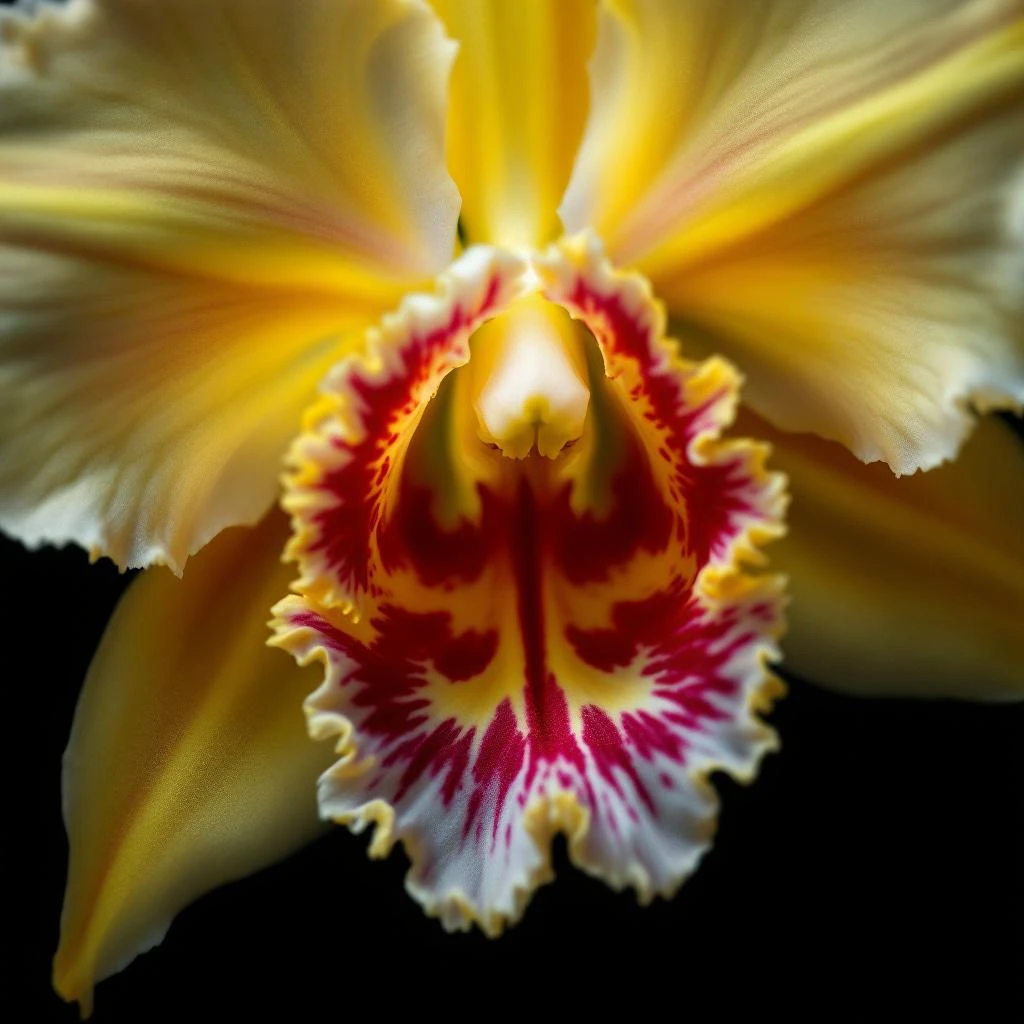
The queen of orchids. Cattleya blooms produce heady, vanilla-tinged scents that have captivated perfumers since their 1824 discovery. Each species offers a distinct olfactory signature.
Character
How it smells
The queen of orchids, crowned in fragrance.
Cattleyas developed their fruity-floral scents over 20 million years ago, long before humans existed to appreciate them.






Origin
Brazil
The Cattleya genus owes its name to William Cattley, an English horticulturist who received an unusual plant shipment from Brazil in 1818. Instead of discarding the packing material, he planted it. The specimen surprised everyone by producing magnificent purple flowers.
John Lindley, Britain's leading botanist, formally named the genus after Cattley in 1824. The horticultural community immediately recognized the orchid's exceptional qualities. Within decades, Cattleya species became prized specimens among European collectors, commanding prices that rivaled fine art.
Victorian-era England saw orchid mania reach fever pitch. Wealthy collectors competed fiercely for rare specimens, and the Cattleya earned its enduring title: Queen of Orchids. The flowers symbolized luxury and refinement across social classes.
The French fragrance industry discovered Cattleya's commercial potential by the early 20th century. Species like Cattleya bowringiana and Cattleya mossiae provided distinctive floral notes for luxury perfumes. Perfumers classified them within the fruity-floral category, recognizing their complex scent profiles that combine sweet, green, and vanilla elements.
Wears it best
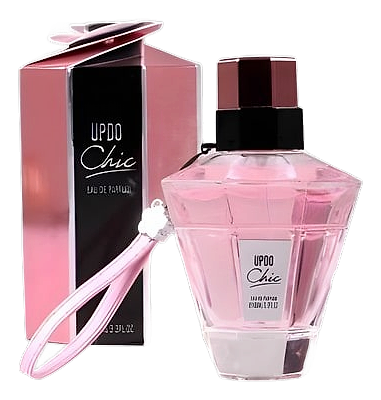
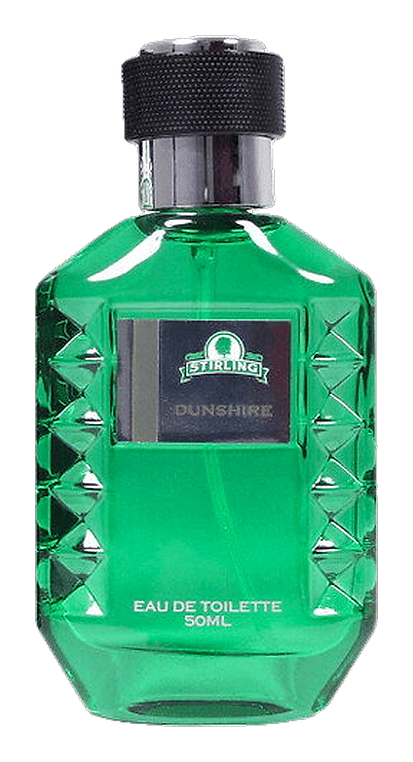
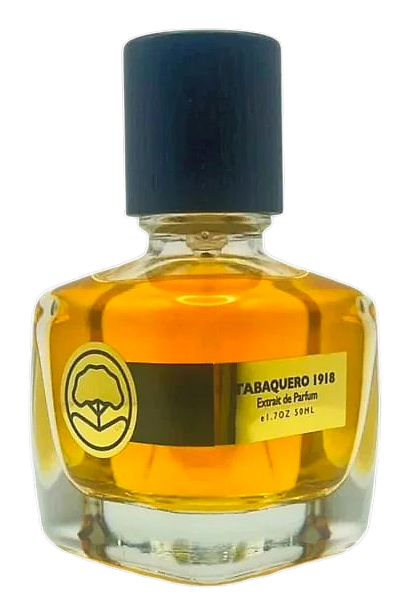
Fragrances featuring Cattleya Orchid

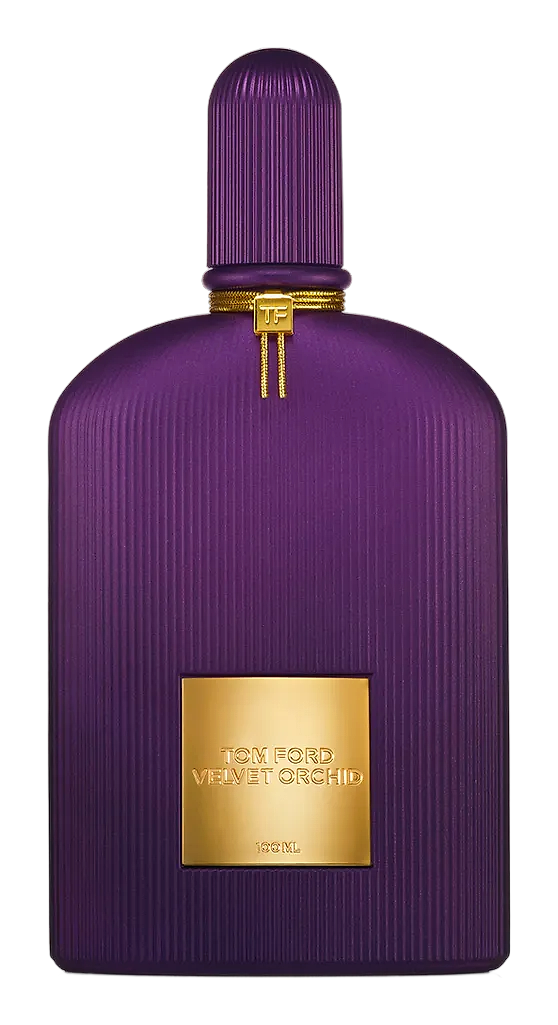
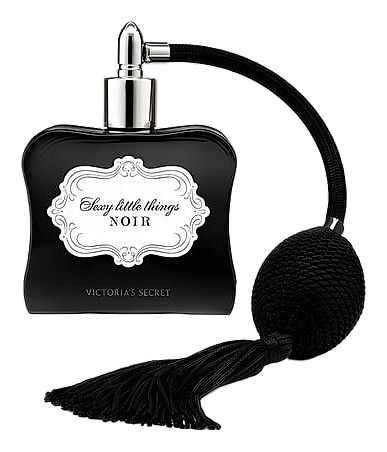

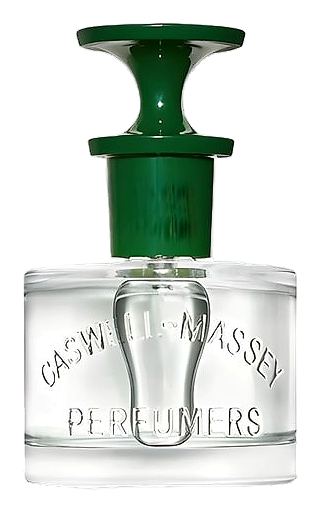
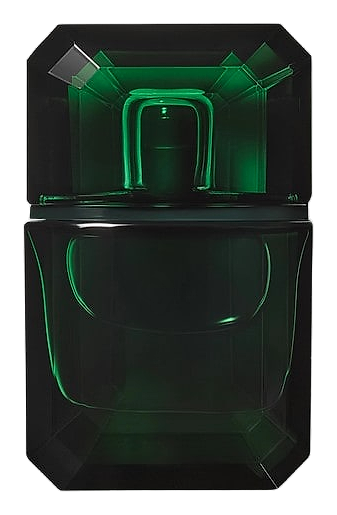



Brands
Brands known for Cattleya Orchid
Good to know
Questions, answered
The essentials on Cattleya Orchid in perfumery: how it smells, where it comes from, and how it behaves on skin.
Does Cattleya orchid produce natural fragrance?
Yes. Unlike many orchids, Cattleya species produce detectable fragrance in the wild. Scents range from heady and vanilla-tinged to light and clean depending on the species.
How is Cattleya orchid fragrance extracted?
Enfleurage and solvent extraction capture Cattleya fragrance, as standard steam distillation damages delicate aromatic compounds. Both methods require significant quantities of fresh petals.
When was the Cattleya orchid genus established?
John Lindley formally named the genus in 1824, honoring horticulturist William Cattley, who first cultivated the type specimen from Brazilian plant material.
What does Cattleya orchid smell like?
Cattleya fragrance typically combines sweet floral notes with vanilla undertones and green undercurrents. Individual species and hybrids express these elements differently.
Is natural Cattleya extract common in perfumery?
No. Natural Cattleya absolute is rare due to extraction challenges and petal volumes required. Most commercial use relies on synthetic recreations of characteristic aromatic compounds.
Where do Cattleya orchids originate?
The genus spans Central and South American rainforests, with primary diversity in Brazil, Venezuela, and surrounding regions. Species inhabit forest canopies and rocky cliffs.
Why is Cattleya called the 'queen of orchids'?
Victorian-era collectors dubbed it queen of orchids due to its large, showy blooms and potent fragrance. A single specimen commanded prices equivalent to modern luxury goods.
Do all Cattleya species smell the same?
No. Fragrance varies considerably. Some species emit oily, musty-sweet scents while others produce lighter, cleaner notes. This diversity reflects evolutionary adaptation to different pollinators.



