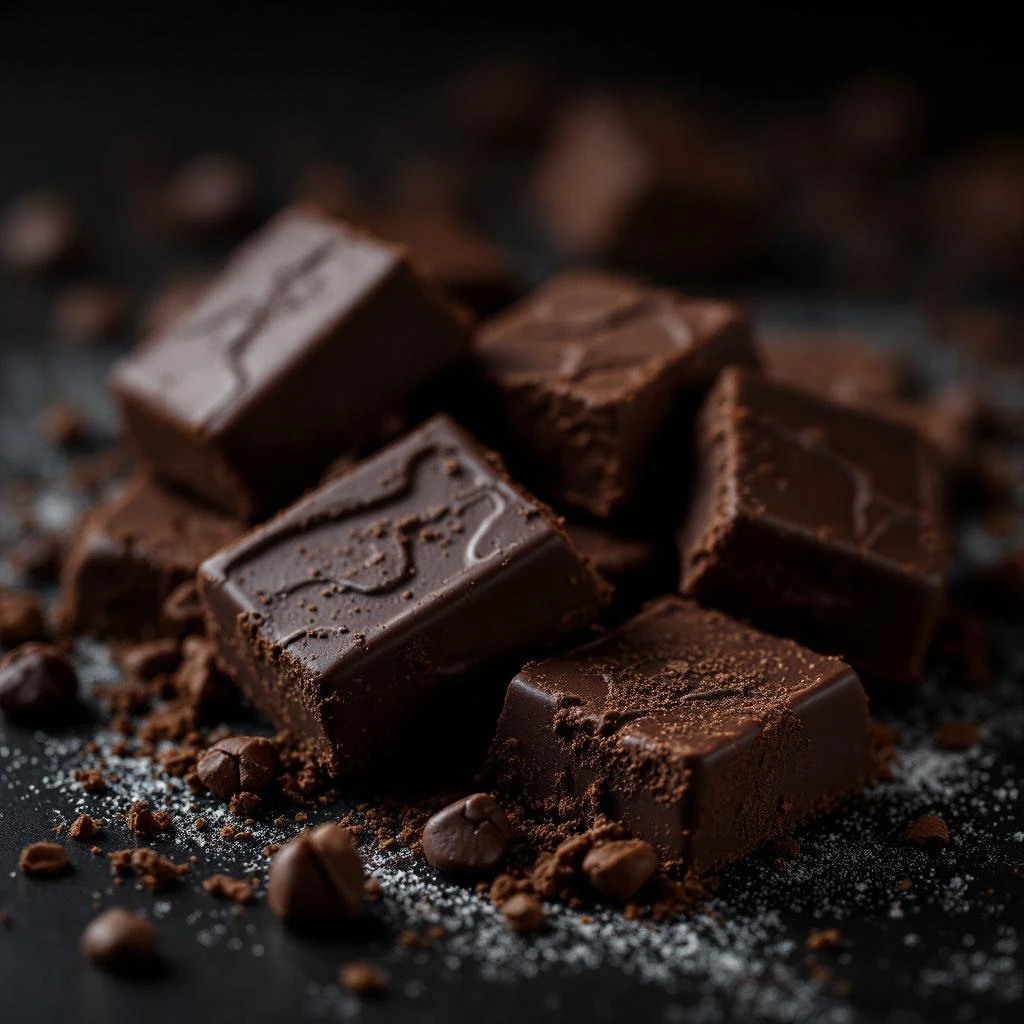
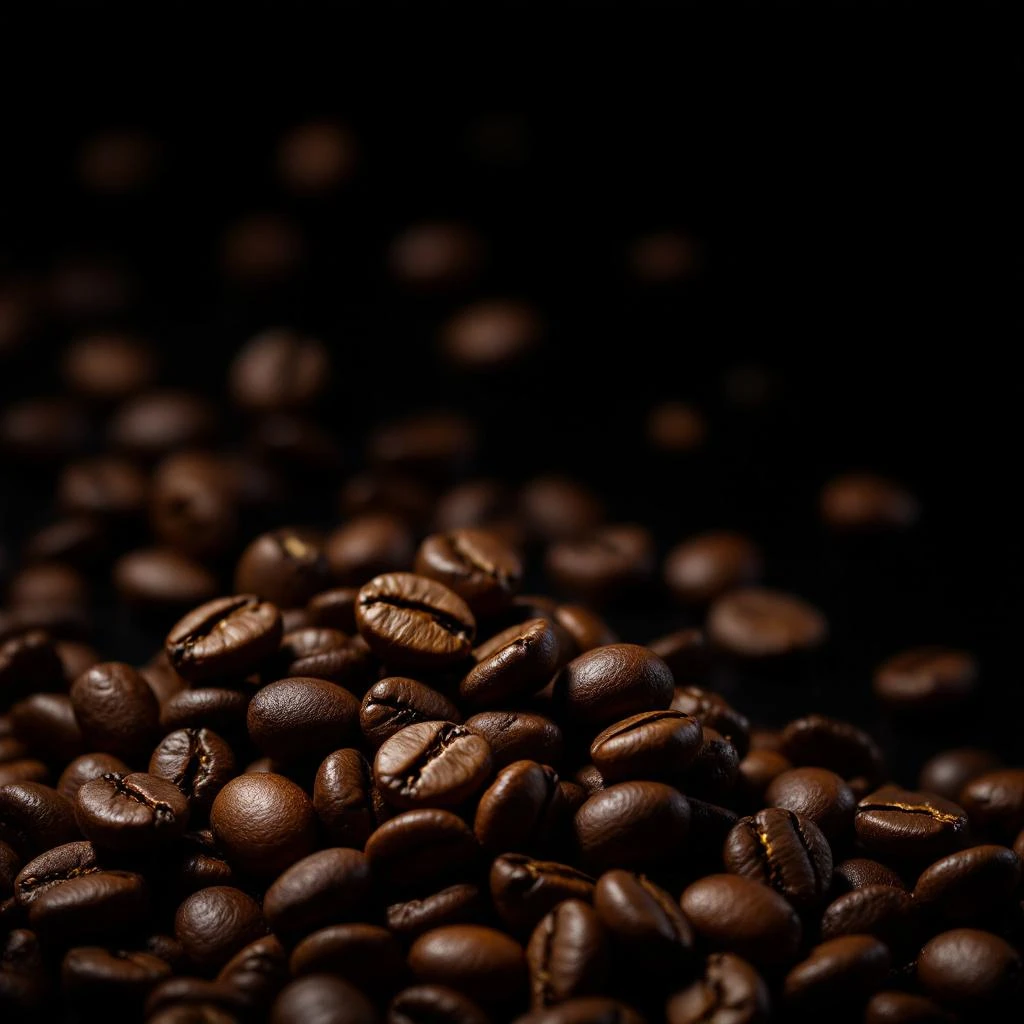
Caramelized Pineapple
Caramelized pineapple brings the warm, golden sweetness of roasted tropical fruit to perfumery, blending sugary depth with bright acidic lift.
Character
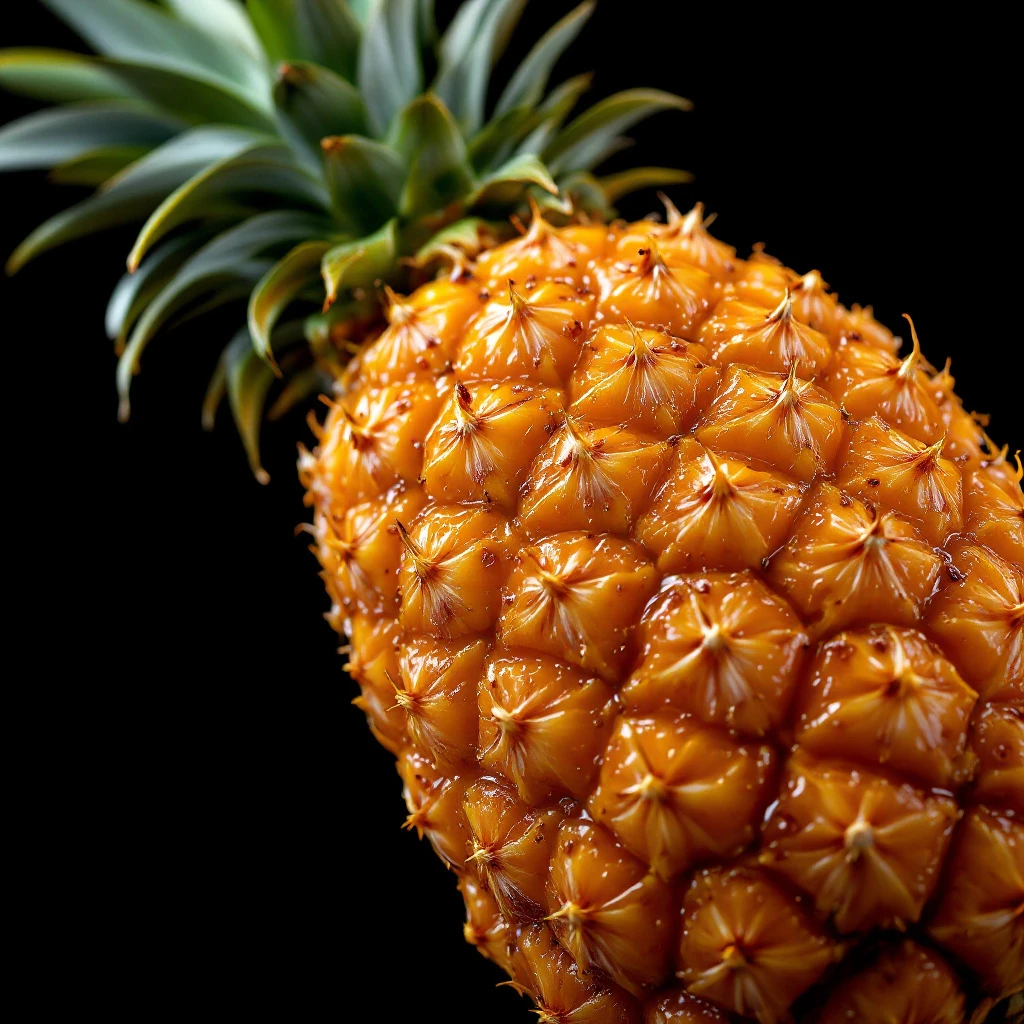
How it smells
Tropical fruit meets golden sugar
Pineapple cannot be extracted by traditional methods because its aromatic compounds are destroyed by heat, so perfumers reconstruct the scent entirely from synthetic aroma chemicals.





Origin
Brazil
Pineapple, native to South America and cultivated across tropical regions for centuries, entered European awareness after Columbus's 1493 voyage to Guadeloupe. Its presence in perfumery, however, had to wait for organic chemistry to mature. The fruit's scent defied classical extraction methods, which frustrated early perfumers.
The breakthrough came in the mid-twentieth century when chemists identified the specific esters responsible for pineapple's aroma, including Allyl phenoxyacetate and various ethyl esters. Synthetic aroma chemicals transformed what was once an impossible ingredient into a perfumery staple, particularly in mid-century fruity florals. The caramelized interpretation is a more recent creative development, borrowing Maillard chemistry from food science to introduce warm gourmand undertones.
Today, pineapple and its caramelized variants appear in compositions ranging from playful summer scents to complex tropical orientals, a testament to how synthetic chemistry expanded the perfumer's palette beyond what nature could directly provide.
Wears it best
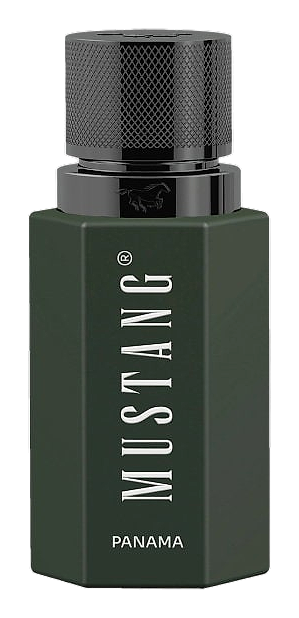
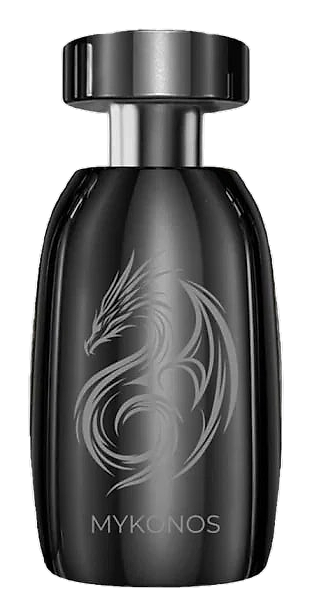
Fragrances featuring Caramelized Pineapple
Good to know
Questions, answered
The essentials on Caramelized Pineapple in perfumery: how it smells, where it comes from, and how it behaves on skin.
What does caramelized pineapple smell like in perfume?
Caramelized pineapple combines sharp tropical fruit brightness with warm, sugary depth. The caramelization adds butterscotch and brown sugar facets from Maillard-reaction compounds like maltol, layered over pineapple's signature fruity esters.
Is caramelized pineapple a natural or synthetic fragrance ingredient?
It is synthetic. Pineapple's aromatic compounds cannot survive traditional extraction, so perfumers reconstruct the scent from individual aroma chemicals. The caramelized variation adds molecules like furaneol and cyclotene to simulate browned sugar.
What fragrance families feature caramelized pineapple?
Caramelized pineapple appears most often in gourmand and fruity-floral compositions. Its warm sweetness pairs well with vanilla, coconut, and tropical florals, and it adds playful lift to amber and oriental bases.
Where does pineapple originally come from?
Pineapple is native to South America, particularly Brazil and Paraguay, where Indigenous peoples cultivated it for centuries. It spread globally after Columbus's 1493 voyage to Guadeloupe brought it to European attention.
How long does caramelized pineapple typically last in a fragrance?
Caramelized pineapple usually functions as a top-to-heart note lasting one to three hours on skin. The fruity esters evaporate relatively quickly, though the caramelized base compounds extend its presence into the mid-phase.
What ingredients pair well with caramelized pineapple?
Caramelized pineapple pairs naturally with coconut milk, vanilla, rum, and tonka bean for gourmand warmth. For contrast, perfumers combine it with green notes like galbanum or sharp citrus such as bergamot.
Why can't pineapple be extracted like other fruit ingredients?
Pineapple's key aroma compounds, primarily volatile esters, are destroyed by the heat required for steam distillation and are too water-soluble for effective cold pressing. Synthetic reconstruction remains the only viable method.
Is caramelized pineapple common in modern perfumery?
Caramelized pineapple remains a specialty note rather than a mainstream ingredient. It appears in select niche and gourmand compositions where perfumers want tropical fruit character with added warmth and complexity.