Candied Peach
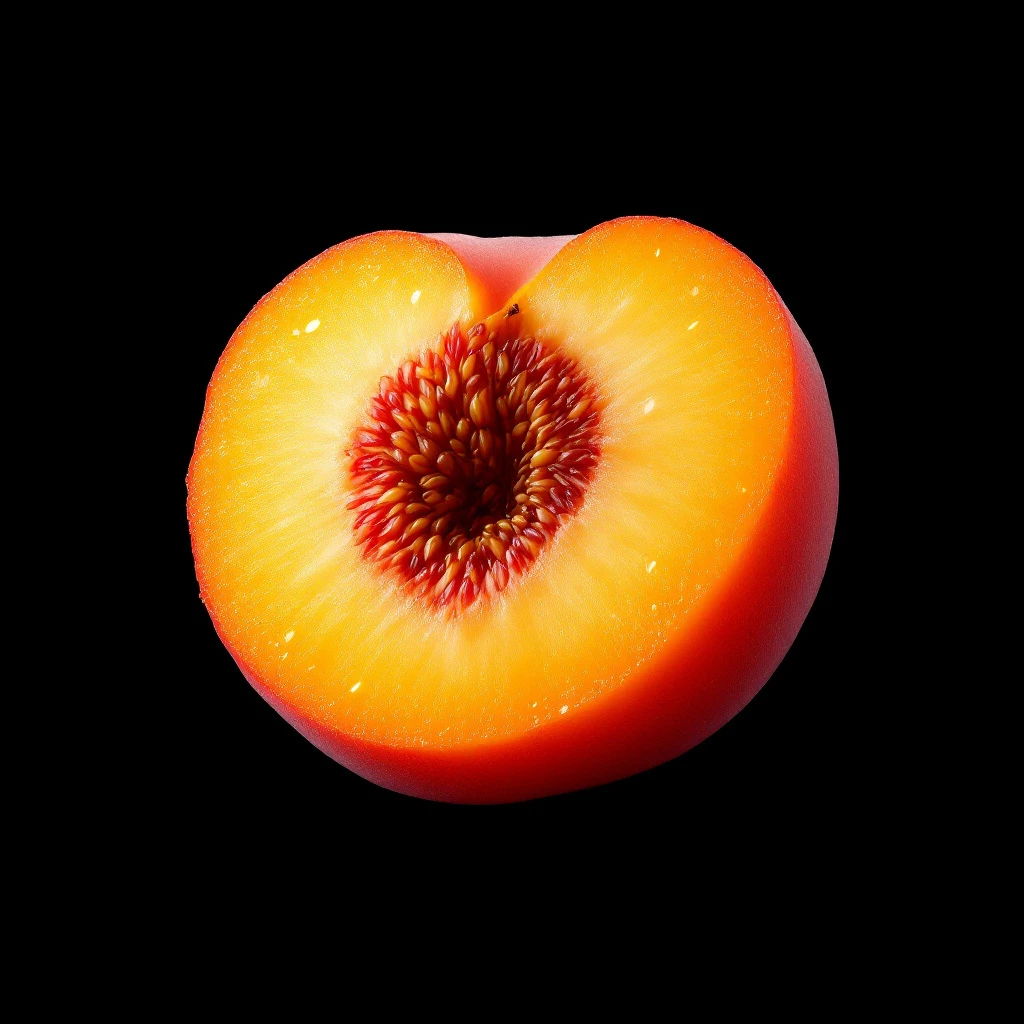
Candied peach captures the syrupy sweetness of ripe fruit preserved in sugar, a note that bridges confection and orchard. It carries warmth, softness, and a gourmand richness.
Character
How it smells
Orchard sweetness dipped in sugar.
Peach kernels contain benzaldehyde, the same compound that gives almonds their scent, and perfumers exploit this overlap to build candied peach accords.




Origin
China
Peach cultivation traces back over 4,000 years to China, where the fruit carried symbolic weight as a symbol of immortality and spring renewal. Peach kernels and flesh appear in Chinese and Persian scented ointments dating to antiquity, valued for their sweet aroma and associations with longevity.
By the 16th century, peaches had spread through European gardens via trade routes, and the French court developed a taste for candied fruits as luxury confections. Grasse, already establishing itself as a perfume capital, began experimenting with fruit-based scents as distillation techniques improved.
In modern perfumery, the candied peach note surged in popularity during the gourmand fragrance wave of the 1990s and 2000s, when compositions began openly celebrating edible, sugary themes. Today it remains a staple in fruity-floral and oriental-gourmand compositions.
Wears it best
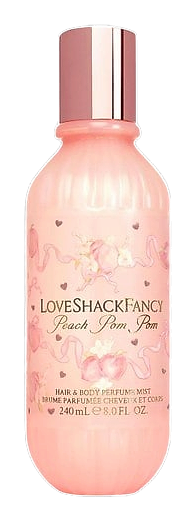
Fragrances featuring Candied Peach

Brands
Brands known for Candied Peach
Good to know
Questions, answered
The essentials on Candied Peach in perfumery: how it smells, where it comes from, and how it behaves on skin.
What does candied peach smell like in perfume?
Candied peach smells like ripe peach fruit preserved in syrup, with notes of caramelized sugar, soft lactonic creaminess, and warm stone-fruit sweetness. It reads as gourmand and comforting rather than fresh or sharp.
Is candied peach a natural or synthetic fragrance ingredient?
Almost always synthetic. Natural peach essence is unstable and short-lived, so perfumers rely on gamma-undecalactone and related aldehydes to construct the note. Some high-end houses use vacuum-distilled peach juice for added realism.
What fragrance families use candied peach?
Candied peach appears most often in gourmand, fruity-floral, and oriental compositions. It pairs especially well with vanilla, caramel, white florals, and woody bases, adding sweetness without the sharpness of fresh fruit.
When did candied peach become popular in perfumery?
The candied peach note rose to prominence during the gourmand fragrance boom of the 1990s, when perfumers began building compositions around edible themes rather than treating fruit as a minor accent.
Why can't perfumers extract real candied peach easily?
Peach aroma compounds oxidize rapidly after harvest, and traditional steam distillation destroys most of the delicate volatile esters. This instability is why synthetic reconstruction remains the industry standard.
What is the main aroma chemical behind candied peach?
Gamma-undecalactone, often called peach aldehyde, is the primary lactone responsible for creamy, peachy character. It is blended with ethyl maltol and esters to create the sugary candied effect.
Is candied peach the same as fresh peach in perfume?
No. Fresh peach tends to be lighter, juicier, and more green-edged, while candied peach is heavier, sweeter, and carries caramelized sugar depth. They occupy different positions within fruity compositions.
Where does the peach fruit originally come from?
Peaches originated in China over 4,000 years ago and spread westward along the Silk Road. The fruit reached Europe by the 16th century, eventually becoming a staple in Mediterranean orchards.




