Candied Angelica
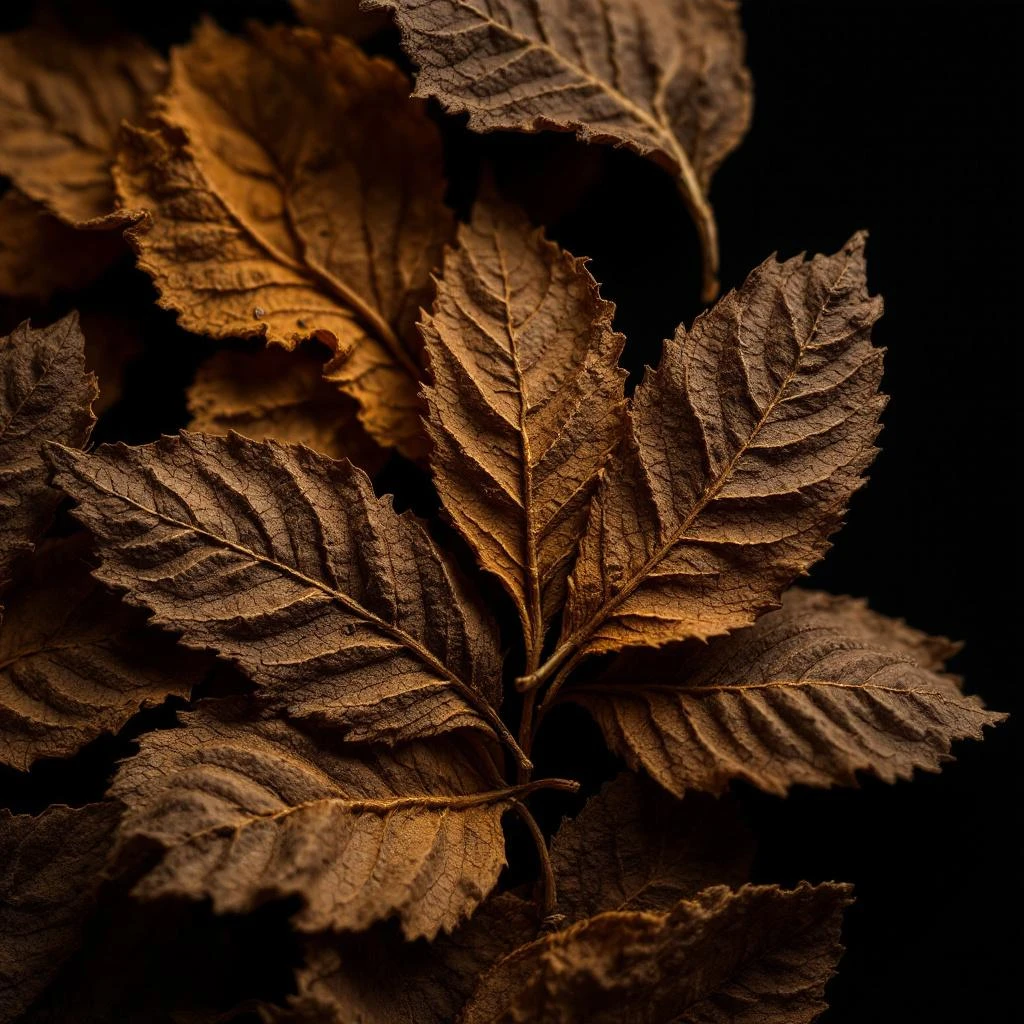
Candied Angelica brings a sweet, glazed warmth to green root accords, turning the herbaceous sharpness of Angelica archangelica into something almost confectionery-like.
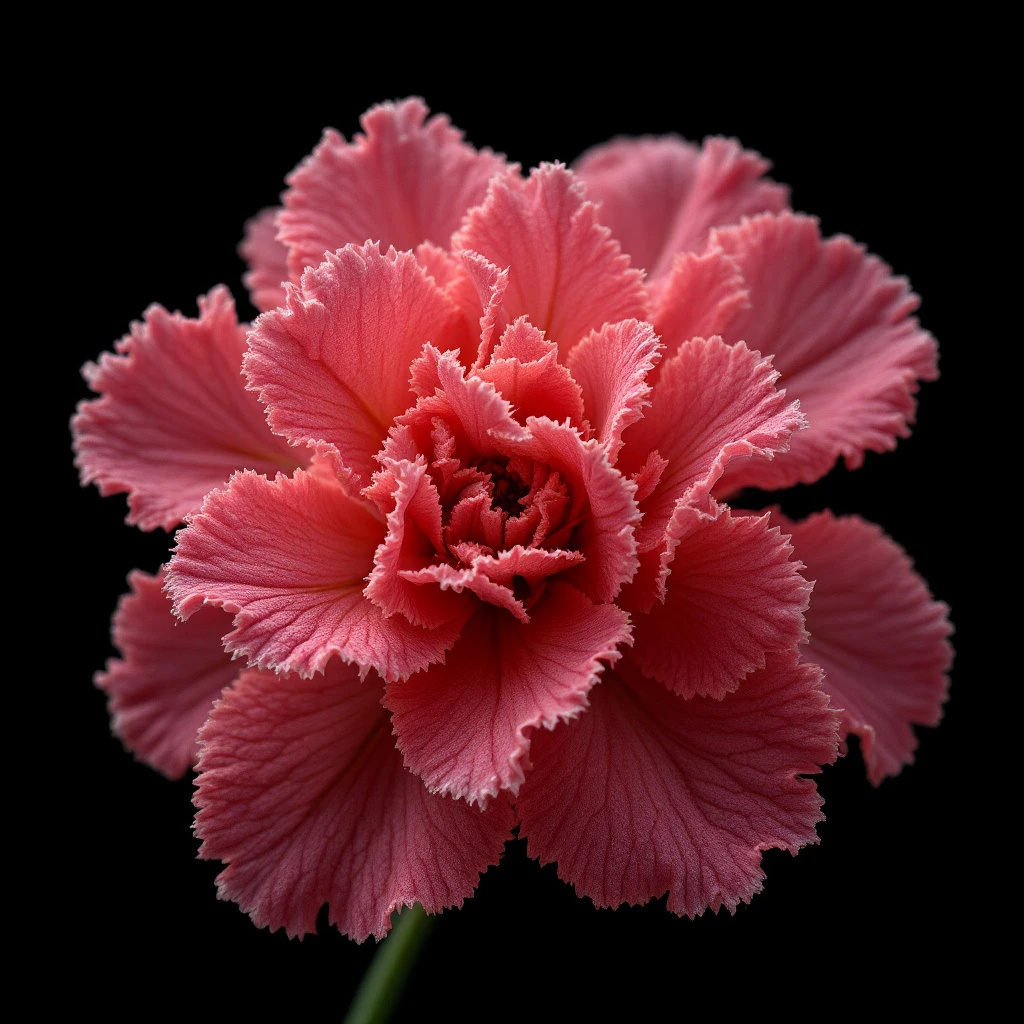
Character
How it smells
Green roots wrapped in sugar.
The candied version of angelica has been a beloved confection in Europe since the Renaissance, originally created as a digestive aid in monastic kitchens.

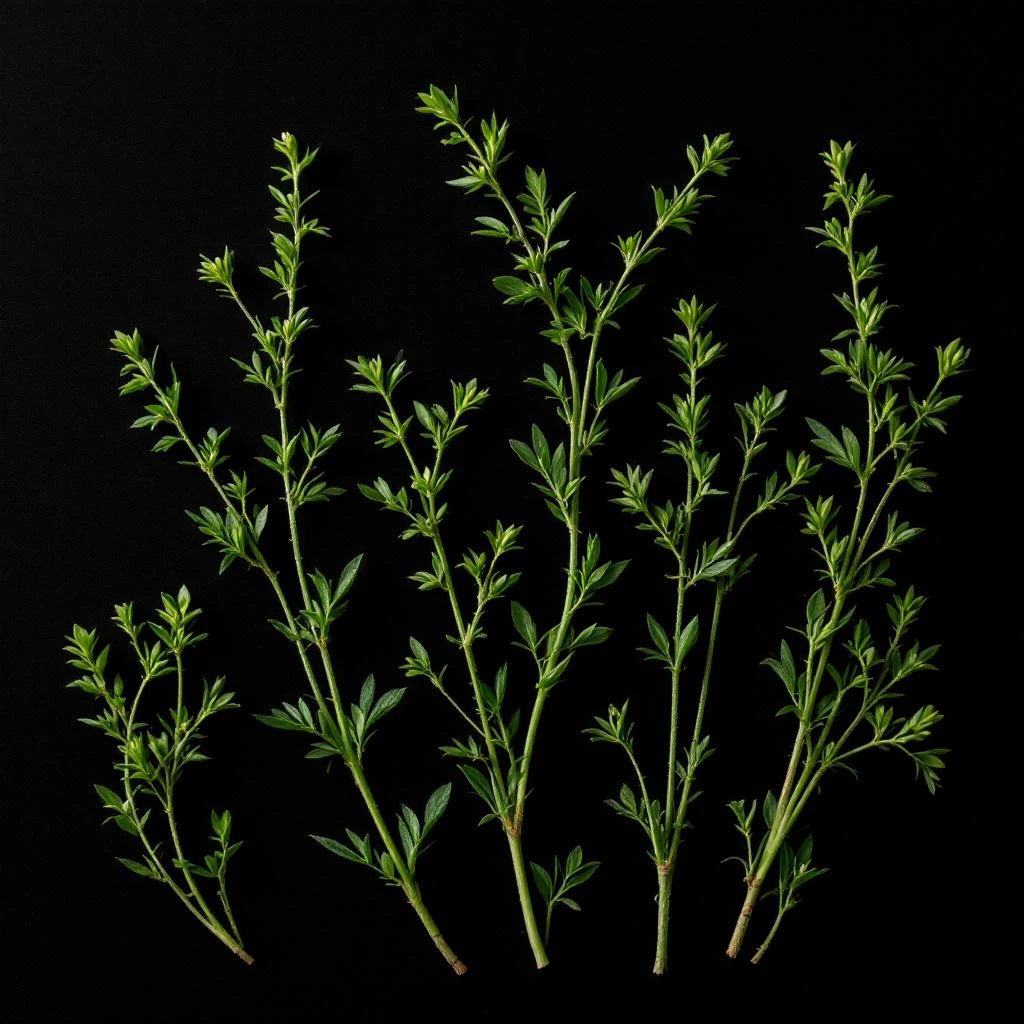



Origin
France
Angelica archangelica carries a legend rooted in plague-stricken medieval Europe. According to lore from the Marais Poitevin region of western France, the archangel Raphael revealed the plant as a remedy during an outbreak around 1374, lending it its celestial name.
Monastic gardeners cultivated it widely, and candied angelica stalks became a prized sweet by the 15th century, appearing in royal confectionery across England, France, and Scandinavia. In perfumery, angelica root entered formal use during the 19th century as distillers recognized its unusual musk-like character, a rare quality among green plant materials.
It was valued as both a fixative and a top-note enhancer, bridging sharp herbaceous openings with deeper resinous bases. Modern perfumers have grown fascinated by the candied expression of angelica, which softens the root's austere greenness with a rounded, almost edible sweetness, connecting contemporary fragrance back to the plant's centuries-old role as both medicine and treat.
Wears it best
Fragrances featuring Candied Angelica
Brands
Brands known for Candied Angelica
Good to know
Questions, answered
The essentials on Candied Angelica in perfumery: how it smells, where it comes from, and how it behaves on skin.
What does candied angelica smell like in perfume?
It smells like glazed sugar layered over green, musky roots, with hints of candied citrus peel, soft honey, and warm damp earth. The confection process softens angelica's usual sharpness, producing a sweeter, rounder aromatic profile.
Is candied angelica a natural ingredient?
Yes, candied angelica is produced from real Angelica archangelica plant material that has been preserved in sugar syrup. In perfumery, it is recreated through co-distillation of candied stems with dried roots.
How is candied angelica different from regular angelica root?
Regular angelica root offers a sharp, green, musky aroma with peppery and bitter facets. Candied angelica is significantly sweeter and softer, with vanillic, honeyed, and almost edible qualities from the sugar preservation process.
Where does angelica archangelica grow?
Angelica archangelica is native to northern Europe and thrives in damp soils across Scandinavia, Iceland, and the Marais Poitevin marshlands of western France. The French region remains a primary production hub for perfumery-grade material.
Why is angelica called angelica?
The name derives from medieval European legend in which the archangel Raphael revealed the plant as a plague remedy around 1374. The botanical name Angelica archangelica preserves this celestial origin story.
Is candied angelica safe for skin in perfume?
Yes, candied angelica extracts are used at low concentrations in fine fragrance and are considered safe for topical application. The sugar derivatives present in the candied form do not cause irritation when properly diluted.
Does candied angelica act as a fixative?
Angelica root is known for mild fixative properties, helping anchor volatile top notes. The candied version retains some of this anchoring effect while contributing a distinctive sweet-gourmand quality to the drydown.





