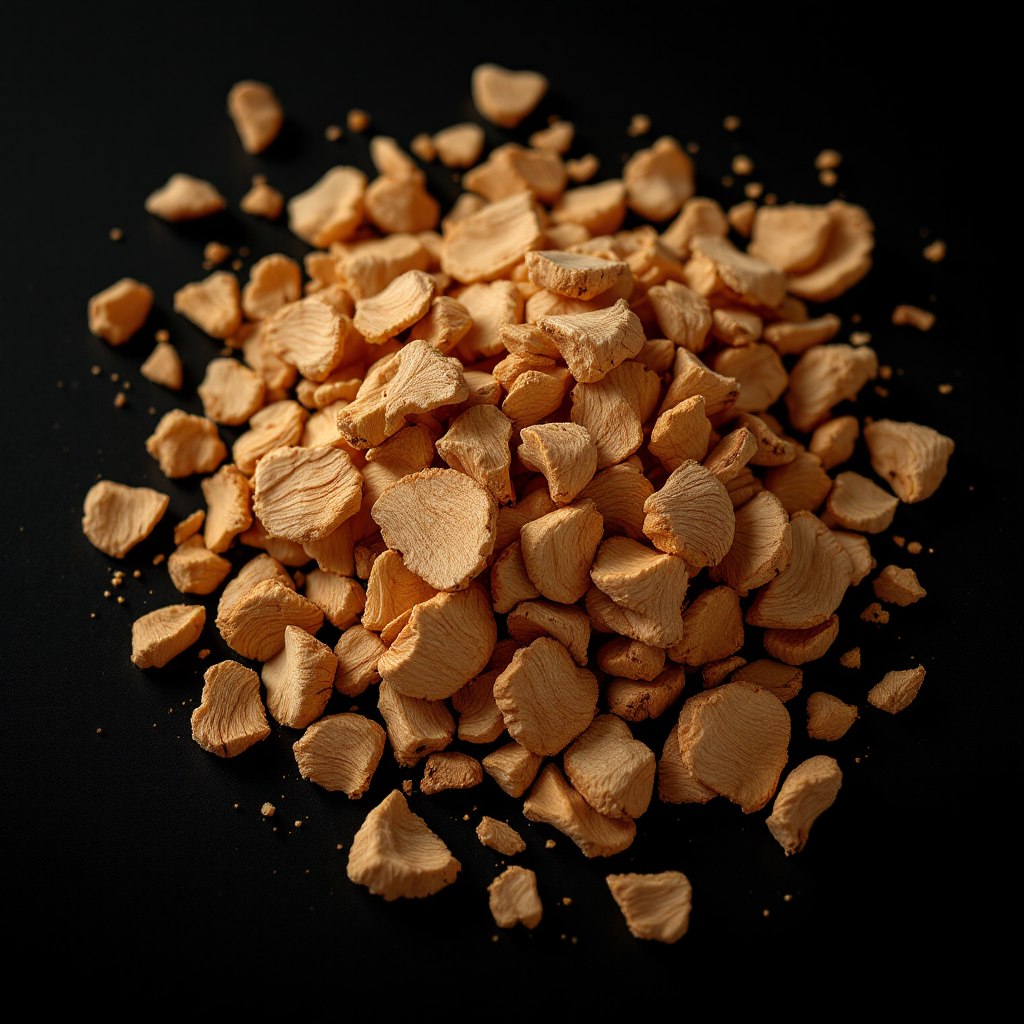
Canadian Cedar
Canadian Cedar brings bold, pencil-shavings warmth to fragrances. This native conifer delivers dry, resinous woodiness that anchors men's colognes and woody chypres with quiet authority.
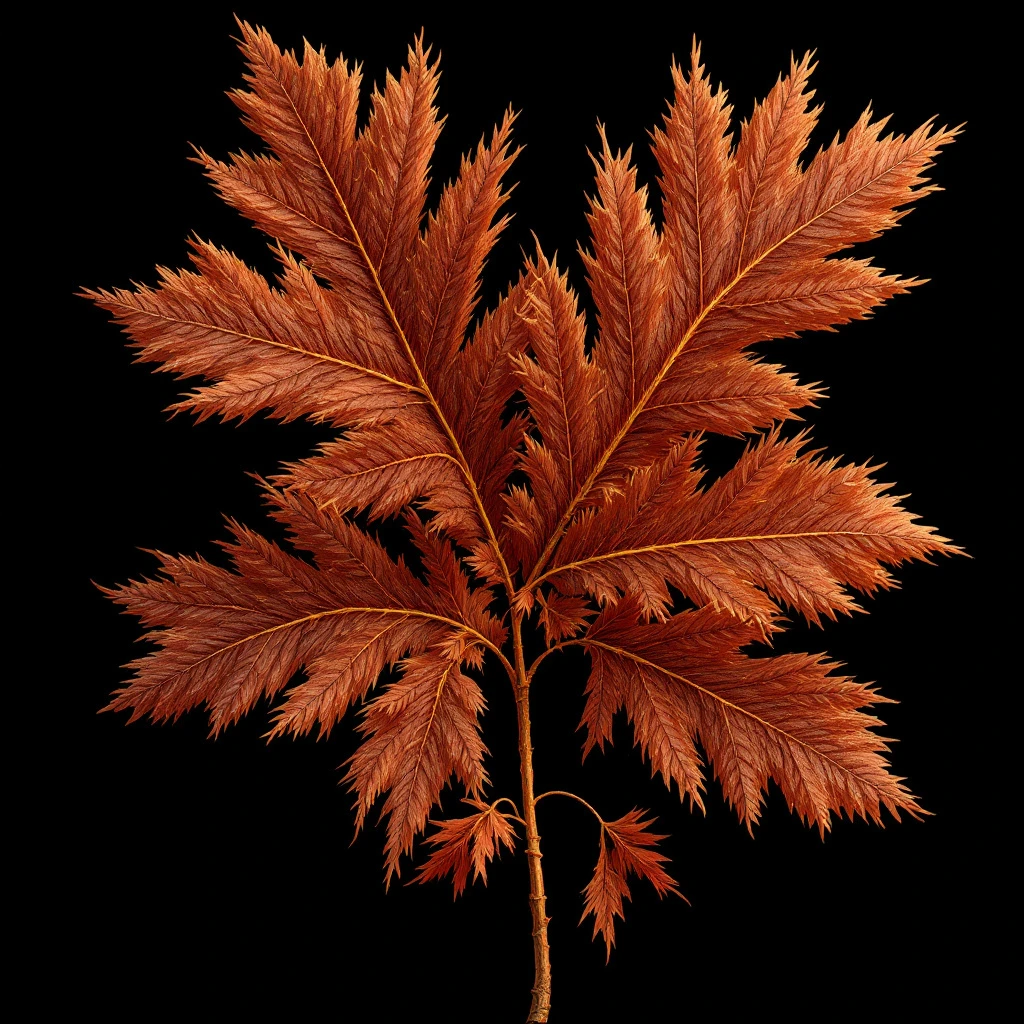
Character
How it smells
Pencil-shavings warmth from the northern forest
Ancient Egyptians used cedar in their embalming practices, believing its divine scent would help guide the deceased to the afterlife.







Origin
Canada
Cedar has anchored perfumery for millennia, but Canadian Cedar carries a distinctly North American story. Indigenous peoples of the boreal forest used cedar ceremonially and medicinally for centuries before European settlers arrived in the 1600s.
The settlers quickly adopted the wood for its durability and aromatic properties, eventually developing distillation techniques that fed into early commercial perfumery. By the late 19th century, as modern perfumery took shape with synthetic compounds, natural cedar oil remained essential for its grounding effect in men's fragrances and woody compositions.
The note fell in and out of fashion through the 20th century but experienced a revival in the 2000s as consumers gravitated toward natural, recognizable ingredients. Today, Canadian Cedar represents sustainable perfumery sourcing, with harvesters working within certified forestry frameworks to protect the boreal ecosystem while continuing a tradition that stretches back thousands of years.
Wears it best
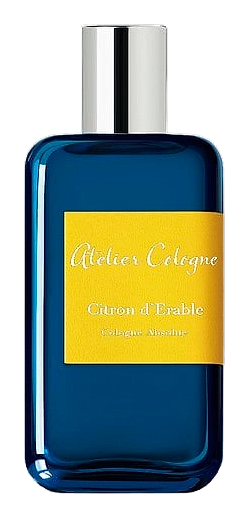
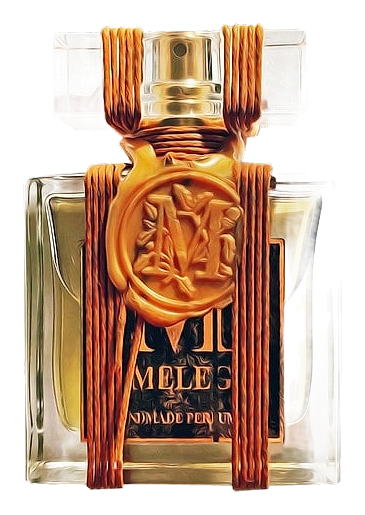
Fragrances featuring Canadian Cedar

Brands
Brands known for Canadian Cedar
Good to know
Questions, answered
The essentials on Canadian Cedar in perfumery: how it smells, where it comes from, and how it behaves on skin.
What does Canadian Cedar smell like?
Canadian Cedar has a warm, dry woody scent often described as pencil shavings. It carries resinous, slightly camphorated undertones with a clean, drydown that provides long-lasting aromatic weight to fragrances.
How is Canadian Cedar oil extracted?
Steam distillation extracts the oil from wood chips, sawdust, and roots. Live steam passes through the material, releasing aromatic compounds that condense into oil. The process typically runs several hours at temperatures between 100 and 120 degrees Celsius.
What fragrances use Canadian Cedar as a key ingredient?
It appears primarily in men's fragrances, woody chypres, and fougère compositions. The note works as a base ingredient that provides dry woodiness and helps other aromatics linger on the skin throughout the day.
Is Canadian Cedar sustainably sourced?
Most producers source cedar material from sawmill byproducts and certified forestry operations. Using carpentry scraps and wood waste reduces pressure on standing trees, making it a relatively sustainable option in modern perfumery.
How does Canadian Cedar differ from Atlas Cedar?
Atlas Cedar hails from the Middle East and North Africa, while Canadian Cedar comes from North American Juniperus virginiana. The Atlas variety tends toward higher altitude, more ethereal aromatics, whereas Canadian Cedar delivers bolder, drier pencil-shavings warmth.
What fragrance families pair well with Canadian Cedar?
It pairs naturally with other woody notes like sandalwood and vetiver, but also complements aromatic herbs, lavender, and citrus. The note adds structure and longevity to men's colognes and outdoor-inspired compositions.
How should Canadian Cedar oil be stored?
Store the oil in a cool, dark place in tightly sealed amber or cobalt glass bottles. Cedar oil is relatively stable but can oxidize over time if exposed to heat, light, or air. Proper storage maintains its aromatic integrity for years.
What is the historical significance of cedar in perfumery?
Ancient Egyptians used cedar in embalming rituals, believing its scent guided souls to the afterlife. The note has remained in continuous use for thousands of years, evolving from sacred applications to a staple of modern perfumery.