Alpha Ionone
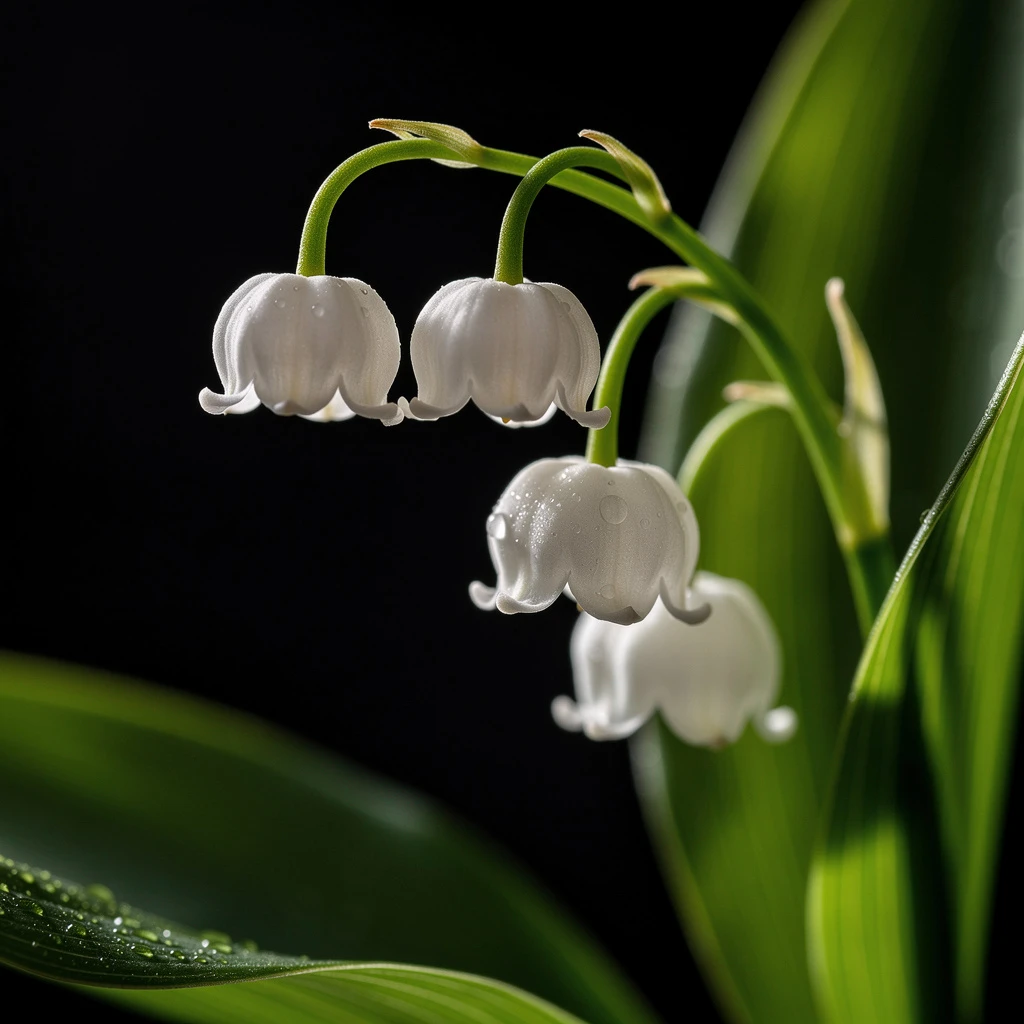
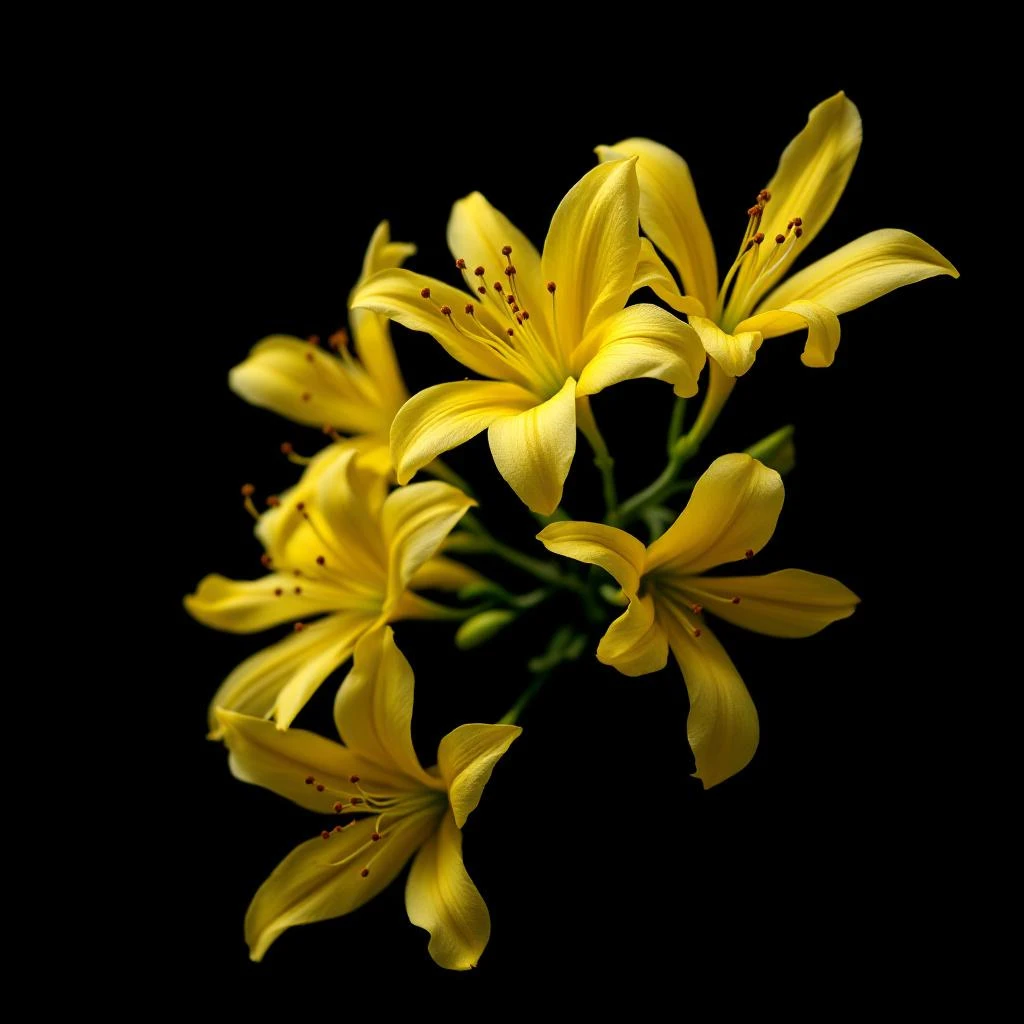
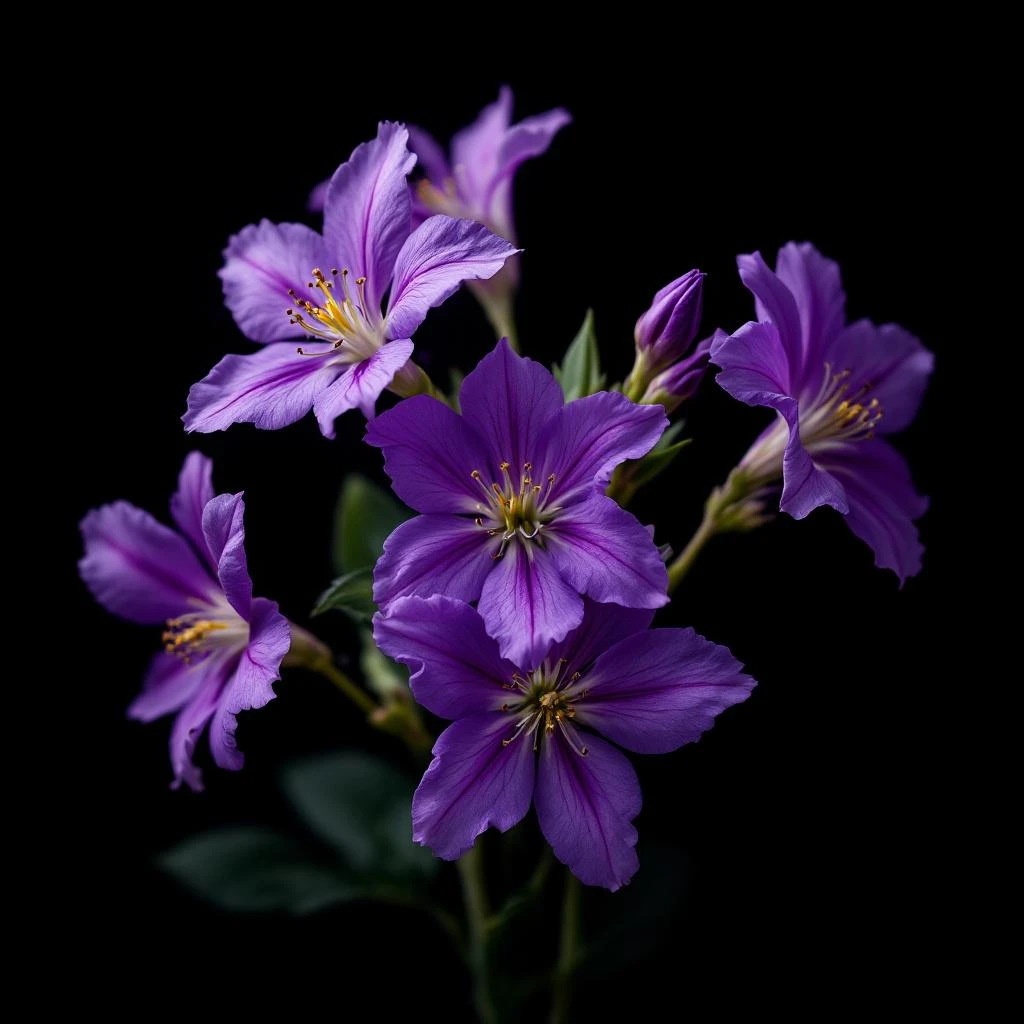
Alpha Ionone is a singular aromatic molecule prized for its luminous violet and raspberry character. Discovered in 1893, it reshaped perfumery by delivering the elusive scent of violets at industrial scale.

Character
How it smells
The molecule that captured the violet.
Natural violets produce almost no detectable scent—perfumers relied on ionones to create violet fragrances for over a century.



Origin
Germany
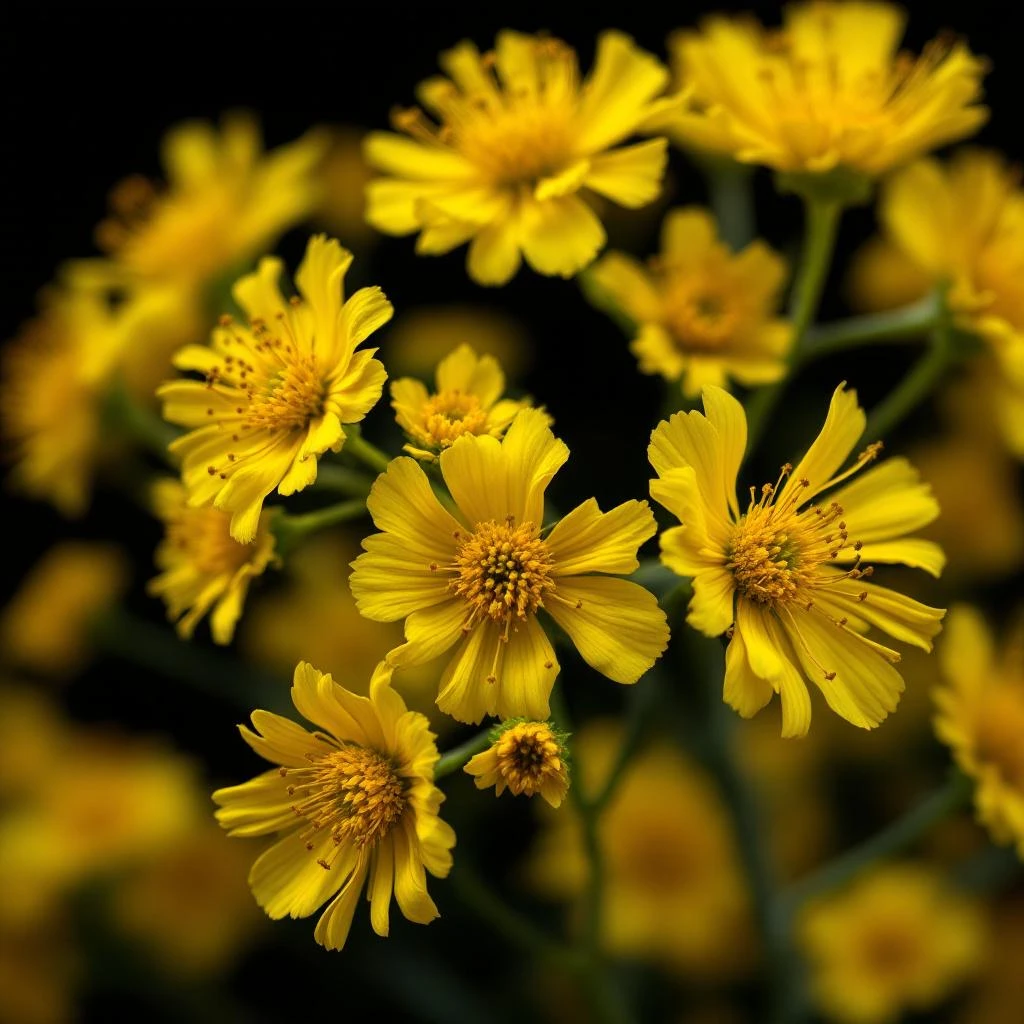
In 1893, German chemists Ferdinand Tiemann and Paul Kruger achieved what generations of perfumers had considered impossible—they synthesized the scent of violet. Working at Haarmann & Reimer (later part of Symrise), they condensed citral from Litsea cubeba with acetone to produce ionone. The discovery arrived at a remarkable moment: violet-scented products had always required crushing actual petals, yielding almost nothing.
Within months of their patent filing, ionone transformed fragrance houses across Europe. Haarmann & Reimer's violet scent became the foundation of the first commercially successful synthetic perfume, Voronel, launching the era of modern aromatic chemistry and giving independent perfumers access to previously botanical-limited materials.
Wears it best
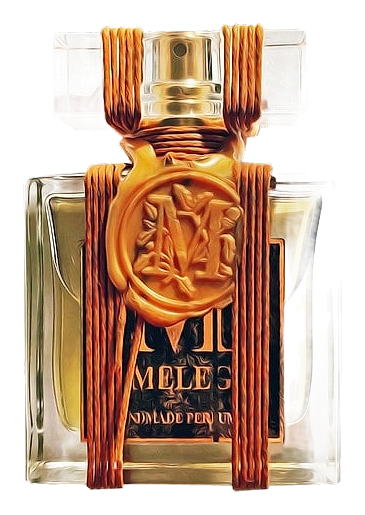
Fragrances featuring Alpha Ionone
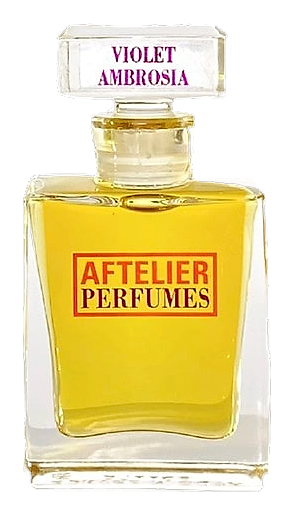
Brands
Brands known for Alpha Ionone
Good to know
Questions, answered
The essentials on Alpha Ionone in perfumery: how it smells, where it comes from, and how it behaves on skin.
What does Alpha Ionone smell like?
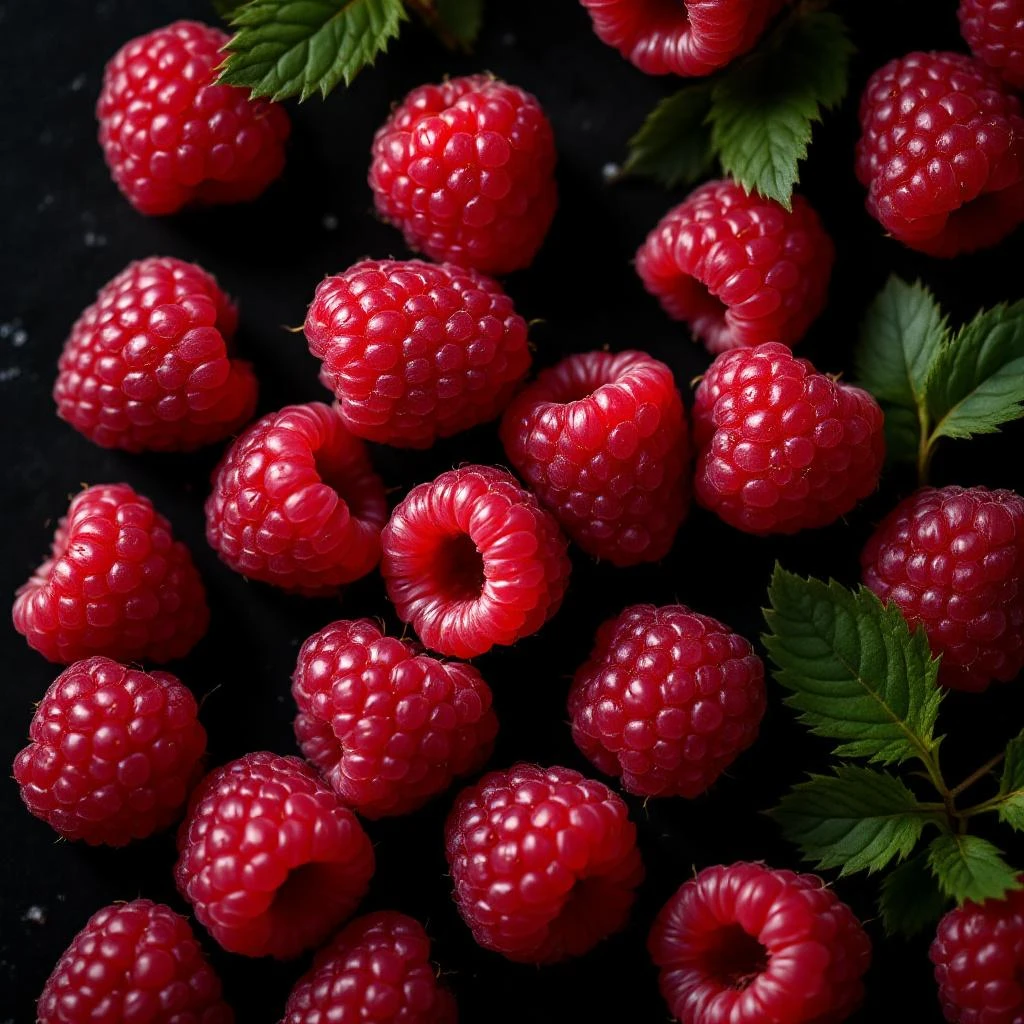
Alpha Ionone carries a distinct violet character with fresh raspberry and slightly woody undertones. Unlike natural violet absolute, it delivers a clean, crystalline floralcy without the weight of crushed petals.
Is Alpha Ionone safe for skin use?
Alpha Ionone carries IFRA and IFRA/IOFI certifications for fragrance use. The Research Institute for Fragrance Materials completed a full toxicologic and dermatologic review, finding it safe at current usage levels in cosmetic formulations.
When was Alpha Ionone first synthesized?
Chemists Tiemann and Kruger synthesized the first ionone in 1893 by condensing citral with acetone. This discovery predates most modern synthetic aroma chemicals and remains a landmark achievement in fragrance history.
Is Alpha Ionone found in nature?
Alpha Ionone occurs naturally in trace amounts in violet flowers, raspberry, and some rose oils, but natural concentrations are far too low for commercial extraction. All commercial Alpha Ionone is produced synthetically.
How does Alpha Ionone differ from Beta Ionone?
Alpha Ionone leans toward fresh violet and raspberry, while Beta Ionone displays deeper violet, berry, and woody characteristics. Beta Ionone appears more prominently in osmanthus and boronia absolutes. Both are used together in many fine fragrances.
What fragrance families use Alpha Ionone?
Alpha Ionone appears across chypre, floral, fruity, and green fragrance families. It works particularly well in violet, iris, and raspberry-themed compositions, where it adds lift and a cool, powdery floral character.
Does Alpha Ionone behave differently in perfumery bases?
Alpha Ionone is alcohol-soluble and performs consistently in both alcoholic perfumery and cold-process cosmetic applications. Its moderate tenacity means it holds well in heart-note positions without overpowering top or base materials.
Why is Alpha Ionone historically significant?
Alpha Ionone solved the violet problem. Natural violets yield negligible aromatic extract, making violet-scented products nearly impossible before synthesis. Its discovery in 1893 launched the synthetic fragrance industry and democratized violet notes across all price tiers of perfumery.
In the same family