
The Story
Why it exists.
The beginning
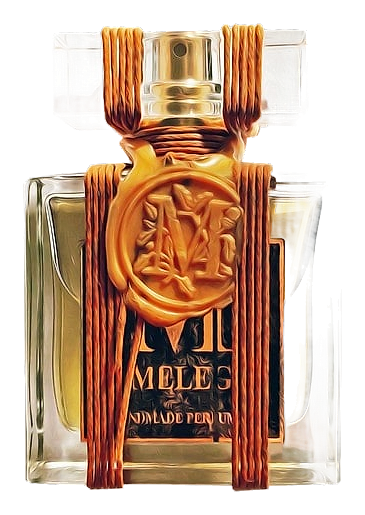
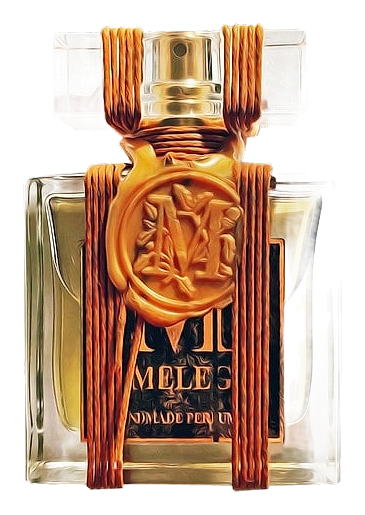
The Canadian Gentleman began as a question: what does refinement smell like when it grows from Canadian soil rather than European tradition? Matthew Meleg built the composition around the classic fougère structure, lavender, oakmoss, castoreum, but anchored it with materials drawn from where he lives now. Balsam fir instead of ordinary fir. Canadian cedar instead of generic cedarwood. The result is a fougère with a geographic pulse underneath its old-world manners.
Balsam fir is the tell. North American, resinous, slightly turpentine-sharp when fresh, it gives the opening a conifer character that European fougères simply don't have. The violet and iris layer over the top adds a powdery sweetness that softens the green edge, making the opening feel both woodland and refined. By the time the heart arrives, the fir settles into amber and cedar warmth, while orris butter and vanilla extend the drydown into something that lingers on fabric and skin for hours after the initial brightness has gone.
The evolution
The first minutes arrive bright and green, balsam fir dominates, with rosemary and a flash of lime cutting through like cold air. The violet opens quickly, threading its powdery sweetness through the conifer brightness before the iris and alpha ionone deepen it into something more floral. Cedar arrives steady in the heart, not loud, working alongside the herbal notes and a whisper of incense that adds a faint, aromatic smoke. As the top notes recede, white musk and vanilla become the foreground, the fir and cedar now a base rather than a feature. The drydown settles into a warm, powdery amber that clings close and lasts. Eight to ten hours on most skin types. On fabric, the orris butter and vanilla combination can be detected the next morning, quieter but still present, a gentleman who didn't announce his departure.
Cultural impact
As one of the earlier releases from Meleg Perfumes, The Canadian Gentleman helped establish the house's reputation for fougère interpretations that carry geographic identity rather than generic heritage. Niche fragrance blogs and indie-nose YouTube channels highlighted it as an example of what self-taught, small-batch perfumery could produce without a corporate formulary behind it.