Canada Balsam
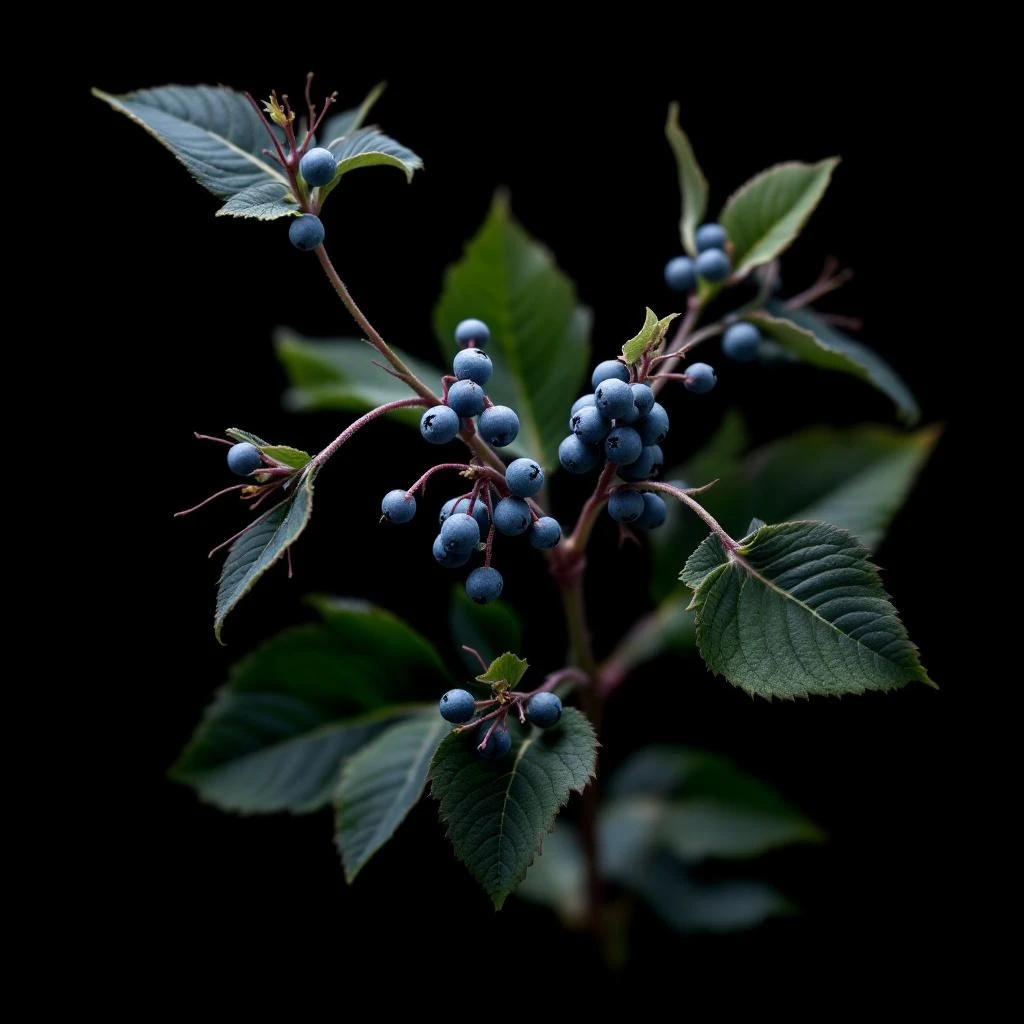
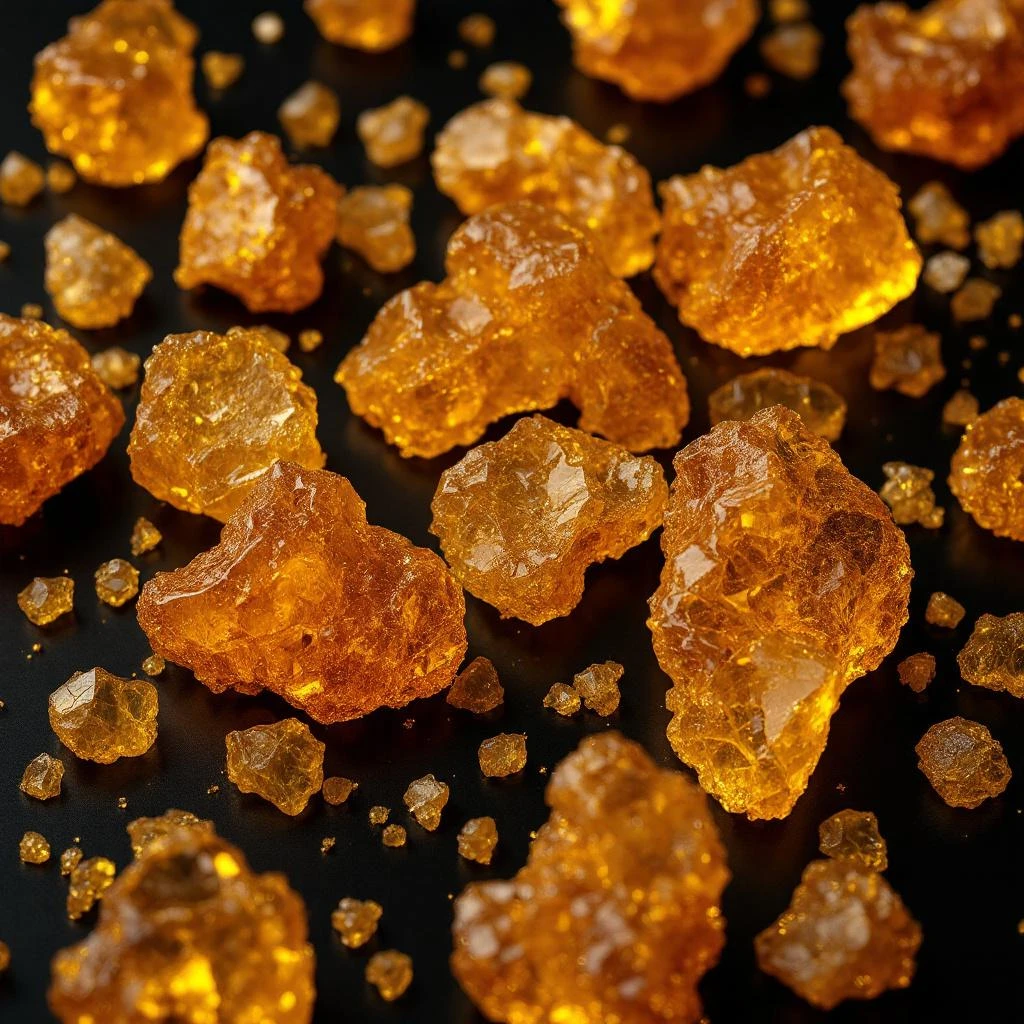
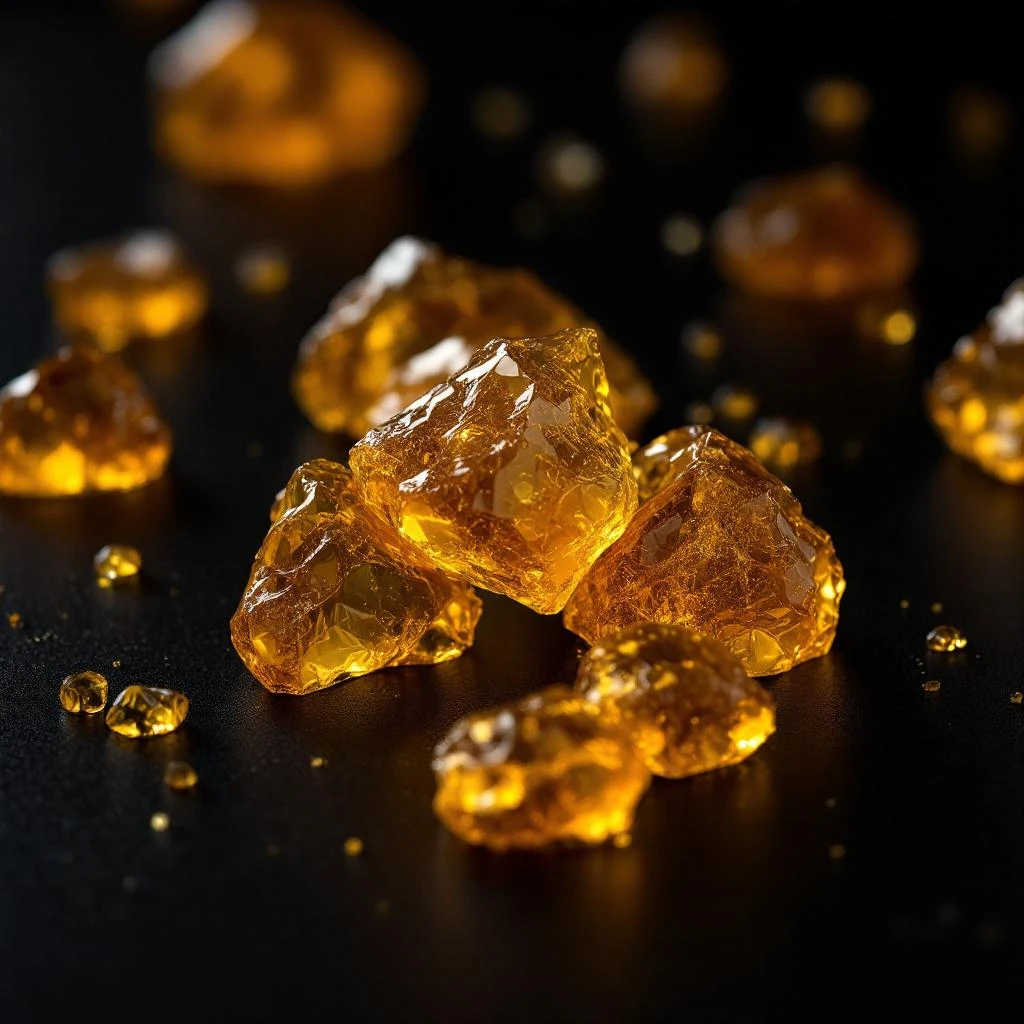
Canada Balsam is a fragrant oleoresin drawn from the Balsam Fir, native to the boreal forests of Canada and the northern United States. Perfumers prize it for its crisp, resinous aroma with sweetly green undertones that bring forested depth to compositions.
Character
How it smells
Crisp boreal resin from the Balsam Fir
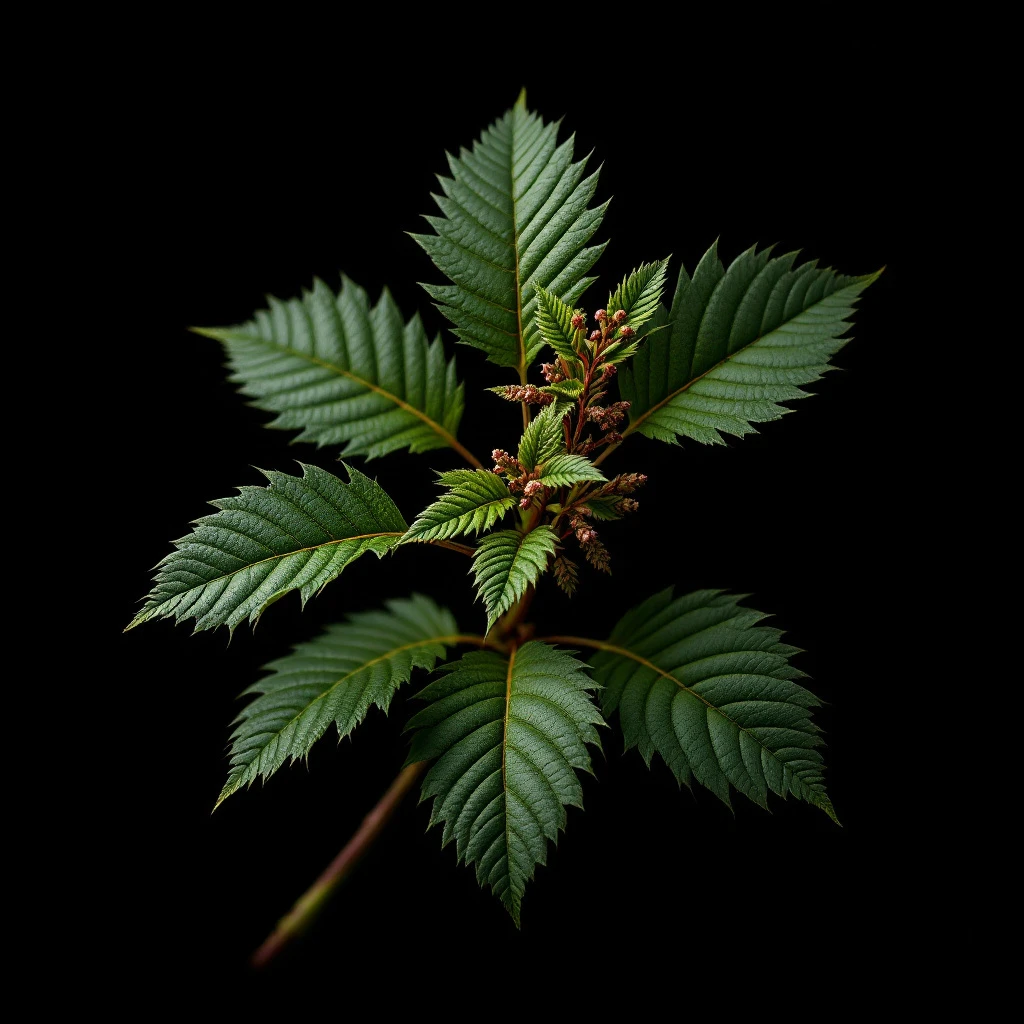
The same Abies balsamea tree that yields Canada Balsam also produces the annual Christmas tree crop for millions of North American households.




Origin
Canada
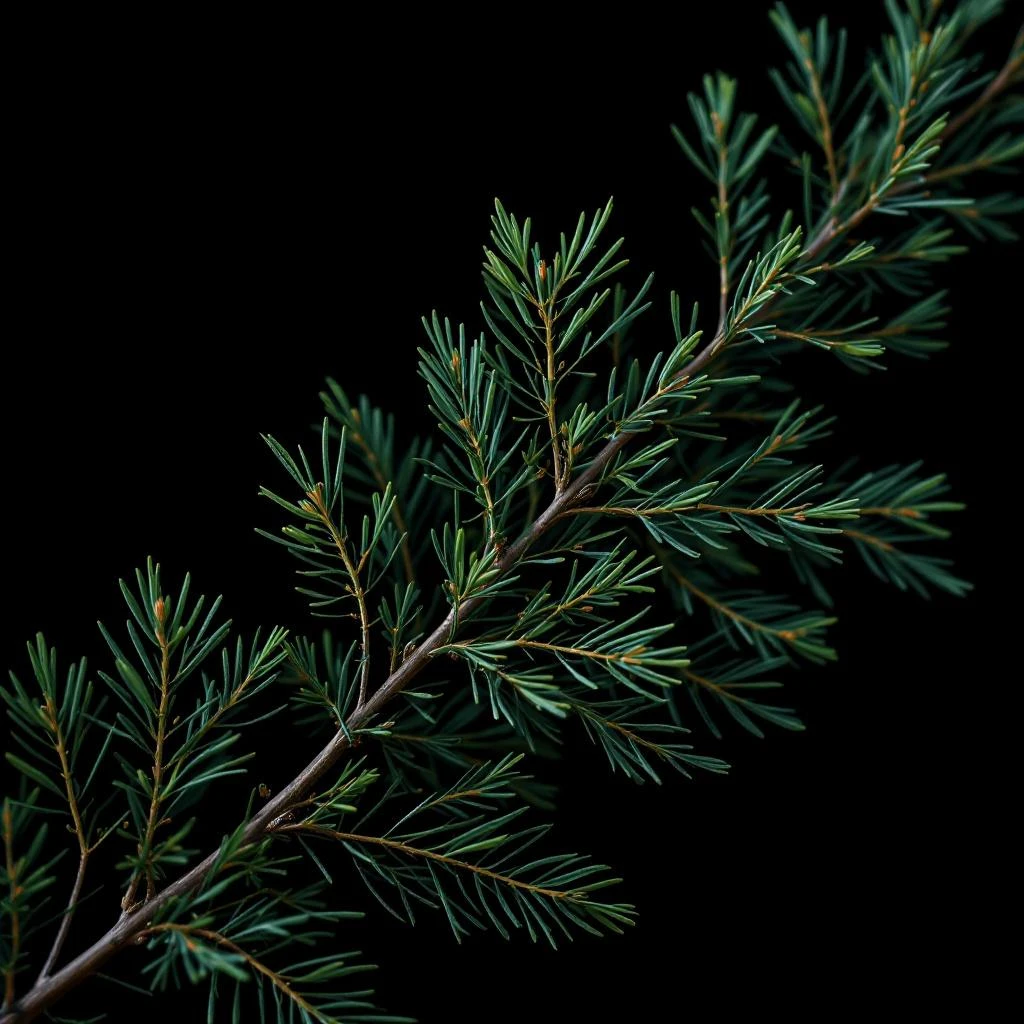
Indigenous peoples of eastern Canada were the first to recognize the aromatic and medicinal properties of Abies balsamea, using the resin for wound healing and ceremonial purposes long before European contact. French colonists adopted these practices in the 17th century, trading the resin as a curiosity item that eventually caught the attention of European apothecaries. By the 19th century, Canadian trappers and traders had established systematic harvesting operations, supplying the global pharmaceutical and perfume industries with a consistent stream of boreal resin.
The material gained particular prominence during the perfume industry's formative decades, when natural aromatics dominated formulation. Today, sustainable forestry practices govern Canadian Balsam collection, ensuring that the boreal ecosystem remains intact while perfumers continue accessing this distinctive North American material.
Wears it best
Fragrances featuring Canada Balsam
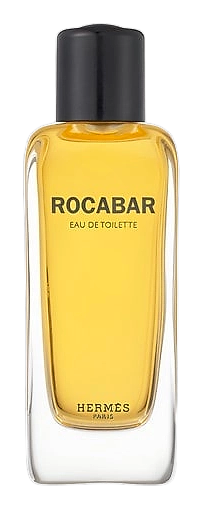
Brands
Brands known for Canada Balsam
Good to know
Questions, answered
The essentials on Canada Balsam in perfumery: how it smells, where it comes from, and how it behaves on skin.
What does Canada Balsam smell like?
Canada Balsam offers a crisp, resinous scent with sweetly green undertones. Think刚 trimmed Christmas tree crossed with woodland pine and subtle vanilla warmth.
Is Canada Balsam harvested sustainably?
Yes. Modern Canadian harvesting follows sustainable forestry protocols, with tap holes spaced to allow natural healing and tree health to remain intact.
How is Canada Balsam extracted from the Balsam Fir?
Producers bore small holes into Abies balsamea bark and insert collection tubes. The oleoresin weeps out gradually over several weeks before processing.
What is the difference between Canada Balsam and Peru Balsam?
Canada Balsam comes from Abies balsamea in North American boreal forests. Peru Balsam derives from Myroxylon balsamum in Central America. Their scent profiles and chemical compositions differ significantly.
Which fragrance families use Canada Balsam?
Canada Balsam appears primarily in fougère, chypre, and conifer-based compositions. It adds forested depth to masculine colognes and woodland-inspired fragrances.
Can Canada Balsam be combined with synthetic aromatics?
Yes. It blends well with synthetic materials like Iso E Super and ambroxan, adding natural authenticity and forested complexity to modern compositions.
Why is Canada Balsam less common than other conifer materials?
Limited production scale and competition from cheaper synthetic alternatives have reduced its commercial use. However, niche natural perfumers continue valuing it for its distinctive boreal character.