Café Expresso
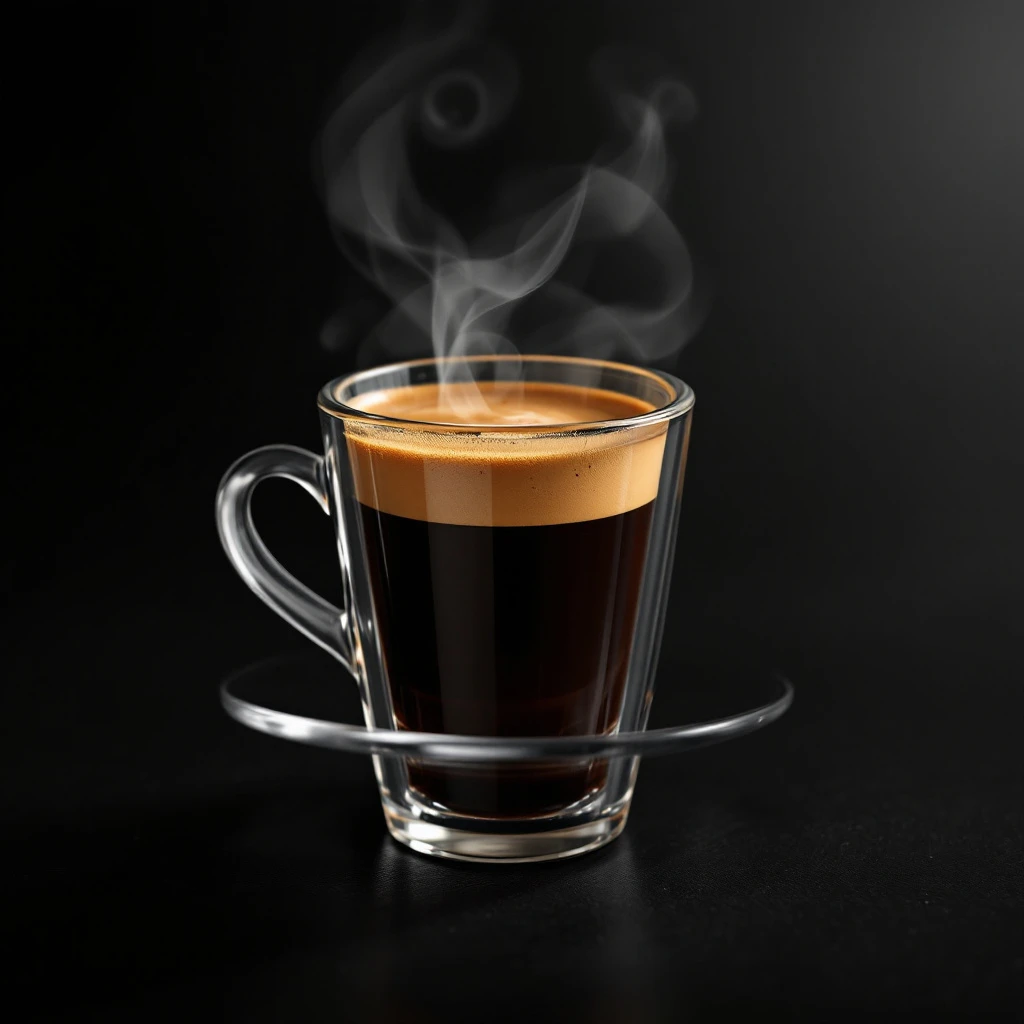
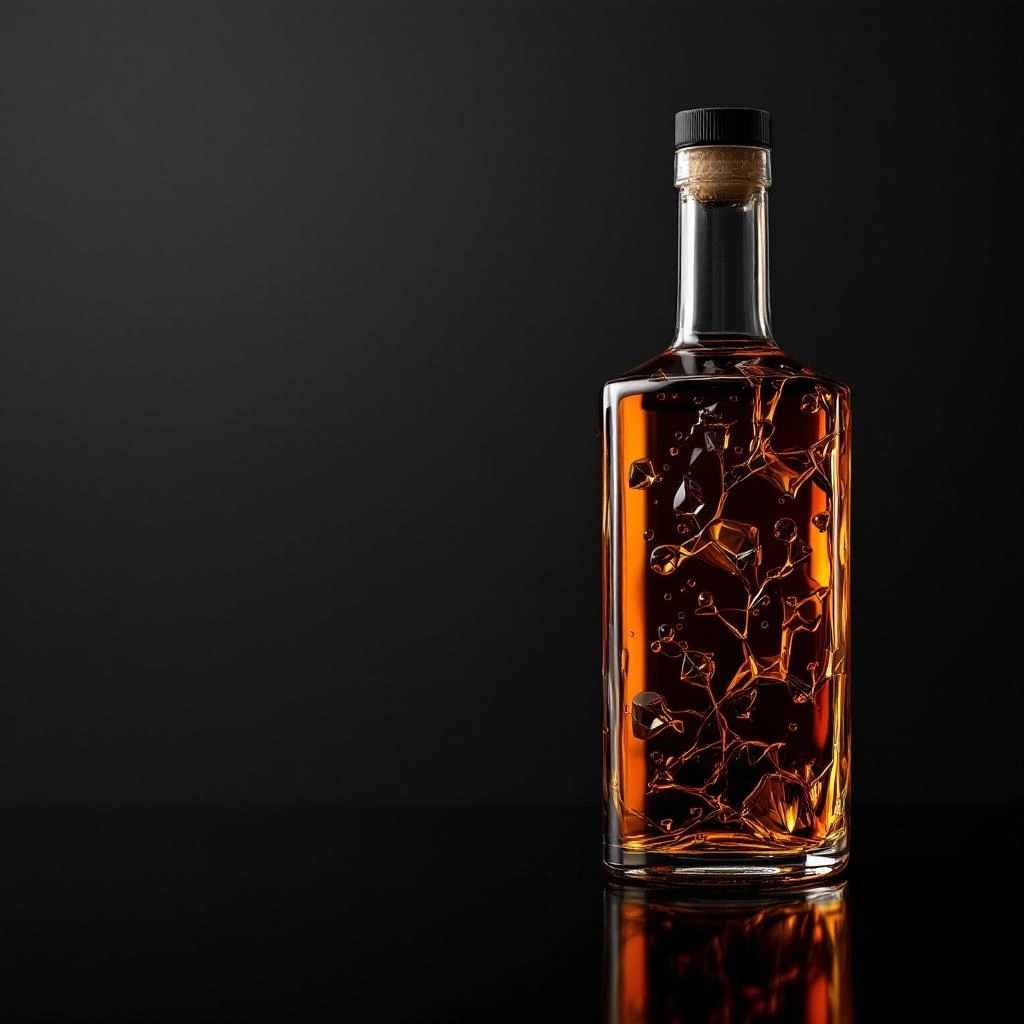
Dark, roasted, and unmistakably bitter. Café Expresso captures the dense aroma of freshly pulled shots: crema-like warmth, toasted bean depth, and an earthy bite that grounds any composition.
Character
How it smells
Roasted intensity in liquid form.
Coffee's role in perfumery surged after the 1990s gourmand movement, when perfumers first treated a hot beverage as a wearable note rather than a kitchen scent.


Origin
Ethiopia
Coffee originated in the Ethiopian highlands around 850 CE, where legend places its discovery in the lush hills of Kaffa. From there it spread through Yemen, Egypt, and the Ottoman Empire before reaching European ports in the 17th century. Yet its entry into perfumery came much later. For centuries, scent focused on florals, resins, and citrus.
Coffee existed almost exclusively as a beverage. That shifted in the late 20th century, when gourmand perfumery began treating edible materials as serious olfactory ingredients. The launch of fragrances featuring roasted coffee accords in the 1990s marked a turning point, positioning the bean as a vehicle for warmth and bitterness rather than sweetness. Coffee's Latin genus name, Coffea, reflects the botanical lineage of more than 120 species, though Coffea arabica dominates both beverage and extract markets.
Today, the note bridges two cultural worlds: the daily ritual of the espresso bar and the curated language of fine fragrance. Its presence signals comfort with a darker, more bitter edge than traditional oriental bases typically offered.
Wears it best
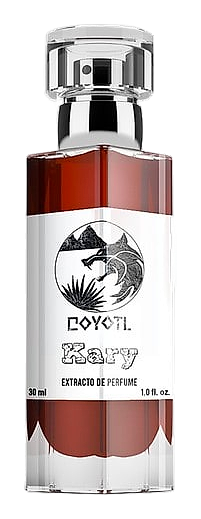
Fragrances featuring Café Expresso
Brands
Brands known for Café Expresso
Good to know
Questions, answered
The essentials on Café Expresso in perfumery: how it smells, where it comes from, and how it behaves on skin.
What does Café Expresso smell like in perfume?
It smells like freshly pulled espresso: dark, bitter, and roasted, with smoky pyrazine edges and a faint crema-like sweetness. The note reads dense rather than sweet, lending compositions a grounded, slightly acrid warmth.
Is Café Expresso made from real coffee?
Sometimes. Natural coffee absolute exists via solvent extraction of roasted beans, but most modern perfumers use synthetic aromachemicals like coffee furanone for stability. Both approaches aim to recreate the same roasted, toasted character.
Where does coffee originally come from?
Coffee originated in the Ethiopian highlands around 850 CE, where Coffea arabica grew wild. Its botanical name derives from the region of Kaffa, before spreading through Yemen and the Ottoman Empire.
When did coffee become a fragrance ingredient?
Coffee entered mainstream perfumery during the 1990s gourmand movement, when perfumers began treating edible materials as serious olfactory building blocks rather than novelty accents.
What fragrance families use Café Expresso?
It anchors gourmand compositions and adds depth to oriental and woody structures. Pairings with vanilla, tonka, and cocoa amplify warmth, while leather and oud create sharper, bitter contrasts.
Is coffee note safe for skin in fragrance?
Yes, when used at standard perfumery concentrations. Natural coffee absolute can be a mild sensitizer in high doses, but IFRA-regulated limits keep commercial formulations well within safe thresholds.
How is natural coffee absolute extracted?
Roasted beans undergo solvent extraction to produce a thick, dark absolute rich in pyrazines and furans. CO₂ supercritical extraction is an alternative method that preserves a cleaner, brighter aromatic profile.
Does Café Expresso last long in a fragrance?
Coffee accords tend to perform well in base and heart positions, lasting 4 to 8 hours depending on concentration. Synthetic reconstructions generally outlast natural absolutes, which oxidize faster on skin.



