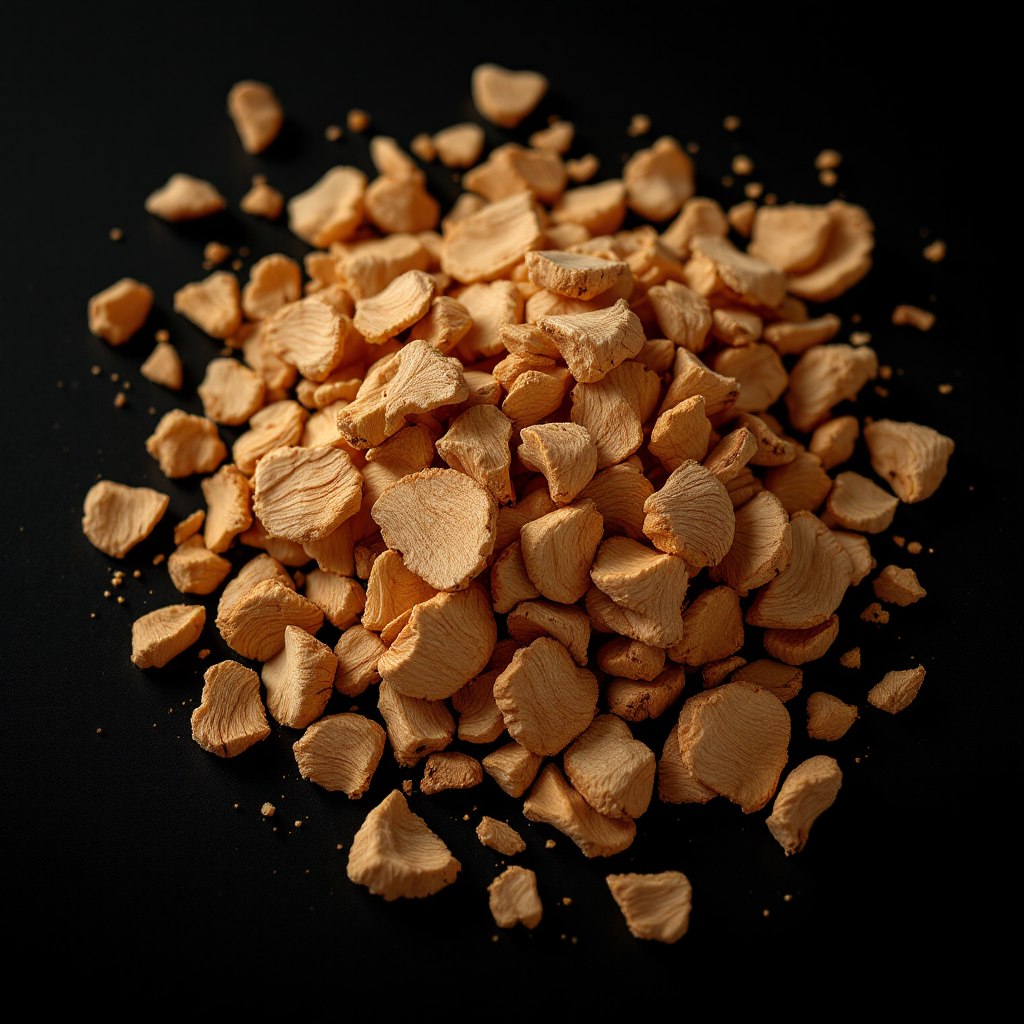
Cade
Cade oil emerges from the smoke of burning juniper wood, a centuries-old tradition of destructive distillation. Dark, smoky, and intensely tar-like, it carries the scent of forest fires and ancient pharmacies.

Character
How it smells
The smoke-kissed ghost of juniper wood
Before it was a fragrance, cade oil was a staple in French pharmacies — listed in the official pharmaceutical codex for its purported skin-healing properties.







Origin
France
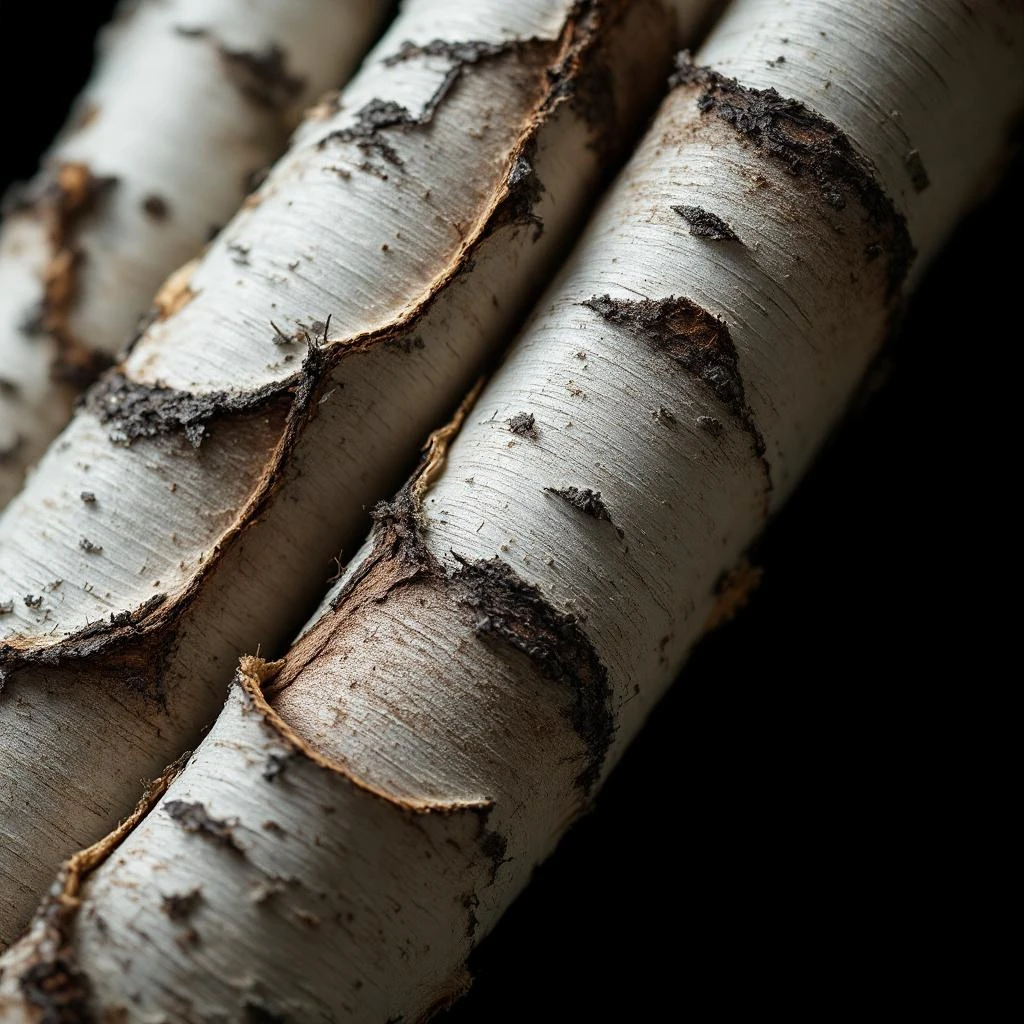
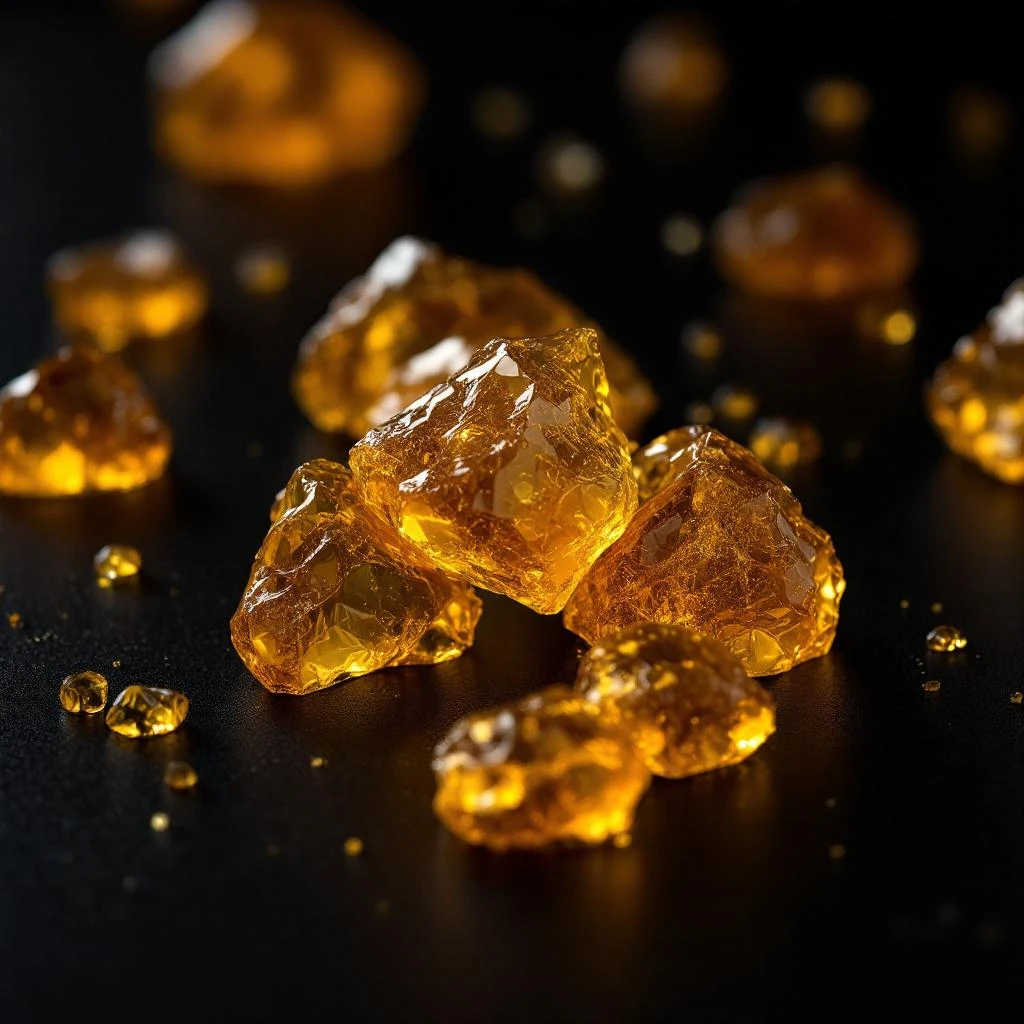
Cade has roots that stretch back into folk medicine across the Mediterranean. For generations, rural healers in southern France, Spain, and North Africa treated skin conditions, wounds, and parasites with the dark resin pressed from burned juniper.
By the 19th century, French pharmacists recognized cade oil for its antiseptic qualities and formally entered it into the pharmaceutical Codex. Around the same period, perfumers began experimenting with its rugged, smoky scent, adding depth to chypre compositions and masculine fougères.
The note carried associations with leather workshops and blacksmiths, a visceral reminder of fire, labor, and craft. In modern perfumery, cade survives as a niche but powerful accent, lending compositions a burnt, mineral edge that no synthetic molecule has perfectly imitated.
Wears it best
Fragrances featuring Cade
Brands
Brands known for Cade
Good to know
Questions, answered
The essentials on Cade in perfumery: how it smells, where it comes from, and how it behaves on skin.
What does cade smell like in fragrance?
Cade delivers a deeply smoky, tar-like scent with leathery and phenolic undertones. Think of a juniper branch burned over an open fire, then layered with hints of damp earth and dry bark. It reads as rugged rather than sweet.
How is cade oil extracted from wood?
Cade oil is produced through destructive distillation, where juniper wood smolders at extremely high temperatures inside sealed chambers. The condensed tar yields the dark, aromatic liquid perfumers use. No solvents or steam touch the material during true traditional extraction.
Is cade the same as juniper berry?
No. Cade derives from the wood of prickly juniper (Juniperus oxycedrus) and is extracted by burning. Juniper berry essential oil comes from steam-distilling the berries of a related species. They share a botanical family but produce very different scent profiles.
Why do perfumers use cade today?
Perfumers value cade for its rare smoky-leather signature that synthetics cannot fully replicate. A small dose adds depth to chypres, fougères, and leather accords, lending compositions a burnt, mineral warmth and a sense of raw material.
Where does cade oil traditionally come from?
The primary traditional source is southern France, particularly Provence and the Languedoc region. Spain and Morocco also produce significant quantities from native prickly juniper stands.
Is cade safe to apply to skin?
Pharmaceutical-grade cade oil has a long history of topical use for skin conditions. In perfumery it appears in low concentrations and is generally considered safe at standard usage levels, though regulatory restrictions vary by region.
Which famous perfumes feature cade?
Cade appears in select artisanal and niche compositions, particularly those built on leather or smoke accords. It is a signature element in certain classic masculine fougères where it reinforces the tar-animalic base.
Can cade be made synthetically?
No perfect synthetic equivalent exists. Some laboratories create smoky reconstructions using phenol compounds and pyrogenic accords, but they approximate the complexity of real cade at best. Genuine cade remains irreplaceable for purists.