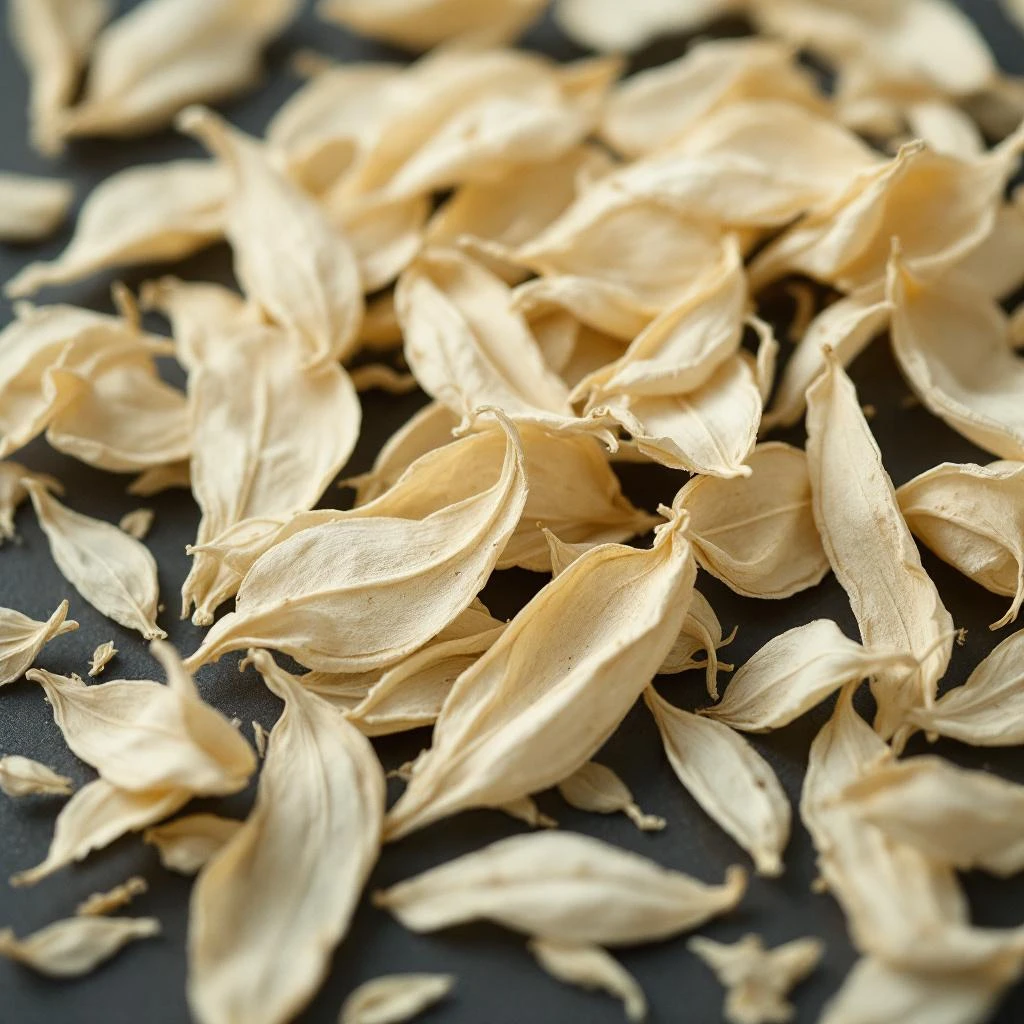
Buchu or Agathosma
From South Africa's remote Western Cape mountains, buchu delivers a striking aroma: green, minty, and unmistakably blackcurrant. Its polarizing, sulfurous edge makes it rare in perfumery, but those who understand it unlock something distinctive.
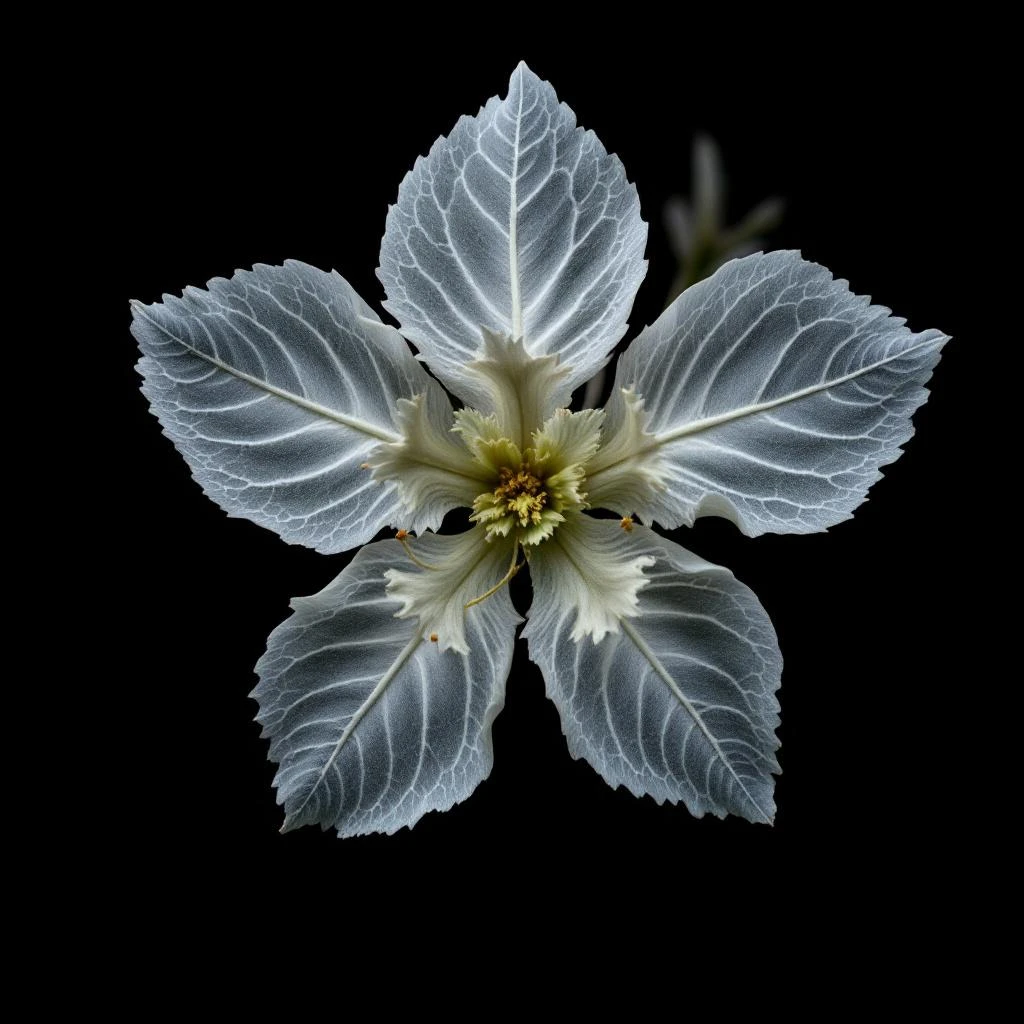
Character
How it smells
South Africa's wild, blackcurrant-scented secret ingredient.
The genus name Agathosma means "good fragrance" in Greek.





Origin
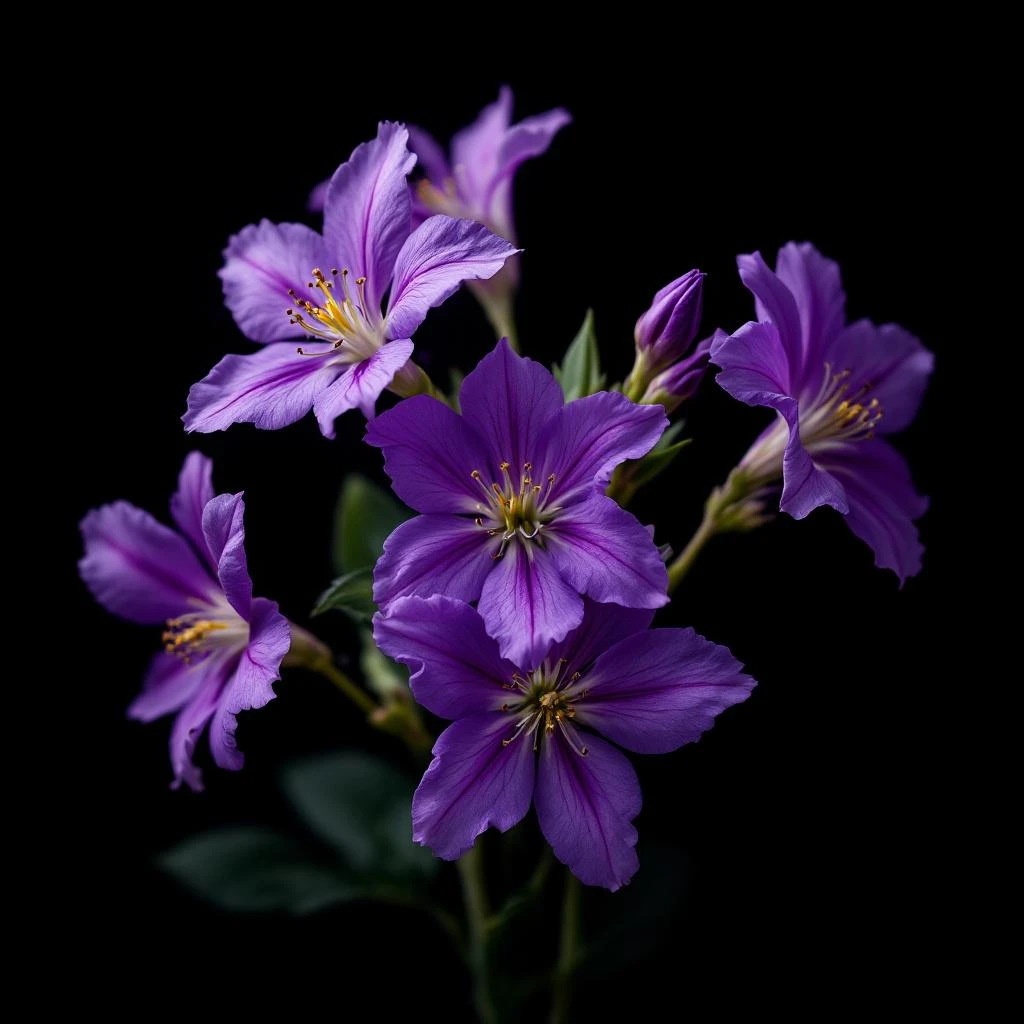
South Africa
The Khoekhoe people of South Africa used buchu as a traditional herbal remedy for centuries before European contact. Around 400 years ago, women from indigenous communities discovered that coating their bodies with crushed buchu leaves produced a sweet, invigorating fragrance. The plant entered Western European apothecaries and pharmacopeias in the late 1600s, rapidly gaining recognition as a therapeutic agent.
By the 1860s and 1870s, bottled buchu tea and infusions were widely available in English-speaking countries, though demand eventually declined. Buchu remains one of perfumery's most geographically restricted ingredients, found nowhere naturally outside South Africa's Western Cape mountains. The genus name Agathosma translates from Greek as "good fragrance," honoring this plant's aromatic distinction.
While still uncommon in mainstream perfumery, buchu has begun appearing in luxury fragrances as perfumers seek distinctive green and fruity accords that set compositions apart.
Wears it best
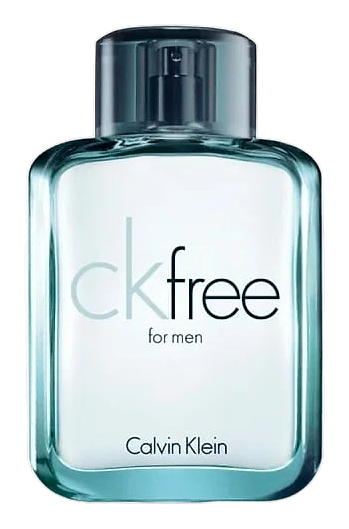
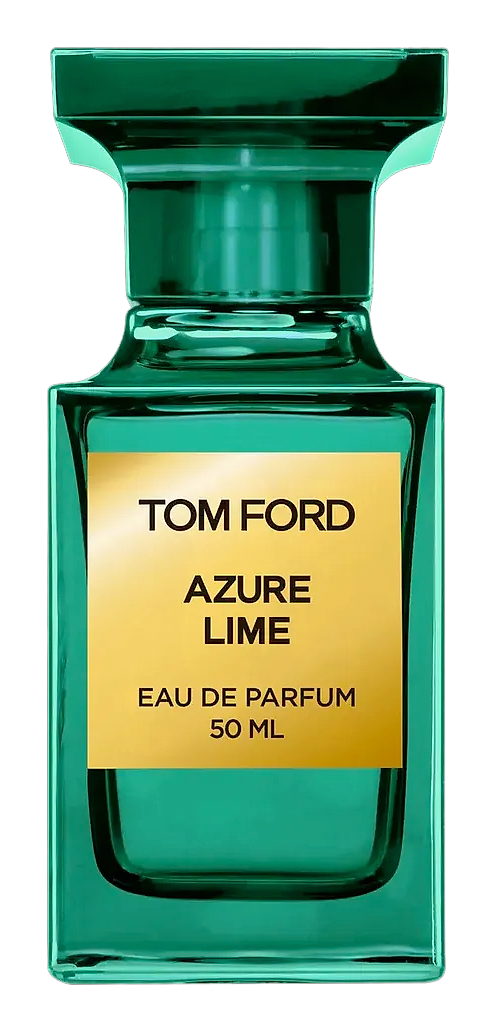
Fragrances featuring Buchu or Agathosma


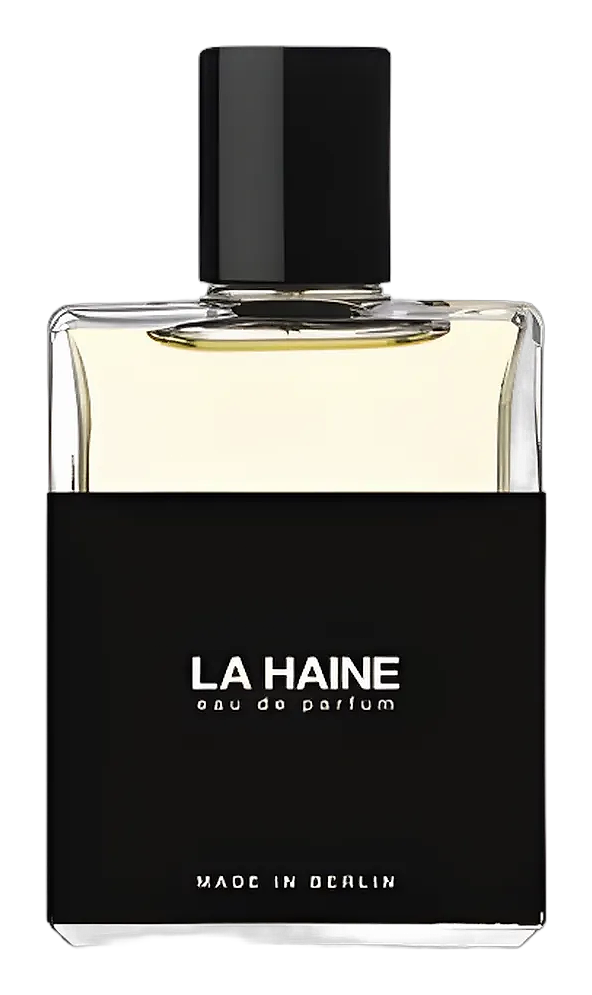
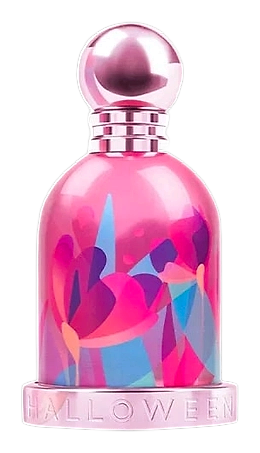
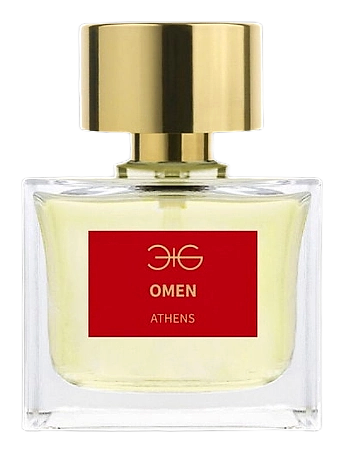
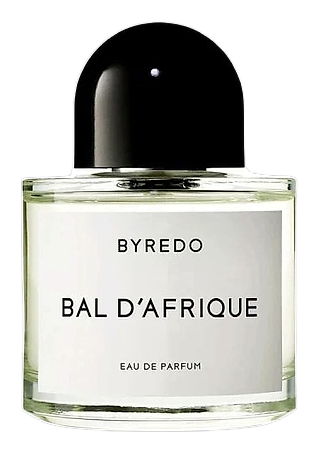
Brands
Brands known for Buchu or Agathosma
Good to know
Questions, answered
The essentials on Buchu or Agathosma in perfumery: how it smells, where it comes from, and how it behaves on skin.
What does buchu smell like?
Buchu carries a striking green-mint aroma with pronounced blackcurrant qualities. Neat, it presents intense sulfurous and cat-urine notes; once diluted to trace levels, it reveals sweet fruity nuances prized in modern perfumery.
Why is buchu so rare in perfumery?
Buchu grows exclusively in South Africa's Western Cape mountains and resists commercial cultivation. Young seedlings suffer high mortality rates, and wild harvesting remains the primary source, limiting global supply.
What fragrances use buchu?
Tom Ford's Azure Lime introduced buchu to luxury perfumery with its citrus-aromatic profile. It appears more frequently in contemporary masculine fragrances seeking fresh, green originality.
Is buchu related to blackcurrant?
Chemically, buchu shares compounds with blackcurrant buds, particularly the mercaptans responsible for the characteristic cat-urine quality. This similarity opens applications in both masculine and feminine fruity compositions.
What are the main chemical components of buchu oil?
Diosphenol, isomenthone, limonene, pulegone, and menthone dominate the oil's chemistry. These compounds give buchu its distinctive minty-fruity character and anti-inflammatory properties noted in traditional medicine.
Where did buchu originate historically?
Indigenous Khoekhoe communities of South Africa first used buchu as a traditional remedy centuries before European contact. It reached Western apothecaries by the late 1600s and became popular as buchu tea in the 1860s.
Is buchu oil natural or synthetic?
Buchu oil is 100% natural, steam-distilled from wild-harvested Agathosma leaves. No synthetic equivalent matches its complete aromatic profile, though individual compounds like Buchu Mercaptan are created synthetically.
What safety considerations exist for buchu?
IFRA guidelines regulate buchu oil in perfumery. The pure oil requires careful dilution; professional formulations typically use concentrations below 0.2 percent to avoid skin sensitization while retaining its characteristic aroma.