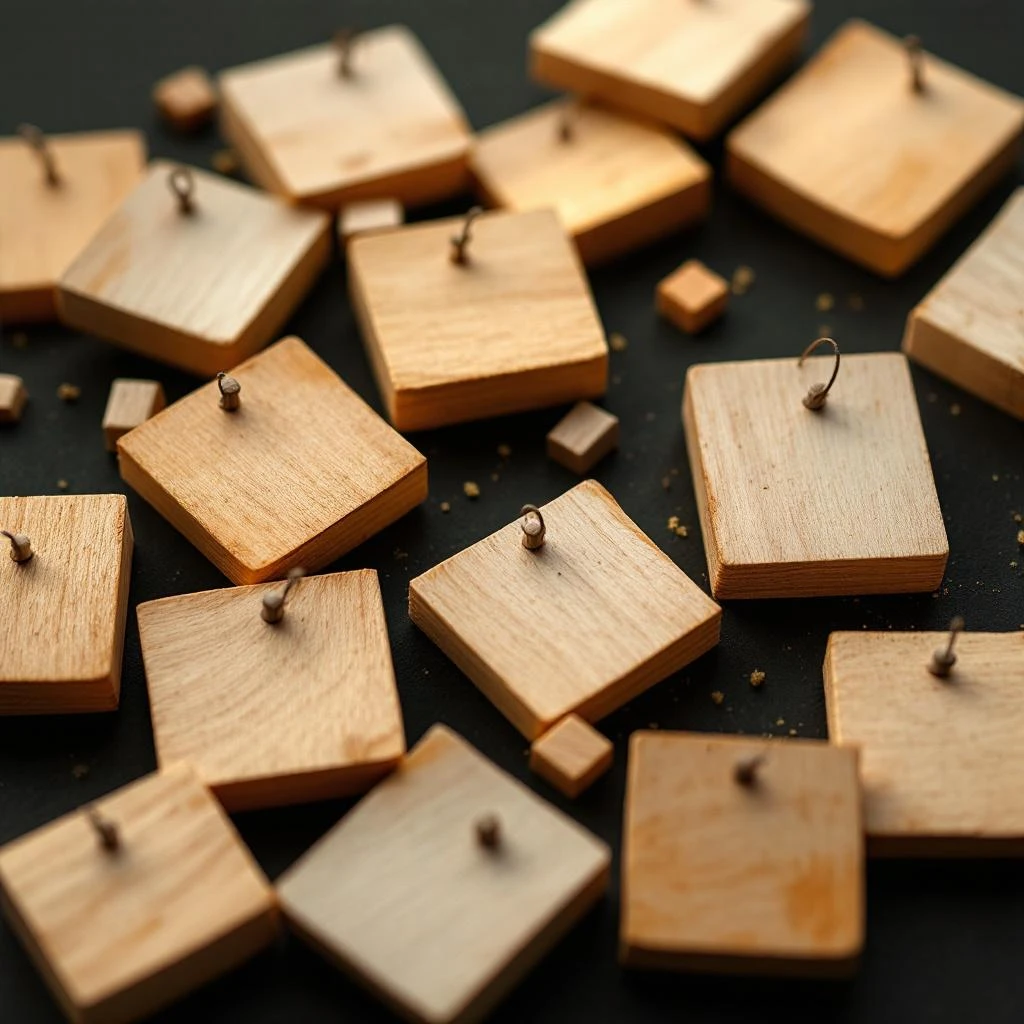
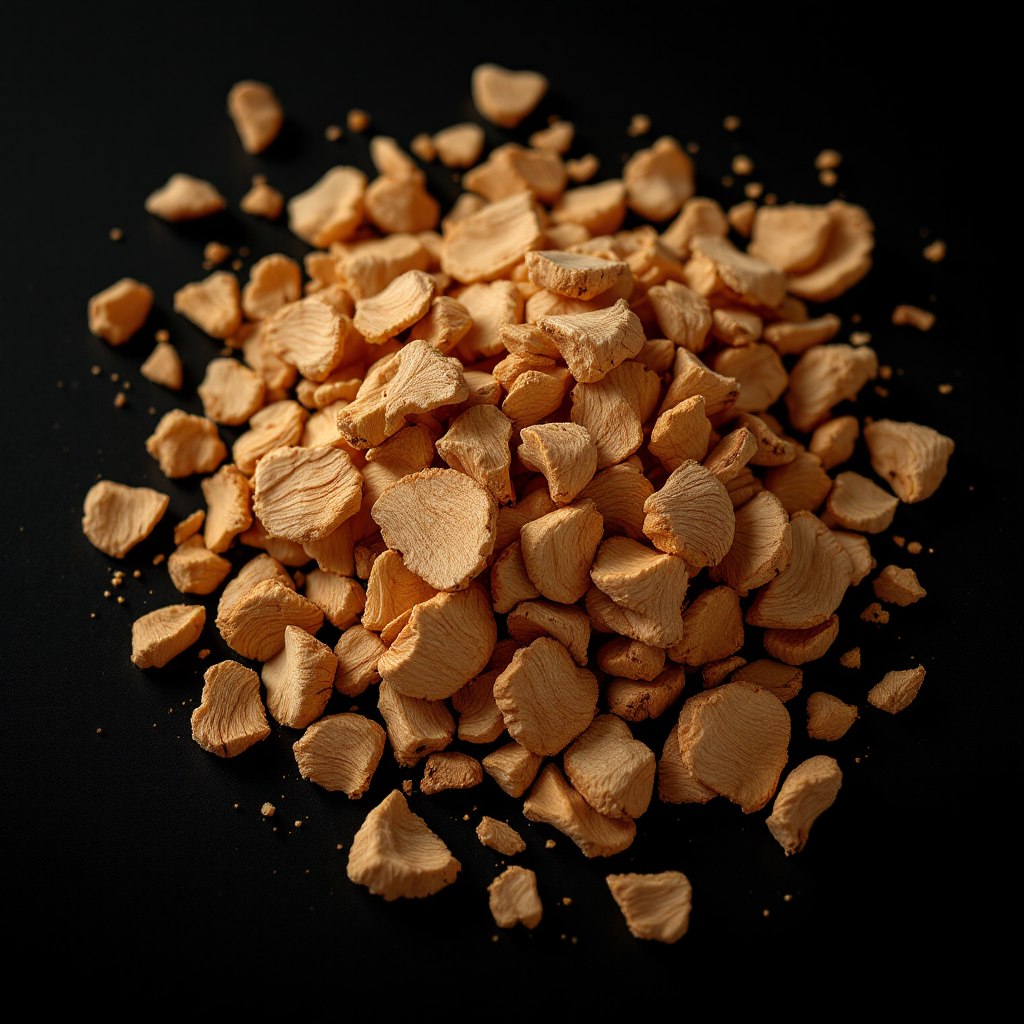
Bruneian Kyara Oud
Bruneian Kyara Oud represents the pinnacle of agarwood, harvested from Aquilaria trees in Brunei's ancient rainforests. This rare grade delivers deep resinous warmth, medicinal sweetness, and unmatched complexity.
Character
How it smells
The rarest oud on Earth
Genuine Bruneian kyara is so scarce that master perfumers describe encountering it as a once-in-a-lifetime event.


Origin
Brunei
Oud's recorded history stretches back to third century A. D. incense formularies, and Brunei's rainforests have long been recognized as a prime source of exceptional agarwood.
Local Iban and Dusun communities harvested infected wood for ceremonial incense, traditional medicine, and trade with neighboring Borneo sultanates. By the medieval period, Brunei sat at the heart of the archipelago's resin trade, exporting prized agarwood to China, Japan, and the Middle East. Japanese incense masters, developing the Kodo ceremony, classified the finest Borneo material as kyara, a word meaning 'precious' that became the benchmark grade worldwide.
During the height of the Sultanate of Brunei, control of high-grade oud routes reinforced the kingdom's wealth and regional influence. Colonial logging and overharvesting through the twentieth century devastated wild stocks, and the 1995 CITES Appendix II listing restricted international trade. Brunei's remaining primary forest, now partially protected, continues to produce small quantities of wild kyara, maintaining the region's reputation as the source of oud's most legendary expression.
Wears it best
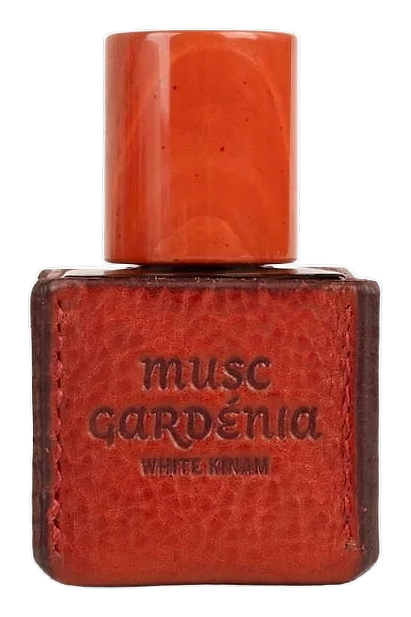
Fragrances featuring Bruneian Kyara Oud
Brands
Brands known for Bruneian Kyara Oud
Good to know
Questions, answered
The essentials on Bruneian Kyara Oud in perfumery: how it smells, where it comes from, and how it behaves on skin.
What makes Bruneian Kyara Oud different from regular oud?
Bruneian Kyara Oud sits at the top of the agarwood grading system, defined by exceptionally high resin density and aromatic complexity. It comes from Aquilaria trees in Brunei's primary rainforests, where humidity and biodiversity produce resin with distinctively sweet, medicinal, and deeply layered character.
Why is Bruneian Kyara Oud so expensive?
Wild Bruneian kyara is extraordinarily scarce, sometimes requiring several mature infected trees to yield a single usable portion. Yields from hydrodistillation are minimal, and fewer than a handful of harvests reach market each year.
How is Bruneian Kyara Oud traditionally used?
In Japanese Kodo ceremony, minute slivers are heated on mica plates so attendees can appreciate the vapor without combustion. This appreciation method preserves the wood and reveals aromatic subtleties that distillation can obscure.
What does Bruneian Kyara Oud smell like?
Expect deep resinous warmth layered with honeyed sweetness, cooling medicinal facets, and faint bitter-almond undertones. Top-quality specimens reveal earthy, almost animalic depth alongside translucent floral whispers.
Is Bruneian Kyara Oud sustainable?
Wild harvest is regulated under CITES Appendix II, and Bruneian forests are increasingly protected. Plantation alternatives exist, though cultivated oud rarely matches the aromatic complexity of material from century-old infected trees.
When was oud first documented as a fragrance ingredient?
Written records referencing agarwood as incense date to the third century A.D. Brunei appears in later Asian trade manuscripts as a source of the finest grades bound for Chinese and Japanese markets.
Which Aquilaria species produces Bruneian kyara?
Aquilaria beccariana, native to Borneo, is the primary species associated with Bruneian kyara formation. Other Aquilaria species in the region occasionally yield similarly graded resin under ideal infection conditions.
Can Bruneian Kyara Oud be used in modern perfumery?
Yes, though most commercial perfumers recreate the kyara profile using high-grade hydrodistilled Bruneian oud rather than the rare raw wood itself. Even small percentages contribute distinctive depth to luxury compositions.