Brass
Brass in fragrance is not a scent at all but a material signal. Some perfumers mention brass to evoke the metallic, faintly waxy warmth of polished hardware, an accord built from synthetic aldehydes and ozonic molecules rather than any extraction.
Character
How it smells
A metallic whisper, engineered, not extracted.
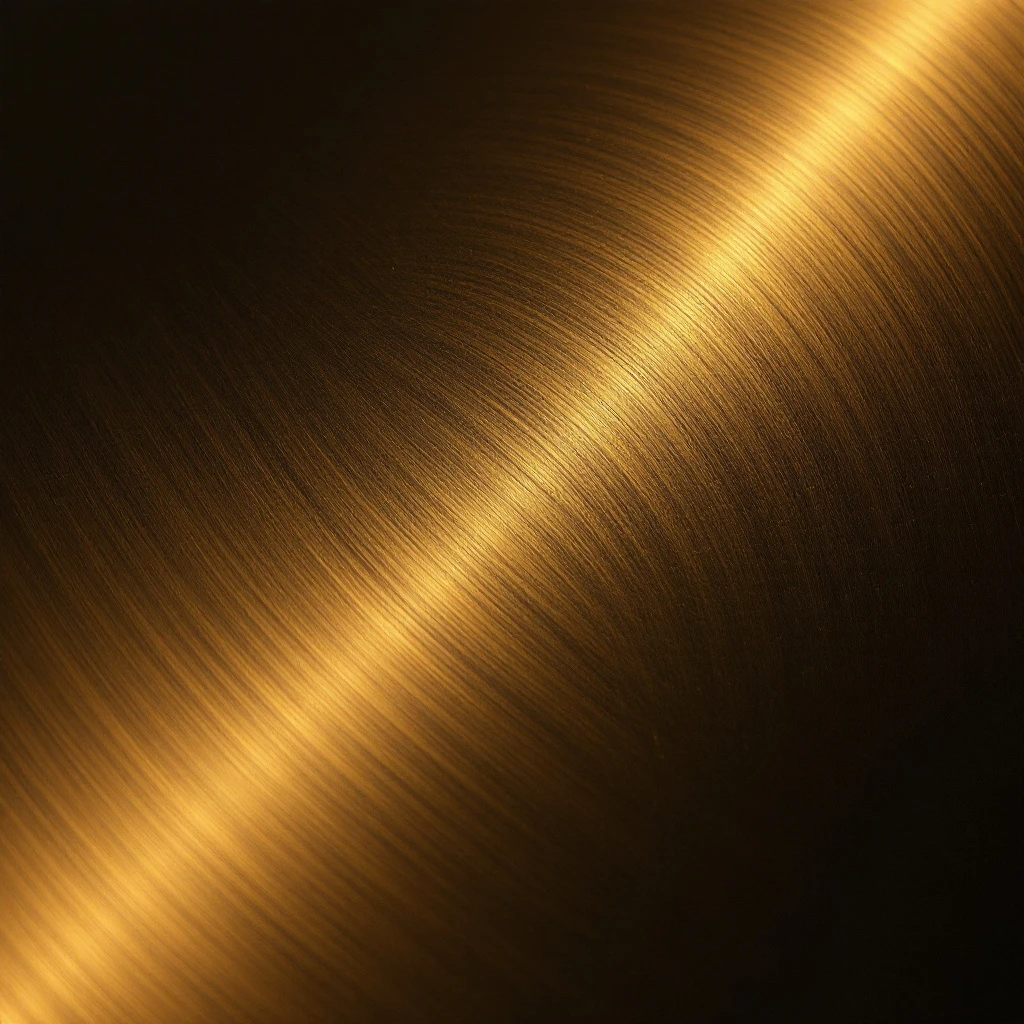
Brass itself cannot be distilled or pressed for oil. When perfumers reference it, they reconstruct the impression using synthetic aldehydes that mimic the cool sheen of polished metal.


Origin
France
Brass entered fragrance vocabulary in the late 20th century as perfumers sought to describe cold, industrial, and metallic sensations that traditional naturals could not deliver. The shift began in the early 1990s, when niche perfumers in France and Belgium started naming accords after materials rather than plants, drawing on a wider cultural vocabulary that included metals, minerals, and synthetic textures. Before that, metallic impressions in classical perfumery came mostly from aldehydes, first popularized by the C10, C11, and C12 aldehydes developed by Firmenich and IFF in the 1920s and 1930s.
These early aldehydes gave rise to the sparkling top notes of landmark compositions such as Chanel No. 5. The explicit naming of brass as a fragrance descriptor, as distinct from a general metallic note, is a recent convention tied to the rise of molecular perfumery and a growing public appetite for scents that reference the built environment, machinery, and architecture.
No ancient civilization distilled brass for perfume because the alloy contains no aromatic compounds to release.
Wears it best
Fragrances featuring Brass
Brands
Brands known for Brass
Good to know
Questions, answered
The essentials on Brass in perfumery: how it smells, where it comes from, and how it behaves on skin.
What does brass smell like in perfume?
Brass describes a metallic, cool, slightly waxy impression built from synthetic aldehydes. It reads as the clean sheen of polished hardware, sharp at first, then softening into a faint warm undertone that mimics the heat metal holds after being touched.
Is brass a natural fragrance ingredient?
No. Brass is an alloy of copper and zinc and yields no essential oil or extract. Perfumers simulate the effect using laboratory-made aldehydes and ozonic molecules, making brass a constructed accord rather than a harvested material.
When did perfumers start using brass as a note?
Explicit references to brass as a fragrance descriptor emerged in the 1990s alongside niche and molecular perfumery. Earlier metallic impressions existed since the 1920s through aldehydes like those in Chanel No. 5, but they were not labeled as brass.
Which molecules create the brass effect?
C12 MNA (methylnonyl acetaldehyde) is the most cited aldehyde for metallic surface notes. It is often blended with other aldehydes, cashmeran, and small doses of mineral-effect molecules to round out the impression.
Can you distill brass for perfume?
Distillation requires a volatile aromatic compound, and brass contains none. Steam, solvent, or CO2 extraction all fail because there is nothing in the alloy to release. Only synthetic chemistry can approximate the scent.
Why include a metallic note like brass in a fragrance?
Brass-style accords add contrast, cutting through heavy florals or resins with a clean, modern edge. They evoke industrial settings, architecture, or skin-cool morning air, giving compositions a contemporary, often unisex character.
Which perfumes are known for brass or metallic notes?
Several niche compositions from houses such as Comme des Garçons and certain Serge Lutents offerings explore metallic themes. Mainstream designer fragrances also use aldehyde-driven metallic openings, though they rarely label the accord as brass specifically.
Does brass note perform differently on skin than other notes?
Yes. Metallic-style aldehydes flash off quickly, often vanishing within 20 to 30 minutes. The warmth of skin can shift the impression from cold steel to a softer, almost waxy tone as the top accord fades.