Blueberry Jam
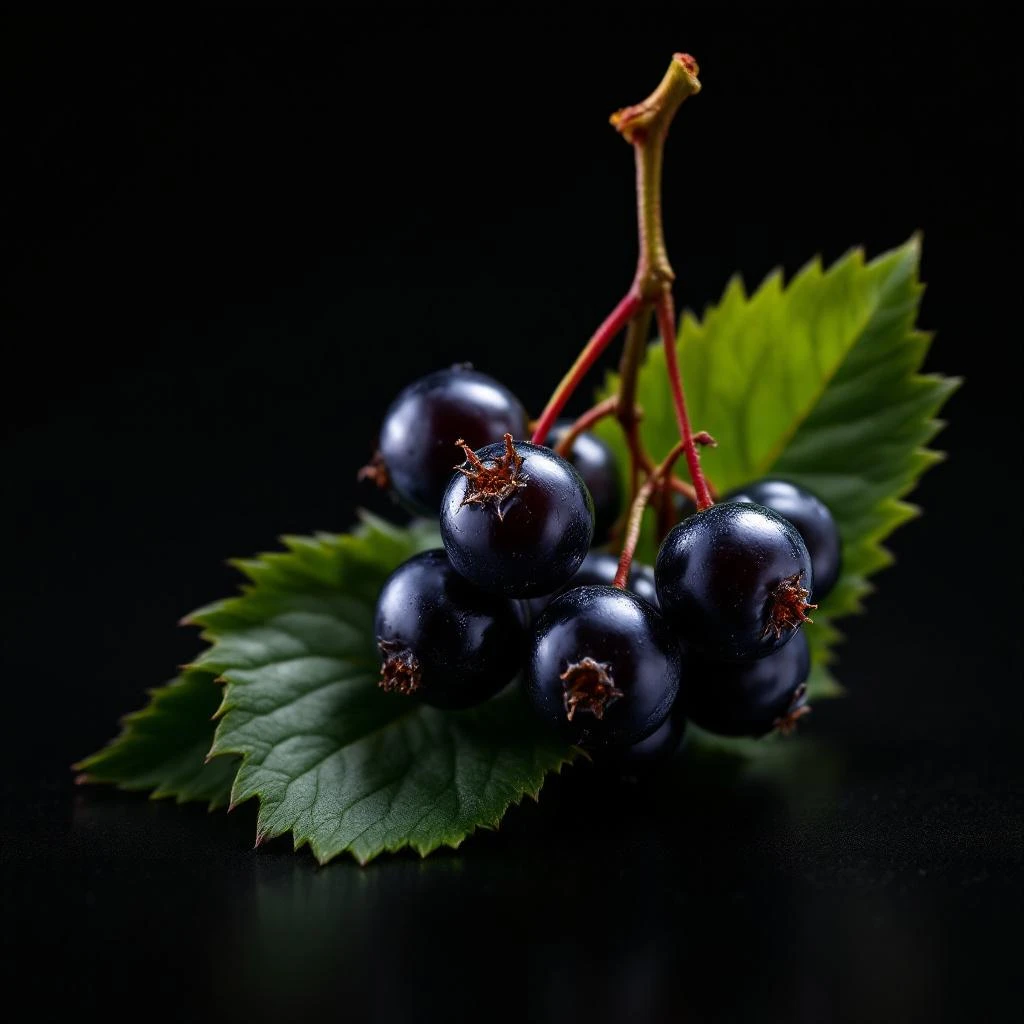
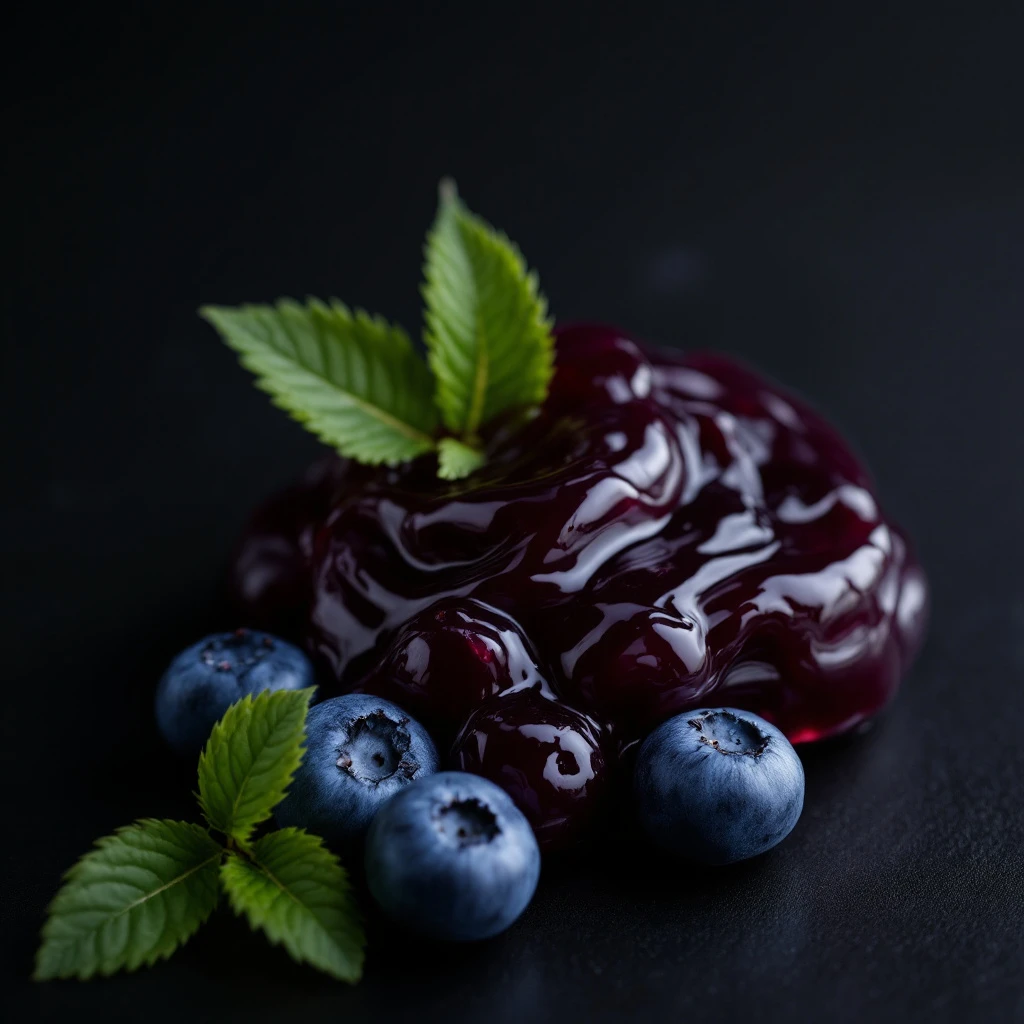
Blueberry Jam brings a luscious, jammy sweetness to fragrances that captures the essence of cooked summer berries. Unlike most natural ingredients, this note exists only through the art of synthetic chemistry, where perfumers layer aromatic compounds to recreate blueberry's signature depth.
Character
How it smells
Summer berries captured in a bottle
No essential oil can be pressed from fresh blueberries. Every drop of blueberry in perfumery is crafted in a laboratory.



Origin
United States
Before the 19th century, perfumers worked almost exclusively with natural ingredients pressed from flowers, roots, and fruits. Blueberry presented an impossible challenge: unlike citrus fruits that yield fragrant essential oils when pressed, blueberry flesh contains negligible volatile oil. The fruit simply cannot be distilled or extracted using traditional methods.
This limitation persisted until organic synthesis advanced in the late 1800s. Chemists began creating aroma molecules in laboratories, and by the mid-20th century, they had decoded the key compounds that give blueberries their distinctive smell. Today, blueberry occupies a unique place in perfumery as a note that exists only through laboratory creation.
While nations like Canada and the United States grow blueberries commercially for eating, the fragrance industry sources its blueberry entirely from synthesis, making it one of the most deliberately artificial fruit notes in any perfume.
Wears it best
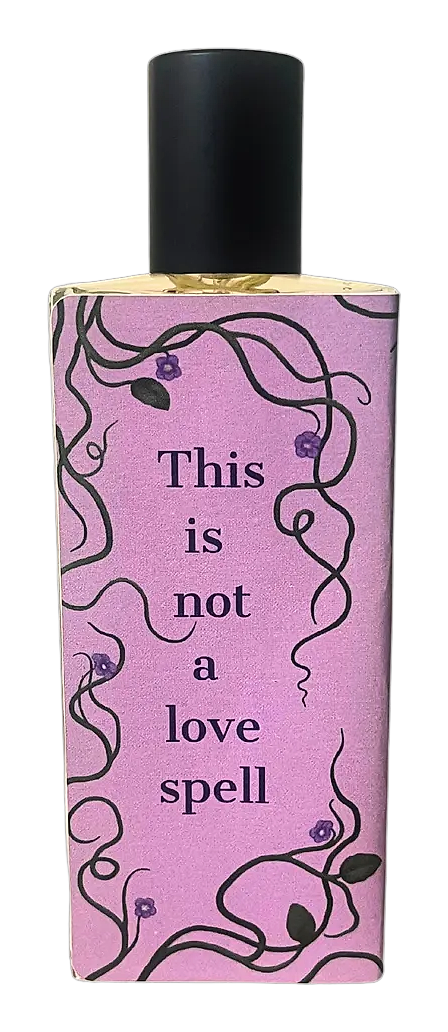
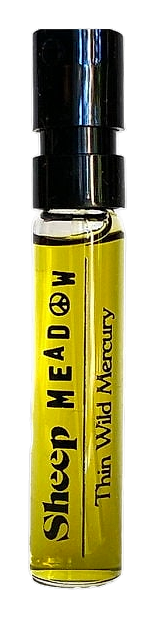
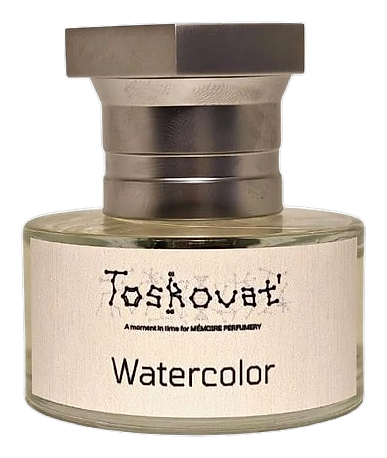
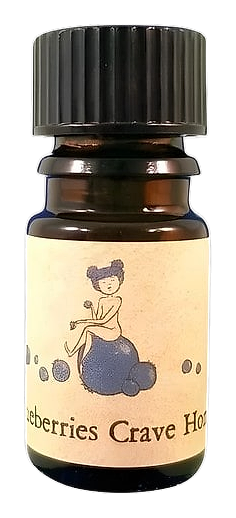
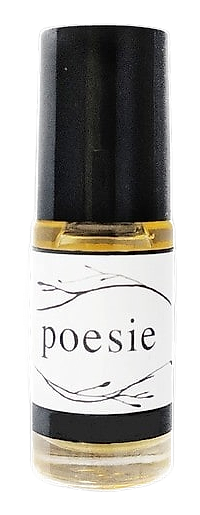
Fragrances featuring Blueberry Jam
Brands
Brands known for Blueberry Jam
Good to know
Questions, answered
The essentials on Blueberry Jam in perfumery: how it smells, where it comes from, and how it behaves on skin.
Is Blueberry Jam a natural or synthetic ingredient?
Blueberry Jam is synthetic. Fresh blueberries lack sufficient volatile oil for extraction, so perfumers construct this note entirely from laboratory-created aromatic compounds.
What gives blueberry its characteristic scent in perfumery?
Fruity pyrazines provide blueberry's signature sharp berry aroma, while lactones add creamy depth and esters contribute sweet, jammy warmth.
Can blueberry essential oil be extracted for perfume?
No. Unlike citrus fruits, blueberries cannot be pressed or distilled for fragrance. The fruit contains negligible volatile oil for commercial extraction.
What natural materials enhance blueberry accords?
Tonka bean absolute often enriches blueberry notes. It contains coumarin, which adds sweet, vanillic depth that enhances the cooked fruit quality.
When did synthetic blueberry enter perfumery?
Blueberry accord development accelerated in the mid-20th century as organic synthesis advanced. Before then, natural fruit notes in perfume were extremely limited.
Does Blueberry Jam smell like fresh or cooked berries?
The jam interpretation leans toward cooked, concentrated berries. Cooking releases caramelized notes and intensifies sweetness, which synthetic accords reproduce.
Which countries produce blueberries for food, not fragrance?
Canada leads lowbush blueberry production. The United States produces roughly 40% of global highbush blueberries, though none enter perfumery.
How consistent is synthetic blueberry compared to natural variations?
Synthetic blueberry offers remarkable batch-to-batch consistency. Natural fruit varies by season, ripeness, and terroir, but laboratory creation eliminates these variables.