Blue Freesia
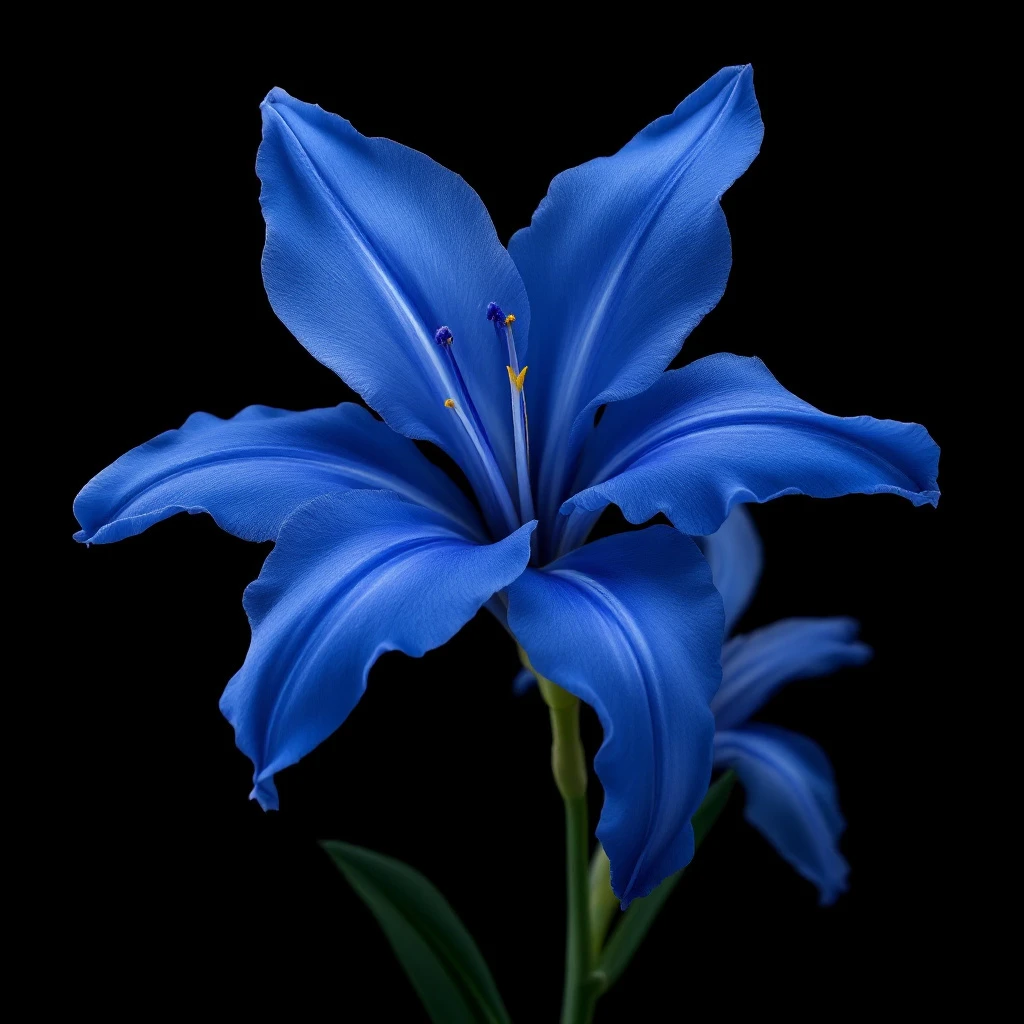
Blue Freesia captures the crisp, cool character of freesia blossoms in a refined synthetic form. It delivers the flower's signature watery-green freshness with a luminous quality that reads as cool and airy. The note evokes morning dew on white petals—clean, translucent, and subtly sweet without heaviness.
Character
How it smells
A cool, watery floral that captures the freshness of morning dew.
Wild freesia species are native exclusively to South Africa, growing in the Cape region's fynbos vegetation.









Origin
Germany
Freesias take their name from Friedrich Heinrich Theodor Freese, a German physician and plant collector from Kiel who documented African flora in the 1870s. The flower's journey from South African wildflower to perfumery staple spans continents and centuries. By the late 19th century, organic chemistry unlocked the ability to recreate floral scents synthetically—jasmine and rose led the way in 1895.
Headspace technology in the 1980s then allowed chemists to decode freesia's exact aromatic signature. Blue Freesia represents this analytical leap transformed into creative possibility, translating botanical beauty into reproducible molecular form without relying on actual flower cultivation.
Wears it best
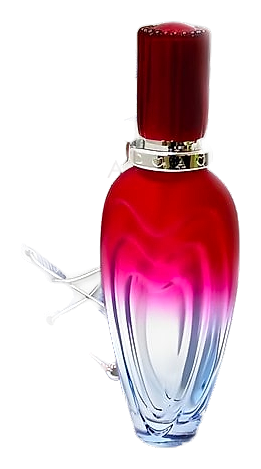
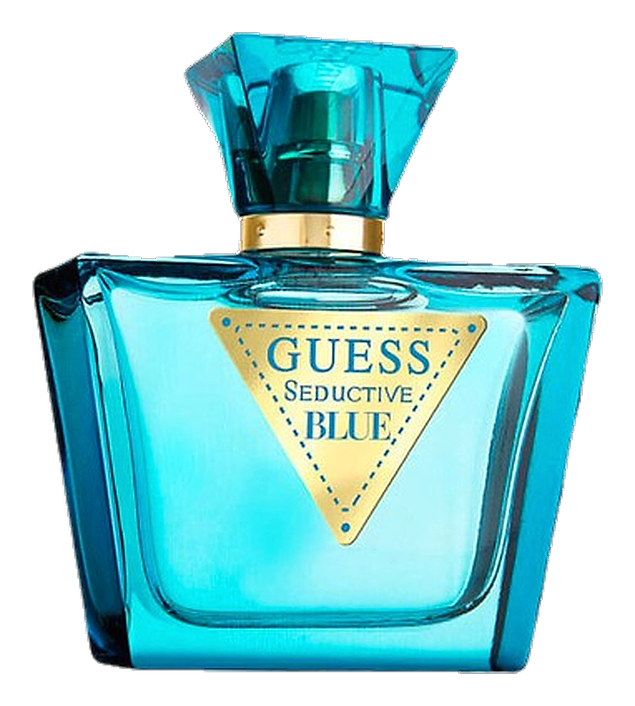
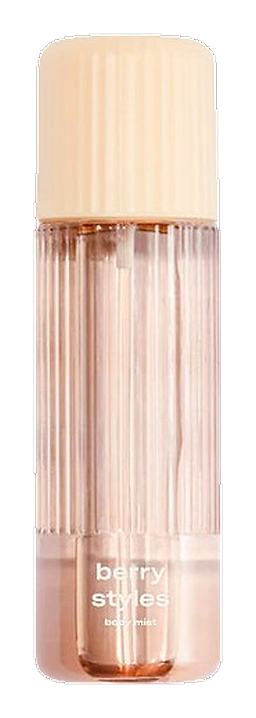
Fragrances featuring Blue Freesia
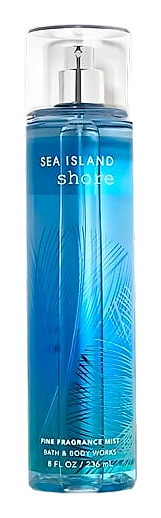
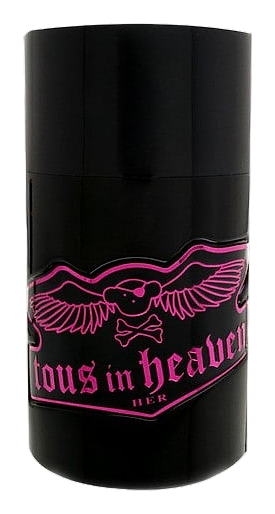
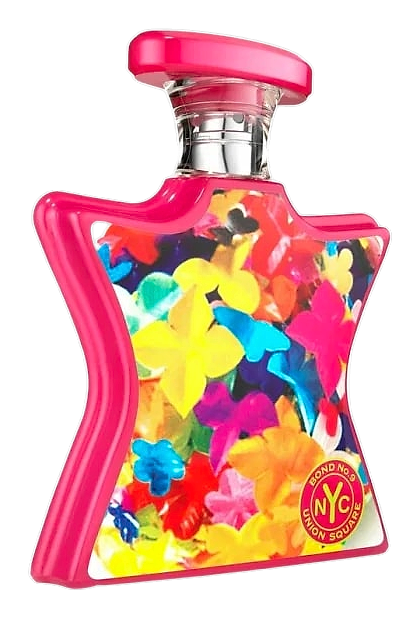
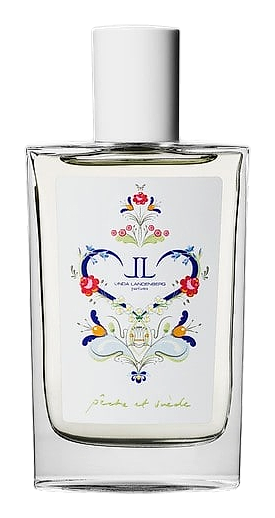
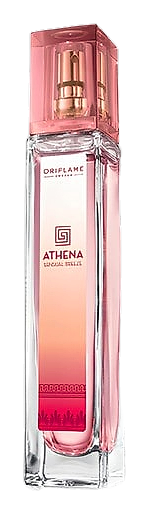
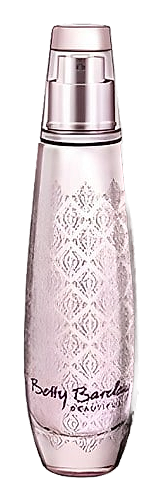
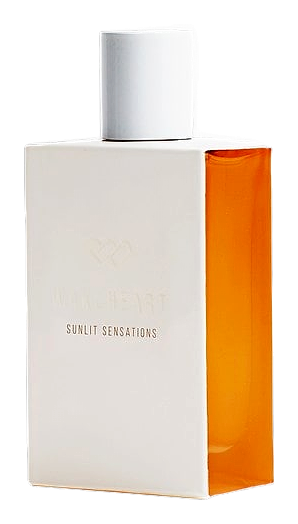
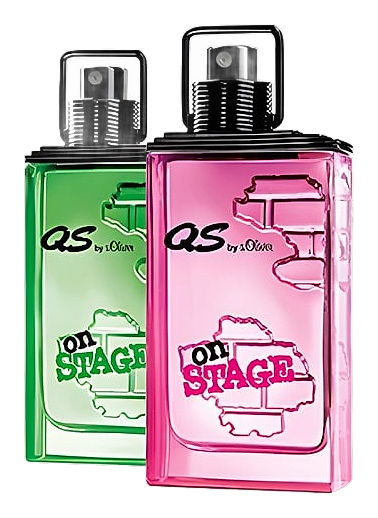
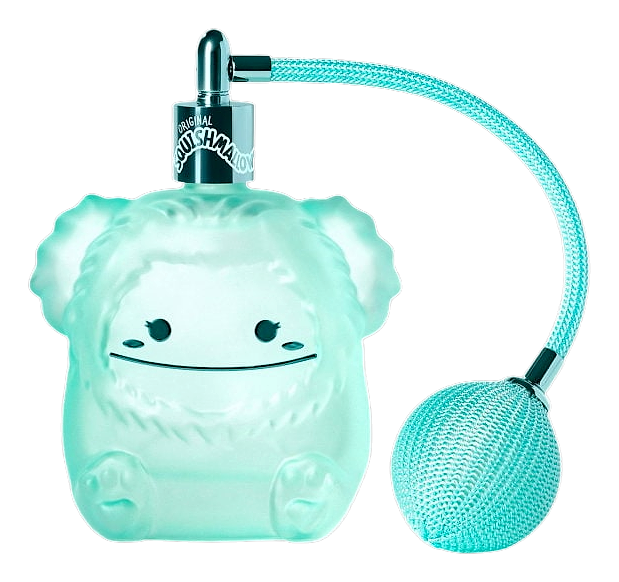
Brands
Brands known for Blue Freesia
Good to know
Questions, answered
The essentials on Blue Freesia in perfumery: how it smells, where it comes from, and how it behaves on skin.
Is Blue Freesia derived from real freesia flowers?
Blue Freesia is synthetic, not plant-derived. Chemists replicate the aromatic profile of natural freesia using lab-created aromatic compounds that mirror the flower's scent signature.
What scent characteristics does Blue Freesia bring to a fragrance?
Blue Freesia adds a cool, watery floral quality with green undertones. It reads as fresh and translucent, bringing brightness without sweetness overload.
When did synthetic freesia become available to perfumers?
Headspace technology in the 1980s enabled chemists to analyze and replicate freesia's scent. This allowed synthetic versions to enter perfumery formulations by the late 1980s and early 1990s.
What fragrances commonly feature Blue Freesia?
Blue Freesia appears frequently in modern florals and aquatic fragrances as a bridge note. Its cool character suits spring and summer scent profiles and works well in clean, minimalist perfumery.
How does Blue Freesia differ from natural freesia absolute?
Natural freesia absolute is nearly impossible to produce commercially due to low yield. Blue Freesia provides consistent quality, whereas natural freesia extraction would be prohibitively expensive and variable.
What other notes pair well with Blue Freesia?
Blue Freesia combines naturally with crisp aquatic notes, light musks, citrus, and green accords. It also harmonizes with other white florals like jasmine and lily of the valley.
Is Blue Freesia considered safe for skin application?
Blue Freesia complies with IFRA safety guidelines when properly formulated. Professional perfumers use it within recommended concentrations for body care and fine fragrance applications.
What gives Blue Freesia its distinctive cool character?
The cool perception comes from specific aromatic aldehydes and esters that evoke green, dewy freshness. These molecules mimic the scent of flowers in morning light, before warming occurs.